
The best way to pick dining chairs is to measure your table height first, then buy seats that sit 10 to 12 inches below the tabletop. That gap gives your legs room to move and keeps your arms level with your plate. You can easily select the right dining room chairs by starting with that single measurement. If you’re buying for a counter-height table instead, you’ll need stools or taller frames, because standard chairs will leave you eating at chin level.
Dining chair options compared
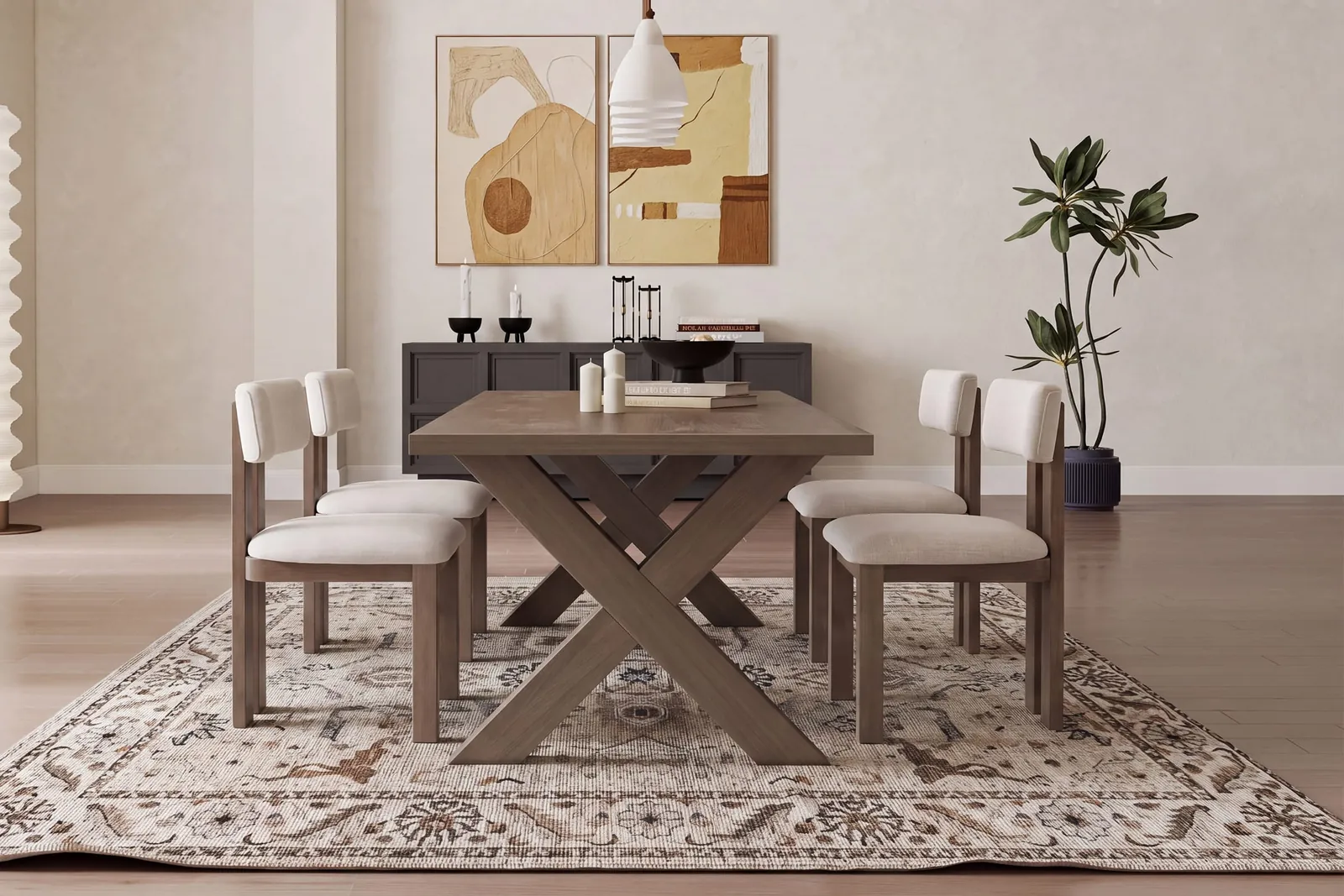
Four main types of seating work around a standard dining table. Each one trades comfort, space or price against the others, so the right pick changes depending on who sits there and how often you use the room.
| Method | How long to shop | Effort | Cost | Best for |
|---|---|---|---|---|
| Upholstered side chairs | 2–4 weeks if custom fabric | Low once delivered | High | Long dinners where comfort matters most |
| Solid wood spindle chairs | 1–3 days in stock | Medium; may need felt pads added | Medium | Everyday meals in busy homes |
| Metal frame chairs | 1–5 days in stock | Low | Low | Small apartments needing light visual weight |
| Armchairs (head of table) | 2–6 weeks if ordered | Low once delivered | High | Two host seats at either end |
Upholstered seats take the longest if you pick a custom fabric, but they arrive ready to sit on. Wood and metal chairs are usually in stock, though bare wood legs scratch hard floors unless you add pads yourself. Metal frames cost less upfront yet feel colder in winter. Armchairs only fit where the table overhangs enough to tuck them in. Check the retailer’s listed seat height before you order, since it varies by brand.
Upholstered side chairs
Upholstered chairs wrap the seat and sometimes the back in foam and fabric. They give you the softest place to sit, which matters when dinner stretches past an hour.
- Measure from the floor to the underside of your table. You need 10 to 12 inches between that point and the top of the seat cushion. This assumes a standard 30-inch table; for a 36-inch counter table, look for a 24-inch seat height instead.
- Pick a performance fabric like polyester blends treated for stain resistance. Skip light linen if kids eat here daily.
- Check the chair width. Allow 24 inches of table edge per person so elbows don’t bump. If your table is 72 inches long, three chairs per side is the limit.
- Test the foam density if you’re in a showroom. Foam under 1.8 pounds per cubic foot flattens within two years of daily use.
- Order a swatch first. Hold it against your rug and curtains in the actual room light before committing.
These chairs absorb sound and keep a dining room quiet during big gatherings. The padding also hides slight differences in floor level.
The trade-off is maintenance. Fabric absorbs spills that wipe clean off wood or metal. You’ll spend more time cleaning them, and reupholstering a set of six costs nearly as much as buying new ones.
Solid wood spindle chairs

Wood spindle chairs use thin vertical dowels for the back and a shaped wooden seat. They’ve been a staple since the Windsor style appeared in the 1700s, and they still fit modern tables without looking heavy.
- Confirm the seat height is 18 inches, which pairs with a standard 30-inch table. If the manufacturer lists 17 or 19 inches, recalculate your legroom gap.
- Run your hand along the seat edges. A carved “saddle” seat dips slightly in the middle and slopes down at the front, reducing pressure behind your knees. Flat plywood seats hurt after 30 minutes.
- Look at the joinery where the legs meet the seat. Dowels glued into drilled holes hold up better than screws driven straight through the wood.
- Buy stick-on felt pads for the feet. Wood dragging across hardwood floors leaves permanent gouges that require sanding to fix.
- Decide between finished and unfinished wood. Unfinished oak takes stain to match your table, but you’ll need a ventilated space and a day to apply it.
Wood handles daily abuse well and doesn’t trap food odors. It’s also lighter to pull out than a padded chair.
Bare wood gets uncomfortable after about 45 minutes of sitting. If your family lingers over coffee, you’ll end up buying separate cushions that slide around. For structural safety limits on furniture, check the ASTM International furniture standards, which cover stability requirements you can ask a retailer about.
Metal frame chairs
Metal chairs use steel or aluminum tubing bent into shape, often with a thin wooden or plastic seat pan. They bring a lighter look to a small room and stack easily when you need floor space back.
- Choose powder-coated steel over painted iron. Powder coating bakes onto the metal and resists chipping when chairs bang together.
- Check the weight rating printed on the box or spec sheet. Thin tubular steel bends under heavy loads, so verify it supports everyone in your household.
- Look for rubber caps on the bottom of every leg. Bare metal scratches tile instantly and makes a loud scraping noise every time someone shifts.
- Sit in one for five minutes. If the seat pan has no curve, your weight presses directly onto your tailbone. A molded plastic pan distributes pressure better than flat sheet metal.
- Measure the footprint. Metal chairs often have splayed legs that take up more floor space than the seat suggests. Make sure they tuck fully under your table apron.
They’re easy to wipe down and don’t harbor dust mites. Aluminum versions weigh almost nothing, making them simple to move.
The downside is temperature. Metal pulls heat from your body in winter and feels cold until you warm it up. A room without climate control makes these unpleasant for half the year.
Acrylic or clear polycarbonate chairs appear in some stores as a fourth option. They vanish visually in tight spaces but scratch deeply if you drag them, and cheap acrylic cracks under sudden weight. Stick to them only if you treat your furniture gently.
Which dining chair fits your table?
When you’re in a hurry and need seating this week, buy solid wood spindle chairs. Retailers stock them in flat packs, assembly takes 15 minutes per chair with just an Allen wrench, and you don’t wait for custom fabric.
If you’re setting up your first real dining room, start with upholstered side chairs. The padding forgives slight errors in seat height, and the softer look anchors a new space without demanding perfect styling skills elsewhere in the room.
When you want the best possible result whatever it takes, mix two armchairs for the ends and four upholstered side chairs for the middle. The armchairs signal where guests should sit, while the uniform sides keep sightlines clean.
Every choice here trades one thing for another. Upholstery buys comfort but costs you cleaning time. Wood buys durability but sacrifices long-sit softness. Metal saves space but feels cold. Don’t try to find a chair that wins all three columns in the comparison table above, because it doesn’t exist.
A setup meant for quick weekday breakfasts shouldn’t be judged by how it feels during a three-hour holiday dinner. Match the chair to the meal you actually cook most often, not the one you host once a year.
How to choose the right dining room chairs

The gap between the seat top and the table underside must stay between 10 and 12 inches for a standard 30-inch-high table. The American National Standards Institute publishes ergonomic guidelines for furniture dimensions that confirm this clearance range.
Before you shop, measure your table’s length, width and the distance from the floor to its bottom edge, known as the apron. Chairs that fit the height might not push in far enough if the legs hit the table’s support beam.
Halfway through assembling a flat-pack set, check that all four legs touch the floor evenly. A wobble you ignore now loosens the joints permanently over a few months of shifting weight. Tighten bolts again after the first week of use, because wood compresses slightly under new pressure.
At the end of setup, pull each chair out and push it back in. If it scrapes the wall or blocks a walkway, your room needs fewer chairs or narrower frames. Leave at least 36 inches between the table edge and any wall so people can stand up without turning sideways.
If a chair arrives with a cracked weld or split wood joint, don’t glue it yourself. Structural repairs on load-bearing furniture risk collapse, so return it or have a professional furniture restorer handle the fix.
Related guides
Frequently asked questions
How tall should dining chairs be?
Standard dining chairs have a seat height of 18 inches, designed for a 30-inch table. Counter-height tables at 36 inches need a 24-inch seat, and bar tables at 42 inches require 30-inch stools. Always measure your specific table’s underside, because thick tabletops lower the available legroom.
Can you mix different dining chairs?
Yes, mixing works if you keep the seat heights identical within half an inch. Vary the back shapes or materials, but maintain the same seat level so plates stay even. Using two matching armchairs at the heads with different side chairs is the safest way to mix without looking accidental.
How much space does each dining chair need?
Allow 24 inches of table edge per person for standard dining. If your chairs have arms, increase that to 28 inches so the arms don’t overlap. Behind the chair, leave 36 inches of clearance to the wall so someone can push back and stand up comfortably.
Is it safe to buy dining chairs online?
Yes, provided you verify the exact seat height and depth in the product specifications before ordering. Photos distort scale, so rely only on written dimensions. Check the retailer’s return policy specifically for furniture, because shipping large items back often costs more than the original delivery fee.
Why do my dining chairs wobble?
Wobbling happens when one leg is shorter than the others or the floor is uneven. Tighten all bolts first, as loose hardware causes most instability. If the joints are glued and still rock, stick a thin felt pad under the short leg. Don’t saw down the longer legs unless you measure precisely.
What happens if dining chairs are too low?
Chairs that sit too low force your knees higher than your hips, which strains your lower back within 20 minutes. Your arms also angle upward to reach the table, causing shoulder fatigue. If you already own short chairs, adding firm seat cushions raises you up, but verify the new height still clears the table apron.
How long do upholstered dining chairs last?
Upholstered dining chairs have a limited lifespan with daily use, assuming the foam density is 1.8 pounds per cubic foot or higher. Lower-density foam compresses permanently after a relatively short period. Sunlight fades fabric faster, so chairs near windows age quicker than those in interior spots.
Conclusion
You’ll spend more time with your dining chairs than almost any other furniture in your home. Get the measurements right first, pick the material that matches your actual habits, and skip anything that looks good in a photo but fails the tape measure.