
Is your home acting a little… quirky lately? Maybe that faucet has a drip that’s driving you crazy, or perhaps you’ve noticed a mysterious draft in your living room.
These little annoyances can quickly turn into bigger headaches if you ignore them. But don’t worry, you’re not alone! Most homeowners face common house problems at some point. This guide is here to help you identify what might be going on and what you can do about it.
Let’s dive in and get your home back in tip-top shape.
Leaky Faucets
Drip. Drip. Drip. That annoying sound is a leaky faucet. It wastes water. It wastes money too. You might ignore it. Don’t. Small problems grow. A leaky faucet is a common house issue. It needs attention. Let’s fix it.
Identify The Source
Where does the water come from? Look closely. Is it the spout? Maybe the handle drips. Check the base too. Sometimes water pools there. The leak might be inside. It’s hard to see. You need to take it apart.
Simple Sealant Fixes
Many leaks are easy fixes. Often, a worn washer causes trouble. You can replace it. Old O-rings also fail. These are small rubber rings. They create a seal. Replacing them is simple. You can buy new parts. Local hardware stores have them. It’s a quick repair.
When To Call A Plumber
Some leaks are tricky. The faucet body might be cracked. This needs professional help. If you can’t find the leak, call a pro. If the fix is too hard, call a plumber. They have special tools. They have the right knowledge. Don’t delay. A plumber can solve it.

Credit: www.drenergysaver.com
Running Toilets
A running toilet wastes water. This common house problem can increase your bills. Fix it to save money and resources.
A running toilet wastes water. It also costs you money. This common problem needs attention. Let’s fix it.The Flapper’s Fault
The flapper is a rubber seal. It sits at the bottom. It stops water from escaping. A worn flapper leaks. This causes the toilet to run. Check the flapper for damage. Is it cracked or stiff? Replace it if needed. This is an easy fix.Chain Reaction Issues
The flapper connects to a chain. This chain lifts the flapper. It flushes the toilet. The chain can get too long. Or it can get too short. A long chain stops the seal. The toilet runs. A short chain does not lift fully. The flush is weak. Adjust the chain length. Ensure a good seal.Water Level Woes
The tank has a fill valve. It controls water level. The float adjusts the level. If the water is too high, it runs. Water spills into the overflow tube. Adjust the float down. This lowers the water level. The toilet stops running. This is another simple solution.Clogged Drains
Clogged drains are a common nuisance. They disrupt daily routines. Water backs up. Unpleasant odors can arise. Ignoring them makes problems worse. Let’s explore common drain issues.
Kitchen Sink Stoppages
Grease is a major culprit. Food scraps also build up. This creates tough blockages. Boiling water can help sometimes. A plunger is often effective. Baking soda and vinegar work too. For stubborn clogs, call a plumber.
Bathroom Drain Blockages
Hair is the main offender. Soap scum joins the mess. This happens in sinks and tubs. Small tools can remove hair. Drain snakes are very useful. Avoid pouring harsh chemicals. They can damage pipes. Regular cleaning prevents buildup.
Shower Drain Struggles
Showers collect hair and soap. This forms a sticky barrier. Water pools around your feet. Remove the drain cover. Pull out trapped debris. A drain screen catches hair. This stops clogs before they start. Keep your shower draining freely.
Drafty Windows
Drafty windows are a common house problem. Cold air sneaks inside. Warm air escapes outside. This makes your home uncomfortable. It also wastes energy. Your heating bill goes up. You feel chilly even indoors. Let’s fix those drafty windows.
Sealing The Gaps
Look for air leaks. Feel around window frames. You might feel a cool breeze. Caulk seals small cracks. It stops air from moving. Apply caulk carefully. Use a caulk gun. Smooth out any excess. Caulking is a simple fix. It makes a big difference.
Weatherstripping Wisdom
Weatherstripping goes on moving parts. It seals gaps when windows close. There are different types. Foam tape is easy. It sticks to the frame. V-strip is another option. It fits into the sash. Choose the right type. Install it snugly. This prevents air intrusion.
Energy Savings
Drafty windows waste energy. Sealing them saves money. Your home stays warmer. You use less heat. This lowers your energy bills. It also helps the environment. A well-sealed home is efficient. Enjoy a comfortable space. Save money too.
Sticky Doors
Sticky doors. A common house problem. They can be frustrating. They make moving around difficult. Don’t let them annoy you. Simple fixes exist. We explore them now.
Hinge Hangups
Door hinges get stiff. This causes sticking. Dirt and rust build up. They need lubrication. Spray them with oil. Use a silicone spray. A little goes a long way. Work the door back and forth. This helps spread the oil. Hinges will move smoothly. The door should swing freely.
Swollen Wood Solutions
Wood expands with moisture. This causes doors to swell. It makes them rub the frame. Check the door edges. Feel for rough spots. Sand them down gently. Use fine-grit sandpaper. Sand only where needed. Wipe away the dust. You can seal the wood. This prevents future swelling. Apply a wood sealant. Let it dry completely. The door should fit better.
Alignment Adjustments
Doors can lose alignment. The frame might shift. The hinges might be loose. Check the hinge screws. Tighten any loose ones. If screws don’t hold, fix it. Insert wood matchsticks. Screw them in tightly. This gives screws a new grip. Sometimes the strike plate needs adjustment. It’s on the door frame. It aligns with the latch. Loosen its screws slightly. Move it a tiny bit. Re-tighten the screws. The latch should engage easily.
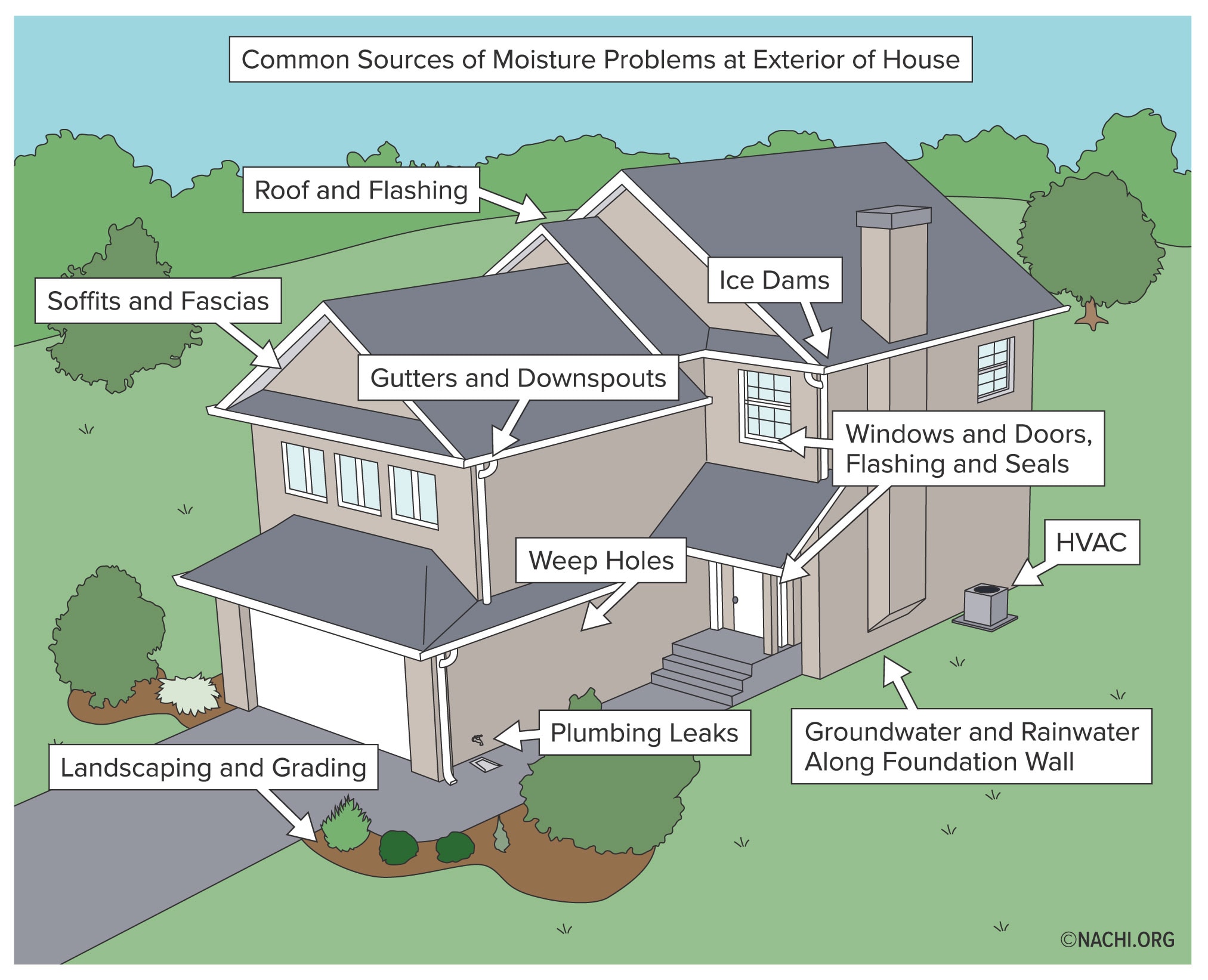
Credit: www.nachi.org
Peeling Paint
Peeling paint is a common house problem. It looks bad. It can also signal deeper issues. Water damage is a frequent cause. Poor application is another culprit. Don’t ignore this warning sign. Addressing it promptly saves you trouble.
Surface Preparation Secrets
This step is crucial. Clean the surface thoroughly. Scrape away loose paint. Use sandpaper to smooth edges. Fill any holes or cracks. A clean, smooth surface is key. It helps paint stick better. Prime the repaired areas. This creates a good base.
Choosing The Right Paint
Select paint for the area. Interior paint for indoors. Exterior paint for outside. Use quality paint. Cheap paint peels faster. Consider the finish. Glossy finishes are durable. Matte finishes hide imperfections. Match existing paint if possible. This ensures a seamless look.
Application Techniques
Apply thin, even coats. Don’t rush the process. Let each coat dry completely. Use the right tools. Brushes for trim. Rollers for walls. Work in good lighting. This helps you see coverage. Avoid painting in extreme weather. High humidity is bad. Extreme heat is also bad. Proper application makes a difference.
Faulty Light Switches
A flickering light switch. A switch that doesn’t work at all. These are common signs of trouble. Faulty light switches are more than an annoyance. They can be a safety hazard. Ignoring them is not wise. Let’s explore this common house problem.
Safety First
Electricity is dangerous. Faulty switches pose risks. Sparks can fly from switches. This can start a fire. Always be careful. Never touch damaged wires. Turn off power at the breaker. This is crucial. Safety is the top priority. Do not take chances.
Troubleshooting Steps
First, check the bulb. Is it burned out? Try a new bulb. If that fails, check the breaker. Has it tripped? Reset the breaker. If the switch still fails, it might be the switch. Sometimes the wiring is loose. This is a common issue. Look for signs of damage. Any burning smell? Black marks? These are bad signs.
Replacing A Switch
Replacing a switch is possible. But it requires care. You must turn off power. Verify power is off. Use a voltage tester. Remove the old switch. Note how wires connect. Connect new wires the same way. Screw the new switch in place. Attach the cover plate. Turn power back on. Test the new switch. If unsure, call an electrician. They have the right tools. They know the safety rules.
Small Wall Cracks
Small wall cracks appear everywhere. They are common house problems. You might see them in corners. They can show up near doors. These cracks seem minor. They are often just cosmetic. But they can worsen over time. Addressing them early is smart. It saves you trouble later.
Patching And Spackling
Get spackling paste. You can buy it at hardware stores. Use a putty knife. Scoop some paste. Apply it to the crack. Press it in firmly. Fill the crack completely. Smooth the excess paste. Let it dry completely. This might take an hour. Check the instructions. Some dry faster.
Sanding Smooth
The spackle is dry now. It feels rough. You need to make it smooth. Get fine-grit sandpaper. A 120-grit paper works well. Gently rub the patched area. Sand in a circular motion. Make the patch level. It should blend with the wall. Wipe away dust with a cloth. The wall should feel smooth.
Matching The Texture
Your wall has texture. The spackle is smooth. You need to match it. Many walls have a bumpy texture. You can recreate this. Use a damp sponge. Lightly dab the patched area. This mimics many textures. Some walls have a spray texture. You can buy spray cans. Apply a light coat. Feather it into the wall. Practice on cardboard first. Get the look just right. Then paint over the patch. It will disappear.
Loose Floorboards
Loose floorboards. They make a strange sound. You might trip on them. This common problem needs attention. Ignoring it can cause bigger issues. Let’s fix those wobbly planks.
Identifying The Cause
Why are floorboards loose? Wood expands and contracts. This is normal. Moisture plays a big role. Humidity changes affect wood. Old nails can loosen over time. Screws can also work their way out. Sometimes, the subfloor itself is weak. This causes the boards to sag.
Nail Or Screw Fixes
Loose floorboards often need new fasteners. You can use nails. Drive them into the joists below. Make sure the nails are long. They must reach the joist. Screws are a better option. They hold tighter than nails. Use wood screws. Drive them in at an angle. This secures the board firmly. Countersink the screw heads. You can fill the holes later.
Creaking Floor Cures
Creaking sounds are annoying. They happen when boards rub. This rubbing causes the noise. The fix is often simple. Add shims between boards. These are thin pieces of wood. They stop the rubbing. You can also use screws. Drive them through the loose board. Aim for the joist below. This tightens the board. Powdered graphite can help too. Sprinkle it in the gaps. It acts as a lubricant.
Grout Issues
Cracked or discolored grout is a common house problem. It can make your tile look old and dirty. Addressing these grout issues improves your home’s appearance.
Grout lines can become a breeding ground for grime. They lose their original appeal. This common household problem affects bathrooms and kitchens. Dirty grout makes tiles look old. It can even harbor mold. Addressing grout issues is vital. It keeps your home looking fresh. It also prevents bigger problems.Cleaning Grimy Grout
Start with a good scrub. Use a stiff brush. A paste of baking soda works well. Apply it to the grout. Let it sit for a bit. Scrub again. Rinse thoroughly. For tougher stains, try a commercial grout cleaner. Follow product instructions carefully. Always test in a small area first. Ventilation is important when cleaning.Regrouting Basics
Old grout may need replacing. This is called regrouting. First, remove the old grout. Use a grout saw or utility knife. Be careful not to damage tiles. Clean the empty grout lines. Mix new grout according to package directions. Apply it with a grout float. Press it firmly into the lines. Wipe off excess grout. Let it cure properly.Sealing For Protection
Protect your new grout. Apply a grout sealer. This stops stains and moisture. It prevents mold and mildew. Use a quality penetrating sealer. Apply it with a small brush or applicator. Wipe away any excess sealer. Let it dry completely. Reapply sealer periodically. This keeps grout looking its best. It extends its lifespan too.
Credit: www.basichomeloan.com
Frequently Asked Questions
What Are Common Home Issues Homeowners Face?
Homeowners often deal with leaky faucets, clogged drains, and running toilets. Electrical problems like flickering lights are also frequent. Pest infestations can cause significant stress.
How Can I Fix A Leaky Faucet Myself?
Tighten the handle screw and check the O-ring. Replace worn-out washers or cartridges if needed. A simple fix can save water and money.
What Causes A Toilet To Run Constantly?
A faulty flapper or a worn-out fill valve is usually the culprit. Check the chain for proper tension and length. These parts are inexpensive to replace.
How Do I Handle A Clogged Sink Drain?
Try using a plunger first. A drain snake can dislodge tougher blockages. Avoid harsh chemical drain cleaners.
What Are Signs Of Electrical Problems At Home?
Watch for flickering lights or frequently tripped breakers. Burning smells near outlets are serious. Always call a professional electrician for safety.
When Should I Call A Plumber For Help?
A persistent leak or a major pipe burst needs expert attention. If you notice water damage, it’s time to call. Don’t delay; water issues can worsen quickly.
How Can I Prevent Common Household Pests?
Keep your home clean and seal food properly. Block entry points like cracks and holes. Regular inspections can catch problems early.
Conclusion
Your home needs care. Address common issues promptly. Small problems grow large. Fix leaks fast. Check your roof often. Keep drains clear. Good maintenance saves money. Enjoy a safe, happy home. Don’t wait. Act now for peace of mind.