
A leak in a high-pressure water pipe can quickly turn into a big problem. If you don’t act fast, it could cause water damage, increase your bills, and disrupt your daily routine.
But don’t worry—you don’t have to be an expert to stop the leak. You’ll discover simple, effective steps you can take right now to fix the problem and protect your home. Keep reading, and you’ll learn how to handle the situation with confidence and ease before it gets worse.
Signs Of A High Pressure Pipe Leak
Detecting a leak in a high pressure water pipe early can save you from big problems. Leaks often show clear signs that you can notice without special tools. Paying attention to these signs helps you act fast and avoid costly damage.
Visible Water Damage
Look for wet spots on walls, floors, or ceilings near the pipe. Water stains or peeling paint may appear. You might see puddles or damp areas around the pipe. Mold or mildew growth can also indicate a hidden leak. These signs show water is escaping from the pipe.
Unusual Water Pressure Drops
Watch the water pressure in your taps and appliances. A sudden drop or inconsistent pressure often means a leak exists. High pressure pipes usually keep steady flow. When pressure falls, water might be escaping through a crack or hole.
Sound Indicators
Listen for unusual sounds near the pipe. A hissing or dripping noise can signal water escaping. Sometimes, you hear water running even when taps are off. These sounds point to a leak inside or near the pipe.
Credit: sylmasta.com
Safety Precautions Before Repair
Safety comes first before fixing a leak in a high pressure water pipe. High pressure water can cause serious injury. Taking proper steps protects you and others nearby. Read these key safety precautions carefully before starting any repair work.
Shutting Off Water Supply
Stop water flow by turning off the main valve. This reduces pressure inside the pipe. Without shutting off, water may spray out forcefully. It can hurt your skin or eyes. Confirm no water is flowing before touching the pipe.
Using Protective Gear
Wear safety goggles to protect your eyes from water spray. Gloves help keep your hands safe from sharp edges and water. Use long sleeves and sturdy clothing to cover exposed skin. Proper gear lowers the risk of injury during repair.
Clearing The Work Area
Remove any objects or debris near the pipe. Clear space helps you move freely and avoid tripping. Make sure the area is dry to prevent slipping. Keep others, especially children and pets, away from the repair zone.
Temporary Fix Methods
Temporary fixes stop leaks quickly until a permanent repair is done. These methods help reduce water loss and damage. Use simple tools and materials found at home or in stores. Act fast to control the leak and avoid bigger problems.
Applying Pipe Repair Tape
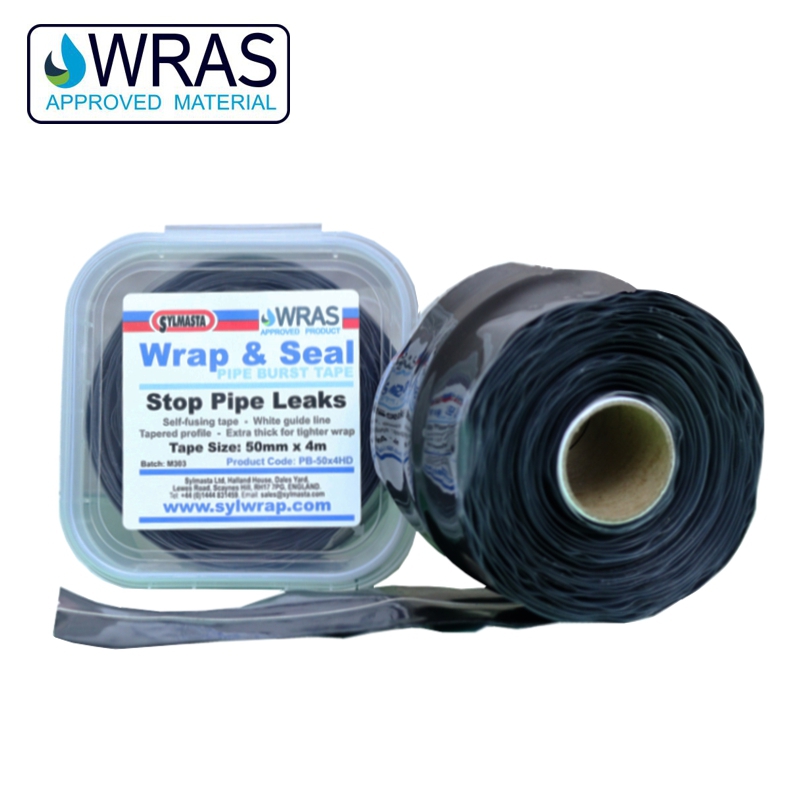
Pipe repair tape wraps tightly around the leak. It forms a strong seal that blocks water. Clean and dry the pipe before wrapping. Stretch the tape firmly as you wrap it several times. Overlap each layer for better hold. This tape works well on small cracks and holes.
Using Epoxy Putty
Epoxy putty sticks to wet or dry surfaces. Knead the putty until soft and apply it over the leak. Press the putty firmly to fill gaps. It hardens quickly and stops water flow. This method suits larger leaks or damaged pipe sections. Make sure to smooth the edges for a tight seal.
Clamping The Leak
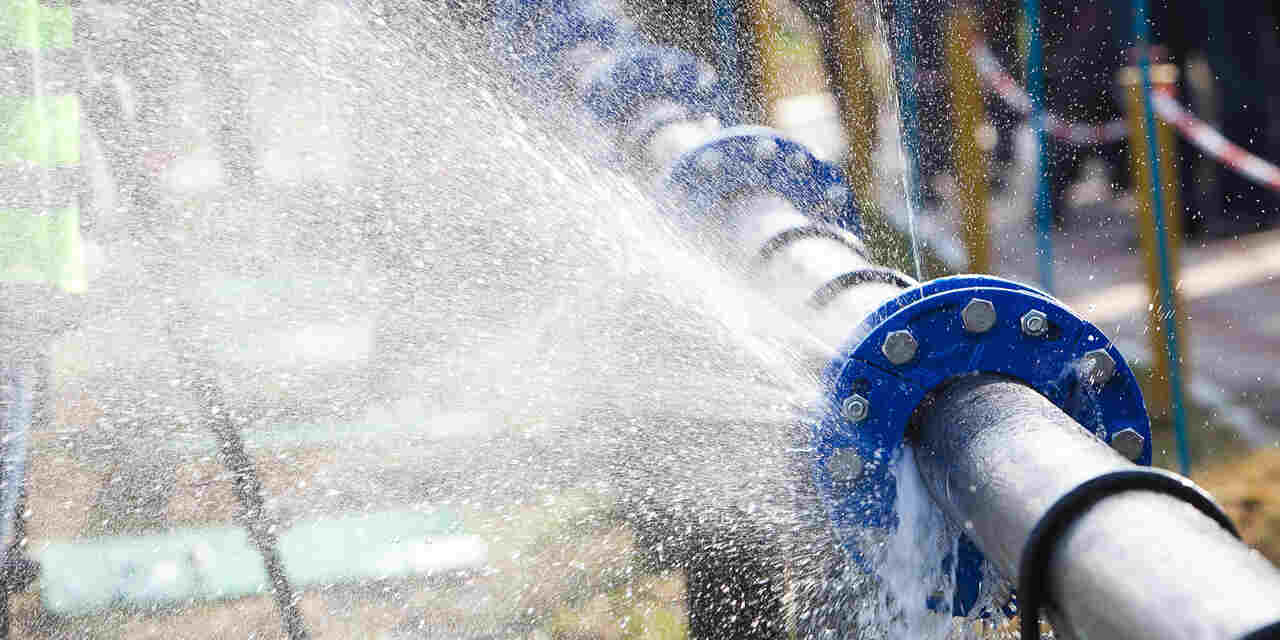
Clamps hold a patch tightly on the pipe. Place a rubber piece over the leak for extra sealing. Position the clamp around the pipe and tighten the screws. This stops water from escaping under pressure. Clamps work well for bigger holes or burst pipes. Check the clamp often to keep it secure.
Credit: www.easyrooterplumbing.com
Permanent Repair Options
Permanent repair options provide long-lasting solutions for leaks in high pressure water pipes. These methods restore the pipe’s integrity and prevent future leaks. Choosing the right repair depends on the damage type and pipe material.
Repairing a high pressure pipe ensures safety and stops water loss. It also avoids damage to surrounding areas caused by leaks. Here are some effective permanent repair options.
Replacing The Damaged Section
Removing the damaged pipe section is a reliable way to fix leaks. Cut out the faulty part and replace it with a new pipe piece. Use proper fittings to connect the new section securely.
This method works well for severe damage or cracks. It restores full pipe strength and prevents leaks from returning. Ensure the new pipe matches the existing one in size and material.
Welding Or Soldering Techniques
Welding or soldering joins metal pipes by melting the edges together. This creates a strong, leak-proof bond. Skilled workers use special tools and materials for this process.
These techniques suit metal pipes like steel or copper. They seal cracks and holes permanently. Proper preparation and cleaning of pipe surfaces are essential for good results.
Professional Pipe Repair Services
Experts offer specialized repair services for high pressure water pipes. They use advanced tools and methods to fix leaks permanently. Professionals assess damage accurately and choose the best repair solution.
Hiring professionals ensures safe and effective repairs. They handle complex problems and minimize downtime. This option is ideal for large or difficult-to-access pipes.
Tools And Materials Needed
Stopping a leak in a high-pressure water pipe requires the right tools and materials. Without proper equipment, the repair might fail or cause more damage. Prepare everything before starting the repair job. This saves time and ensures safety during the process.
Essential Repair Tools
- Pipe wrench for gripping and turning pipes
- Adjustable wrench to tighten fittings
- Pipe cutter or hacksaw to cut damaged pipe sections
- Wire brush to clean pipe surfaces
- Teflon tape for sealing threaded joints
- Measuring tape to measure pipe lengths
- Safety gloves and goggles for protection
Recommended Repair Materials
- Epoxy putty designed for water pipe repairs
- Pipe repair clamp for quick sealing of leaks
- Replacement pipe sections matching the existing pipe
- Pipe connectors or couplings for joining pipes
- Rubber gasket or sealing tape to prevent leaks
- Waterproof sealant suitable for high-pressure pipes
Preventing Future Leaks
Preventing future leaks in high pressure water pipes is important. Leaks waste water and cause damage. Small problems can turn into big repairs. Taking steps now saves money and stress later. Regular care helps keep pipes safe and strong.
Regular Pipe Inspections
Check pipes often for signs of wear or damage. Look for cracks, rust, or wet spots. Early spotting stops leaks before they start. Use a flashlight to see inside dark areas. Hire a professional if unsure about pipe condition.
Maintaining Proper Water Pressure
Keep water pressure at the right level. Too much pressure strains pipes and causes leaks. Use a pressure gauge to check regularly. Install pressure regulators if pressure is too high. Balanced pressure helps pipes last longer and stay leak-free.
Upgrading Old Pipes
Old pipes are more likely to leak. Replace pipes made of outdated or weak materials. Use durable materials like PVC or copper. New pipes handle pressure better and last longer. Upgrading reduces the risk of sudden leaks and breaks.

Credit: www.amazon.com
Frequently Asked Questions
How Do I Find A Leak In A High-pressure Water Pipe?
Look for wet spots, water puddles, or damp soil near the pipe. Listen for hissing sounds. Use soapy water to spot bubbles on the pipe surface.
What Materials Can Stop A High-pressure Water Pipe Leak Temporarily?
Use pipe repair tape, rubber patches, or epoxy putty. These materials help seal small leaks quickly. They are good for emergency fixes.
Can I Fix A High-pressure Water Pipe Leak Without Professional Help?
Small leaks can be fixed with repair kits if you follow instructions carefully. For large leaks, call a plumber. Safety is important.
How Long Does A Temporary Leak Repair Last On High-pressure Pipes?
Temporary fixes usually last from a few days to weeks. They hold until a permanent repair is made. Regular checks are necessary.
What Tools Do I Need To Stop A Leak In A High-pressure Pipe?
Basic tools include pipe cutters, repair clamps, tape, and wrenches. You might also need gloves and safety goggles. Prepare before starting the repair.
Why Is It Dangerous To Ignore Leaks In High-pressure Water Pipes?
Leaks can cause water damage, mold, and pipe bursts. High pressure increases the risk of accidents. Fix leaks promptly to avoid problems.
How Can I Prevent Leaks In High-pressure Water Pipes?
Regularly inspect pipes for damage or wear. Use high-quality materials and proper installation methods. Keep pipes clean and free from corrosion.
Conclusion
Stopping a leak in a high-pressure water pipe takes quick action and care. First, turn off the water supply to prevent more damage. Use the right tools and materials to fix the leak safely. Check the repair often to make sure it holds.
Small leaks can grow if ignored. Taking these steps helps protect your home and saves money. A careful fix keeps water flowing where it should. You can manage this problem with simple, clear steps. Stay calm, act fast, and your pipe will be strong again.