
Is your toilet tank not filling up, but the water keeps running? This common problem can be frustrating and waste a lot of water if left unchecked.
You might wonder why this happens and how to fix it quickly. You’ll discover simple reasons behind this issue and easy steps you can take to stop the water from running endlessly. Keep reading, and you’ll save both time and money by solving the problem yourself.

Credit: www.wikihow.com
Common Causes
A toilet tank that won’t fill up but keeps running wastes water and causes frustration. Several common issues cause this problem. Understanding these causes helps fix the issue faster. Here are some frequent reasons why the tank fails to fill while water runs continuously.
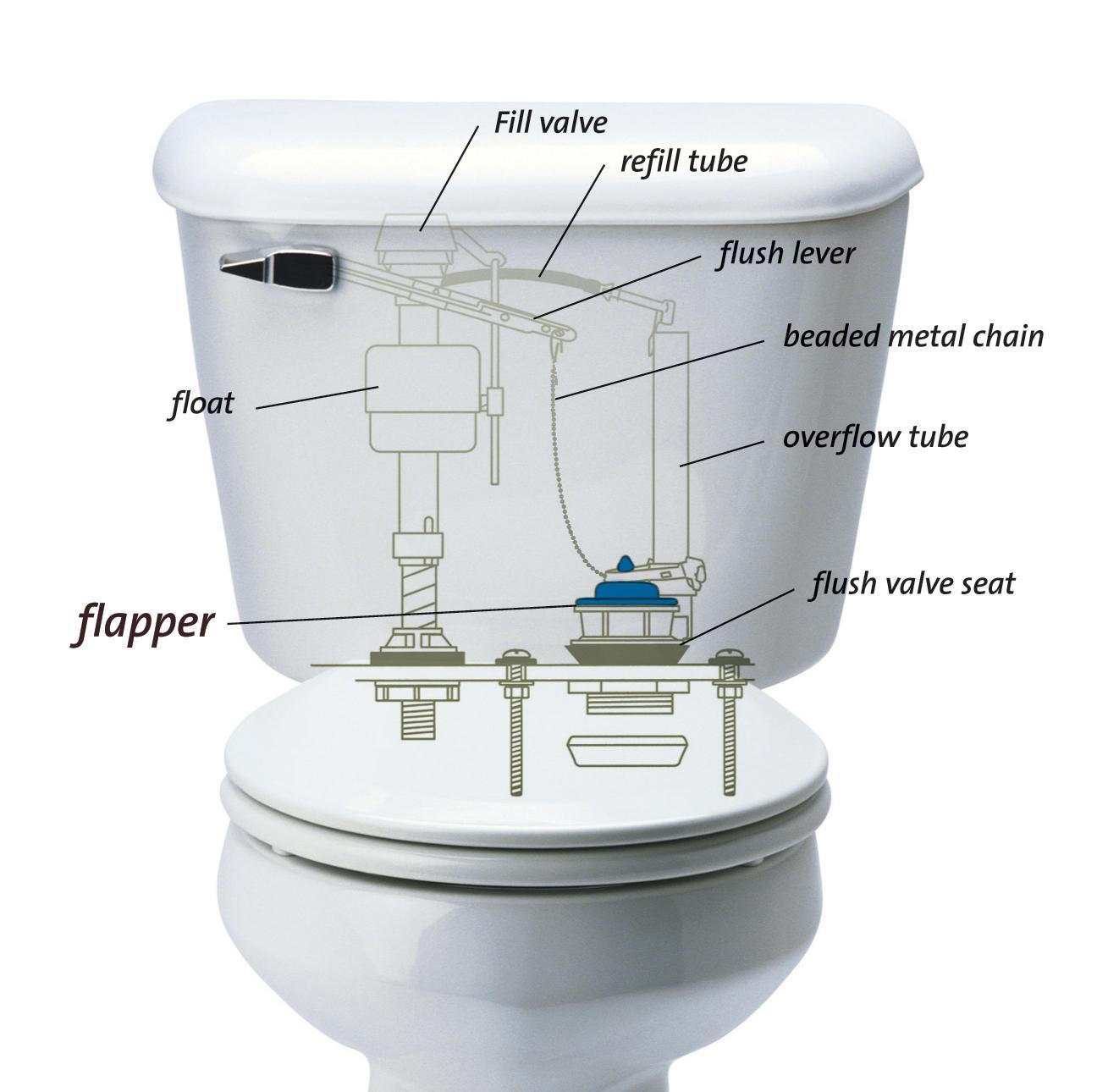
Faulty Fill Valve
The fill valve controls water flow into the tank. A broken or worn-out valve may not open or close properly. This results in water running nonstop or the tank not filling. Dirt or debris can block the valve, causing it to malfunction. Replacing or cleaning the fill valve often solves the problem.
Flapper Issues
The flapper seals the flush valve at the tank’s bottom. If it doesn’t close tightly, water leaks into the bowl. This causes the tank to empty slowly and run constantly. A warped or damaged flapper needs replacement to stop leaks. Sometimes, simply adjusting the flapper can fix the issue.
Float Problems
The float rises with water level and shuts off the fill valve. A stuck or broken float causes the valve to stay open. The tank then cannot fill properly and water keeps running. Adjusting or replacing the float can restore normal function and stop water waste.
Supply Line Blockage
The supply line carries water to the fill valve. Blockages reduce or stop water flow into the tank. This prevents the tank from filling even while water runs. Sediment, rust, or debris often clog the line. Clearing or replacing the supply line may be necessary to fix the problem.
Credit: gopaschal.com
Tools And Materials Needed
Fixing a toilet tank that won’t fill but keeps running needs the right tools and parts. Having these ready helps you work faster and avoid extra trips to the store. It also makes the repair easier and less frustrating.
Below is a list of basic tools and common replacement parts. These cover most problems with toilet tanks not filling properly.
Basic Tools
- Adjustable wrench for loosening nuts and bolts
- Screwdriver (flathead and Phillips) for screws
- Bucket to catch water during repair
- Towels or rags to clean spills
- Pliers for gripping and bending small parts
- Flashlight to see inside the tank
Replacement Parts
- Fill valve to control water flow into the tank
- Flapper valve to stop water from leaking into the bowl
- Flush valve seal to ensure tight closing
- Float ball or cup to regulate tank water level
- Tank bolts and washers to secure the tank
Step-by-step Fixes
When the toilet tank does not fill but water keeps running, follow these steps. These simple fixes help solve common problems fast. Each step focuses on a different part inside the tank. Tools are usually not needed. Start with the easiest check and move to the next. This way, the problem becomes clear.
Shutting Off Water Supply
Find the water valve behind the toilet near the floor. Turn it clockwise to stop water flow. This prevents flooding during repairs. Flush the toilet to empty the tank. The tank should be empty before working inside.
Inspecting The Fill Valve
Look at the fill valve on the left side of the tank. Check for cracks or damage. Make sure the valve moves freely. Sometimes debris blocks the valve. Clean around it with a cloth. Test if water flows when turning the valve back on.
Adjusting Or Replacing The Float
The float controls water level in the tank. Find the float attached to the fill valve. If it is stuck or too low, water stops filling. Gently move the float up to allow more water. Replace the float if broken or waterlogged. This restores proper filling.
Fixing Or Replacing The Flapper
The flapper seals the tank’s drain. If it is worn out, water leaks into the bowl. Check for cracks or warping on the flapper. Replace it if damaged. Make sure the chain is the right length. The flapper must close tightly after flushing.
Clearing Supply Line Blockages
Remove the supply line that connects the valve to the tank. Look inside for dirt or mineral buildup. Clean the line with a brush or soak it in vinegar. Reattach the line securely. Clear lines allow proper water flow to the tank.
Preventive Maintenance Tips
Preventive maintenance helps keep your toilet working well. It stops problems before they start. Regular care saves time and money. It also avoids messy repairs and water waste. Simple steps keep the tank filling and water running properly.
Regular Cleaning
Clean the tank every few months. Use a soft brush and mild cleaner. Remove dirt and mineral buildup. This keeps parts moving smoothly. Clean parts work longer and better. Avoid harsh chemicals that can damage seals.
Checking For Leaks
Look for leaks around the base and tank. Water stains or damp spots show leaks. Check inside the tank for dripping water. Small leaks waste water and cause filling issues. Fix leaks early to prevent bigger damage.
Replacing Parts Before Failure
Replace worn parts like flappers and fill valves. These parts wear out over time. Old parts cause water to run or tanks not fill. Swap parts yearly or when you see wear. New parts keep the toilet working right.
When To Call A Plumber
Knowing when to call a plumber can save time and prevent damage. Some toilet tank problems need expert help. A plumber has the tools and skills to fix tough issues safely. It is smart to ask for help before the problem worsens.
Persistent Issues
If the toilet tank keeps not filling up or water keeps running, the problem may be deeper. Simple fixes may not work. Persistent issues can cause water waste and higher bills. A plumber can find the root cause and fix it properly.
Complex Repairs
Some repairs require special tools and knowledge. Problems like broken valves, damaged fill tubes, or faulty flappers need expert hands. Attempting complex repairs without experience can make the problem worse. A plumber knows how to handle these repairs safely and quickly.
Safety Concerns
Water leaks can damage floors and walls. Electrical parts near water add risk. If you smell gas or see water near electrical outlets, call a plumber right away. Safety is important. Professionals protect your home from hidden dangers.
Credit: www.reddit.com
Frequently Asked Questions
Why Is My Toilet Tank Not Filling Up With Water?
A faulty fill valve or a closed water supply can stop the tank from filling. Check the water valve and replace the fill valve if needed.
What Causes Water To Keep Running In The Toilet?
A worn-out flapper or chain issues often cause water to run continuously. These parts may need cleaning or replacing.
How Do I Fix A Toilet Tank That Won’t Fill?
Start by checking the water supply valve and fill valve for blockages or damage. Adjust or replace parts as necessary.
Can A Clogged Fill Valve Stop The Toilet Tank From Filling?
Yes, debris can block the fill valve, preventing water from entering the tank. Cleaning the valve usually solves this problem.
Does A Broken Flapper Cause Water To Run Continuously?
Yes, a damaged flapper allows water to leak from the tank to the bowl. Replacing the flapper stops the leak.
How Can I Tell If The Water Supply Valve Is The Problem?
If the tank stays empty even after opening the valve fully, it might be faulty. Test by turning it off and on again.
Is It Normal For Water To Run Briefly After Flushing?
Yes, water running briefly is normal as the tank refills. Continuous running means there is an issue.
Conclusion
A toilet tank not filling up but water keeps running can waste a lot of water. Fixing small parts like the flapper or fill valve often solves the issue. Check these parts carefully to find the problem fast. Acting quickly saves money and prevents damage.
Simple repairs can make your toilet work well again. Keep an eye on your toilet to avoid future problems. A little effort goes a long way in keeping your bathroom running smoothly.