
Is your Insinkerator hot water dispenser leaking and causing a mess under your sink? A leak might seem small, but it can quickly lead to bigger problems like water damage or higher bills.
You need a quick, clear solution to stop the drip and get your dispenser working smoothly again. You’ll discover why your hot water dispenser is leaking and exactly what you can do to fix it—step by step. Keep reading to save your kitchen from water trouble and enjoy hot water on demand without worry.
Common Causes Of Leaks
Leaks in an Insinkerator hot water dispenser can cause water damage and waste energy. Finding the source of the leak helps fix the problem fast. Several common causes lead to leaks. Understanding these can save time and money.
Loose Connections
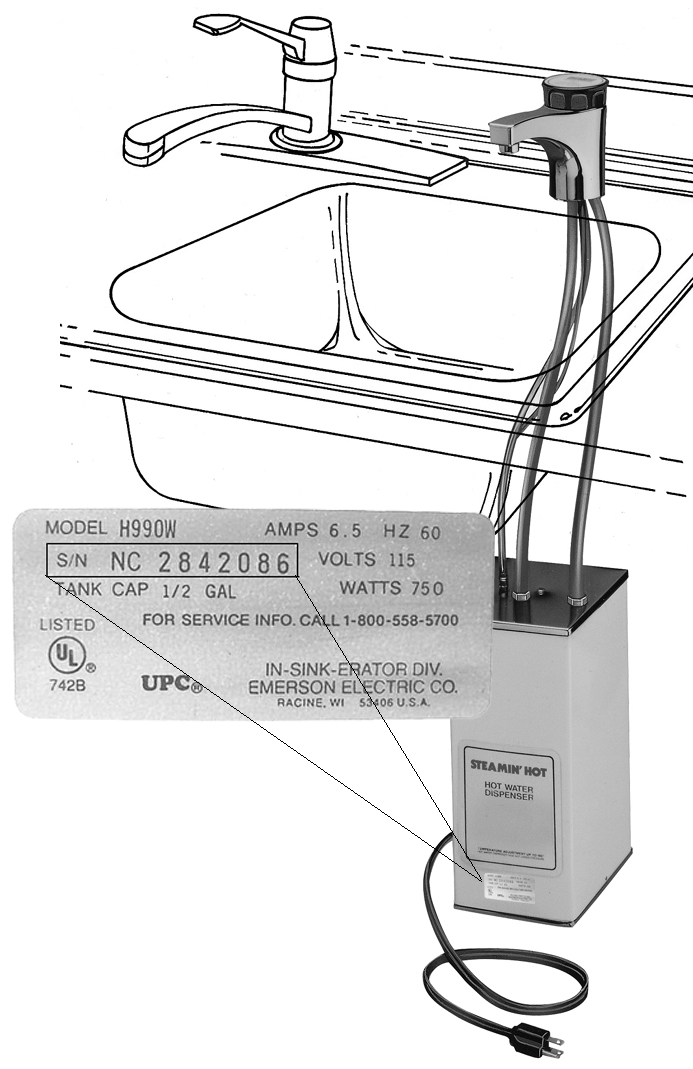
Loose connections often cause water to drip. Pipes or fittings may loosen over time. Tightening these parts can stop the leak quickly. Check under the sink where the dispenser connects to water lines.
Worn Out Seals
Seals keep water inside the system. Over time, seals can dry out or crack. This allows water to escape. Replacing old seals restores a tight, leak-free fit.
Cracked Reservoir
The reservoir holds hot water for the dispenser. Cracks or holes in the tank cause leaks. Damage may happen from wear or freezing temperatures. Replacing a cracked reservoir is necessary to stop leaks.
Faulty Faucet
The faucet controls water flow and can leak if damaged. Worn or broken faucet parts cause drips or sprays. Repairing or replacing the faucet fixes the problem.
Credit: www.cpsc.gov
Identifying Leak Sources
Finding the source of a leak in your Insinkerator hot water dispenser is the first step to fixing the problem. Leaks can come from different parts of the system. Checking each part carefully helps you spot where the water escapes. This saves time and prevents water damage under your sink.
Checking Under The Sink
Look under the sink for any water puddles or damp areas. Check around the dispenser tank and connections. Use a flashlight to see tight spots. Wet spots or corrosion show where the leak might be. Wipe dry and watch for new water after running the dispenser.
Inspecting The Faucet
Examine the faucet for drips or water around its base. Tighten any loose parts gently by hand. Check the faucet’s seals and cartridge for damage. A worn seal can cause slow leaks. Run the hot water and watch the faucet closely for any leaks.
Examining Water Lines
Trace the water lines from the dispenser to the faucet. Look for cracks, splits, or loose fittings. Gently squeeze the lines to find soft or swollen spots. Tighten all connections with a wrench, but don’t overtighten. Damaged lines need replacement to stop leaks.
Simple Fixes For Minor Leaks
Minor leaks from your Insinkerator hot water dispenser can be fixed easily. These small drips often happen at connection points. Fixing them early prevents bigger problems and saves water. The solutions below are simple and quick to do at home. No need to call a plumber right away.
Tightening Fittings
Loose fittings cause most leaks. Use a wrench to tighten the nuts around the dispenser. Turn them gently but firmly. Avoid overtightening to prevent damage. Check all visible connections for drips. Tightening fittings often stops leaks immediately.
Replacing Seals
Old or worn seals can cause leaks. Turn off the water supply and remove the dispenser parts carefully. Inspect the rubber seals or gaskets. Replace any that look cracked or broken. New seals create a better water-tight fit. This fix can stop leaks quickly and easily.
Using Plumber’s Tape
Plumber’s tape helps seal threaded connections. Wrap tape around the threads of pipes before screwing them in. Use enough tape to cover threads well but not too thick. This tape fills small gaps and prevents leaks. It is an affordable and effective way to fix minor drips.
When To Replace Parts
Knowing when to replace parts in your Insinkerator hot water dispenser helps avoid leaks and damage. Parts wear out over time and can cause problems if not changed. Catching issues early keeps your dispenser working well and safe to use.
Pay attention to signs of wear or damage. Some parts fail faster than others. Replacing parts at the right time saves money on bigger repairs later.
Reservoir Replacement Signs
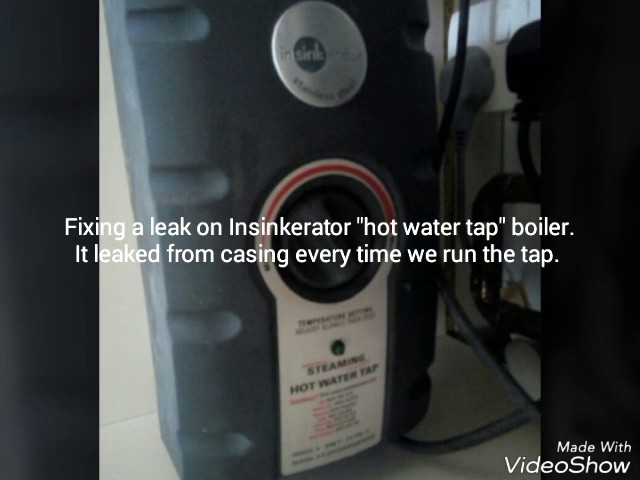
Look for water pooling under the dispenser. This often means the reservoir is cracked or leaking. Rust or discoloration inside the reservoir also shows it needs replacement. If hot water stops flowing or is inconsistent, the reservoir may be faulty. Strange noises from the tank can be another sign. Regular inspection prevents sudden failures.
Faucet Replacement Tips
Leaks at the faucet base suggest worn seals or cracks. Dripping taps waste water and hint at damage. If the lever feels loose or sticks, replace the faucet. Check for mineral buildup that blocks flow. Choose a faucet that fits your dispenser model and matches your sink style. Proper installation avoids leaks and loosening.
Choosing Compatible Parts
Use parts made for your Insinkerator model. Generic parts may not fit or last as long. Check the model number on your dispenser before buying. Look for parts with good reviews and warranty. Avoid cheap parts that wear out fast. Proper parts keep your dispenser safe and working smoothly.
Maintenance Tips To Prevent Leaks
Preventing leaks in your Insinkerator hot water dispenser starts with good maintenance. Small steps can stop big problems. Regular care keeps your system working smoothly and extends its life. Follow these simple tips to avoid leaks and costly repairs.
Regular Inspections
Check your hot water dispenser every few weeks. Look for water spots, drips, or rust around the unit. Tighten any loose parts using a wrench. Watch the connections under the sink. Catching small leaks early saves money and hassle.
Flushing The System
Flush the dispenser monthly to clear out mineral buildup. Turn off the power and water supply first. Open the faucet and let water flow for a few minutes. This clears out debris and keeps water flowing freely. It prevents blockages that cause leaks.
Avoiding Hard Water Damage
Hard water leaves minerals inside your dispenser. These minerals cause corrosion and leaks over time. Use a water softener or filter to reduce hardness. Clean the dispenser regularly to remove scale buildup. Protect your system from damage and leaks by controlling hard water effects.
Safety Precautions During Repairs
Repairing an Insinkerator hot water dispenser can be tricky. Safety comes first. Taking the right precautions protects you and your home. Follow these steps carefully before starting any repair work.
Turning Off Power And Water
Always turn off the power before repairing the dispenser. Unplug the device or switch off the circuit breaker. Next, shut off the water supply valve. This stops water flow and prevents leaks or floods. Double-check that power and water are off before proceeding.
Using Proper Tools
Use the correct tools for the job. Avoid makeshift tools that can slip or break. A wrench, screwdriver, and pliers often work well. Proper tools make repairs easier and safer. Keep tools within reach but away from water to avoid shocks.
Handling Hot Water Safely
Hot water can cause serious burns. Drain the tank to remove hot water before working. Wear gloves to protect your hands from heat. Let the dispenser cool down if recently used. Take your time to avoid accidents with hot parts.
When To Call A Professional
Knowing when to call a professional for your Insinkerator hot water dispenser leak can save time and money. Some problems need special tools and skills. Others might risk more damage if you try to fix them alone. Understanding the signs helps you decide the right step.
Complex Leak Issues
Leaks from hidden parts or inside the unit are hard to fix. Problems with the heating element or internal seals need expert care. A professional can find the exact source quickly. They prevent further damage by using the right tools.
Warranty Considerations
Many Insinkerator units have a warranty that covers repairs. Trying to fix leaks yourself may void this warranty. Professionals know how to handle repairs without losing coverage. Calling them keeps your warranty valid and protects your investment.
Cost Vs. Diy Repairs
Small leaks might seem easy to fix, but costs can add up. Wrong repairs can cause bigger problems and higher bills later. Professionals provide a clear cost estimate upfront. They save money by fixing leaks correctly the first time.
Credit: www.youtube.com
Credit: www.reddit.com
Frequently Asked Questions
Why Is My Insinkerator Hot Water Dispenser Leaking?
Leaks often come from loose connections or worn-out seals in the dispenser. Checking these parts usually helps find the problem quickly.
How Can I Fix A Leaking Insinkerator Hot Water Dispenser?
Tighten loose fittings or replace damaged seals to stop leaks. Turn off water supply before starting any repairs.
What Causes The Insinkerator Hot Water Dispenser Tank To Leak?
Tank leaks often happen due to cracks or corrosion over time. Replacing the tank may be necessary if damage is severe.
Can A Leaking Hot Water Dispenser Damage My Kitchen Cabinets?
Yes, water leaks can cause wood swelling, stains, and mold growth. It’s important to fix leaks promptly to avoid damage.
How Do I Prevent My Insinkerator Hot Water Dispenser From Leaking?
Regularly check for loose parts and replace old seals. Clean the dispenser to avoid buildup that can cause leaks.
Is It Safe To Use A Leaking Insinkerator Hot Water Dispenser?
Using a leaking dispenser can waste water and cause damage. It’s safer to repair leaks before continuing use.
When Should I Call A Professional For A Leaking Hot Water Dispenser?
Call a pro if leaks continue after basic fixes or if you’re unsure. Professionals can find hidden issues and ensure proper repair.
Conclusion
A leaking Insinkerator hot water dispenser can cause trouble fast. Fixing leaks early saves water and avoids damage. Check seals, connections, and the tank for issues. Simple steps often solve small leaks quickly. Don’t wait until the problem gets worse.
Regular care keeps your dispenser working well. Stay alert to any drips or puddles under the sink. Small fixes keep your kitchen safe and dry. Act now to protect your home and enjoy hot water without worry.