
Crafting a custom office chair involves repurposing existing structural components—typically a heavy-duty pneumatic base—and building a personalized seat assembly that prioritizes your unique spinal alignment and workspace dimensions. Building a chair from scratch requires a blend of woodworking or metal fabrication skills, an understanding of ergonomic geometry, and a focus on structural integrity to ensure the final product can safely support a human occupant during an eight-hour workday.
Key Takeaways

- Prioritize a heavy-duty hydraulic cylinder to ensure the chair can handle weight shifts without failing or losing height adjustment capabilities.
- Measure your desk height and leg room before finalizing the seat height to prevent future discomfort or restricted blood flow.
- Use high-density polyurethane foam for seat cushions, as cheaper alternatives will compress and lose support within a few months of daily use.
- Always integrate a stable five-point base to prevent the chair from tipping over when you lean back or reach for items.
- Ensure all fasteners, such as bolts and washers, are grade 5 or higher to prevent hardware fatigue in the mounting points.
How to Make Office Chairs
Making an office chair is a multi-stage process that begins with sourcing a reliable foundation. Most DIY enthusiasts choose to harvest a base from an existing, broken chair, as the pneumatic mechanism is difficult to manufacture from raw materials. You’ll need to construct a seat frame, pad it with high-quality materials, and attach a reliable backrest support system. The process demands precision in mechanical assembly to ensure that the seat remains level and the backrest provides firm lumbar support.
Sourcing Your Components
You don’t need to forge steel to build a chair, but you do need to select components that meet basic safety standards. Look for a steel or reinforced nylon base that’s rated for at least 250 pounds. The pneumatic cylinder is the most critical part; if it’s faulty, the chair will sink or become unstable.
You can often find refurbished or “new old stock” bases through industrial supply outlets. When shopping for casters, opt for rubberized wheels if you have hard floors, as these will prevent scratches and provide a quieter glide across your workspace.
| Component | Material Recommendation | Purpose |
|---|---|---|
| Base | Reinforced Nylon or Steel | Provides structural stability |
| Cylinder | Class 4 Gas Lift | Supports height adjustment |
| Seat Pan | Plywood or Steel Plate | Forms the foundation of the seat |
| Padding | High-Density Foam | Provides long-term comfort |
| Upholstery | Breathable Fabric or Leather | Ensures durability and airflow |
Essential Ergonomic Requirements
When designing the seat, you must adhere to the principles of human-centered engineering to prevent chronic pain. The seat depth should allow for two to three inches of space between the edge of the chair and the back of your knees.
If the seat is too deep, it will cut off circulation to your lower legs; if it’s too shallow, you’ll lack thigh support. Your lumbar support should be positioned to maintain the natural inward curve of your lower spine, which is vital for reducing strain during long periods of sitting ANSI/HFES 100-2007 Human Factors Engineering of Computer Workstations.
Measuring Your Workspace
Before you cut any wood or weld any metal, measure your desk height. A standard desk is usually 29 to 30 inches from the floor. Your chair seat should be adjustable so that your elbows sit at a 90-degree angle when your hands rest on the keyboard.
If you build a fixed-height chair, you risk creating a workspace that’s fundamentally incompatible with your body. Always account for the thickness of the foam padding in your final height calculations, as this can add two or more inches to the total profile.
Selecting Your Upholstery Materials
The surface of your chair takes the most abuse, so you need a material that’s both durable and comfortable. Heavy-duty upholstery fabric, often rated by “double rubs” in industrial testing, is far superior to standard craft store fabrics.
If you prefer leather, look for top-grain hides, as split leather can crack under the stress of daily use. For a modern look, consider breathable mesh panels, which are excellent for temperature regulation but require a taut frame construction to prevent sagging over time.
Can You Build a Wooden Chair?

Many people wonder if they can build an office chair using traditional woodworking techniques. The answer is yes, but you must be careful with the joinery. A chair is subjected to constant dynamic loads, meaning it’s pushed and pulled in different directions every time you shift your weight.
Use mortise-and-tenon joints for the frame to ensure maximum strength. Avoid relying on screws alone, as they can loosen over time due to the vibrations caused by moving the chair on casters. Always apply a high-quality wood glue to every joint to ensure the frame remains rigid for years.
Managing the Backrest Angle
The backrest is the most complex part of the assembly because it requires a pivot mechanism to be truly comfortable. If you want a fixed backrest, attach it at an angle of 100 to 110 degrees relative to the seat. This provides a natural, relaxed posture.
If you prefer a reclining backrest, you’ll need to purchase a tension-controlled mechanism from an office furniture supply shop. Trying to build a custom reclining spring system is rarely successful for DIYers and often leads to mechanical failure or pinching hazards.
Safety and Structural Integrity
Warning: Never attempt to disassemble a pressurized gas lift cylinder, as the internal pressure can cause serious injury if released improperly.
When mounting the seat pan to the base, ensure the center of gravity is aligned perfectly over the pneumatic cylinder. If the seat is mounted too far forward or backward, the chair will become unstable and prone to tipping. Use large steel washers on both sides of the seat pan to distribute the weight across the wood or metal surface. This prevents the bolts from pulling through the material, a common cause of catastrophic chair failure in DIY projects.
Tools You Will Need
Building a chair requires a specific set of tools to ensure accuracy. If you’re working with wood, a table saw is essential for creating perfectly square cuts. If you’re working with metal, an angle grinder and a MIG welder will be your primary tools. Regardless of the material, you’ll need a cordless impact driver to secure the heavy-duty bolts that hold the seat to the base.
- Measuring tape and carpenter’s square
- Power drill and assorted bits
- Clamps for holding parts during assembly
- Staple gun for attaching upholstery
- Wrench set for tightening mounting hardware
How Much Does It Cost?
The cost of building your own chair varies significantly based on the quality of the components you choose. You can build a basic, functional chair for as little as $120 to $200 by repurposing a base and using simple plywood.
If you choose high-end materials like memory foam, premium leather, and a professional-grade synchro-tilt mechanism, your costs can easily climb to $500 to $800. The primary expense is usually the mechanical base assembly, which accounts for roughly half of the total budget.
| Expense Category | Low Range | High Range |
|---|---|---|
| Base and Cylinder | $60 | $250 |
| Frame Materials | $30 | $150 |
| Foam and Padding | $20 | $100 |
| Upholstery Fabric | $10 | $200 |
| Hardware and Glue | $10 | $50 |
Finishing and Maintenance Tips
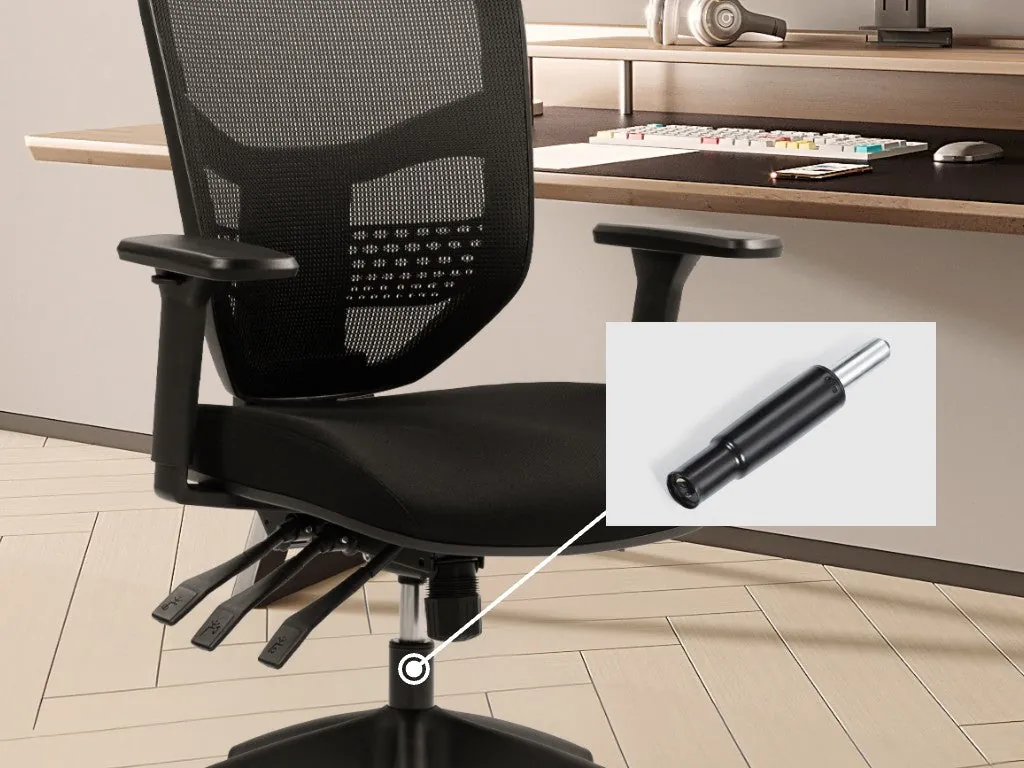
Pro Tip: Apply a light coat of silicone-based lubricant to the cylinder and casters every six months to ensure smooth, silent operation.
Once the chair is assembled, spend a day testing it in short intervals. Check for any wobbling or creaking, which indicates a loose connection. If the fabric feels loose, use a heat gun carefully to shrink synthetic materials for a tighter fit.
Regularly inspect the mounting bolts to ensure they haven’t vibrated loose. A well-built DIY chair should last as long as a commercial equivalent if you maintain the structural connections and keep the moving parts clean of dust and carpet fibers.
Related guides
Frequently Asked Questions
Is it cheaper to build or buy?
In most cases, it’s cheaper to buy a mass-produced office chair than to build one from scratch. When you factor in the cost of high-quality components, foam, and upholstery, you’ll likely spend more building a custom chair. However, building your own allows you to create a chair that fits your specific body dimensions and design preferences, which is often impossible with standard retail models.
What is the most important part?
The most important part of any office chair is the pneumatic gas lift cylinder. This component determines the height, the stability, and the overall lifespan of the chair. A cheap cylinder will fail quickly, causing the chair to sink or tilt. Always invest in a high-quality, weight-rated cylinder to ensure your chair remains safe and functional for years of daily use.
Can I add wheels to any chair?
You can add wheels to a chair, but it must have a five-point base to remain stable. Adding casters to a four-legged chair creates a high risk of tipping, which can lead to injury. Always use a dedicated office chair base designed for casters, as these bases are engineered to distribute weight and prevent the chair from rolling away unexpectedly when you sit down.
How do I fix a wobbly seat?
A wobbly seat is almost always caused by loose hardware or a worn-out mounting plate. Check all bolts connecting the seat pan to the base and tighten them using a wrench. If the wobble persists, the issue may be a bent mounting plate or a loose fit between the cylinder and the base. You may need to replace the mounting plate or use a shim to stabilize the connection.
What foam is best for seats?
High-density polyurethane foam is the industry standard for office chairs. It provides the necessary support to prevent you from “bottoming out” against the seat pan. Look for a density rating of at least 1.8 to 2.5 pounds per cubic foot. This ensures the foam retains its shape and elasticity over many years of heavy use, maintaining your comfort during long work sessions.
Conclusion
The process of building your own office chair is a rewarding project that yields a piece of furniture tailored to your exact physical requirements. Start by sourcing a high-quality base and a reliable hydraulic cylinder, then focus on creating a sturdy frame that supports proper posture. By following these steps and prioritizing structural integrity, you can create a workspace solution that enhances your daily comfort and productivity.