
If the frame1 is solid wood and. If the frame only the finish or is solid wood and only the finish or cushion is worn, fix it; if a joint is split or a leg wobbles past cushion is worn, fix it; if a joint is split or a leg w what glue can hold, buy new chairs.obbles past what glue can hold, The age of the chair decides your path buy new chairs. The age of the more than anything else. chair decides your path more than anything else A relatively new factory piece usually isn’t worth. A relatively new factory piece usually the labor you’ll isn’t worth the labor you’ll spend on it.
A handmade or white craft glue is solid hardwood chair from too weak for furniture joints that carry body an older set holds weight. Use yellow PVA wood its value through every glue, which d repair.
Checking theseries harder and resists moisture better. two facts first will For chairs that sit near heat vents or show you how to refurb get heavy use,ish dining chairs. polyurethane glue expands slightly to fill Look at the joints gaps in older, where the legs meet the seat looser joints. rail.
Should you fix or replace dining chairs
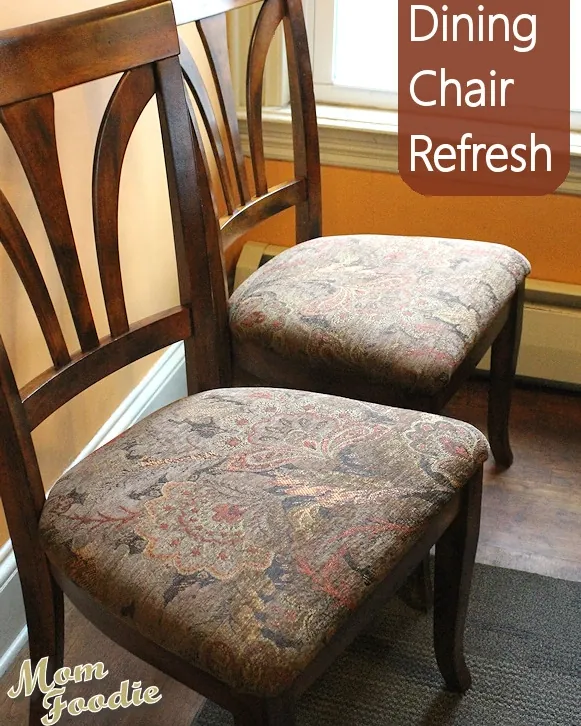
The choice comes down to what broke and what the chair is actually made of. Check the underside of the seat to see what you’re working with before you buy any supplies.
| If this is true | Repair | Replace |
|---|---|---|
| Frame is solid hardwood | Sand and refinish it | Too much good wood to throw away |
| Frame is particleboard or MDF | Material crumbles when you drill it | New chair costs less than fixing it |
| Only the cushion fabric is torn | Reupholster just the seat pad | Wastes money if the frame is fine |
| Joints are loose but wood is whole | Reglue and clamp overnight | Perfectly good frame going to waste |
| A leg is snapped clean off | Needs dowels and clamps most people don’t own | Factory chairs aren’t built for joint surgery |
| Chair is under manufacturer warranty | Opening it up voids your coverage | Let them handle it for free |
| Finish is scratched but not peeling | Rub out marks with fine steel wool | Throwing away a usable surface |
When to repair your dining chairs
Wood glue and fresh fabric solve the problems that show up on everyday kitchen chairs. A loose spindle, a squeaky joint, or a faded seat pad doesn’t need a new chair.
Reupholstering a drop-in seat is the fastest win you’ll find. You pull four screws, lift the wooden seat board out, wrap new fabric around it, and staple it tight. A yard of medium-weight upholstery fabric covers four standard seats. You’ll also need a staple gun and foam if the old padding has gone flat.
Sanding and restaining a scratched frame takes longer but saves hundreds. Strip the old finish with a chemical stripper rated for indoor use, working outside or in a garage with the door open. Sand through 120-grit to remove scratches, then 220-grit to smooth it for stain. This assumes a standard side chair; a wide armchair with carved details will take twice as long because you have to work around curves by hand.
Regluing a loose joint works if the old glue is cleaned out first. Don’t squeeze new glue into a gap full of dried residue. Scrape the joint clean with a small chisel or stiff brush. Apply fresh PVA wood glue, push the pieces together, and clamp them for 24 hours. Skip the clamp and the joint will fail again in a week. That’s where the second attempt costs you double the time and leaves visible glue stains on the wood.
This path isn’t for chairs made of pressed wood covered in a printed veneer. That material chips when you sand it and won’t hold a screw twice. If your fingernail catches on the edge of a chip and you see brown dust underneath, put the tools away.
When to replace your dining chairs
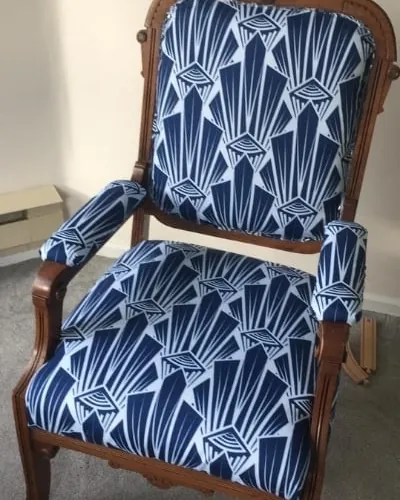
Paying to fix a cheap chair just delays buying a new one.
Chairs that have been reglued three times are telling you something.
Missing parts are another dead end. If a turned spindle is snapped and you can’t find a matching profile at a local millwork shop, the set is visually ruined. Custom turning one piece to match five others costs more than the original set did.
Peeling veneer that exposes raw substrate underneath means the chair is done. You can’t sand veneer without burning through it in seconds. Paint won’t stick to the crumbling edges.
Check the bottom of the chair rails. Black spots or soft wood indicate moisture damage. Wood rot spreads inside the frame where you can’t reach it. Stop working if you spot rot. Throw it out.
Hidden costs of redoing dining chairs
- Inspection fees: Some professional upholsterers charge a bench fee just to look at your frame before quoting the final job.
- Time without seating: Glue needs 24 hours to cure, and stain needs days to dry, leaving you short on chairs for meals.
- Stripping mistakes: Leaving chemical stripper on too long darkens certain woods like cherry, forcing you to sand deeper than planned.
- Disposal: Old foam cushions and chemically stripped rags can’t go in regular bins; check your local household hazardous waste guidelines to see where they belong.
- Setup time: Matching a new stain color to existing tables requires buying sample jars and testing them on scrap wood first.
- Second attempts: Rushing the sanding step leaves swirl marks that become glaringly obvious once the clear coat goes on.
Questions to ask before repairing dining chairs
Before you hand over money or start stripping finish yourself, get clear answers on what the job actually involves. Vague promises lead to extra charges later.
What exactly failed?
You need to know if it’s just loose glue or cracked wood. Glue is a quick fix; cracked rails mean replacing whole sections of the frame.
Is the frame solid wood or veneer?
Solid wood takes sandpaper and stain evenly. Veneer burns through in seconds if you use a power sander, ruining the piece entirely.
How long will I be without these seats?
Ask for the total turnaround time including drying days. A rushed glue job that hasn’t cured will fail the first time someone leans back.
Will the new finish match my table?
Stain colors change depending on the wood species underneath. Ask them to test the stain on a hidden spot first so you aren’t stuck with mismatched furniture.
Do you guarantee the joints?
A reputable shop stands behind their regluing work for at least a year. If they won’t put that in writing, find someone else.
If the chair frame is split down the middle or shows signs of active wood rot, this stops being a DIY project. Structural repairs require specialized clamps and woodworking knowledge that most home toolkits don’t cover. Take it to a licensed furniture restorer who handles structural failures daily.
Features to look for in replacement dining chairs
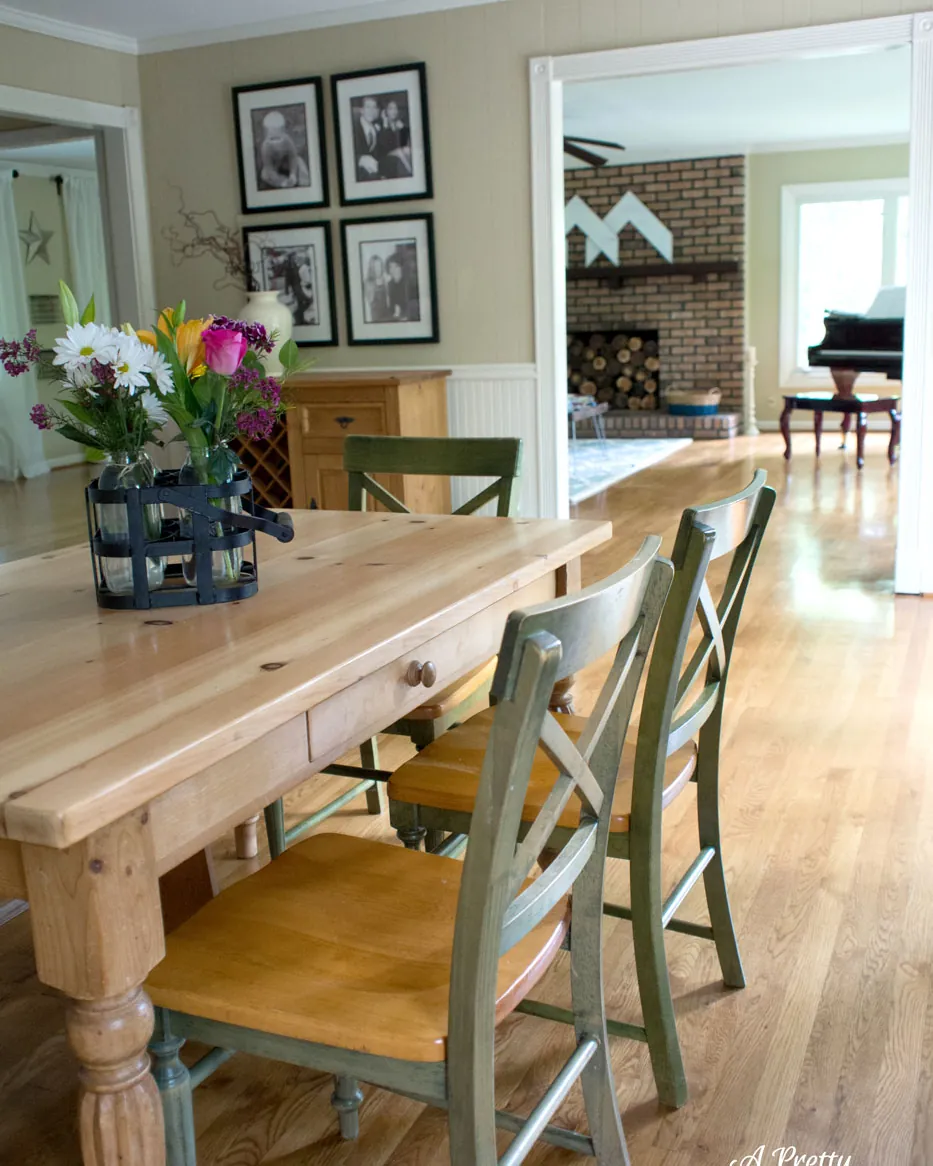
Buying new chairs doesn’t mean you’ll avoid the same problems in five years. The features that prevent early failure are hiding underneath the seat, not in the showroom finish.
Look for corner blocks first. These are small triangles of wood screwed and glued into the inside corners where the seat rails meet the legs. They distribute the weight of a person sitting down across a wider area instead of putting all the stress on a single dowel joint. Chairs without corner blocks loosen quickly.
Mortise-and-tenon joints last decades longer than dowels or staples. A tenon is a shaped tongue of wood that fits tightly into a carved hole, called a mortise, on the connecting piece. You can spot this by looking closely at where the back posts enter the seat frame. If you see round wooden pegs plugged into the surface, those are dowels. Dowels work fine for light use, but mortise-and-tenon construction handles daily family meals without squeaking.
Fabric matters just as much as the wood. A rub count measures how many times a fabric can be rubbed before it wears through. For a dining chair used twice a day, look for upholstery fabric rated above 15,000 double rubs. You’ll find this number on the fabric’s specification tag or the manufacturer’s official website. Skip fabrics without a published rating.
Drop-in seats save you future headaches. A seat that lifts out after removing four screws lets you re-cover the fabric yourself in twenty minutes. Fixed seats require dragging the entire chair to an upholsterer every time a spill ruins the cushion.
Frequently asked questions
Can you paint dining chairs instead of staining them?
Yes, paint covers flaws that stain would highlight. Use a bonding primer designed for slick surfaces first, or the paint peels off in sheets within months. Chalk paint grips bare wood easily but needs a wax topcoat to survive spilled drinks. Always sand glossy finishes lightly with 220-grit paper before priming so the new layer has something to grab onto.
Why do my dining chairs keep getting wobbly?
Loose joints happen because wood shrinks as humidity drops in winter. The old glue dries out and loses its grip on the shrinking wood fibers. You have to scrape the joint completely clean before applying fresh PVA wood glue and clamping it tight for a full day.
How long does it take to reupholster a dining seat?
Reupholstering a standard drop-in seat takes about 30 minutes per chair once you have your tools laid out. This assumes the wooden board underneath is in good shape and you’re using a manual staple gun. Removing the old fabric and rusted staples adds another 15 minutes per seat. Cutting the new fabric for six chairs at once speeds up the whole afternoon.
Is it safe to use chemical strippers indoors?
No, most liquid paint strippers release fumes that need heavy ventilation to breathe safely. Work outside or in a garage with the doors fully open. Citrus-based gel strippers smell better but still require airflow and protective gloves. Never use them near a gas water heater or pilot light, as the vapors from some solvents are highly flammable.
What happens if I skip sanding between coats?
Skipping the sanding step leaves a rough surface that the final clear coat magnifies. Dust nibs and raised wood grain stay locked under the finish permanently. Lightly running 320-grit sandpaper over the dried first coat knocks down those bumps in seconds. Wipe the dust away with a tack cloth before applying the next layer so it dries perfectly smooth.
Does the type of wood glue matter for chairs?
Minutes you have to Standard white craft glue clamp it. is too weak for furniture joints that carry body weight. Use yellow PVA wood glue, which dries harder and resists moisture better. For chairs that sit near heat vents or get heavy use, use a high-quality PVA wood glue and ensure the joint is tight-fitting, as polyurethane glue doesn’t provide the structural strength required for loose furniture joints.
How much fabric do I need for six dining chairs?
Two yards of 54-inch wide upholstery fabric covers six standard square drop-in seats comfortably. This assumes you cut the pieces efficiently and the fabric pattern doesn’t need to line up perfectly across every chair. If you choose a large floral print or plaid that requires pattern matching, buy three yards instead. Measure your actual seat board width before cutting anything.
Do I need special tools to fix a loose chair leg?
You need a bar clamp or pipe clamp to squeeze the joint tightly while the glue dries. Hand pressure alone isn’t enough to force the wood fibers together for a permanent bond. A rubber mallet helps tap the leg back into alignment before clamping.
Conclusion
Pick one chair from your set and flip it over today. Feel the joints, check the wood type, and decide if it needs glue or the curb. The rest of the set will follow whatever path that first one takes.