
You can maintain your furniture by cleaning dining room chairs with mild soap and water for most fabric or wood surfaces.
What you need to clean dining chairs
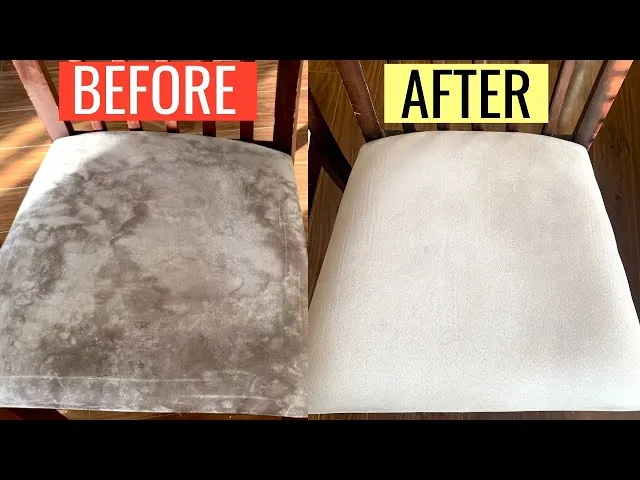
You need to gather these items before starting the work. Using the right tools protects the finish and ensures the fabric doesn’t retain moisture or odors.
| Item | How much | Why it’s needed | A substitute |
|---|---|---|---|
| Mild dish soap | 1 teaspoon | Removes oils and grime | none — don’t swap this |
| Warm water | 2 cups | Dilutes the soap | none — don’t swap this |
| Microfiber cloth | 2 cloths | Wipes surfaces clean | Clean cotton rag |
| Soft-bristle brush | 1 brush | Lifts dirt from fibers | Soft toothbrush |
| Vacuum cleaner | 1 machine | Removes loose debris | Handheld dust buster |
| Dry towel | 1 towel | Absorbs excess moisture | Clean old sheet |
Stick to clear, fragrance-free dish soap. Dyes or heavy perfumes often leave a tacky residue that attracts dust faster than the chair was dirty before. If you notice the soap suds turning dark gray, stop immediately. This indicates you’re pulling embedded dust into the weave rather than lifting it away.
Always use distilled water if your home has hard water. Minerals in tap water leave white, chalky streaks on wood finishes and dark fabrics once the moisture evaporates.
If you’re treating leather, skip the water entirely. Use a dedicated leather conditioner instead. Applying water to leather causes the material to stiffen and eventually crack as it dries.
Test your cleaning solution on an inconspicuous spot under the seat first. Wait ten minutes to ensure the fabric color doesn’t bleed or fade. If the area remains unchanged, proceed with the rest of the chair.
Preparing your dining area
- Move your chairs to a well-lit area with good airflow to ensure they dry quickly after cleaning.
- Vacuum the entire surface of each chair thoroughly, paying close attention to the seams and corners where crumbs collect.
- Clear the floor space around your workspace to prevent tripping while you move around the furniture.
- Test your cleaning solution on a small, hidden spot under the seat to ensure it doesn’t cause color bleeding.
- If your chairs have metal components, avoid getting water near the joints to prevent rust, as noted in the Environmental Protection Agency guide on indoor air quality.
Step-by-step cleaning process
- Mix 1 teaspoon of mild dish soap into 2 cups of warm water in a small bowl until bubbles form.
- Dip your microfiber cloth into the solution and wring it out until it’s just damp, not dripping wet.
- Gently wipe the fabric or wood surface in long, even strokes to lift surface dust and light stains.
- Use your soft-bristle brush to scrub stubborn spots by moving in a circular motion, applying very light pressure.
- Wipe the area with a second clean, dry microfiber cloth to remove any leftover soap residue immediately.
- Check that the surface is only slightly damp; if it feels soaked, blot it dry with a towel.
- Repeat this process for each chair, rinsing your cloth in the solution as it picks up dirt.
- Let the chairs air dry completely for at least 4 hours before anyone sits on them again.
Signs of a successful clean
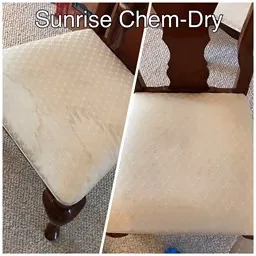
A successful cleaning leaves the fabric looking uniform and feeling soft to the touch once it dries. If you see dark patches or water rings, it means the chair stayed too wet during the process. You should be able to run your hand over the fabric without feeling any sticky residue from the soap.
If the chair still looks dull or feels stiff, it needs a second round of light wiping with a fresh, clean cloth dampened only with plain water. This second pass helps pull out any soap trapped deep in the fibers. Always wait until the furniture is 100% dry before testing the results, as damp fabric often appears darker than it will look when fully cured.
If you notice a musty smell after 24 hours, the padding inside likely stayed too wet, and you should use a fan to speed up the drying process. A simple way to check for deep moisture is to press a dry white paper towel firmly against the fabric. If the towel picks up any color or moisture, the internal foam is still saturated.
Most people make the mistake of using too much detergent, which acts as a magnet for dirt. If the fabric attracts dust quickly within a week of cleaning, you have left soap behind. In that case, rinse the area again with a mist of distilled water. If the fabric remains stiff after drying, you likely used a cleaner with a high pH level that altered the fiber structure.
Troubleshooting common cleaning issues
| What happened | Why | What to do |
|---|---|---|
| Water rings appear | Too much water | Blot with dry cloth |
| Soap residue remains | Too much soap | Wipe with damp cloth |
| Fabric stays dark | Still damp | Increase airflow nearby |
| Stains remain visible | Deep soil | Use professional cleaner |
| Wood looks dry | No polish used | Apply wood conditioner |
If you see white rings on wood, act within ten minutes. Delaying allows moisture to penetrate the finish, turning a surface wipe into a deep sanding project. Use a hairdryer on the lowest heat setting six inches away to evaporate trapped water before it sets.
When fabric feels stiff after cleaning, you likely used a heavy-handed soap-to-water ratio. If a damp cloth fails to lift the film, mix one part white vinegar with four parts water. This mild acid breaks down alkaline soap deposits that trap dirt.
If a stain persists, press a clean white paper towel against the spot for thirty seconds. If color transfers to the towel, the stain is still active. If the towel remains clean, the pigment has bonded to the fibers. Don’t apply more detergent here. Instead, switch to an enzyme-based spot treatment to digest the organic proteins that standard soaps ignore.
Frequency for chair care
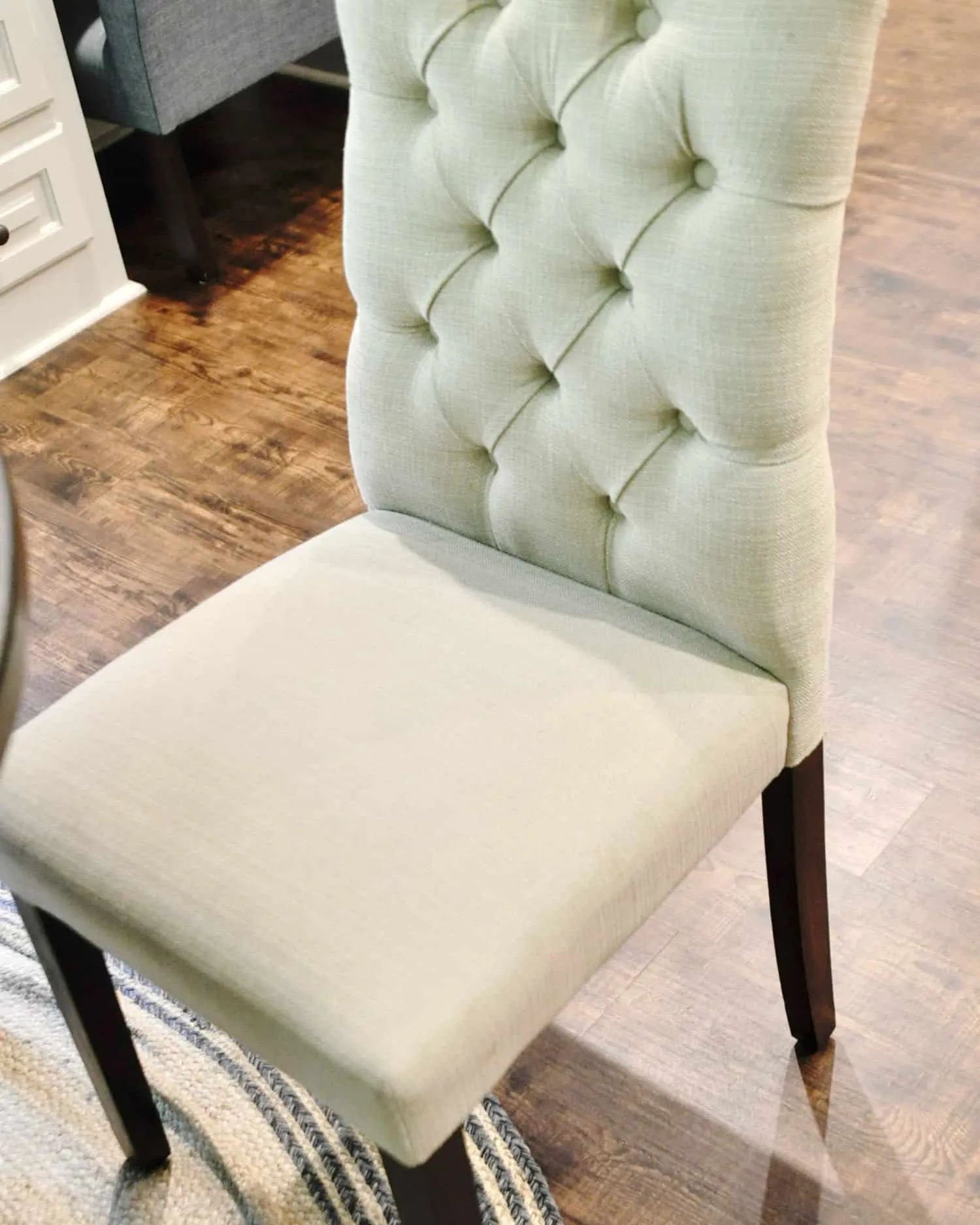
You should clean your dining chairs every three to six months for standard use. The interval changes based on two main factors: the frequency of daily use and the presence of children or pets in the home.
If your chairs see heavy daily traffic, you might need to spot-clean them every month. Dust settles into deep fibers fast when a seat is occupied twice a day.
Conversely, if the chairs are only used for special occasions, a biannual dusting and light wipe will keep them in good condition for years.
Always check the furniture manufacturer’s documentation for specific guidance on your model. Some delicate materials like silk or velvet require professional care regardless of how often they’re used.
Adjust your schedule based on the visible dust levels you observe during your weekly floor cleaning.
People often make the mistake of treating leather and fabric on the same calendar. That error dries out hides long before the upholstery actually needs attention.
Leather needs a conditioner applied every six months whether it looks dirty or not. Fabric waits until you see a change in color along the armrests.
Run your hand across the seat cushion once a week while you sweep the kitchen floor. If your palm picks up grit, the monthly mark has arrived early.
Chairs kept near a stove absorb cooking oil from the air. Grease traps dust against the weave and demands cleaning every eight weeks at most.
A chair pushed against a wall accumulates less debris than one pulled out for every meal. Match your effort to where the chair actually lives.
Frequently asked questions
Can I use a steam cleaner on my chairs?
You should avoid using a steam cleaner unless the manufacturer label explicitly says it’s safe for your specific fabric. High heat and moisture from steam machines can shrink fabric, damage wood glue, or warp the inner frame of the chair. Always verify the care code on the furniture tag before using any machine that injects water or heat into the upholstery.
How do I remove deep grease stains?
You can treat grease by sprinkling a small amount of cornstarch on the spot and letting it sit for 30 minutes to absorb the oil. After the time passes, gently brush the powder away with a soft brush and wipe the area with a cloth lightly dampened in a mixture of water and one drop of dish soap.
Is it safe to use vinegar for cleaning?
You should avoid using vinegar on wood or certain fabrics because the acid can strip finishes and damage natural fibers over time. Stick to the mild soap and water solution, as it provides a neutral pH that’s safe for most standard dining room materials. If you must use a stronger cleaner, test it on a hidden area first.
What happens if the wood gets wet?
You should dry the wood immediately with a clean, dry towel to prevent the finish from clouding or the wood from swelling. If water sits on wood for more than a few minutes, it can penetrate the protective layer and cause permanent white spots. Always keep your cleaning cloths wrung out well to prevent drips from reaching the legs.
How long does it take for chairs to dry?
You should allow at least 4 hours for the chairs to dry completely in a room with good air circulation. The exact time depends on the humidity levels in your home and the thickness of the fabric padding. If the room is cold or humid, it may take up to 8 hours for the moisture to evaporate fully from the deep cushions.
Does it matter if I use cold or warm water?
You should use warm water because it helps the soap molecules break down grease and surface oils more effectively than cold water. The warmth also helps the moisture evaporate slightly faster from the fabric after you finish wiping. Ensure the water is warm to the touch but not hot, as extreme heat can damage sensitive synthetic fibers or wood varnishes.
Conclusion
Regular maintenance prevents dirt from becoming permanent, so wipe down your chairs whenever you notice dust or crumbs. This simple habit keeps your dining area looking fresh and extends the life of your furniture without the need for harsh chemicals or expensive professional services.