
Owning a home is a significant achievement, bringing with it a sense of stability and pride. However, that same structure, while a source of comfort, is also a complex system susceptible to wear and tear. From the roof overhead to the foundation beneath, various components can develop issues over time, leading to potential headaches and significant expenses for homeowners.
Understanding these common house problems, their causes, and how to address them proactively is crucial for maintaining your property’s value and ensuring a safe, comfortable living environment.
This comprehensive guide will equip you with the knowledge to identify, manage, and prevent a wide array of issues that frequently affect homes. We’ll explore everything from minor annoyances to major structural concerns, providing practical advice and insights to help you become a more informed and prepared homeowner.
Key Takeaways
- Foundation issues can manifest as cracks, bowing walls, or uneven floors, often stemming from soil settlement, poor drainage, or hydrostatic pressure.
- Roofing problems like leaks, missing shingles, and damaged flashing are common and can lead to significant water damage within the home if not addressed promptly.
- Plumbing leaks are a frequent culprit for water damage, affecting pipes, fixtures, and appliances, and can lead to mold growth and structural rot.
- Electrical system faults, including flickering lights, tripped breakers, and outdated wiring, pose serious safety risks like fire hazards and require professional attention.
- HVAC system malfunctions can result in inconsistent temperatures, poor air quality, and increased energy bills, necessitating regular maintenance and timely repairs.
- Pest infestations, such as rodents, termites, and ants, can cause structural damage, contaminate food, and spread diseases, requiring immediate and effective eradication strategies.
- Mold and mildew thrive in damp environments and can negatively impact indoor air quality and occupant health, demanding thorough remediation and moisture control.
- Proactive maintenance and regular inspections are the most effective strategies for preventing most common house problems and extending the lifespan of your home’s systems.
Foundation And Structural Issues
The foundation is the bedrock of your home, literally and figuratively. Any compromise to its integrity can have cascading effects on the entire structure. Issues here are often the most serious and costly to repair.
Common Foundation Problems
- Cracks in the foundation: These can range from hairline fractures to wider gaps. They can be caused by concrete shrinkage during curing, soil settlement, or excessive pressure from surrounding soil. Horizontal cracks might indicate bowing walls, while vertical cracks often relate to settlement.
- Bowing or leaning walls: Particularly common in basement or crawl space walls, this is often a sign of significant hydrostatic pressure from saturated soil outside the foundation pushing inward. It can also be caused by soil expansion and contraction due to moisture changes.
- Uneven floors or sinking: If parts of your home feel like they are sinking or your floors are no longer level, it can indicate that the soil beneath the foundation has shifted or eroded, or that the foundation itself is failing.
- Sticking doors and windows: When the foundation shifts, it can warp the frame of the house, causing doors and windows to become misaligned and difficult to open or close.
Causes Of Foundation Problems
Several factors contribute to foundation distress:
- Soil Movement: The soil surrounding your foundation can expand and contract significantly with changes in moisture content. Clay soils are particularly prone to this. Droughts can cause soil to shrink, leading to settlement, while heavy rains can cause it to swell, exerting pressure.
- Poor Drainage: Inadequate grading around your home or clogged gutters can direct water towards the foundation. Over time, this constant saturation can weaken the soil and exert hydrostatic pressure.
- Hydrostatic Pressure: This is the pressure exerted by standing water. If water collects around your foundation, it pushes against the walls and floor, potentially causing cracks and bowing.
- Tree Roots: Large trees planted too close to the foundation can draw significant moisture from the soil, causing it to shrink and leading to settlement. Their roots can also physically push against foundation walls.
- Construction Defects: In some cases, issues can stem from inadequate soil compaction during construction or improper foundation design.
Addressing Foundation Problems
Early detection is key. If you notice any of the signs mentioned, it’s crucial to consult a foundation repair specialist or a structural engineer. They can diagnose the exact cause and recommend the appropriate solution, which might include:
- Crack Repair: For minor cracks, epoxy or polyurethane injections can seal them and prevent water intrusion.
- Sump Pumps and Drainage Systems: Installing or improving exterior drainage, grading the soil away from the house, and installing interior or exterior drain tile systems can alleviate hydrostatic pressure.
- Wall Anchors or Carbon Fiber Straps: These can be used to stabilize bowing walls by anchoring them to stable soil or reinforcing them.
- Piering: For significant settlement, underpinning the foundation with concrete piers or steel push piers can provide stable support.
Pro Tip: Regularly inspect your basement and crawl space for signs of moisture, efflorescence (white powdery deposits), or cracks. Ensure gutters are clean and downspouts extend well away from the foundation.

Credit: www.basichomeloan.com
Roofing And Water Intrusion Issues
Your roof is your home’s first line of defense against the elements. When it fails, water can find its way in, causing damage that can be extensive and costly.
Common Roofing Problems
- Leaky Roof: This is the most common and often most problematic issue. Leaks can originate from damaged shingles, flashing, or seals around vents and chimneys. They can manifest as visible water stains on ceilings or walls, or as hidden moisture causing rot and mold.
- Missing or Damaged Shingles: Wind, hail, or age can cause shingles to crack, curl, or blow off entirely, exposing the underlayment and decking to water.
- Damaged Flashing: Flashing is the metal material used around roof penetrations like chimneys, vents, and skylights to prevent water from seeping in. If it’s rusted, cracked, or improperly installed, it’s a prime spot for leaks.
- Clogged Gutters and Downspouts: While not directly part of the roof, clogged gutters prevent water from draining away, causing it to back up under shingles or overflow down the sides of the house, potentially damaging the fascia and soffits.
- Granule Loss: Asphalt shingles have protective granules that shield them from UV rays. As shingles age, these granules can wear away, especially noticeable in gutters. Excessive granule loss indicates the shingles are nearing the end of their lifespan.
Causes Of Roofing Problems
- Age and Wear: Most roofing materials have a finite lifespan. As they age, they become brittle, lose their protective qualities, and are more susceptible to damage.
- Weather: Extreme weather events like high winds, hailstorms, and heavy snow loads can cause significant damage to roofing systems.
- Poor Installation: Improperly installed shingles, flashing, or underlayment can lead to premature failure and leaks.
- Lack of Maintenance: Neglecting to clean gutters, trim overhanging branches, or inspect the roof regularly allows small issues to escalate.
- Foot Traffic: Walking on the roof, especially without proper care, can dislodge shingles or damage their surface.
Addressing Roofing Problems
- Regular Inspections: Homeowners should visually inspect their roof from the ground periodically and have a professional inspection every 1-2 years, or after severe weather.
- Prompt Repairs: Address any signs of leaks or damage immediately. Small leaks can quickly turn into major problems, leading to structural damage, mold, and electrical hazards.
- Gutter Maintenance: Clean gutters at least twice a year to ensure proper water flow.
- Professional Replacement: When a roof reaches the end of its lifespan (typically 15-30 years depending on material), it needs to be replaced.
Example: A homeowner in Florida noticed a small water stain on their living room ceiling after a heavy thunderstorm. They initially ignored it, thinking it was minor. Weeks later, during another storm, the stain grew larger, and water began dripping. Upon inspection, a roofing contractor found that a section of flashing around a vent pipe had corroded and failed, allowing water to saturate the attic insulation and begin to damage the drywall. The delay in repair resulted in a more extensive and costly remediation process.

Credit: www.drenergysaver.com
Plumbing And Water Damage Issues
Your home’s plumbing system is a network of pipes, fixtures, and appliances designed to deliver water and remove waste. Leaks or blockages in this system are incredibly common and can cause significant damage.
Common Plumbing Problems
- Leaky Pipes: This can occur in visible pipes under sinks or in basements, or within walls. Leaks can range from slow drips to significant bursts, often caused by corrosion, freezing, or high water pressure.
- Clogged Drains and Toilets: Accumulations of hair, grease, soap scum, and foreign objects can block drains. Clogged toilets can overflow, causing water damage.
- Low Water Pressure: This can be caused by leaks elsewhere in the system, mineral buildup in pipes, or issues with the main water supply.
- Running Toilets: A constantly running toilet wastes a significant amount of water and can be caused by a faulty flapper, fill valve, or float.
- Water Heater Issues: Leaks from the tank, faulty thermostats, or sediment buildup can cause the water heater to malfunction or fail, leading to potential water damage and lack of hot water.
- Sewer Line Backups: Blockages or damage to the main sewer line can cause sewage to back up into the home, a serious health hazard and extremely damaging.
Causes Of Plumbing Problems
- Age and Wear: Like other home systems, plumbing materials degrade over time. Older pipes, especially galvanized steel or lead, are prone to corrosion and leaks.
- Corrosion: Hard water or aggressive water chemistry can corrode metal pipes from the inside out, thinning them and making them susceptible to leaks.
- Freezing Pipes: In colder climates, uninsulated pipes in unheated areas can freeze and burst.
- Tree Roots: Roots seeking water can infiltrate and break underground sewer or water lines.
- Improper Installation or Use: Using drain cleaners excessively, flushing inappropriate items down toilets, or poorly soldered joints can lead to problems.
- High Water Pressure: Excessive pressure can stress pipes, fittings, and appliances, leading to leaks and premature failure.
Addressing Plumbing Problems
- Know Your Water Shut-Off Valve: Locate the main water shut-off valve for your house and know how to use it in case of an emergency.
- Address Leaks Immediately: Even small drips can lead to mold and rot. Call a plumber as soon as you detect a leak.
- Regular Maintenance: Have your plumbing system inspected periodically, especially if you have older pipes. Consider flushing your water heater annually to remove sediment.
- Use Drain Strainers: Employ strainers in sinks and showers to catch hair and debris, reducing the likelihood of clogs.
- Avoid Harsh Chemicals: Use natural drain cleaners or a plunger for clogs, and avoid harsh chemical drain cleaners that can damage pipes.
- Insulate Pipes: In cold climates, insulate pipes in unheated areas to prevent freezing.
Data Point: According to the Insurance Information Institute, water damage and freezing claims cost homeowners an average of $10,660 per incident in 2026. Many of these stem from plumbing issues.
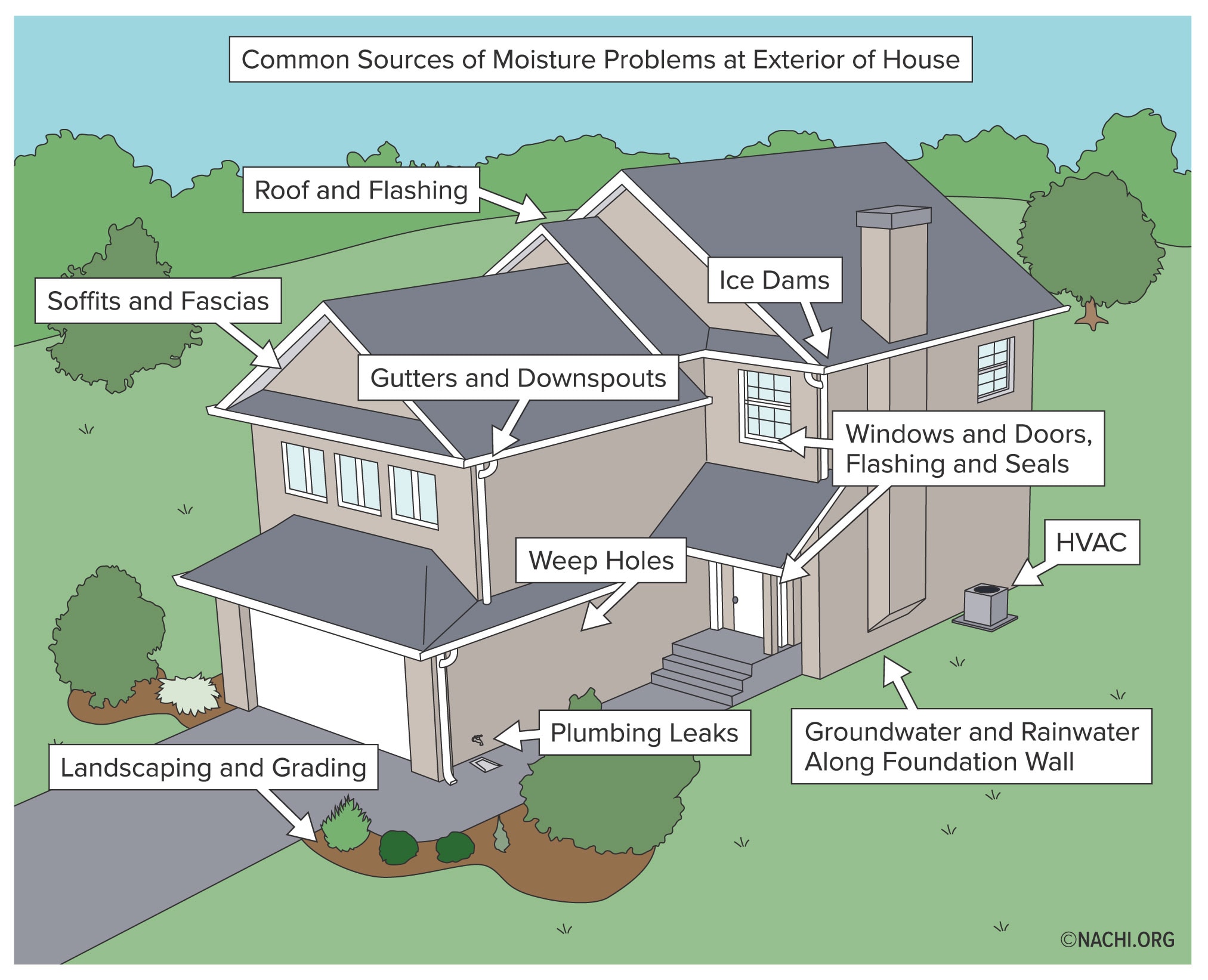
Credit: www.nachi.org
Electrical System Faults
The electrical system powers our modern lives, but faulty wiring, outdated components, or overloaded circuits can pose significant safety risks, including fires.
Common Electrical Problems
- Flickering or Dimming Lights: This can indicate a loose connection in a light fixture, switch, or outlet, or a more serious issue with the main service line or panel.
- Frequently Tripped Circuit Breakers or Blown Fuses: This usually means a circuit is overloaded (too many appliances drawing power) or there’s a short circuit somewhere in the wiring.
- Sparks or Buzzing Sounds: Any unusual sounds or visible sparks from outlets, switches, or appliances are a serious warning sign and require immediate attention.
- Discolored Outlets or Switches: Brown or black discoloration around outlets or switches suggests overheating, a potential fire hazard.
- Outdated Wiring: Homes built before the 1970s may have knob-and-tube wiring or aluminum wiring, both of which can be fire hazards and are not compatible with modern electrical demands.
- Lack of GFCI Outlets: Ground Fault Circuit Interrupter (GFCI) outlets are required in areas prone to moisture (kitchens, bathrooms, outdoors) to prevent electrical shock. Their absence is a safety concern.
Causes Of Electrical Problems
- Overloaded Circuits: Plugging too many high-wattage appliances into a single circuit can cause breakers to trip or, worse, overheat wiring.
- Aging Wiring: Insulation on wires degrades over time, becoming brittle and prone to cracking, leading to short circuits.
- Faulty Appliances or Fixtures: Damaged cords, internal component failures, or improper installation of appliances and light fixtures can cause problems.
- Rodent Damage: Pests can chew on wire insulation, exposing wires and creating fire or shock hazards.
- Improper DIY Work: Unqualified electrical work is a leading cause of electrical fires and shocks.
Addressing Electrical Problems
- Hire a Licensed Electrician: Never attempt complex electrical repairs yourself unless you are qualified. Always use a licensed and insured electrician for installations and repairs.
- Upgrade Your Electrical Panel: If you frequently trip breakers or have an older panel (e.g., fuse box), it’s likely time for an upgrade to a modern breaker panel.
- Install GFCI Outlets: Ensure all required areas have GFCI protection.
- Avoid Extension Cords as Permanent Solutions: Use extension cords sparingly and never run them under rugs or furniture where they can be damaged or overheat.
- Regular Inspections: Especially in older homes, have your electrical system inspected by an electrician every few years.
Warning: Electrical issues are a leading cause of house fires. Never ignore signs of trouble like flickering lights, sparks, or burning smells.
Hvac System Malfunctions
Your Heating, Ventilation, and Air Conditioning (HVAC) system keeps your home comfortable year-round. When it breaks down, it can lead to discomfort, poor air quality, and high energy bills.
Common Hvac Problems
- No Heating or Cooling: The most obvious sign of a problem, this can be due to a variety of issues from a tripped breaker to a failed compressor.
- Inconsistent Temperatures: Rooms being too hot or too cold, or the system struggling to reach the set temperature, can indicate problems with airflow, thermostat settings, or refrigerant levels.
- Poor Air Quality: Dust, allergens, or strange odors circulating through your vents suggest dirty filters, ductwork issues, or problems with the system itself.
- Strange Noises: Unusual sounds like banging, rattling, or squealing from the furnace or air conditioner can signal mechanical problems.
- High Energy Bills: A sudden increase in energy costs without a change in usage often points to an inefficient or malfunctioning HVAC system.
- System Cycling On/Off Frequently: Short cycling can strain the system and indicate issues with the thermostat, refrigerant levels, or airflow.
Causes Of Hvac Problems
- Lack of Maintenance: Dirty filters, clogged coils, and lack of lubrication are common culprits that reduce efficiency and lead to breakdowns.
- Refrigerant Leaks: Low refrigerant levels in air conditioning systems impair cooling ability and can damage the compressor.
- Thermostat Issues: A malfunctioning thermostat can lead to incorrect temperature readings or system operation.
- Electrical Problems: Faulty wiring, capacitors, or motors can prevent the system from starting or running correctly.
- Ductwork Leaks or Blockages: Leaky ducts lose conditioned air, reducing efficiency. Blockages from debris or collapsed sections impede airflow.
- Age: Like all mechanical systems, HVAC units have a limited lifespan and become less reliable as they age.
Addressing Hvac Problems
- Regular Professional Maintenance: Schedule annual check-ups for your furnace (fall) and air conditioner (spring) with a qualified HVAC technician.
- Change Air Filters Regularly: This is the single most important maintenance task homeowners can perform. Filters should typically be changed every 1-3 months, depending on the type and household conditions.
- Keep Outdoor Unit Clear: Ensure the outdoor condenser unit for your AC is free of debris, leaves, and obstructions to allow for proper airflow.
- Listen for Unusual Noises: Don’t ignore strange sounds. Have them checked out by a professional.
- Check Thermostat Settings: Ensure your thermostat is set correctly and batteries are fresh if applicable. Consider a programmable or smart thermostat for efficiency.
Data Point: According to the U.S. Department of Energy, using a programmable thermostat can save homeowners about 10% a year on heating and cooling costs by allowing you to set back the temperature when you’re asleep or away.
Pest Infestations
Pests are more than just a nuisance; they can cause structural damage, contaminate food, and even pose health risks.
Common Household Pests
- Termites: These wood-destroying insects can cause extensive structural damage before being detected. Signs include mud tubes, discarded wings, and hollow-sounding wood.
- Rodents (Rats and Mice): They can gnaw on wires (fire hazard), contaminate food, and spread diseases. Droppings, gnaw marks, and scratching sounds are common indicators.
- Ants: While some ants are harmless, others can infest kitchens, damage wood (carpenter ants), or deliver painful stings.
- Cockroaches: These pests are unsanitary, can trigger allergies and asthma, and reproduce rapidly.
- Bed Bugs: These biting insects are notoriously difficult to eradicate and can cause itchy welts and psychological distress.
- Mosquitoes and Flies: Primarily nuisances, they can also transmit diseases.
Causes Of Infestations
- Entry Points: Pests can enter homes through small cracks in foundations, gaps around windows and doors, or damaged screens.
- Food and Water Sources: Clutter, unsealed food containers, leaky pipes, and standing water attract pests.
- Shelter: Overgrown vegetation, woodpiles near the house, and clutter provide shelter and nesting sites.
- Warmth: During colder months, pests seek warmth indoors.
Addressing Pest Infestations
- Prevention is Key:
- Seal cracks and gaps in the foundation and exterior.
- Repair damaged screens and weatherstripping.
- Store food in airtight containers.
- Clean up spills and crumbs immediately.
- Manage trash properly.
- Trim trees and shrubs away from the house.
- Eliminate standing water.
- Identify the Pest: Correct identification is crucial for effective treatment.
- Professional Pest Control: For serious infestations (termites, rodents, bed bugs), it’s almost always best to call a licensed pest control professional. They have the expertise and tools to eradicate pests safely and effectively.
- DIY Treatments: For minor issues like occasional ants or spiders, targeted DIY treatments might be sufficient, but always follow product instructions carefully.
Case Study: A homeowner in a suburban neighborhood noticed small piles of sawdust-like material near their baseboards and window frames. They also found small, winged insects. Initially, they suspected ants, but a quick online search and closer inspection revealed the tell-tale signs of subterranean termites. Fearing extensive structural damage, they immediately contacted a pest control company. The professionals confirmed a termite infestation and treated the home, preventing further damage. The prompt action saved them from potentially thousands of dollars in repairs.
Mold And Mildew Growth
Mold and mildew are types of fungi that thrive in damp, humid environments. They can cause aesthetic damage and, more importantly, negatively impact indoor air quality and occupant health.
Common Areas For Mold Growth
- Bathrooms: Showers, tubs, sinks, and grout are prime spots due to high humidity.
- Kitchens: Under sinks, around dishwashers, and refrigerators where leaks or condensation can occur.
- Basements and Crawl Spaces: These areas are often damp and poorly ventilated.
- Attics: Leaky roofs or poor ventilation can create moisture issues.
- Areas with Water Damage: Any area affected by leaks or flooding is susceptible.
- Window Sills and Frames: Condensation can lead to mold growth.
Causes Of Mold And Mildew
- Excess Moisture: This is the primary cause. It can come from:
- Leaks (roof, pipes, appliances)
- High humidity
- Condensation
- Flooding or water intrusion
- Poor ventilation
- Lack of Sunlight: Mold prefers dark, undisturbed areas.
- Organic Materials: Mold feeds on organic materials like wood, paper, fabric, and dust.
Addressing Mold And Mildew
- Control Moisture: This is the most critical step.
- Fix leaks promptly.
- Improve ventilation (use exhaust fans in bathrooms and kitchens).
- Use dehumidifiers in damp areas like basements.
- Ensure proper grading around the foundation to direct water away.
- Vent clothes dryers to the outside.
- Clean Small Areas: For small patches of mold (less than 10 square feet), you can often clean them yourself using a solution of water and detergent, or a mild bleach solution (1 cup bleach per gallon of water, never mix bleach with ammonia). Wear gloves, eye protection, and a mask.
*