
The sudden appearance of condensation on the inside of your windows can be a puzzling and frustrating phenomenon. It’s more than just an aesthetic nuisance; it’s often a clear indicator that something is amiss with your home’s environment, potentially leading to more significant issues like mold growth, rot, and compromised indoor air quality. Understanding the root causes of this moisture buildup is the first step toward reclaiming a dry, healthy, and comfortable living space.
This pervasive moisture isn’t just water vapor collecting randomly. It’s a direct result of the dew point, the temperature at which air becomes saturated with water vapor and begins to condense into liquid. When warm, moist indoor air comes into contact with a cold surface, like a windowpane in winter, that air cools rapidly. As it cools, its ability to hold moisture diminishes, forcing the excess water vapor to change state from a gas to a liquid, forming those familiar droplets. Addressing window condensation effectively requires a holistic approach, looking at both the source of indoor moisture and the factors contributing to cold surfaces.
Key Takeaways
- Window condensation is caused by warm, moist indoor air contacting cold window surfaces, reaching the dew point and turning into liquid water.
- High indoor humidity is a primary driver, often stemming from daily activities like cooking, showering, and even breathing.
- Poor insulation and inefficient windows allow interior surfaces to become cold enough for condensation to form.
- Solutions involve reducing indoor humidity (ventilation, dehumidifiers) and improving window performance (sealing, upgrades).
- Persistent condensation can lead to serious problems like mold, mildew, rot, and damage to window frames and walls.
- Monitoring indoor humidity levels with a hygrometer is crucial for effective management.

Credit: www.reddit.com
Understanding The Science Behind Window Condensation
At its core, window condensation is a battle between temperature and humidity. Our homes are typically warmer and more humid than the outside air, especially during colder months. This temperature difference is the primary catalyst. When the indoor air, laden with moisture from everyday activities, encounters the cooler glass surface of a window, the magic (or rather, the physics) of condensation takes over.
The Role Of Indoor Humidity
The amount of water vapor present in your indoor air is a critical factor. The average person exhales a significant amount of moisture daily, and this is amplified by other household activities. Consider these common sources:
- Cooking: Boiling water, steaming vegetables, and even simmering sauces release substantial amounts of steam. A busy kitchen can significantly increase humidity levels.
- Showering and Bathing: Hot showers and baths generate large volumes of steam that can linger in the air.
- Drying Clothes Indoors: Hanging wet laundry to dry inside a home, especially without adequate ventilation, is a major contributor to high indoor humidity.
- Houseplants: Plants release moisture through transpiration, a process that can add to the overall humidity, particularly in rooms with many plants.
- Aquariums and Terrariums: Open water surfaces in decorative tanks contribute to evaporation.
- Human Respiration: Every person and pet in the home contributes to the moisture in the air simply by breathing.
The U.S. Environmental Protection Agency (EPA) recommends maintaining indoor humidity levels between 30% and 50% to prevent mold growth and other moisture-related problems. Exceeding this range significantly increases the likelihood of condensation forming on cooler surfaces. A simple device called a hygrometer can measure your home’s relative humidity, providing valuable data for managing this issue.
The Impact Of Cold Surfaces
The second crucial element is the temperature of the window surface. In colder climates, exterior walls and windows are naturally colder than interior surfaces. If your windows are single-paned, poorly sealed, or have damaged frames, they offer little resistance to the cold outside air. This allows the interior glass surface to drop to a temperature at or below the dew point of your indoor air.
- Single-Pane Windows: These offer minimal insulation and are highly susceptible to becoming cold on the interior surface during winter.
- Old or Deteriorated Seals: Gaps or cracks in the window frame or around the glass allow cold air to infiltrate and warm interior surfaces to become colder.
- Poorly Insulated Walls: If the walls surrounding your windows lack adequate insulation, they can also contribute to colder window surfaces.
- Window Placement: Windows facing north or those in areas with prolonged shade can remain colder for longer periods.
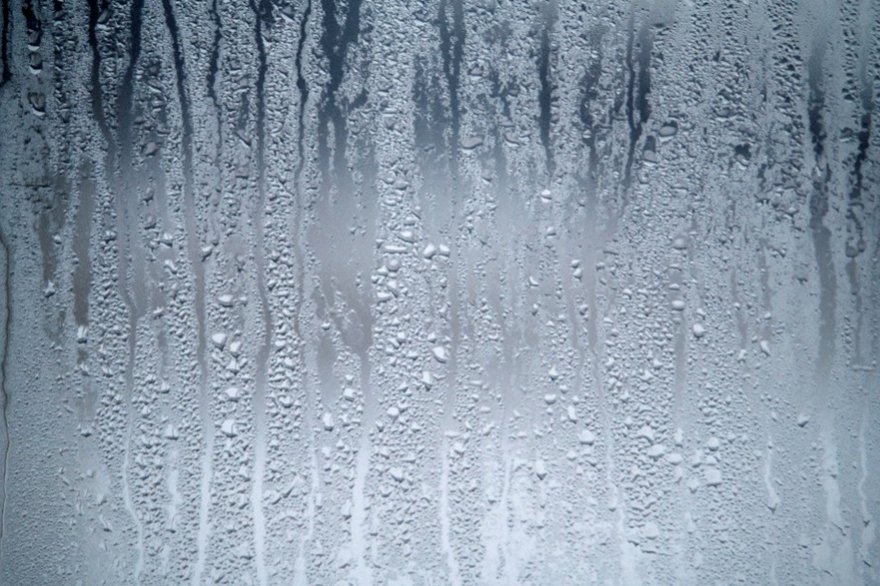
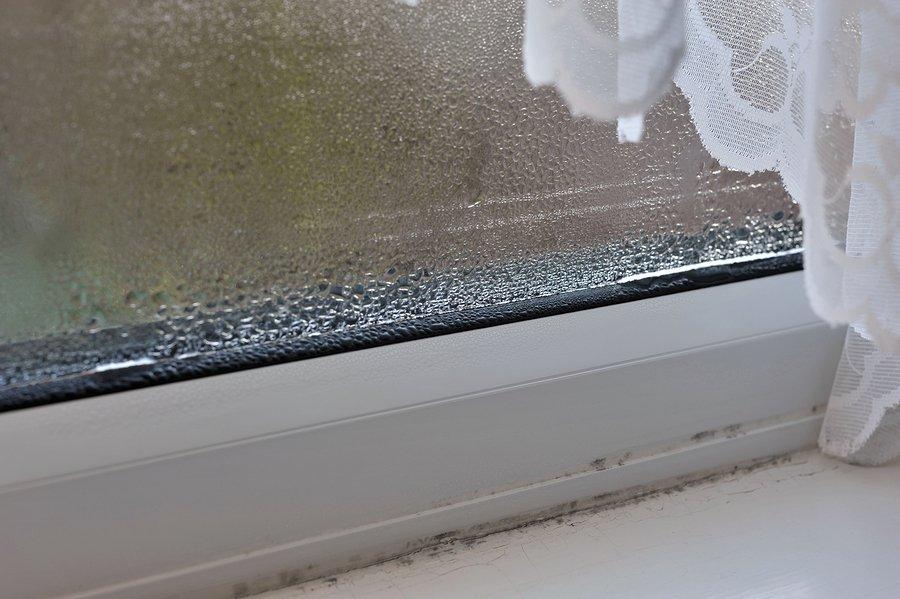
When warm, humid air from inside your home comes into contact with these cold surfaces, the air immediately adjacent to the glass cools down. As it cools, its relative humidity increases. Once it reaches the dew point temperature, the water vapor in the air condenses into liquid water droplets on the glass. This is why you often see condensation forming more heavily on the bottom edges or lower portions of the window, where the coldest air tends to settle.
Credit: www.pella.com
Identifying The Sources Of Indoor Moisture
To effectively combat window condensation, you must first identify and mitigate the sources of excess moisture within your home. This requires a keen observation of your daily routines and household features. Addressing these sources directly is often the most cost-effective and sustainable solution.
Daily Activities And Their Moisture Footprint
As mentioned earlier, everyday activities are significant contributors to indoor humidity. Let’s break down how to manage the moisture they produce:
- Cooking:
- Action: Always use exhaust fans when cooking, especially when boiling or frying. Ensure your range hood vents *outdoors*, not just recirculates air. Cover pots and pans to reduce steam release.
- Data Point: Boiling a pot of water can release approximately 1 liter (about 1 quart) of water vapor into the air per hour.
- Showering and Bathing:
- Action: Run your bathroom exhaust fan during and for at least 15-20 minutes after showering or bathing. If you don’t have an exhaust fan, open a window slightly during and after to allow moist air to escape. Consider shorter, cooler showers.
- Drying Clothes:
- Action: Whenever possible, dry laundry outdoors. If indoor drying is unavoidable, use a well-ventilated area, preferably with a dehumidifier running, or ensure a window is cracked open. Ensure your clothes dryer is properly vented to the exterior, and check the vent hose for leaks or blockages.
- Example: A single load of laundry can release up to 2 liters (about 2 quarts) of water into the air as it dries indoors.
- Breathing and Respiration:
- Action: While you can’t stop breathing, ensuring adequate overall ventilation in your home helps to dilute the moisture produced by occupants and pets. This is particularly important in bedrooms overnight.
Household Features Contributing To Humidity
Beyond active daily tasks, certain features of your home can passively increase indoor moisture levels:
- Houseplants:
- Action: Group plants together to create a microclimate, or consider placing them in a dedicated sunroom or area with good ventilation. Avoid overwatering, and ensure pots have good drainage.
- Aquariums and Water Features:
- Action: Cover aquariums or other decorative water features to minimize evaporation.
- Basements and Crawl Spaces:
- Action: These areas are prone to moisture issues. Ensure they are properly waterproofed and consider using a dehumidifier in damp basements or crawl spaces. Check for and repair any leaks in plumbing within these areas.
- Unvented Appliances:
- Action: Avoid using unvented space heaters or other appliances that release combustion byproducts and moisture directly into the indoor air. Ensure all fuel-burning appliances are properly vented to the outside.
By systematically identifying and addressing these moisture sources, you can significantly reduce the overall relative humidity in your home, making it less likely for condensation to form on your windows.
Credit: www.ecolinewindows.ca
Strategies For Reducing Indoor Humidity
Once you’ve identified the sources of excess moisture, the next step is to implement strategies to actively reduce it. This often involves a combination of ventilation, dehumidification, and behavioral changes.
Enhancing Ventilation
Ventilation is the process of exchanging stale indoor air with fresh outdoor air. This is crucial for removing excess moisture and pollutants.
- Mechanical Ventilation:
- Action: Utilize exhaust fans in bathrooms and kitchens consistently. Ensure they are properly installed and vented to the exterior. Consider installing a whole-house ventilation system, such as an Energy Recovery Ventilator (ERV) or Heat Recovery Ventilator (HRV), which can exchange air while minimizing heat loss.
- Pro Tip: Set exhaust fans on timers or humidity sensors for automatic operation.
- Natural Ventilation:
- Action: Open windows and doors periodically, especially during drier weather, to allow for air exchange. Even a few minutes can make a difference. Cross-ventilation, achieved by opening windows on opposite sides of the house, is particularly effective.
- Attic and Crawl Space Ventilation:
- Action: Ensure your attic and crawl spaces are adequately ventilated according to local building codes. This helps prevent moisture buildup in these often-overlooked areas, which can contribute to overall home humidity.
Utilizing Dehumidifiers
For persistent humidity problems, a dehumidifier can be an invaluable tool. These appliances work by drawing in moist air, cooling it to condense the water vapor, and then releasing drier air back into the room.
- Types of Dehumidifiers:
- Portable Dehumidifiers: Suitable for individual rooms or smaller areas. They collect water in a tank that needs to be emptied regularly, or can be connected to a drain hose.
- Whole-House Dehumidifiers: Integrated into your HVAC system, these treat the air for the entire home, offering a more convenient and comprehensive solution.
- Choosing the Right Size: Dehumidifier capacity is measured in pints of water removed per day. The size needed depends on the square footage of your space and the severity of the humidity problem.
- Maintenance: Regularly clean the filter and empty the water tank (or check the drain hose connection) to ensure efficient operation.
Behavioral Adjustments
Simple changes in daily habits can also contribute significantly to lowering indoor humidity:
- Covering Pots and Pans: As mentioned, this reduces the amount of steam released during cooking.
- Drying Clothes Outdoors: Prioritize outdoor drying whenever feasible.
- Shorter, Cooler Showers: Reducing the temperature and duration of showers minimizes steam production.
- Wiping Down Surfaces: After showering or cooking, quickly wipe down condensation from shower doors, walls, and countertops to prevent it from re-evaporating into the air.
By actively implementing these humidity-reduction strategies, you create an indoor environment less conducive to condensation formation.
Improving Window Insulation And Sealing
While reducing indoor humidity is crucial, addressing the cold surfaces themselves is equally important. This involves improving the insulating properties of your windows and ensuring they are properly sealed against air leaks.
Understanding Window R-value And U-factor
These metrics help quantify a window’s ability to resist heat flow:
- R-Value: Measures resistance to heat flow. A higher R-value indicates better insulation.
- U-Factor: Measures how well a window conducts heat. A lower U-factor indicates better insulation. For cold climates, a U-factor of 0.30 or lower is generally recommended.
Sealing Air Leaks
Even the most energy-efficient windows can be rendered ineffective if air is leaking around them.
- Identifying Leaks:
- Action: On a windy day, carefully run your hand around the window frame (inside and out) to feel for drafts. You can also use an incense stick or a thin piece of tissue paper; if it flutters, you have a leak.
- Sealing Methods:
- Caulking: Use a high-quality exterior caulk to seal gaps between the window frame and the exterior wall. Interior gaps can be sealed with paintable acrylic latex caulk.
- Weatherstripping: Apply self-adhesive foam or rubber weatherstripping around the moving parts of the window sash (where the opening part meets the frame) to create a tighter seal when closed.
- Gaskets: Ensure any existing gaskets around the glass are intact and not cracked or brittle. Replace them if necessary.
Enhancing Window Insulation
If sealing isn’t enough, you may need to improve the inherent insulating qualities of your windows.
- Adding Storm Windows:
- Action: Exterior or interior storm windows add an extra layer of glass and an air gap, significantly improving insulation and reducing drafts. They are a more affordable alternative to full window replacement.
- Applying Window Insulation Film:
- Action: This clear plastic film is applied to the inside of the window frame using double-sided tape and then shrunk taut with a hairdryer. It creates an insulating air gap between the film and the glass, similar to a temporary double-pane effect.
- Data Point: Window insulation film can improve a window’s R-value by up to 1.5, reducing heat loss by up to 50%.
- Using Insulated Curtains or Blinds:
- Action: Heavy, insulated curtains or cellular blinds can provide an additional layer of insulation. Ensure they fit snugly against the window frame and wall to trap air effectively. Keep them open during the day to allow sunlight to warm the glass.
- Replacing Old Windows:
- Action: For significantly older or damaged windows, replacement with modern, energy-efficient units is the most effective long-term solution. Look for double- or triple-paned windows with low-E coatings and gas fills (like argon or krypton) for optimal performance.
- Comparison Table: Window Types and Performance
| Window Type | Typical U-Factor | R-Value (Approx.) | Condensation Resistance | Cost (Relative) |
|---|---|---|---|---|
| Single-Pane (Clear) | 1.0 – 1.2 | 0.8 – 1.0 | Poor | $ |
| Double-Pane (Clear) | 0.4 – 0.6 | 1.7 – 2.5 | Moderate | $$ |
| Double-Pane (Low-E, Gas) | 0.25 – 0.4 | 2.5 – 4.0 | Good | $$$ |
| Triple-Pane (Low-E, Gas) | 0.15 – 0.25 | 4.0 – 6.7 | Excellent | $$$$ |
*Note: U-factor and R-value can vary significantly based on specific coatings, gas fills, frame materials, and installation quality.*
Investing in better window insulation and sealing not only combats condensation but also reduces your heating bills and improves overall home comfort.
Advanced Solutions And Maintenance
Beyond the fundamental strategies of humidity control and window sealing, several advanced solutions and consistent maintenance practices can further tackle stubborn window condensation issues. These often involve deeper investigations into your home’s systems and a commitment to ongoing upkeep.
Addressing Hvac System Performance
Your heating, ventilation, and air conditioning (HVAC) system plays a vital role in managing indoor air quality and humidity.
- Filter Maintenance:
- Action: Regularly clean or replace your HVAC filters (typically every 1-3 months). Dirty filters restrict airflow, making the system work harder and potentially impacting its ability to control humidity effectively.
- Humidifier/Dehumidifier Integration:
- Action: If you have a whole-house humidifier or dehumidifier integrated with your HVAC system, ensure it is functioning correctly and set appropriately. Professional servicing annually is recommended.
- Airflow and Balancing:
- Action: Inadequate or unbalanced airflow can lead to areas in your home with higher humidity. Consider having an HVAC professional assess your system’s airflow and perform balancing if necessary.
- Temperature Settings:
- Action: While keeping your home warm is desirable, excessively high thermostat settings in winter can exacerbate condensation issues by increasing the amount of moisture the air can hold. Maintaining a consistent, moderate temperature is often best.
Exploring Vapor Barriers And Insulation Upgrades
In some cases, the problem might stem from moisture migrating from outside or from unconditioned spaces into your wall cavities and then reaching the window assembly.
- Vapor Barriers:
- Action: In colder climates, a vapor barrier (typically a plastic sheeting installed on the warm-in-winter side of the insulation) is crucial in walls and ceilings to prevent indoor moisture from penetrating wall cavities and condensing on cold surfaces within the structure. Ensure existing vapor barriers are intact and properly installed. Consult building codes and professionals for proper installation.
- Wall and Attic Insulation:
- Action: Insufficient insulation in walls or attics can lead to colder interior surfaces, including the areas around windows. Upgrading insulation levels can significantly improve thermal performance and reduce condensation risk. The U.S. Department of Energy provides comprehensive guidance on home insulation.
Regular Inspection And Cleaning
Consistent monitoring and maintenance are key to preventing condensation from becoming a major problem.
- Routine Checks:
- Action: Make it a habit to visually inspect your windows for any signs of condensation, especially during colder months. Pay attention to the frequency and severity.
- Cleaning Window Surfaces:
- Action: Regularly clean your windows, including the sills and frames. This removes dust and grime that can trap moisture and potentially encourage mold growth. Use a mild cleaning solution and dry thoroughly.
- Addressing Early Signs:
- Action: If you notice even small amounts of condensation, take immediate steps to increase ventilation or reduce humidity. Addressing it early prevents it from escalating and causing damage.
- Mold Prevention:
- Action: If condensation has been an ongoing issue, inspect window frames, sills, and surrounding walls for any signs of mold or mildew. Clean affected areas with appropriate solutions (e.g., a diluted bleach or vinegar solution, depending on the surface) and ensure the area is thoroughly dried. For extensive mold, consult professional remediation services.
By integrating these advanced solutions and committing to regular maintenance, you can create a robust defense against window condensation and maintain a healthier home environment.
When To Call A Professional
While many window condensation issues can be resolved with DIY methods, there are times when professional expertise is necessary. Recognizing these situations can save you time, money, and prevent further damage.
Persistent And Severe Condensation
If you’ve tried various humidity control and sealing methods, but condensation continues to be a significant problem, it’s time to seek professional help. This could indicate underlying issues that are not easily diagnosed or fixed without specialized knowledge.
- Examples:
- Condensation appearing on double- or triple-paned windows between the glass panes indicates a seal failure. This requires professional repair or replacement of the insulated glass unit (IGU).
- Extensive moisture leading to visible mold growth on walls, ceilings, or window frames requires professional mold remediation to ensure it’s removed safely and effectively.
- If you suspect major air leaks within your wall structure or issues with your home’s vapor barrier, a building envelope specialist or experienced contractor can diagnose and address these complex problems.
Suspected Building Envelope Issues
Window condensation can sometimes be a symptom of broader problems with your home’s construction or energy efficiency.
- Action: A home energy auditor can perform a comprehensive assessment of your home’s insulation, air sealing, and HVAC system. They use tools like blower doors and infrared cameras to pinpoint areas of air leakage and thermal bridging that might be contributing to condensation. This detailed report can guide targeted repairs.
Hvac System Malfunctions
An improperly functioning HVAC system can significantly impact indoor humidity levels.
- Action: If your air conditioner isn’t effectively dehumidifying the air, or if your furnace is distributing overly dry or moist air, an HVAC technician should be consulted. They can diagnose issues with refrigerant levels, airflow, ductwork, or the humidifier/dehumidifier components of your system.
When In Doubt, Consult An Expert
It’s always wise to consult professionals for significant issues, especially those involving structural integrity, mold, or complex mechanical systems. They have the tools, experience, and knowledge to diagnose the root cause accurately and recommend the most effective solutions, ensuring your home remains a healthy and comfortable living space.
Frequently Asked Questions
Why Is Condensation Forming On My Windows Only In Winter?
Condensation primarily occurs in winter because of the significant temperature difference between the warm, moist indoor air and the cold exterior window surfaces. During warmer months, exterior windows tend to be closer to indoor temperatures, and the air can hold more moisture without reaching its dew point.
Is Window Condensation Harmful?
Yes, persistent window condensation can be harmful. The moisture can promote the growth of mold and mildew, which can trigger allergies and respiratory problems. It can also damage window frames, sills, and surrounding paint or drywall through rot and water damage over time.
How Can I Quickly Reduce Humidity In A Room?
The quickest ways to reduce humidity in a specific room are to open windows to vent moist air outside (if weather permits), use a portable dehumidifier, or run an exhaust fan if available (like in a bathroom).