
Are you worried that salt might be harming your PVC pipes? It’s a common concern, especially if you use salt near plumbing or live in areas where salt is part of daily life.
You might be wondering if salt can cause cracks, leaks, or weaken your pipes over time. Understanding how salt interacts with PVC can save you time and money on repairs. Keep reading to find out the truth about salt and PVC pipes—and learn how to protect your plumbing from damage.
Credit: www.wmhendersoninc.com
How Pvc Pipes Work
PVC pipes carry water and other fluids safely and efficiently. They are strong, lightweight, and easy to install. Understanding how PVC pipes work helps to see why they are popular in many projects. The pipes rely on their material and design to perform well under pressure and resist damage.
The smooth inside of PVC pipes lets water flow easily without blockages. Their solid outer layer protects against cracks and leaks. Knowing the materials and uses of PVC pipes shows their strengths and limits.
Materials Used In Pvc Pipes
PVC pipes are made from polyvinyl chloride, a type of plastic. This plastic is durable and does not rust or corrode. Sometimes additives are mixed in to improve flexibility or strength. These materials make PVC pipes reliable for many years.
The plastic is lightweight, which makes handling and cutting easier. It also resists chemicals and sunlight. This keeps the pipes safe in outdoor and harsh environments.
Common Applications
PVC pipes work well in plumbing for homes and buildings. They carry clean water and remove waste water. Their resistance to corrosion makes them good for irrigation systems in gardens and farms.
Many industries use PVC pipes for chemical transport because they do not react with most substances. They also fit well in drainage systems and underground conduits for cables. Their versatility makes them useful in many places.
Effects Of Salt On Materials
Salt can affect many materials in different ways. It often causes damage by changing the material’s surface and structure. Understanding these effects helps us protect items like PVC pipes from harm.
Materials may weaken or break down over time when exposed to salt. This can shorten their life and reduce their strength. Knowing how salt reacts with materials is key to preventing damage.
Salt’s Chemical Properties
Salt is made of sodium and chlorine ions. These ions dissolve easily in water. They move freely and can reach many surfaces. This makes salt very reactive with metals and some plastics. Salt can attract moisture, which speeds up damage. It creates a harsh environment for many materials.
Corrosion And Material Breakdown
Salt speeds up corrosion in metals. It helps rust form faster on iron and steel. This weakens the metal and causes holes and cracks. Some plastics may also break down with salt exposure. Salt can cause the plastic to become brittle or discolored. Over time, this leads to cracks and leaks. PVC pipes resist salt better than metal but still need care.
Salt Exposure And Pvc Pipes
Salt exposure is a common concern for PVC pipes used outdoors or near coastal areas. Many wonder if salt can damage these pipes and reduce their lifespan. Understanding how salt affects PVC helps in choosing the right material for plumbing or irrigation.
Salt interacts differently with PVC compared to metals. PVC is a plastic and reacts in unique ways when exposed to salt. Knowing these effects can prevent costly repairs and pipe failures.
Direct Contact With Salt
Direct contact with salt, especially in solid form, can cause surface wear on PVC pipes. The rough salt particles may create tiny scratches. Over time, these scratches can weaken the pipe surface.
Salt itself does not chemically break down PVC. The plastic resists corrosion well. However, salt can attract moisture, which might lead to surface dirt buildup. Regular cleaning helps maintain pipe condition.
Saltwater Vs. Freshwater Impact
Saltwater is more aggressive than freshwater because of its salt content. PVC pipes in saltwater may face more surface wear. The salt crystals can cause mild abrasion, especially with moving water.
Freshwater poses little risk to PVC pipes. It does not contain minerals that cause wear or corrosion. PVC performs best in freshwater environments but can still handle saltwater if cared for properly.
Real-world Cases
Real-world cases show how salt affects PVC pipes in different settings. Salt exposure can cause damage depending on the environment and pipe use. Examining these cases helps understand the risks and care needed for PVC pipes.
Residential Plumbing
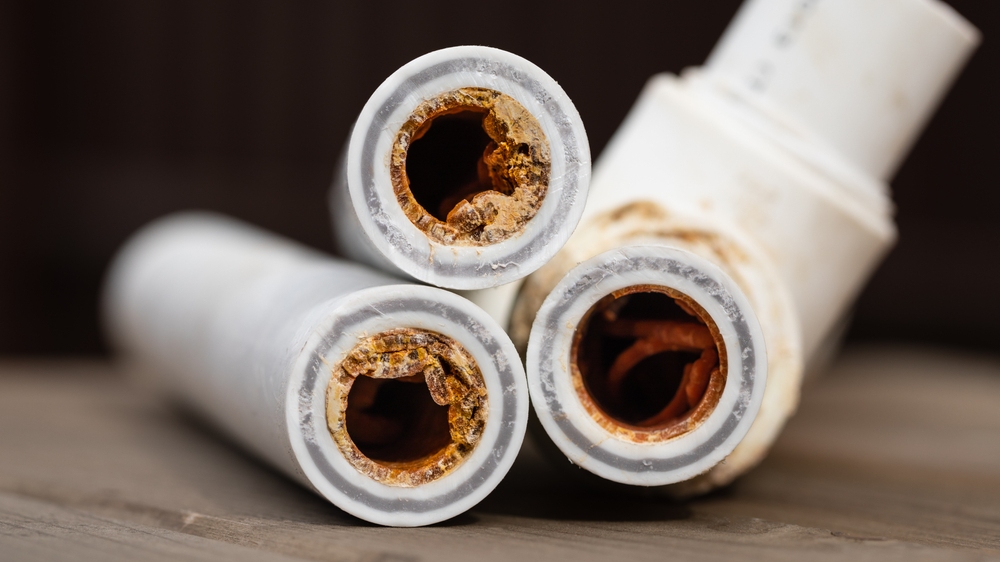
Salt can enter home plumbing from water softeners or seawater near coastal areas. Over time, salt may cause PVC pipes to become brittle. Some homeowners noticed small cracks and leaks after long exposure. Pipes in bathrooms and kitchens are most vulnerable. Regular inspection helps catch damage early. Using salt-resistant PVC pipes can reduce risks.
Industrial And Marine Settings
Industries near oceans often use PVC pipes for water and chemical transport. Saltwater exposure can speed up pipe wear and tear. Marine environments with high salt levels cause faster PVC pipe degradation. Some factories report discoloration and surface roughness on pipes. Proper pipe coating and maintenance extend pipe life. Choosing the right PVC material is crucial in salty conditions.
Preventing Damage To Pvc Pipes
Preventing damage to PVC pipes extends their life and keeps plumbing safe. Salt and other harsh substances can weaken pipes over time. Taking steps to protect PVC pipes is important for durability and function.
Protective Coatings
Applying a protective coating shields PVC pipes from salt and chemicals. Use paint or sealants designed for plastic pipes. These coatings form a barrier that stops salt from reaching the pipe surface. Regularly check coatings for cracks or wear. Fix damaged areas to keep protection strong.
Maintenance Tips
Clean PVC pipes often to remove salt buildup. Use mild soap and water for washing. Avoid harsh chemicals that can harm the pipe. Inspect pipes for signs of damage or leaks. Replace sections if cracks or breaks appear. Keep soil around pipes stable to prevent pressure damage.

Credit: halehomeservices.com
Alternatives To Pvc In Salty Environments
Salt can harm some pipes, especially PVC. In salty environments, pipes must resist corrosion and damage. Choosing the right material ensures long-lasting performance. Several alternatives to PVC work well in salty conditions. These options handle salt better and last longer.
Metal Pipes
Metal pipes like stainless steel resist salt damage well. They do not rust easily and hold strong under pressure. Copper pipes also tolerate salty water but can be costly. Metal pipes need less maintenance in salty areas. They offer durability and reliability over time.
Other Plastic Options
Plastic pipes like HDPE or CPVC withstand salt better than PVC. HDPE pipes are flexible and resist cracking from salt exposure. CPVC handles heat and salt, making it a good choice for salty water. These plastics last longer in harsh environments. They require less repair and offer good flow.

Credit: www.amazon.com
Frequently Asked Questions
Does Salt Cause Pvc Pipes To Corrode Or Weaken?
Salt does not cause PVC pipes to corrode because PVC is plastic, not metal. It resists damage from salt exposure well.
Can Saltwater Harm Pvc Pipes Used In Plumbing?
PVC pipes handle saltwater without harm since they are designed to resist many chemicals. Saltwater usually won’t damage them.
How Does Salt Affect Pvc Pipes In Outdoor Environments?
Salt can cause dirt buildup on PVC pipes but does not degrade the material. Regular cleaning can keep pipes looking good.
Will Salt Exposure Shorten The Lifespan Of Pvc Pipes?
Salt exposure alone does not shorten PVC pipe life. These pipes are durable and built to last in salty conditions.
Is It Safe To Use Pvc Pipes For Saltwater Irrigation?
Yes, PVC pipes are safe for saltwater irrigation. They resist salt and do not break down easily in these systems.
Do Salt Deposits Clog Or Block Pvc Pipes Over Time?
Salt deposits rarely clog PVC pipes because the pipes are smooth inside. Flushing pipes regularly helps prevent any buildup.
Should Pvc Pipes Be Coated To Protect Against Salt Damage?
Coating PVC pipes for salt protection is generally not needed. The material is naturally resistant to salt damage and corrosion.
Conclusion
Salt can harm PVC pipes over time, causing wear and cracks. Salt exposure makes pipes weaker and less reliable. Regular checks help catch damage early and keep pipes safe. Using protective coatings or barriers can reduce salt’s effects. Taking care of pipes extends their life and saves money.
Avoid long-term contact with salt to protect your plumbing. Simple steps prevent costly repairs and maintain good water flow. Salt damage to PVC is possible but manageable with care.