
The humble toilet, a fixture we often take for granted, is a critical component of modern sanitation. While we focus on its primary function and efficient flushing, many homeowners are unaware of simple, yet effective, maintenance tricks that can enhance its performance and longevity. One such often-overlooked method involves a common household staple: salt. While it might sound unconventional, adding salt to your toilet bowl can offer a surprising array of benefits, from tackling stubborn stains to acting as a mild disinfectant and preventing the buildup of mineral deposits. This practice, rooted in practical household wisdom, taps into the natural properties of sodium chloride to address common toilet woes that can otherwise lead to more significant plumbing issues or unsightly appearances.
Understanding why salt can be beneficial requires a brief look at its chemical properties and how they interact with common toilet bowl problems. Salt, or sodium chloride, is known for its abrasive qualities when in crystalline form and its ability to lower the freezing point of water, though the latter is less relevant for indoor plumbing.
More importantly for toilet maintenance, salt can act as a mild cleaning agent and can help to break down certain types of grime and mineral deposits. When combined with other household ingredients or used strategically, it can become a powerful ally in keeping your toilet bowl clean, fresh, and functioning optimally.
This article will explore the various reasons why you might consider putting salt in your toilet, the science behind its effectiveness, and practical methods for its application, offering a cost-effective and readily available solution for common household challenges.
Key Takeaways
- Stain Removal: Salt’s abrasive nature, especially when combined with other cleaning agents, helps to scrub away tough stains like hard water rings and rust.
- Mild Disinfection: While not a strong disinfectant, salt can help inhibit the growth of some bacteria and mold due to its osmotic properties.
- Odor Control: Salt can absorb some of the odor-causing compounds that may linger in the toilet bowl, contributing to a fresher smell.
- Preventing Buildup: Regular use can help prevent the accumulation of mineral deposits (limescale) and other residues that can clog pipes over time.
- Cost-Effective Solution: Salt is an inexpensive and readily available household item, making it an economical choice for toilet maintenance.
- Environmentally Friendly: Compared to harsh chemical cleaners, salt is a more natural and less environmentally damaging option.
The Science Behind Salt In Your Toilet
The effectiveness of salt in toilet maintenance stems from its chemical composition and physical properties. Sodium chloride (NaCl) is an ionic compound that, in its solid form, consists of a crystalline lattice of sodium and chloride ions. When dissolved in water, these ions dissociate, and their interactions with other substances in the toilet bowl can lead to several beneficial outcomes.
Abrasive Action For Cleaning
In its granular form, salt acts as a mild abrasive. When you scrub the toilet bowl with salt, the small salt crystals can help to dislodge grime, mineral deposits, and stains that adhere to the porcelain surface. This is particularly effective when the salt is mixed with a liquid, creating a paste or slurry that can be applied directly to stains. The physical action of scrubbing, aided by the salt’s texture, is often enough to remove surface-level dirt and buildup.
Osmotic Properties And Bacterial Inhibition
Salt is hygroscopic, meaning it can attract and absorb water. This property is the basis of osmosis, a process where water moves across a semipermeable membrane from an area of lower solute concentration to an area of higher solute concentration. Bacteria and other microorganisms contain water. When salt comes into contact with these microbes, it can draw water out of their cells, dehydrating and inhibiting their growth or even killing them. While salt is not a potent disinfectant like bleach or specialized toilet bowl cleaners, this osmotic effect can contribute to a reduction in bacterial populations and help prevent the development of mold and mildew, especially in humid bathroom environments.
Mineral Deposit Breakdown
Hard water, common in many regions, contains dissolved minerals such as calcium and magnesium. Over time, these minerals can precipitate out of the water and form limescale, a hard, chalky deposit that clings to surfaces, including the inside of toilet bowls. Salt can help to break down these mineral deposits. When dissolved in water, the chloride ions can react with calcium and magnesium ions, making them more soluble and easier to wash away. This process is more effective when salt is allowed to sit on the deposits for a period, allowing it to work on loosening their grip on the porcelain.
Odor Absorption
Salt is known for its ability to absorb odors. While it doesn’t chemically neutralize odor-causing compounds in the same way some commercial air fresheners do, its porous crystalline structure can trap odor molecules. When placed in the toilet bowl, especially in the standing water, it can help to absorb some of the unpleasant smells that may emanate from the drain or residual waste.
This effect is subtle but can contribute to a generally fresher bathroom environment.

Credit: www.youtube.com
Benefits Of Using Salt In Your Toilet
The practical applications of salt in toilet maintenance translate into several tangible benefits for homeowners. These advantages range from improving the appearance of your bathroom to contributing to better hygiene and preventing plumbing issues.
Effective Stain Removal
One of the most common reasons to use salt in your toilet is its efficacy in removing stubborn stains. Hard water rings, rust stains from iron in the water, and general grime can accumulate over time, leaving the toilet bowl looking unsightly. Salt, particularly when used as a paste with water or combined with other mild cleaning agents like baking soda or vinegar, provides the necessary abrasive action to scrub away these marks without damaging the porcelain. For instance, a paste made of salt and lemon juice can be particularly effective against rust stains due to the mild acidity of the lemon.
Mild Disinfection And Hygiene Improvement
While not a substitute for thorough disinfection with specialized products, salt offers a degree of mild antibacterial action. By drawing water out of bacterial cells through osmosis, it can help to reduce the overall microbial load in the toilet bowl. This contributes to a more hygienic environment, especially for preventing the growth of common bathroom bacteria and mold. For households looking for more natural cleaning solutions, salt provides a way to enhance hygiene without resorting to harsh chemicals.
Preventing Limescale And Buildup
Hard water is a pervasive issue in many homes, leading to the formation of limescale. This mineral buildup not only looks unpleasant but can also reduce the efficiency of the toilet’s flushing mechanism and, in severe cases, contribute to pipe blockages. Regularly adding salt to the toilet bowl, especially if left to dissolve overnight, can help to break down and prevent the accumulation of these mineral deposits. The dissolved salt ions interfere with the crystallization process of calcium and magnesium, making them less likely to adhere to the porcelain and more likely to be flushed away.
Odor Control
The porous nature of salt crystals allows them to absorb odors. While the effect might be subtle, it can contribute to a fresher-smelling bathroom. When salt dissolves in the toilet water, it can trap volatile organic compounds that cause unpleasant smells. This is a passive way to combat odors, complementing regular cleaning routines and helping to maintain a more pleasant atmosphere in the bathroom.
Cost-effectiveness And Accessibility
Salt is one of the most affordable and readily available household items. A large container of table salt or rock salt costs very little and can last for a long time, making it an extremely cost-effective maintenance solution. Unlike specialized cleaning products that can be expensive, salt offers a budget-friendly alternative for tackling common toilet issues. This accessibility means that almost anyone can implement this maintenance strategy without needing to make special purchases.
Environmentally Friendly Alternative
For those seeking to reduce their use of harsh chemicals, salt presents a more environmentally friendly option. Traditional toilet bowl cleaners often contain strong acids, bleaches, and other chemicals that can be harmful to aquatic life when washed down the drain. Salt, on the other hand, is a natural substance that is less damaging to the environment. While excessive amounts of salt can still be detrimental to ecosystems, its use in small quantities for toilet maintenance is generally considered a greener alternative.
Credit: www.greenmatters.com
How To Use Salt In Your Toilet: Practical Methods
Incorporating salt into your toilet maintenance routine is straightforward. Several methods can be employed, depending on the specific issue you are trying to address, whether it’s general cleaning, stain removal, or preventing buildup.
Method 1: The Overnight Soak For Limescale And General Cleaning
This is a simple and effective method for tackling hard water stains and preventing mineral buildup.
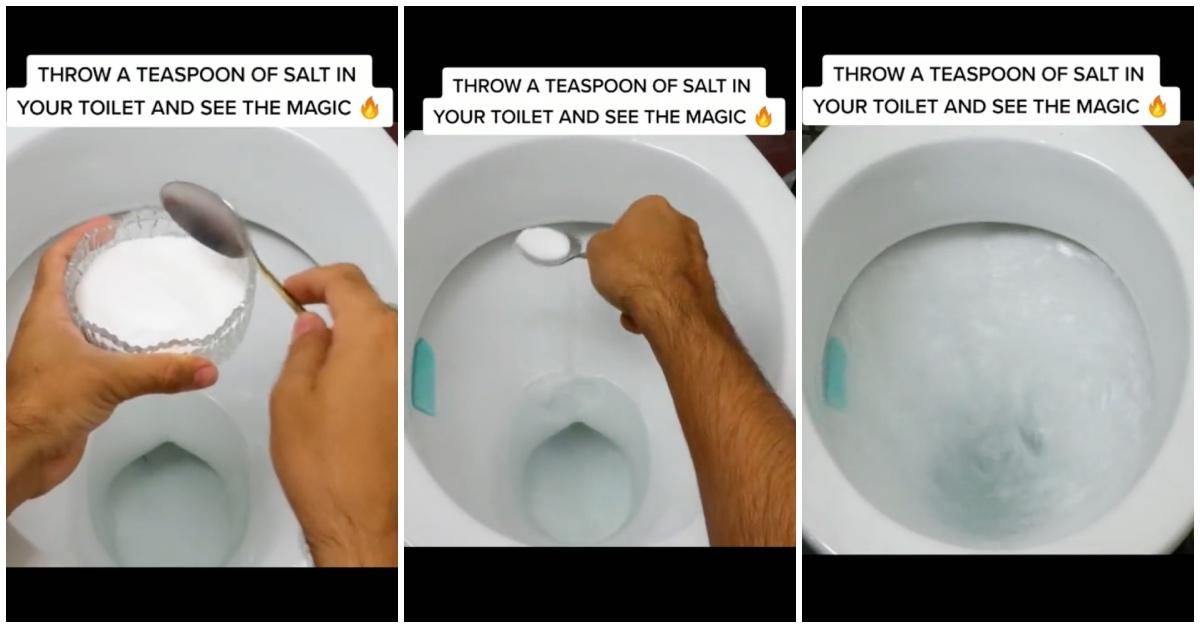
- Pour the Salt: Add approximately 1 cup of table salt or rock salt directly into the toilet bowl. Ensure some of the salt settles into the standing water.
- Let it Sit: Leave the salt in the bowl overnight. This allows the salt to dissolve and work on breaking down mineral deposits and grime. The osmotic action also has more time to affect any microbial growth.
- Scrub and Flush: In the morning, use your toilet brush to scrub the bowl thoroughly. The salt particles will provide a gentle abrasive action.
- Flush: Flush the toilet to rinse away the dissolved salt and loosened debris.
Pro Tip: For tougher stains, you can create a paste by mixing salt with a small amount of water or vinegar and applying it directly to the stained areas before letting it sit overnight.
Method 2: Salt As A Scouring Paste For Stains
This method is ideal for targeting specific, stubborn stains like rust rings or dark marks.
- Create the Paste: In a small bowl, mix about 1/2 cup of salt with enough water to form a thick paste. For enhanced cleaning power, you can substitute water with white vinegar or lemon juice.
- Apply the Paste: Using a cloth or your toilet brush, apply the paste directly to the stained areas inside the bowl. Ensure the paste adheres to the stains.
- Let it Dwell: Allow the paste to sit for at least 30 minutes, or longer for very tough stains.
- Scrub Vigorously: Use your toilet brush to scrub the stained areas. The abrasive salt crystals will help lift the grime.
- Flush: Flush the toilet to remove the paste and loosened stains.
Method 3: Salt And Baking Soda Combination
Baking soda is another excellent natural cleaning agent known for its deodorizing and mild abrasive properties. Combining it with salt can create a powerful yet gentle cleaning solution.
- Mix Ingredients: In a bowl, mix 1/2 cup of salt with 1/2 cup of baking soda.
- Apply to Bowl: Sprinkle the mixture generously into the toilet bowl, focusing on stained areas.
- Add Water (Optional): You can add a small amount of water or vinegar to create a fizzing reaction that helps lift dirt.
- Scrub: Let the mixture sit for about 15-20 minutes, then scrub the bowl thoroughly with your toilet brush.
- Flush: Flush to clean. This method is excellent for both cleaning and deodorizing.
Method 4: Salt For Drain Maintenance
While not directly in the bowl for cleaning, salt can also play a role in maintaining the toilet’s drain.
- Pour Salt: Pour about 1/2 cup of salt down the toilet drain.
- Follow with Hot Water: Immediately pour a kettle of boiling water down the drain. Be cautious when handling boiling water.
- Let it Work: Allow the mixture to sit for a few hours or overnight.
- Flush: Flush the toilet. This can help to dissolve minor clogs and prevent grease and soap scum buildup in the pipes.
Important Note: This method is for minor maintenance and should not be relied upon for significant blockages, which may require a plunger or professional plumbing services.

Credit: neighbourhoodplumbing.com.au
When Not To Use Salt In Your Toilet
While salt offers several benefits, it’s crucial to understand its limitations and when its use might be inappropriate or even detrimental. Over-reliance on salt or using it incorrectly can lead to unintended consequences.
Severe Blockages
Salt is a mild cleaning agent and drain maintainer; it is not a drain cleaner for serious clogs. If your toilet is severely blocked, pouring salt down it will not resolve the issue and may even exacerbate it by adding more material to the blockage. For significant clogs, mechanical methods like plunging or using a drain snake are necessary. In persistent cases, a plumber should be consulted.
Septic System Concerns
For households with septic systems, excessive salt usage can be problematic. While small amounts are unlikely to cause harm, large or frequent applications of salt can disrupt the delicate balance of bacteria within the septic tank. These bacteria are essential for breaking down waste. High salt concentrations can inhibit their activity, potentially leading to system inefficiency and backups. It is advisable to use salt sparingly in toilets connected to septic systems or to opt for septic-safe cleaning products.
Damaging Certain Toilet Components
While porcelain is generally resistant to salt, prolonged exposure to highly concentrated salt solutions, especially if mixed with other harsh chemicals, could potentially affect certain metal components within the toilet mechanism over extended periods. However, for typical household use with standard table salt and regular flushing, this risk is minimal. The primary concern is usually related to septic systems or severe clogs.
As A Sole Disinfectant
It’s important to reiterate that salt is a mild agent for inhibiting bacterial growth, not a powerful disinfectant. In situations where thorough disinfection is critical, such as after illness, it is essential to use products specifically designed for disinfection, like bleach-based cleaners. Relying solely on salt may not eliminate all harmful pathogens, leaving the toilet less hygienic than intended.
Mixing With Other Harsh Chemicals
While salt can be combined with mild agents like baking soda or vinegar, mixing it with strong chemical cleaners, particularly those containing bleach or ammonia, can be dangerous. Such mixtures can produce toxic fumes or create reactions that reduce the effectiveness of either agent. Always ensure you know what chemicals are in your cleaning products before mixing them with salt or any other substance.
Salt Vs. Commercial Toilet Bowl Cleaners
When deciding on a cleaning method for your toilet, it’s helpful to compare salt with the readily available commercial toilet bowl cleaners. Both have their pros and cons, and the best choice often depends on your priorities, such as cost, effectiveness, environmental impact, and specific cleaning needs.
Effectiveness
- Salt: Effective for mild stains, hard water rings, and preventing mineral buildup. Its abrasive action is key for physical removal of grime.
- Commercial Cleaners: Generally more powerful and faster-acting, especially for deep cleaning, tough stains (like mold and mildew), and heavy-duty disinfection. They often contain stronger acids or bleaching agents.
Cost
- Salt: Extremely cost-effective. A large container is inexpensive and lasts a long time.
- Commercial Cleaners: Can be significantly more expensive, especially high-end or specialized formulas.
Environmental Impact
- Salt: More environmentally friendly. It’s a natural substance with lower toxicity.
- Commercial Cleaners: Often contain harsh chemicals that can be harmful to aquatic life and may contribute to indoor air pollution.
Ease Of Use
- Salt: Requires a bit more elbow grease (scrubbing) and often needs time to sit (overnight soak) for best results.
- Commercial Cleaners: Many are designed for quick action, often requiring just a few minutes of contact time before flushing. Some have gels that cling to the bowl for better coverage.
Health And Safety
- Salt: Generally safe to handle. The main concern is for septic systems if used excessively.
- Commercial Cleaners: Can be hazardous. Require precautions like wearing gloves and ensuring good ventilation due to strong fumes. Accidental ingestion or skin contact can be harmful.
Comparison Table: Salt Vs. Commercial Cleaners
| Feature | Salt | Commercial Toilet Bowl Cleaners |
|---|---|---|
| **Primary Benefit** | Stain removal, Limescale prevention, Mild hygiene | Deep cleaning, Disinfection, Tough stain removal |
| **Effectiveness** | Moderate for common issues | High for a wide range of problems |
| **Cost** | Very Low | Moderate to High |
| **Environmental Impact** | Low | Moderate to High |
| **Safety** | Generally Safe (consider septic systems) | Requires Caution (fumes, skin contact) |
| **Time Required** | Often requires soaking time | Can be fast-acting |
| **Disinfection Level** | Mild | Strong |
| **Abrasiveness** | Mild to Moderate | Varies (some are abrasive, others chemical) |
Example: For routine maintenance and tackling everyday hard water stains, a salt-based approach is an excellent, budget-friendly, and eco-conscious choice. However, for a toilet that hasn’t been cleaned in a while and has significant mold or very deep-set stains, a commercial cleaner might be more efficient, provided safety precautions are followed.
Real-world Application And Case Study
Many households have successfully integrated salt into their regular cleaning routines. Consider the case of the Miller family, who live in an area with notoriously hard water. They were constantly battling stubborn brown rings and chalky white buildup inside their toilet bowls, despite frequent cleaning with standard bathroom sprays.
The Challenge: The Millers found that commercial cleaners, while effective initially, were expensive to use regularly and they worried about the chemical residue. The hard water buildup was persistent, requiring significant scrubbing.
The Solution: After reading about natural cleaning methods, Mrs. Miller decided to try the salt-based overnight soak. She began adding about a cup of salt to each toilet bowl before bed, scrubbing in the morning, and flushing.
The Results: Within a few weeks, they noticed a significant reduction in the hard water rings. The salt’s abrasive action, combined with the overnight soaking time, seemed to be gradually dissolving the mineral deposits. They also found that the toilet bowls looked cleaner and had a less “grimy” feel. The cost savings were immediate, as a single box of salt lasted them months for toilet maintenance. They supplemented this with a baking soda and salt scrub for any particularly stubborn spots.
Mrs. Miller’s Experience: “In my experience, the salt method is fantastic for maintenance. It’s not a magic bullet for a severely neglected toilet, but for keeping things clean and preventing that awful hard water buildup, it’s incredibly effective and so much cheaper than those fancy cleaners. Plus, I feel better knowing I’m not washing harsh chemicals down the drain every week.”
This anecdotal evidence highlights how a simple, accessible ingredient like salt can provide a practical and effective solution for common household plumbing and cleaning issues, offering a sustainable alternative to more chemically intensive products.
Frequently Asked Questions
What Is The Best Type Of Salt To Use In A Toilet?
For general cleaning and limescale prevention, table salt (iodized or non-iodized) or rock salt works well. Rock salt crystals are larger and can provide a slightly more abrasive scrub. Avoid using specialty salts like Epsom salts (magnesium sulfate) or bath salts, as they contain additives that are not intended for plumbing and could potentially cause issues. Standard, inexpensive salt is the most suitable.
How Often Should I Put Salt In My Toilet?
The frequency depends on your water hardness and how quickly stains or buildup appear. For areas with very hard water, using the overnight soak method once a week can be beneficial for preventing limescale. For general maintenance and odor control, using salt once or twice a month may be sufficient. Observe your toilet bowl and adjust the frequency based on its condition.
Can Salt Damage My Toilet Bowl?
Generally, no, salt is not abrasive enough to damage the porcelain of a toilet bowl. The porcelain finish is very durable. However, as mentioned, excessive use, especially in conjunction with other harsh chemicals or in toilets connected to sensitive septic systems, could lead to issues. It’s always best to use salt in moderation and be mindful of your specific plumbing setup.
Does Salt Actually Disinfect The Toilet?
Salt has mild antimicrobial properties due to osmosis, meaning it can inhibit the growth of some bacteria and mold by drawing water out of their cells. However, it is not a strong disinfectant. It will not kill all harmful pathogens effectively. For thorough disinfection, especially after illness, you should use a dedicated disinfectant cleaner. Salt is more for maintenance, stain removal, and general hygiene improvement.
What Are The Risks Of Using Salt In A Toilet With A Septic System?
The primary risk is disrupting the bacterial balance within the septic tank. Septic systems rely on a specific environment for bacteria to break down waste. High concentrations of salt can kill these beneficial bacteria, impairing the system’s ability to function efficiently. This can lead to slow drains, foul odors, and potential backups. If you have a septic system, use salt very sparingly and infrequently, or opt for septic-safe cleaning products instead.
Salt, a simple and readily available household item, offers a surprisingly effective and economical approach to common toilet maintenance challenges. From tackling unsightly hard water stains and rust marks to preventing the gradual buildup of mineral deposits that can impede function, its natural abrasive and osmotic properties make it a valuable tool.
While it’s not a substitute for powerful disinfectants or solutions for severe plumbing blockages, salt provides a gentler, more environmentally conscious alternative for routine cleaning and upkeep. By understanding its benefits and employing the straightforward methods outlined, homeowners can maintain a cleaner, fresher, and better-functioning toilet while saving money and reducing their reliance on harsh chemicals.