
When it comes to your home or business, water plumbing is something you can’t afford to overlook. You rely on it every day, from washing your hands to cooking meals.
But have you ever stopped to think about how it actually works? Understanding the basics of water plumbing can save you time, money, and a lot of frustration. Whether you’re dealing with a leak, planning a renovation, or just curious about your system, this guide will give you clear, simple insights.
Keep reading, and you’ll discover tips that make your plumbing run smoother and your life easier.
Common Plumbing Components
Plumbing systems rely on various parts to work properly. These parts help move water and control its flow in homes and buildings. Knowing common plumbing components helps with repairs and maintenance. It also makes it easier to understand how water systems function.
Pipes And Fittings
Pipes carry water from one place to another. They come in different materials like copper, PVC, and PEX. Each type has its own use and benefits. Fittings connect pipes and change their direction or size. They include elbows, tees, and couplings. Proper pipes and fittings prevent leaks and water damage.
Valves And Faucets
Valves control water flow in pipes. They can stop or allow water to pass. Common valves include ball valves and gate valves. Faucets let users access water easily. They come in many styles for sinks, tubs, and showers. Good valves and faucets ensure smooth water use and save water.
Water Heaters
Water heaters warm water for daily use. They can be tank or tankless models. Tank heaters store hot water ready to use. Tankless heaters warm water on demand. A reliable water heater provides hot water quickly and saves energy.
Credit: actioncraftexperts.com
Signs Of Plumbing Issues
Plumbing issues can cause big problems if not noticed early. Small signs often show up before major damage happens. Watching for these signs helps save time and money.
Leaks And Drips
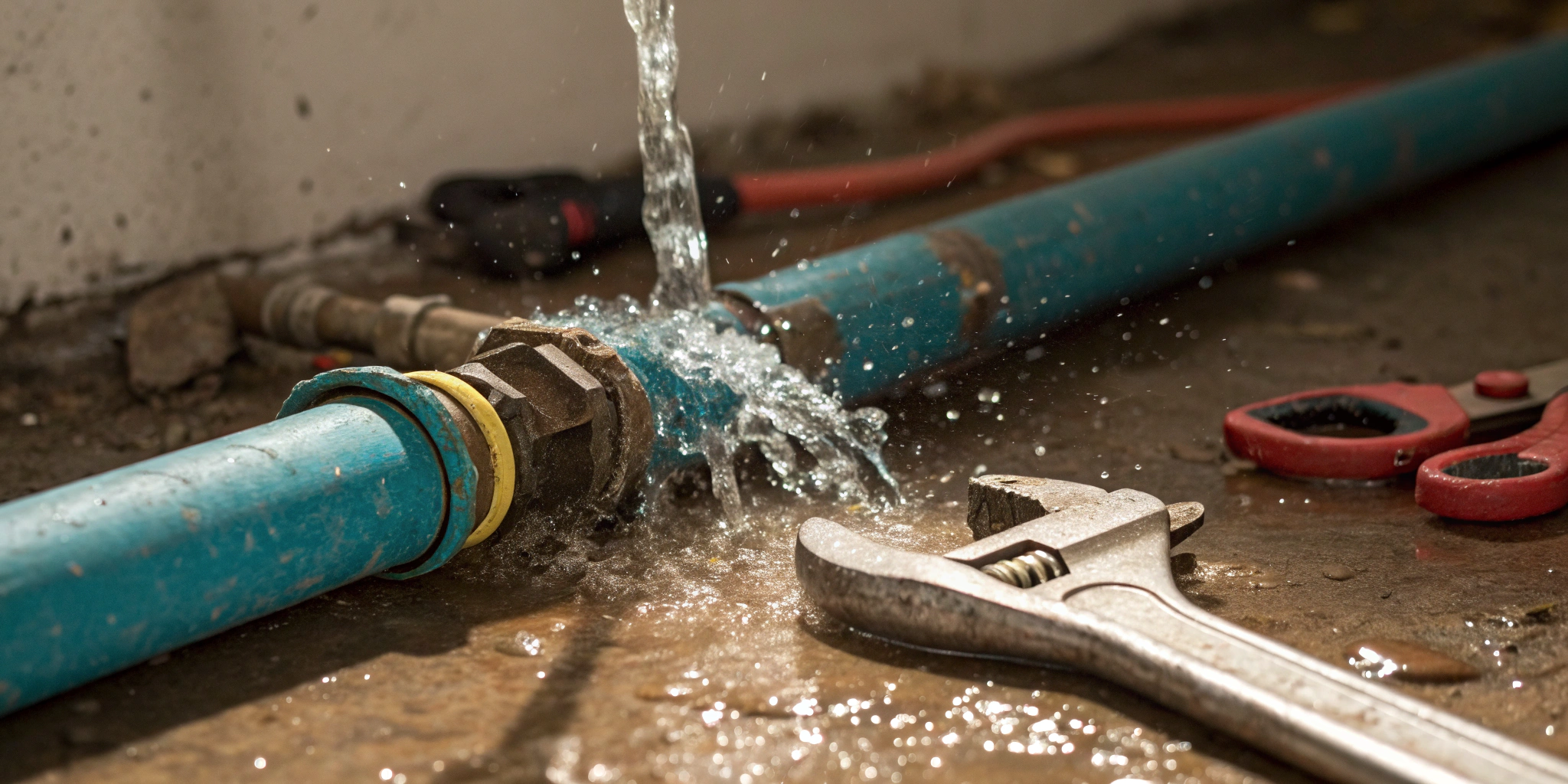
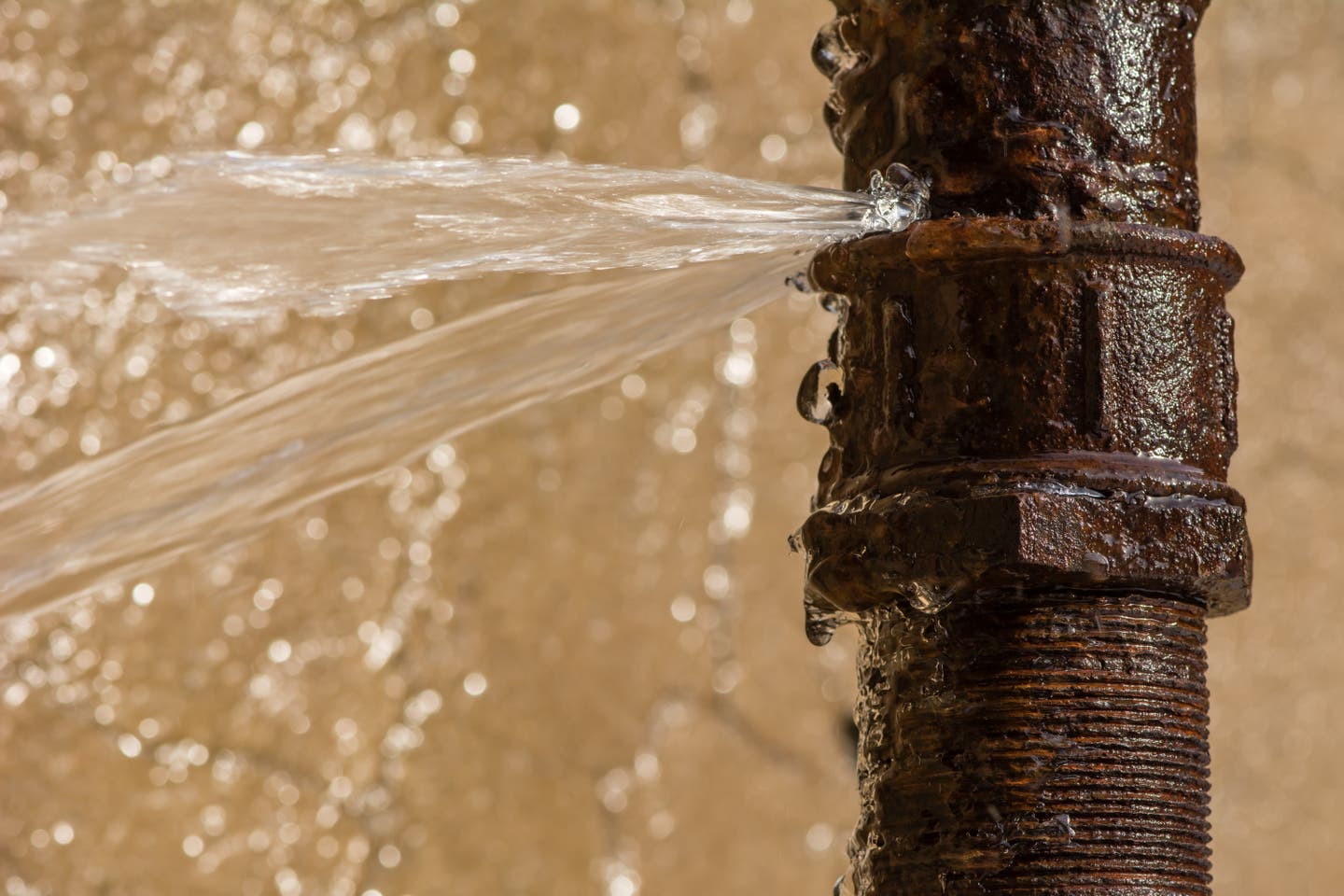
Leaks are the most common plumbing problem. Even small drips waste water and increase bills. Look under sinks and around pipes for wet spots. Dripping sounds or water stains on walls also warn of leaks. Fixing leaks early prevents mold and structural damage.
Low Water Pressure
Low water pressure makes daily tasks harder. Showers, taps, and appliances may not work well. It can result from clogged pipes, leaks, or faulty valves. Check multiple taps to see if pressure is low everywhere. Early action keeps water flowing smoothly.
Unusual Noises
Strange sounds in pipes signal plumbing problems. Banging, whistling, or gurgling noises mean trapped air or loose parts. These noises often appear when turning taps on or off. Ignoring sounds might lead to pipe damage or bursts. Listen closely to catch issues early.
Maintenance Tips
Proper maintenance keeps your water plumbing system working well. It helps avoid leaks and costly repairs. Simple steps can extend the life of your pipes and fixtures. Regular care ensures clean water flow and prevents blockages.
Regular Inspections
Check pipes and joints for leaks and damage often. Look for water stains on walls and ceilings. Tighten loose fittings to stop drips. Early detection of problems saves money and stress. Inspect under sinks and around water heaters regularly.
Pipe Insulation
Wrap pipes with insulation to protect from freezing cold. Insulated pipes reduce heat loss in warm water lines. This saves energy and keeps water temperature steady. Use foam sleeves or tape for easy insulation. Focus on pipes in unheated areas like basements or attics.
Drain Cleaning
Clean drains to prevent clogs and slow water flow. Use a plunger or drain snake for minor blockages. Avoid pouring grease or food scraps down drains. Natural cleaners like baking soda and vinegar help clear buildup. Regular cleaning stops bad odors and backups.
Credit: www.servpro.com
Water Efficiency Strategies
Water efficiency strategies help save water and reduce bills. They protect the environment by cutting water waste. These methods also improve plumbing system performance and lifespan.
Simple changes in your home plumbing can make a big difference. Small steps add up to significant water savings.
Low-flow Fixtures
Low-flow fixtures use less water without losing pressure. Faucets, showerheads, and toilets with this feature help save gallons daily. Installing these fixtures lowers water use and energy costs. They are affordable and easy to replace in most homes.
Fixing Leaks Promptly
Leaks waste water and increase bills quickly. A dripping faucet or running toilet uses gallons each day. Checking pipes and fixtures regularly helps catch leaks early. Fixing leaks fast prevents damage and saves water effectively.
Water-saving Appliances
Modern appliances use less water than older models. Dishwashers and washing machines with water-saving settings reduce usage. Choosing Energy Star appliances ensures efficient water and power use. These machines help save resources and lower household expenses.
Diy Repairs And When To Call A Pro
Water plumbing problems can disrupt daily life. Some issues can be fixed at home without much trouble. Others need expert skills and tools to avoid damage. Knowing which repairs you can do and when to call a professional saves time and money.
Simple Fixes Anyone Can Do
Fixing a dripping faucet often only needs tightening a washer. Clearing a minor clog can work with a plunger or drain snake. Replacing a toilet flapper or cleaning aerators also helps improve water flow. These tasks require basic tools and little experience.
Safety Precautions
Always turn off the water supply before starting repairs. Wear gloves to protect your hands from sharp parts or chemicals. Avoid mixing cleaning chemicals to prevent harmful reactions. Use tools carefully to avoid injury or damage to pipes.
Signs You Need Professional Help
Water leaks that cause wall or ceiling damage need immediate expert care. Strange noises in pipes or very low water pressure suggest complex problems. Burst pipes or sewage backups require quick professional repair. Persistent clogs or recurring issues mean the system needs inspection.

Credit: www.nuflowmidwest.com
Upgrading Your Plumbing System
Upgrading your plumbing system improves water flow and reduces leaks. It saves money on repairs and lowers water bills. New systems offer better durability and efficiency. Old pipes can cause water contamination and damage.
Modern Materials And Technologies
Modern plumbing uses materials like PEX and PVC pipes. These materials resist corrosion and last longer than metal pipes. They are easier to install and require less maintenance. New valves and fittings improve water control and reduce leaks.
Technology now includes tankless water heaters and pressure regulators. These devices save energy and provide constant water pressure. Using smart sensors can detect leaks early and prevent major damage.
Smart Water Management
Smart water systems monitor water use in real-time. They alert homeowners to leaks and unusual water flow. These systems can shut off water automatically during emergencies.
Smart meters help track daily water consumption. This data encourages water-saving habits and reduces waste. Automated irrigation systems use weather data to water plants only when needed.
Benefits Of System Upgrades
Upgrading reduces water waste and lowers utility bills. It improves water quality and protects your family’s health. New systems increase home value and attract buyers.
Upgraded plumbing cuts repair costs by preventing major issues. It also ensures reliable water supply during emergencies. Overall, a new plumbing system offers peace of mind and comfort.
Frequently Asked Questions
What Is Water Plumbing And Why Is It Important?
Water plumbing is the system that brings water into and out of a building. It provides clean water for drinking, cooking, and cleaning. Proper plumbing keeps water safe and prevents leaks.
How Does A Typical Water Plumbing System Work?
Water enters a building through pipes connected to a main supply. It flows to taps, showers, and appliances. Wastewater leaves through drain pipes to a sewer or septic tank.
What Are Common Materials Used In Water Plumbing?
Copper, PVC, and PEX are common plumbing pipe materials. Copper is durable but costly. PVC is cheap and easy to install. PEX is flexible and resists freezing.
How Can I Detect Water Plumbing Leaks Early?
Look for damp spots, mold, or water stains on walls and ceilings. Listen for dripping sounds when taps are off. Check your water bill for unexpected increases.
Why Should Water Plumbing Be Regularly Maintained?
Regular checks prevent leaks, water damage, and costly repairs. Maintenance keeps water clean and pressure steady. It also extends the life of pipes and fixtures.
What Causes Low Water Pressure In Plumbing Systems?
Clogged pipes, leaks, or faulty valves often cause low pressure. Mineral buildup or old pipes can also reduce flow. Proper maintenance can fix these issues.
When Should I Call A Professional Plumber?
Call a plumber for major leaks, pipe bursts, or no water flow. Also seek help for water heater problems or sewer backups. Small repairs may be done by homeowners.
Conclusion
Water plumbing keeps homes safe and comfortable every day. Good plumbing stops leaks and saves water. It helps keep clean water flowing for drinking and washing. Regular checks can catch small problems early. Simple repairs prevent costly damage later on.
Knowing basic plumbing helps you handle small issues. Trust experts for big jobs and installations. Clean, working pipes mean a healthier home. Taking care of plumbing protects your family’s health and comfort. It’s worth the effort and attention.