
When it comes to watering your garden or washing your car, choosing the right outdoor faucet can make all the difference. You might have heard the terms “wall hydrant” and “hose bibb,” but what exactly sets them apart?
Understanding these differences can save you time, money, and frustration. You’ll discover which option fits your needs best and why. Keep reading to find out how to make your outdoor water setup work smarter for you.
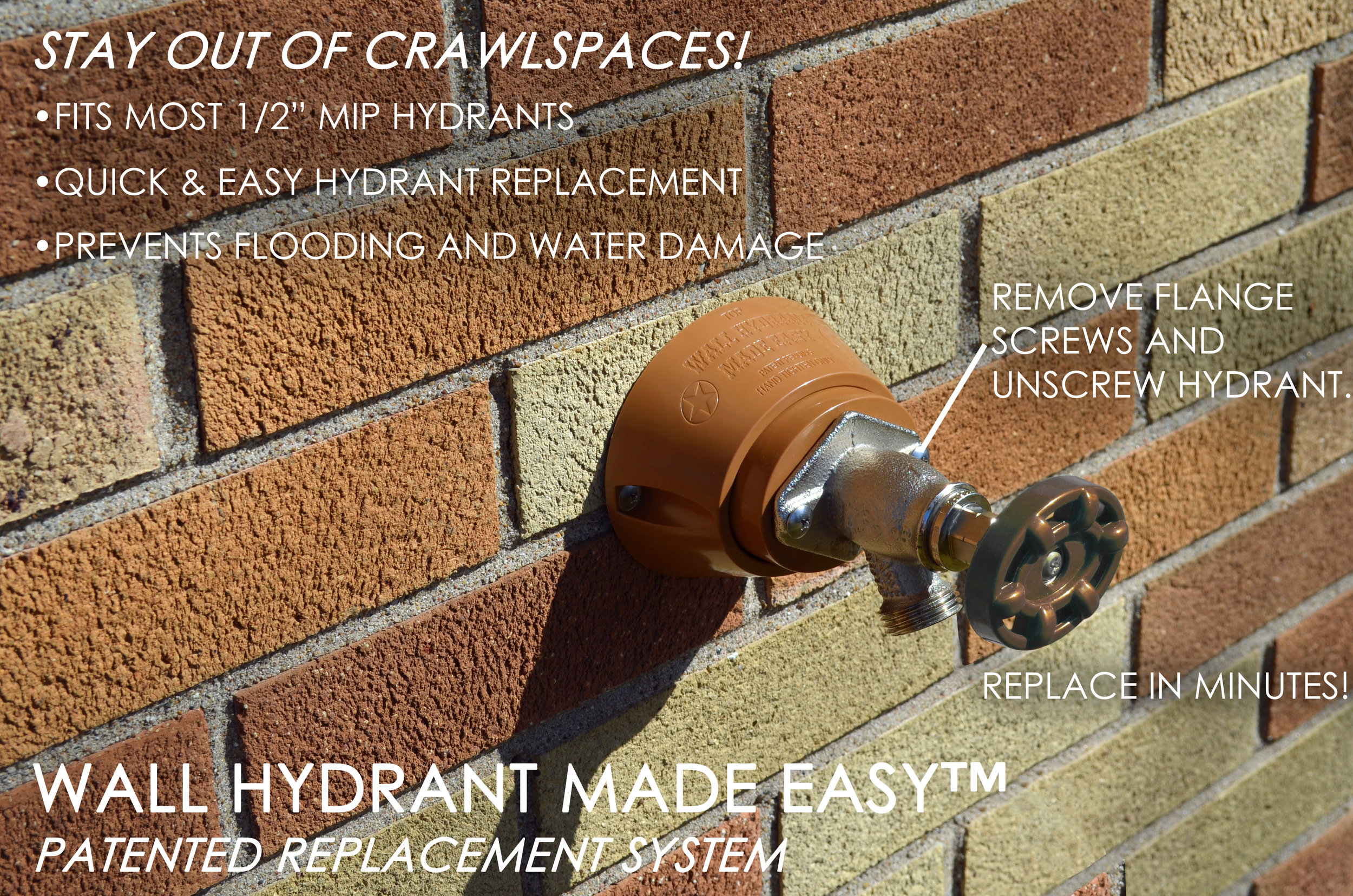
Credit: mitimfg.com
Wall Hydrant Basics
Wall hydrants are outdoor water fixtures often found on building exteriors. They provide easy access to water for gardening, cleaning, or other outdoor tasks. These devices connect directly to the building’s water supply and are designed for durability and convenience. Understanding the basics of wall hydrants helps in choosing the right option for your needs.
Design And Construction
Wall hydrants have a simple, sturdy design. They usually consist of a metal or plastic valve attached to a pipe inside the wall. The valve opens and closes to control water flow. A handle or lever on the outside allows easy operation. Many models include a frost-proof feature to prevent freezing in cold weather. The materials used resist rust and damage from outdoor elements.
Common Applications
Wall hydrants are common in residential and commercial buildings. They supply water for gardening, washing cars, and filling pools. Farmers use them for irrigation and cleaning equipment. They also serve as water points in parks and public spaces. Their frost-proof design makes them ideal for areas with cold winters.
Hose Bibb Essentials
The hose bibb is a common outdoor faucet. It provides easy access to water for gardens and yards. Most homes have at least one hose bibb outside. Understanding its basics helps in choosing the right outdoor water source.
This section explains the hose bibb’s structure and main uses. Simple details help you understand how it works and where it fits best.
Structure And Features
A hose bibb usually mounts on the exterior wall of a house. It has a valve to turn water on or off. The valve often uses a round handle or lever.
The outlet fits a garden hose easily. Some models include a backflow preventer to stop water from flowing backward. Made from brass or metal, hose bibbs resist weather and rust.
Typical Uses
Hose bibbs serve many outdoor tasks. They connect to garden hoses for watering plants and lawns. You can also use them to wash cars or clean patios.
These faucets are ideal for filling pools or water tanks outside. They provide quick, direct water access without needing indoor plumbing changes.
Installation Differences
Installing a wall hydrant and a hose bibb involves different steps and considerations. Knowing these differences helps you choose the right one for your needs. Each has unique installation points and tool requirements.
Placement And Setup
A wall hydrant is installed through an exterior wall, usually near the ground. It connects directly to the main water line inside the house. This setup prevents freezing in winter because the valve is inside the wall.
A hose bibb is mounted on the outside wall surface. It connects to a pipe inside the wall but does not extend through it. Hose bibbs are simpler but may freeze in cold weather without proper protection.
Materials And Tools Needed
Installing a wall hydrant requires a pipe wrench, drill, and sealant. You will also need a frost-proof hydrant unit and proper plumbing fittings. Cutting a hole through the wall is necessary for fitting the hydrant.
A hose bibb installation is easier with fewer materials. You need a pipe wrench, plumber’s tape, and the hose bibb valve. No major wall modification is required, just connecting the valve to the water pipe.

Credit: www.youtube.com
Durability And Maintenance
Durability and maintenance are key factors in choosing between a wall hydrant and a hose bibb. Both types of outdoor water fixtures face exposure to weather and wear. Understanding their resistance and repair needs helps in making the right choice. This section explains these aspects clearly.
Weather Resistance
Wall hydrants often have stronger materials. They resist freezing temperatures better than hose bibbs. Their design usually includes a vacuum breaker to stop water from freezing inside. Hose bibbs are easier to damage in cold weather. They may crack or leak if water freezes inside.
Both fixtures handle rain and sun well if made from quality materials. Brass is common for both and lasts long. Plastic parts in hose bibbs might break down over time. Wall hydrants, being partly inside the wall, get extra protection from sun damage.
Repair And Upkeep
Wall hydrants need more skill to repair. Access can be tricky since part is inside the wall. Repairs might involve cutting into the wall. Hose bibbs are simpler to fix. They are fully outside and easy to reach.
Routine maintenance is important for both types. Regular checks for leaks prevent bigger problems. Draining water before winter protects the fixtures. Replacing washers and seals keeps water flow smooth. Keeping the fixtures clean stops rust and dirt build-up.
Water Flow And Pressure
Water flow and pressure are key factors when choosing between a wall hydrant and a hose bibb. Both fixtures control how water moves outside your home. The right choice affects watering plants, washing cars, or filling pools. Understanding their performance helps pick the best option for daily tasks.
Performance Comparison
Wall hydrants often deliver stronger water pressure. They connect directly to the main water supply line. This connection reduces pressure loss. Hose bibbs sometimes face pressure drops due to longer hose runs. Wall hydrants also handle higher flow rates. This makes them ideal for larger watering needs.
Hose bibbs are simple and easy to install. They work well for light watering or occasional use. Their water flow suits small gardens or patios. Wall hydrants require more complex plumbing. They offer consistent pressure for bigger jobs.
Impact On Outdoor Tasks
Strong water flow from wall hydrants speeds up outdoor chores. Filling pools or washing cars takes less time. High pressure improves cleaning power for patios and driveways. Hose bibbs are fine for light watering jobs. Their lower pressure may slow large tasks.
Choosing a wall hydrant benefits users with big gardens or frequent outdoor needs. Hose bibbs fit those with small yards or infrequent use. Consider water pressure and flow to match your outdoor activities.

Credit: support.boshart.com
Cost And Value
Cost and value are important factors when choosing between a wall hydrant and a hose bibb. Each offers different upfront costs and future savings. Understanding these differences helps you make a smart buying decision. This section breaks down the initial investment and long-term savings for both options.
Initial Investment
Wall hydrants usually cost more to buy and install. They need a secure connection inside the wall. Installation may require a plumber’s help. Hose bibbs are cheaper and easier to install. Most homeowners can install them without professional help. The price difference affects your budget right away.
Long-term Savings
Wall hydrants can save money over time. Their built-in freeze protection reduces damage risk in winter. Fewer repairs mean lower maintenance costs. Hose bibbs are more prone to freezing and leaks. This can lead to costly repairs or replacements. Consider long-term costs, not just the purchase price.
Safety And Security
Safety and security are important factors when choosing between a wall hydrant and a hose bibb. Both affect how well your outdoor water system protects your home and property. Understanding these differences helps prevent damage and unwanted problems.
Freeze Protection
Wall hydrants often have built-in freeze protection. They shut off water inside the wall to stop freezing pipes. This feature helps avoid costly repairs during cold weather. Hose bibbs usually sit outside and may freeze if not drained.
Hose bibbs need extra care in winter. You must drain or cover them to prevent ice damage. Without protection, frozen pipes can burst and cause flooding. Wall hydrants reduce this risk with their design.
Theft And Vandalism Concerns
Hose bibbs are more exposed and easier to tamper with. Thieves can remove or damage them to steal water or cause harm. Vandalism is a common problem with hose bibbs in public or shared spaces.
Wall hydrants offer better security. They are mounted flush with the wall and harder to reach. This makes theft and vandalism less likely. Choosing a secure water outlet helps protect your property.
Choosing The Right Option
Choosing the right water outlet for your home or garden depends on several factors. Both wall hydrants and hose bibbs serve the same basic purpose but differ in design and use. Understanding these differences helps you pick the best option for your needs.
Consider where you live and the type of property you have. These details affect which product will work better and last longer.
Based On Climate
Cold climates need frost-proof options to avoid pipe damage. Wall hydrants often have built-in freeze protection. This feature stops water from freezing inside the pipe. Hose bibbs may freeze without extra protection, causing leaks or bursts.
In warmer areas, either option works fine. Hose bibbs are simpler and easier to install. Wall hydrants still work well but may be more expensive.
Suitability For Property Type
For homes with a basement or crawl space, wall hydrants are ideal. They connect inside the house, protecting pipes from cold. This setup helps keep water running year-round.
For properties without basements, hose bibbs are common. They attach directly to the exterior wall. Easy to access for watering gardens or washing cars.
Large properties may need several outlets. Wall hydrants offer more control and freeze protection. Smaller homes often do well with hose bibbs for basic water needs.
Frequently Asked Questions
What Is The Main Difference Between Wall Hydrant And Hose Bibb?
A wall hydrant is installed through an exterior wall, while a hose bibb is mounted on the outside. Wall hydrants often have freeze protection; hose bibbs may not.
Which Is Better For Cold Climates, Wall Hydrant Or Hose Bibb?
Wall hydrants are better for cold climates because they prevent freezing. Hose bibbs can freeze and burst if not winterized properly.
Can A Hose Bibb Be Used Indoors Like A Wall Hydrant?
No, hose bibbs are designed for outdoor use only. Wall hydrants can be installed through walls, offering indoor shutoff control.
How Do Wall Hydrants Prevent Water From Freezing?
Wall hydrants have a valve inside the heated wall area. This design stops water from freezing in winter months.
Are Wall Hydrants More Expensive Than Hose Bibbs?
Wall hydrants usually cost more due to their design and freeze protection. Hose bibbs are simpler and cheaper but less durable in cold weather.
Can I Connect A Garden Hose To Both Wall Hydrant And Hose Bibb?
Yes, both wall hydrants and hose bibbs have standard hose connections. You can easily attach a garden hose to either one.
What Maintenance Is Needed For Wall Hydrants Versus Hose Bibbs?
Wall hydrants need less winter care because of freeze protection. Hose bibbs require draining or covers to avoid freezing damage.
Conclusion
Choosing between a wall hydrant and a hose bibb depends on your needs. Wall hydrants offer better freeze protection outdoors. Hose bibbs are easier to install and use. Both provide water access for gardening or cleaning. Consider your climate and usage before deciding.
Proper installation helps avoid leaks and damage. Either choice can serve your home well. Think about convenience and durability. This helps you pick the right outdoor faucet.