
When it comes to fixing or sealing your heating, ventilation, and air conditioning (HVAC) system, choosing the right tape can make a big difference. You might think any tape will do, but HVAC tape and duct tape serve very different purposes.
Using the wrong one could cost you money, time, and even comfort in your home. You’ll discover the key differences between HVAC tape and duct tape, so you can make the best choice for your project. Keep reading to avoid common mistakes and ensure your HVAC system stays efficient and problem-free.
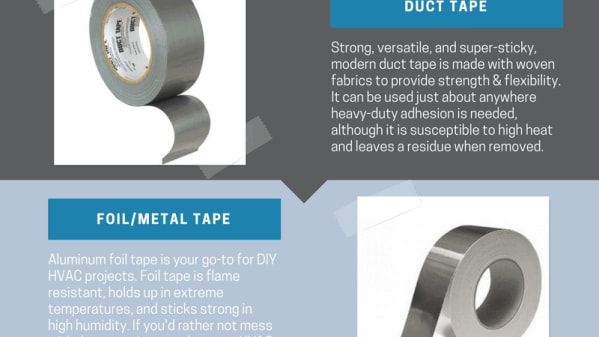
Credit: murraylampert.com
Types Of Hvac Tape
HVAC tape is essential for sealing and repairing heating, ventilation, and air conditioning systems. It comes in different types, each designed for specific tasks. Choosing the right tape ensures a strong, long-lasting seal that keeps air flowing efficiently.
Foil Tape
Foil tape has a shiny metal surface that reflects heat. It sticks well to metal ducts and resists moisture. This tape works best for sealing air leaks and insulation in HVAC systems. It can handle high temperatures without losing strength.
Mastic Tape
Mastic tape is thick and paste-like. It seals gaps and cracks on ductwork. This tape creates a flexible, airtight barrier that lasts long. It sticks well to rough surfaces and fills uneven spaces. Mastic tape is ideal for repairs that need strong sealing.
Cloth Tape
Cloth tape is made from fabric and has a sticky backing. It offers moderate strength and flexibility. This tape is easy to tear and apply by hand. Cloth tape is useful for temporary fixes and bundling wires in HVAC systems.
Types Of Duct Tape
Duct tape comes in many types, each made for different tasks. Choosing the right one helps fix things better and lasts longer. Some tapes stick well but don’t handle water. Others resist heat or tough weather. Understanding these types makes your job easier.
Standard Duct Tape
Standard duct tape is the most common type. It has a cloth backing and strong adhesive. It works well on dry surfaces like walls and pipes. It tears easily by hand. This tape is good for general repairs and sealing.
Waterproof Duct Tape
Waterproof duct tape resists moisture and water. It uses a plastic backing that does not soak up water. This tape is perfect for outdoor repairs or leaks. It sticks well even on wet surfaces. Use it to protect items from rain or spills.
High-temperature Duct Tape
High-temperature duct tape can handle heat without melting. It has a special adhesive that stays sticky in hot conditions. This tape works well on heating vents and engines. It prevents damage from heat and lasts longer in warm places.
Material And Adhesive Differences
Understanding the differences in material and adhesive helps to choose the right tape. HVAC tape and duct tape look similar but have different uses. These tapes have unique backing materials, adhesives, and temperature limits. These factors affect their strength and durability.
Backing Materials
HVAC tape uses aluminum foil as its backing. This makes it strong and resistant to tears. It also reflects heat and resists moisture. Duct tape has a fabric or plastic backing. This backing is flexible and easy to tear by hand. It does not handle heat or moisture as well.
Adhesive Strength
HVAC tape uses a special adhesive made for metal surfaces. It sticks firmly to ducts and does not peel off easily. Its glue stays sticky even in humid places. Duct tape uses a rubber-based adhesive. It sticks well to many surfaces but loses stickiness over time. It is not ideal for long-lasting seals on ducts.
Temperature Resistance
HVAC tape can handle high temperatures up to 300°F or more. This makes it safe for heating and cooling systems. Duct tape usually works best below 200°F. It can melt or lose strength in high heat. Using the wrong tape may cause damage or leaks.
Performance And Durability
Performance and durability are key factors when choosing between HVAC tape and duct tape. Both tapes serve different purposes and face various conditions. Understanding their strengths helps pick the right tape for each job.
Moisture Resistance
HVAC tape has strong moisture resistance. It seals air ducts and holds up well in damp areas. Duct tape can absorb water and lose its stickiness. It is not ideal for wet or humid environments.
Uv Resistance
HVAC tape is designed to resist UV rays. It stays durable under sunlight exposure. Duct tape breaks down quickly in sunlight. It becomes brittle and peels off faster outdoors.
Longevity
HVAC tape lasts longer in tough conditions. It maintains its bond and flexibility over time. Duct tape works best for short-term fixes. It tends to degrade and fail sooner.
Applications And Uses
Understanding the applications and uses of HVAC tape versus duct tape helps you pick the right tape for each job. Both tapes stick well, but they serve different purposes in maintenance and repairs.
Hvac Systems
HVAC tape is made specifically for heating, ventilation, and air conditioning systems. It seals air ducts tightly to stop leaks and loss of air. This tape resists heat and moisture, making it last longer on ducts. It also keeps the system energy-efficient by reducing air loss.
Duct tape is not ideal for HVAC systems. It can break down from heat and moisture over time. Using duct tape on ducts may cause leaks and reduce system performance.
General Repairs
Duct tape is a strong, all-purpose tape for many household fixes. It works well for patching holes, bundling items, and quick fixes on various materials. Its sticky surface bonds fast to wood, plastic, and metal.
HVAC tape is less flexible for general repairs. It is designed mainly for air duct sealing and may not stick well on rough or dirty surfaces.
Outdoor Vs Indoor Use
HVAC tape is designed for both indoor and outdoor use. It can handle temperature changes, moisture, and UV rays without falling apart. This makes it suitable for outdoor HVAC units and vents.
Duct tape works best indoors. It loses stickiness and can peel off when exposed to weather and sunlight for long periods. Outdoor repairs require a tape that resists these conditions better.

Credit: mpi-matco.com
Safety And Code Compliance
Safety and code compliance are critical when choosing between HVAC tape and duct tape. These tapes are not the same and can affect the safety of your HVAC system. Using the right tape helps avoid fire risks and meets building rules. It also protects your health and keeps air clean.
Fire Ratings
HVAC tape has a fire-resistant coating. It meets strict fire safety standards. Duct tape often lacks this feature. Using duct tape on ducts can cause fires. HVAC tape will not melt or burn easily. This prevents dangerous accidents in your home.
Building Codes
Building codes require specific tapes for HVAC systems. HVAC tape meets these codes and is approved. Duct tape usually does not pass these tests. Using the wrong tape can lead to failed inspections. Professionals always use HVAC tape to comply with laws.
Health Considerations
HVAC tape does not release harmful chemicals. It keeps indoor air safe and clean. Duct tape adhesives can emit strong fumes over time. These fumes may cause headaches or allergies. Proper tape protects your family’s health and comfort.
Cost And Availability
Cost and availability play a big role in choosing between HVAC tape and duct tape. Both tapes serve different purposes and come at different prices. Understanding these differences helps you pick the right tape for your needs. Let’s explore how much each tape costs, where to find them, and which offers the best value.
Price Comparison
Duct tape is generally cheaper than HVAC tape. A roll of duct tape usually costs between $3 and $7. HVAC tape can range from $8 to $15 per roll. The higher price of HVAC tape reflects its specialized use in heating and cooling systems. The investment in HVAC tape might be worth it for long-term durability.
Where To Buy
Duct tape is widely available. You can find it at grocery stores, hardware shops, and online. HVAC tape is less common in regular stores. It is mostly sold at home improvement centers and HVAC supply shops. Online stores also offer many options for both tapes. Availability depends on your location and store type.
Value For Money
Duct tape offers good value for quick fixes and everyday use. It sticks well but may lose grip over time. HVAC tape costs more but lasts longer under heat and moisture. It seals air ducts better and resists wear. Choosing the right tape saves money by avoiding repeated repairs.
Choosing The Right Tape
Choosing the right tape for your HVAC or duct project is important. The tape you select affects the repair quality and durability. Different tapes serve different purposes. Understanding your needs helps you pick the best option.
Project Requirements
Consider what the tape must do. HVAC tape is designed to seal and insulate ducts. It sticks well to metal and resists heat. Duct tape is good for temporary fixes and general use. It may not hold up well on HVAC systems. Match the tape to the job’s demands.
Environmental Factors
Think about where the tape will be used. HVAC tape handles high temperatures and moisture. It can last in harsh conditions. Duct tape often loses stickiness in heat or damp places. For outdoor or hot areas, choose tape built for those conditions. This prevents failure and leaks.
Budget Considerations
Cost matters for many projects. HVAC tape is usually pricier than duct tape. It offers better performance and durability. Duct tape is cheaper but less reliable for HVAC use. Balance price with quality needs. Spending a bit more on the right tape saves money later.

Credit: tapeuniversity.com
Frequently Asked Questions
What Is The Main Difference Between Hvac Tape And Duct Tape?
HVAC tape is made for sealing air ducts and resists heat well. Duct tape is stronger but less heat-resistant and not ideal for ducts.
Can Duct Tape Be Used Instead Of Hvac Tape?
Duct tape can temporarily seal ducts but may fail over time. HVAC tape is designed to stick and last on duct surfaces.
Why Is Hvac Tape Better For Sealing Air Ducts?
HVAC tape is heat-resistant and designed to seal leaks tightly. It keeps air from escaping, saving energy and improving system efficiency.
Is Duct Tape Waterproof Like Hvac Tape?
Duct tape is water-resistant but not fully waterproof. HVAC tape often has better moisture resistance for use in air systems.
How Long Does Hvac Tape Last Compared To Duct Tape?
HVAC tape lasts longer on air ducts without peeling. Duct tape may lose stickiness and fail faster in ductwork.
Can Hvac Tape Handle High Temperatures?
Yes, HVAC tape is made to handle the heat from air systems. Duct tape may melt or lose stickiness under high heat.
What Surfaces Work Best With Hvac Tape?
HVAC tape sticks well to metal, fiberglass, and plastic duct surfaces. It may not work as well on dusty or rough surfaces.
Conclusion
Choosing the right tape matters for your HVAC system’s performance. HVAC tape sticks well and seals ducts tightly. Duct tape is not made for long-term duct sealing. It may peel off and cause air leaks. Using proper tape saves energy and reduces costs.
It also helps keep your home comfortable. Always pick tape designed for HVAC jobs. This small choice makes a big difference in system efficiency. Keep your ducts sealed with the right tape for best results.