
Protecting velvet chairs requires a proactive combination of preventative placement, regular maintenance, and the strategic application of protective treatments to preserve the fabric’s delicate pile. Velvet, whether crafted from natural fibers like silk and cotton or synthetic blends such as polyester and viscose, is susceptible to crushing, fading, and liquid absorption. By controlling environmental stressors and establishing a consistent cleaning routine, you can ensure your furniture remains a luxurious focal point in your home for years to come.
Key Takeaways
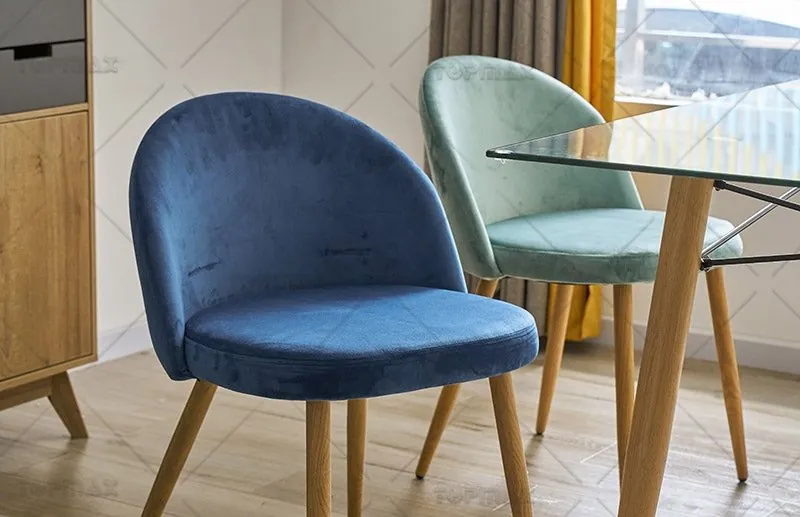
- Keep velvet furniture away from direct sunlight to prevent permanent fiber degradation and color fading.
- Vacuum your velvet chairs weekly using a soft-bristled brush attachment to prevent dust from settling deep into the pile.
- Rotate your chairs every few months to ensure even wear across the surface, especially in high-traffic areas.
- Apply a professional-grade fabric protector specifically formulated for delicate velvet fibers to repel future stains.
- Always blot spills immediately with a clean, dry white cloth rather than rubbing, which forces liquids into the fibers.
Environmental Factors for Velvet Longevity
The environment in which you place your furniture dictates its lifespan. Velvet is sensitive to ultraviolet radiation, which breaks down the chemical bonds in dyes and natural fibers. If your chair sits near a window, the side facing the glass will inevitably lighten compared to the rest of the piece.
Managing Light Exposure
To mitigate UV damage, use UV-filtering window film or sheer curtains to diffuse harsh light. If you must place a chair near a window, consider rotating it every quarter so the exposure is distributed. Furthermore, humidity levels should remain stable. Excess moisture can encourage the growth of mildew on natural velvet fibers, while excessively dry air can make synthetic fibers brittle.
How to Protect Velvet Chairs
Protecting the physical structure of the pile is essential for maintaining that signature soft sheen. Crushing occurs when heavy objects are left on the velvet for extended periods or when the fabric is subjected to constant friction.
| Protective Method | Frequency | Primary Benefit |
|---|---|---|
| Vacuuming | Weekly | Removes abrasive debris |
| Rotating | Quarterly | Prevents localized crushing |
| Fabric Shielding | Annually | Increases stain resistance |
| Steam Refresh | Biannually | Lifts matted pile fibers |
Utilizing Protective Covers
For high-traffic living rooms, consider using decorative throws or arm covers made from velvet-compatible materials. These can be easily removed and laundered, acting as a sacrificial layer against body oils, pet dander, and accidental spills. Ensure the material is soft enough that it doesn’t cause friction wear on the underlying velvet fabric.
Choosing the Right Fabric Protector
When considering how to protect velvet chairs, a high-quality protective spray is often the most effective barrier. These treatments create a hydrophobic layer around each individual fiber, causing liquids to bead up on the surface rather than soaking into the backing.
Warning: Always test your chosen fabric protector on an inconspicuous area, such as the underside of the seat or back, to ensure it doesn’t alter the color or texture of the velvet pile.
Recommended Product Categories
- Water-based fabric protectors designed for upholstery.
- Fluorocarbon-free sprays for environmentally conscious households.
- Professional furniture-grade sealants applied by certified upholstery technicians.
Proper Cleaning and Maintenance Routines
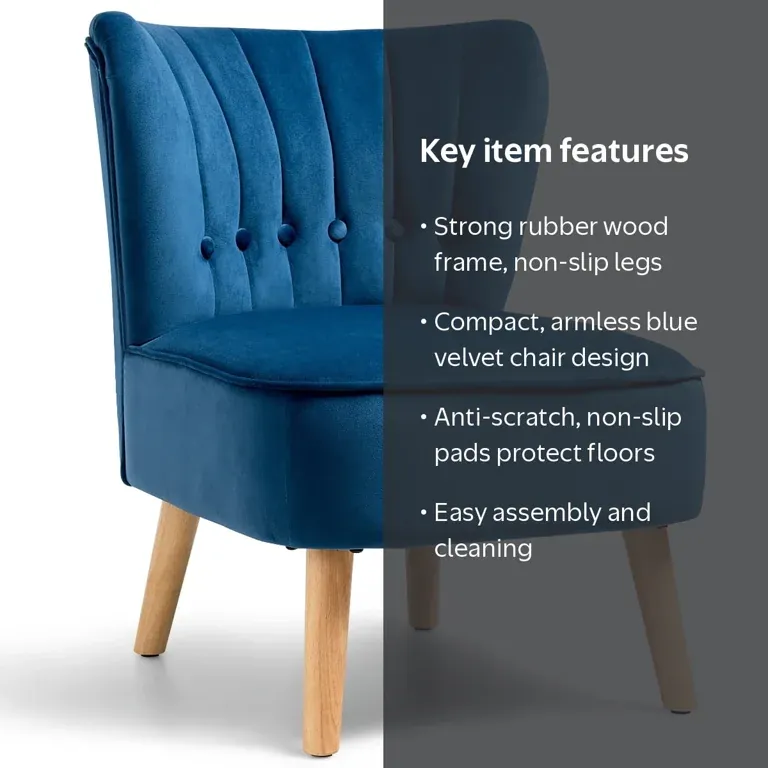
Even with the best protection, dust is inevitable. Dust isn’t merely aesthetic; it’s abrasive. When you sit on a dusty chair, the particles act like sandpaper, wearing down the delicate velvet fibers. Regular maintenance is the most effective way to prevent permanent damage to the textile surface.
The Vacuuming Process
Use a vacuum cleaner with a soft upholstery brush attachment. Avoid stiff-bristled brushes that can snag the pile. Move the brush in the direction of the nap—the direction in which the fibers naturally lie—to lift debris without causing stress to the fabric construction.
Handling Spills and Stains
When a spill occurs, speed is your greatest ally. Never scrub the area, as this will crush the pile and force the staining agent deeper into the weave.
The Blotting Technique
- Use a clean, white, absorbent cloth.
- Press firmly onto the spill to soak up as much liquid as possible.
- Don’t rub or wipe.
- If the liquid remains, lightly dampen a fresh cloth with distilled water and blot again.
- Allow the area to air dry completely before using the chair again.
Dealing with Crushed Velvet Pile
Over time, even with careful usage, velvet may appear matted or crushed. This is a characteristic of the fabric’s construction, not necessarily a sign of permanent damage. Refreshing the pile is a straightforward process that can restore the original luster and bounce.
Professional Steam Refreshing
Using a handheld steamer, hold the nozzle several inches away from the fabric. Pass the steam lightly over the affected areas. The moisture and heat will cause the fibers to relax and stand back up. Follow this by gently brushing the velvet in the direction of the nap with a soft-bristled garment brush while the fabric is still slightly damp.
Minimizing Pet and Human Wear
Pets and humans both contribute to the degradation of velvet. Pet claws can snag the weave, while body oils from hair and skin can leave dark, waxy patches on headrests and armrests.
Behavioral Adjustments
- Keep pets off velvet furniture by using deterrent sprays or training.
- Use headrest covers to protect the area most susceptible to hair oils.
- Encourage family members to use blankets to prevent skin-to-fabric contact.
- Ensure that children don’t jump on the furniture, as this causes excessive pressure on the seat cushions.
Troubleshooting Velvet Issues
If you notice specific issues, identify the cause before attempting a fix. Velvet responds differently depending on whether the fiber is natural or synthetic.
| Issue | Potential Cause | Recommended Fix |
|---|---|---|
| Dull Patches | Oil/Dirt buildup | Gentle steam cleaning |
| Water Spots | Liquid contact | Professional cleaning |
| Fading Color | UV radiation exposure | Move away from windows |
| Snagged Fibers | Pet claws/Jewelry | Don’t pull; trim carefully |
Professional Maintenance Services
Sometimes, the best way to protect your investment is to hire a professional. Upholstery cleaning services have access to industrial-grade extractors and specialized cleaning agents that are safe for velvet.
When to Call the Pros
- When a stain is large or of an unknown origin.
- When the furniture hasn’t been cleaned in over two years.
- Before applying a new protective treatment to ensure the fabric is completely clean.
- If you have a vintage piece made of delicate silk velvet that requires specific chemical handling.
Related guides
- How to Tighten Dining Room Chairs: A Step-by-Step Fix
- 10 Best Hearing Aid Amplifier Cleaning Kits for Daily Care in 2026
- 10 Best Bike Shop Tools for Professional Bicycle Maintenance in 2026
Frequently Asked Questions
Can I use a fabric protector on all velvet?
No, not all velvet is created equal. You must check the manufacturer’s care label. Silk velvet is extremely sensitive and may be ruined by standard sprays. Synthetic velvets, such as polyester or microfiber velvet, are more resilient, but testing on an inconspicuous area is still mandatory. Never apply a product that contains harsh solvents or bleaching agents to any type of velvet upholstery.
How do I get a dent out of velvet?
Dents are usually caused by heavy objects resting on the fabric for too long. You can often lift these by using a garment steamer. Hold the steamer a few inches away and apply light steam to the area. Once the fibers are slightly dampened and warm, use a soft-bristled brush to gently lift the pile back into its original position. Allow it to air dry fully.
Should I vacuum my velvet chair every day?
Daily vacuuming is generally unnecessary and can lead to over-handling, which may cause premature wear. A weekly vacuuming session is sufficient for most homes. If you have pets or live in a very dusty environment, you might increase this to twice a week. Always use the soft brush attachment to ensure you aren’t scratching the delicate surface fibers during your maintenance routine.
Is it safe to use a water-based cleaner?
Only if the fabric is marked as “WS” or “W” on the upholstery code. Many velvet fabrics are marked “S,” meaning they’re solvent-only, or “X,” meaning they should only be vacuumed. Using water on an “S” fabric can cause permanent water spots or shrinkage. Always check the furniture tag before applying any liquid cleaner, regardless of how gentle it claims to be.
How do I remove pet hair from velvet?
Velvet is a magnet for pet hair due to its textured surface. Instead of vacuuming, which can sometimes be ineffective for embedded fur, use a rubber-tipped upholstery brush or a damp microfiber cloth. The rubber creates friction that lifts the hair, while the damp cloth collects the fur through static electricity. Wipe in the direction of the nap to avoid damaging the velvet fibers while cleaning.
Can I use a lint roller on velvet?
Using a sticky lint roller on velvet is generally discouraged. The adhesive can leave behind a residue that attracts even more dust and debris over time. Furthermore, the act of pressing the sticky sheet onto the velvet can crush the pile. Stick to using a soft-bristled brush or a vacuum with an upholstery attachment, as these methods are much gentler on the fabric’s long-term integrity.
Conclusion
Maintaining the beauty of your velvet chairs requires a blend of vigilance and gentle care. By avoiding harsh chemicals, managing environmental factors, and vacuuming regularly, you prevent the accumulation of abrasive dust and oils. If you follow these guidelines, your furniture will maintain its luxurious texture and color for many years, remaining a timeless element of your home’s interior design.