
An office chair exploding might sound like something out of a cartoon, but it’s a real and dangerous possibility. You spend hours in your chair every day, and if it’s not in good condition, it could fail dramatically.
Imagine the surprise and the mess! Don’t let your workday turn into a disaster. We’ll show you exactly what to look for and how to keep your office chair safe and sound, so you can focus on your work without any unexpected explosions.
Chair Anatomy
Understanding your office chair’s parts is key. It helps you keep it safe. Knowing what makes it work prevents problems. Let’s break down your chair’s anatomy.
The Gas Lift Cylinder
This part adjusts chair height. It uses gas pressure. A faulty cylinder can fail. This is rare but possible. Check for leaks or wobbles. Do not tamper with it. Professional repair is best.
The Base And Casters
The base supports the chair. It has five legs. Casters are the wheels. They allow movement. Keep them clean. Remove hair and debris. Loose casters need tightening. A damaged base is unsafe. Replace it if cracked.
The Seat And Backrest
These parts provide comfort. They bear your weight. Check for rips or tears. Ensure padding is firm. Loose screws need tightening. Do not overload the seat. Excessive weight causes stress. This can damage the structure.
Common Failure Points
Understanding common failure points is crucial. It helps you identify risks. Regular checks prevent big problems. Your chair should be safe. Know where chairs can break. This knowledge keeps you secure.
Cylinder Blowouts
Gas cylinders can fail. This is rare but serious. A blowout is a sudden release. It can happen with old chairs. Overloading is also a cause. The cylinder might burst. This makes a loud noise. It can spray debris. Inspect your cylinder regularly. Look for leaks or damage. A damaged cylinder needs replacement.
Base Cracks
The chair base supports weight. Plastic or metal bases can crack. This happens from stress. Jumping on the chair is bad. Constant heavy use causes wear. Cracks start small. They grow over time. A cracked base is unstable. It can collapse suddenly. Check the base for any lines. Look under the chair too. Repair or replace a cracked base.
Frame Integrity
The chair frame is the core. It holds everything together. Worn frames lose strength. Welds can break apart. Bolts can loosen over time. This weakens the entire structure. The chair might wobble. It could feel unsafe. Regularly check all connections. Tighten any loose screws. Inspect the frame for bends. A compromised frame needs fixing. Safety comes first always.
Preventative Maintenance
Preventative maintenance is key. It keeps your office chair safe. Regular care prevents unexpected problems. This simple approach saves you trouble. Your chair will last longer. It will function better too.
Regular Inspections
Check your chair often. Look for loose parts. Inspect the wheels. See if the base is stable. Examine the gas lift mechanism. Any damage needs attention. Small issues can become big. Fix them right away. This keeps your chair working.
Weight Limits
Know your chair’s limit. Do not exceed it. Overloading causes stress. This can damage the chair. It might break. Always respect the weight capacity. This is very important. It ensures chair safety. It prevents sudden failure.
Proper Usage Habits
Use your chair correctly. Do not stand on it. Avoid rocking too much. Sit down gently. Do not jump into it. Treat it with care. This prevents wear and tear. It keeps the chair strong. Good habits mean safety.
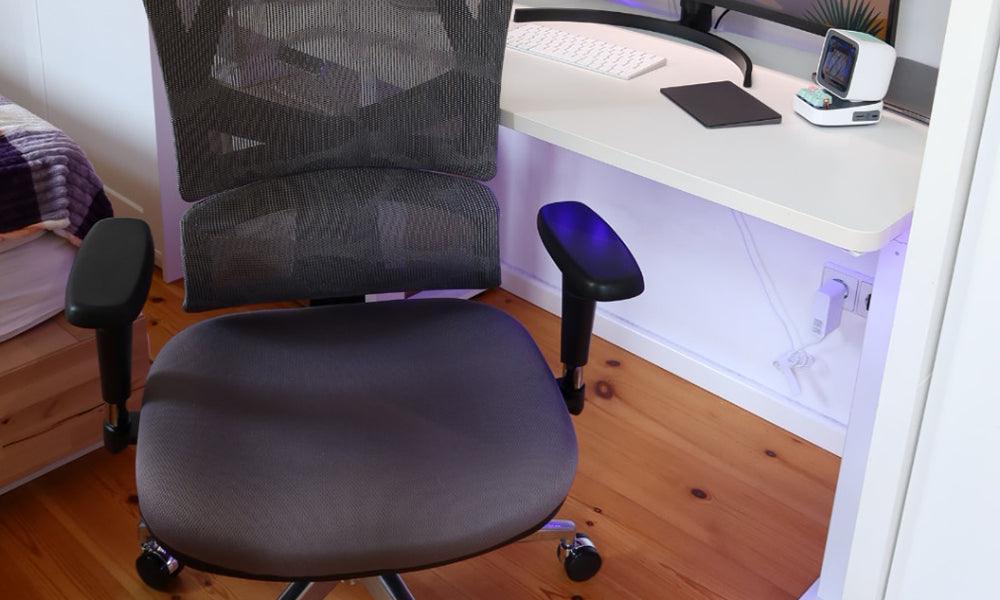
Credit: www.sihoo.com
Signs Of Trouble
Your office chair is a trusty work companion. But sometimes, chairs show signs of wear. Ignoring these warnings can cause bigger problems. It’s smart to spot trouble early. This keeps you safe. This prevents unexpected chair failures.
Wobbly Chair
Does your chair lean oddly? Does it feel unstable? This is a big warning sign. The base might be loose. The casters could be damaged. A wobbly chair is not safe. It might tip over easily. Check the screws. Tighten them if needed. Look at the wheels. Are they all attached firmly?
Hissing Sounds
Do you hear strange noises? A hissing sound is alarming. It often means gas is escaping. This happens with pneumatic chairs. The gas cylinder is failing. This is a serious issue. The chair may lose height suddenly. It could even collapse. Do not ignore this hiss. It signals a component failure.
Visible Damage
Look closely at your chair. Can you see cracks anywhere? Are there tears in the fabric? Is the plastic broken? Visible damage is a clear warning. It means parts are weak. They might break soon. Check the armrests. Inspect the back support. Look at the seat base. Any cracks are bad news. Replace damaged parts. Do not use a broken chair.
When To Replace
Your office chair is a workhorse. It supports you all day. Sometimes, chairs reach their limit. Knowing when to replace is vital. This protects you. It prevents unexpected problems.
Age Of The Chair
Chairs do not last forever. Plastics can become brittle. Metal parts can weaken. A chair’s age matters. Older chairs are less safe. They might be nearing failure.
Manufacturer Recommendations
Manufacturers know their products best. They provide guidelines. Check your chair’s manual. It states expected lifespan. Follow these suggestions. They help ensure safety.
Persistent Issues
Does your chair make noise? Are parts loose? Does it sag noticeably? These are warning signs. Small problems can grow. Do not ignore them. Fix them or replace the chair. Safety first.

Credit: flexispot.co.uk
Choosing A Safe Chair
Choosing the right office chair is key. It keeps you safe. A good chair prevents accidents. It also supports your body well. You spend many hours sitting. Make sure your chair is safe.
Certifications And Standards
Look for safety certifications. These prove the chair meets standards. ANSI and BIFMA are common. They test chair durability. They test chair stability. Certified chairs are safer. They are built to last longer.
Quality Materials
Good chairs use strong materials. Metal frames are best. They offer great support. Avoid cheap plastic parts. They can break easily. Upholstery should be durable too. It should withstand daily use. High-quality materials ensure safety.
Reputable Brands
Buy from trusted brands. Established companies value safety. They have good reputations. They offer warranties. This shows they stand by products. Research brands before buying. Read reviews from other users. Choose brands known for quality.

Credit: vaseat.com
Frequently Asked Questions
Why Do Office Chairs Explode?
Explosions are extremely rare. Usually, a gas cylinder failure causes this. This can happen due to manufacturing defects.
Can Office Chairs Really Explode?
Yes, it’s possible, but very unlikely. Most chairs are safe and reliable. Proper maintenance helps prevent issues.
How To Keep My Office Chair Safe?
Regularly inspect your chair. Check for any loose parts. Ensure the gas cylinder is secure.
What Causes Office Chair Explosions?
Faulty gas cylinders are the main cause. Overheating or damage can also play a role. Avoid using damaged chairs.
Are Gas Cylinders In Chairs Dangerous?
They can be if defective. Most are built with safety features. Handle your chair with care.
Should I Replace My Old Office Chair?
Consider replacement if it’s damaged. Older chairs might have worn parts. Safety is always important.
How Often Should I Check My Chair?
Check it at least monthly. Look for any signs of wear. A quick check keeps you safe.
Conclusion
Your office chair is safe now. Regular checks keep it working well. Tighten screws. Inspect the base. Clean the wheels. Avoid sudden movements. These steps prevent problems. Enjoy a stable seat. Your workspace stays secure. Peace of mind, always.