
Is your old metal file cabinet looking a little… drab? Maybe it’s scratched, rusty, or just not the right color for your space anymore.
Don’t toss it out just yet! You can totally transform that tired cabinet into something fresh and functional with a little bit of paint. Imagine a cabinet that perfectly matches your office decor or adds a pop of color to your garage.
It’s easier than you think to give your metal file cabinet a complete makeover. Ready to unlock its hidden potential? Keep reading to discover exactly how to paint your metal file cabinet like a pro.
Choosing Your Paint
Choosing the right paint is very important. It makes your file cabinet look good. It also helps the paint last longer. Let’s explore your paint options. This will help you get the best results.
Enamel Vs. Latex
Enamel paint is very durable. It creates a hard finish. This is good for high-traffic areas. Enamel paint resists chips and scratches. Latex paint is easier to use. It cleans up with soap and water. Latex paint dries faster too. Consider where your cabinet will be. Think about how much wear it will get.
Spray Paint Vs. Brush-on
Spray paint offers a smooth finish. It covers large areas quickly. Spray paint needs good ventilation. It can be messy if not careful. Brush-on paint gives more control. You can apply it more precisely. It works well for details. Brush-on paint might show brush marks. Choose based on your comfort. Consider the cabinet’s shape.
Primer’s Role
Primer is a must. It helps paint stick well. Primer covers old colors. It hides imperfections. Use a metal-specific primer. This prevents rust. Primer creates a smooth base. It makes the final color pop. Do not skip this important step. A good primer ensures great paint adhesion.

Credit: www.youtube.com
Gathering Supplies
Before you start painting. You need the right tools. Gathering supplies is the first step. This makes painting easier. It ensures a better finish. Let’s get started.
Cleaning Agents
Clean the cabinet well. Dirt ruins paint jobs. Use a good degreaser. It removes grease and grime. Isopropyl alcohol also works. Wipe it down thoroughly. Let it dry completely. A clean surface is key.
Sandpaper Grit
Sanding creates a smooth surface. It helps paint stick. Use medium-grit sandpaper. About 120-grit is good. It scuffs up the metal. You can also use fine-grit. About 220-grit is for smoothing. Sand lightly. You just need to rough it up. Wipe away dust. A tack cloth is useful here.
Protective Gear
Safety first. Always protect yourself. Wear a respirator mask. Paint fumes are bad. Safety glasses protect your eyes. Gloves keep hands clean. They prevent paint stains. Wear old clothes too. Painting can get messy. Be prepared for drips.
Prepping The Surface
Clean the metal cabinet well. Sand any rust or rough spots. Wipe it down again. This makes paint stick better.
This is a crucial step. Good prep work makes a big difference. It ensures your paint sticks well. A smooth finish comes from careful preparation.Cleaning Thoroughly
Start by cleaning the cabinet. Dust and grime must go. Use a degreaser or soap. Wipe it down well. Dry the metal completely. A clean surface is essential.Sanding For Adhesion
Next, lightly sand the metal. This creates a rougher surface. Paint sticks better to rough surfaces. Use fine-grit sandpaper. A 120-grit is good. Sand in one direction. Wipe away all dust.Removing Hardware
Take off any handles. Remove drawer pulls too. This prevents paint drips. It gives you a cleaner look. You can paint these parts separately. Reattach them later.Priming For Perfection
Get your metal file cabinet ready. Proper priming creates a smooth surface. This ensures your paint adheres well. A perfect finish starts here.
Proper priming is key. It makes your paint stick. It also hides old colors. A good primer creates a smooth surface. This ensures a beautiful final look. Do not skip this important step.Applying The First Coat
Use a metal primer. Choose one designed for metal. Shake the can well. Spray in light, even coats. Keep the can moving. Overlap your spray passes. This prevents drips.Drying Time
Let the primer dry completely. Check the primer can. It will tell you the time. This usually takes an hour. Some primers need longer. Be patient. Rushing causes problems.Second Coat If Needed
Inspect the primed cabinet. Do you see any dark spots? Are there shiny areas? Apply a second coat. Use the same method. Light coats are best. Ensure even coverage. Let this coat dry fully. Your surface is now ready.Applying The Color
Applying the color is the next step. Spray paint offers a smooth finish. Apply thin, even coats.
This is where your file cabinet gets its new look. You will bring your vision to life. Color transforms drab metal. Prepare for a vibrant change.Spray Painting Technique
Spray paint offers a smooth finish. Hold the can about 10 inches away. Move your hand in steady sweeps. Overlap each stroke slightly. This prevents drips and streaks. Work in a well-ventilated area. Use a mask for protection.Brush Or Roller Method
Brushes and rollers work too. They offer more control. Use a good quality metal primer first. Apply thin paint layers. Avoid pressing too hard. Let each coat dry fully. This builds up the color. Choose a foam roller for smooth coats.Thin, Even Coats
This is very important. Do not rush the process. Multiple thin coats are best. They create a durable finish. Thick coats can look messy. They may peel later. Patience yields great results. Let paint dry between coats. This ensures a professional look.
Credit: www.youtube.com
Drying And Curing
Proper drying and curing are vital. Allow each coat to dry completely. This ensures paint adhesion and a durable finish.
This section covers drying and curing. These steps are vital. They ensure your paint job lasts. Proper drying protects your new finish. Curing makes it strong.Patience Is Key
Don’t rush this process. Your paint needs time. It needs to set properly. Touching wet paint causes damage. You will ruin your hard work. Wait for the recommended drying time. Check the paint can instructions.Ventilation Matters
Good airflow is important. Open windows and doors. Use fans to move air. This helps paint dry faster. It also removes fumes. Fumes are not good to breathe. A well-ventilated space is safer. It also improves the finish.Full Cure Time
Drying is not the same as curing. Drying means the surface is not wet. Curing means the paint is hard. It is fully bonded to the metal. This takes longer than drying. It can take days or weeks. Avoid heavy use during curing. This protects the paint. It gives you a durable finish.Finishing Touches
Prep work is key for a smooth finish. Apply a primer designed for metal. Then, add your chosen paint color.
The final steps bring your project to completion. These finishing touches make a big difference. They ensure a professional and lasting result. Your painted file cabinet will look amazing.Reattaching Hardware
Now, it is time to put things back. Reattach the handles and knobs. Make sure they are secure. Use the original screws. If screws are lost, find replacements. New hardware can also update the look.Optional Sealant
Consider a sealant. A clear coat adds protection. It prevents chips and scratches. This is especially useful for high-traffic areas. Apply it evenly. Let it dry completely.Admire Your Work
Step back and look. Your file cabinet is transformed. It has a fresh, new appearance. You did a great job. Enjoy your updated storage. It is ready for use.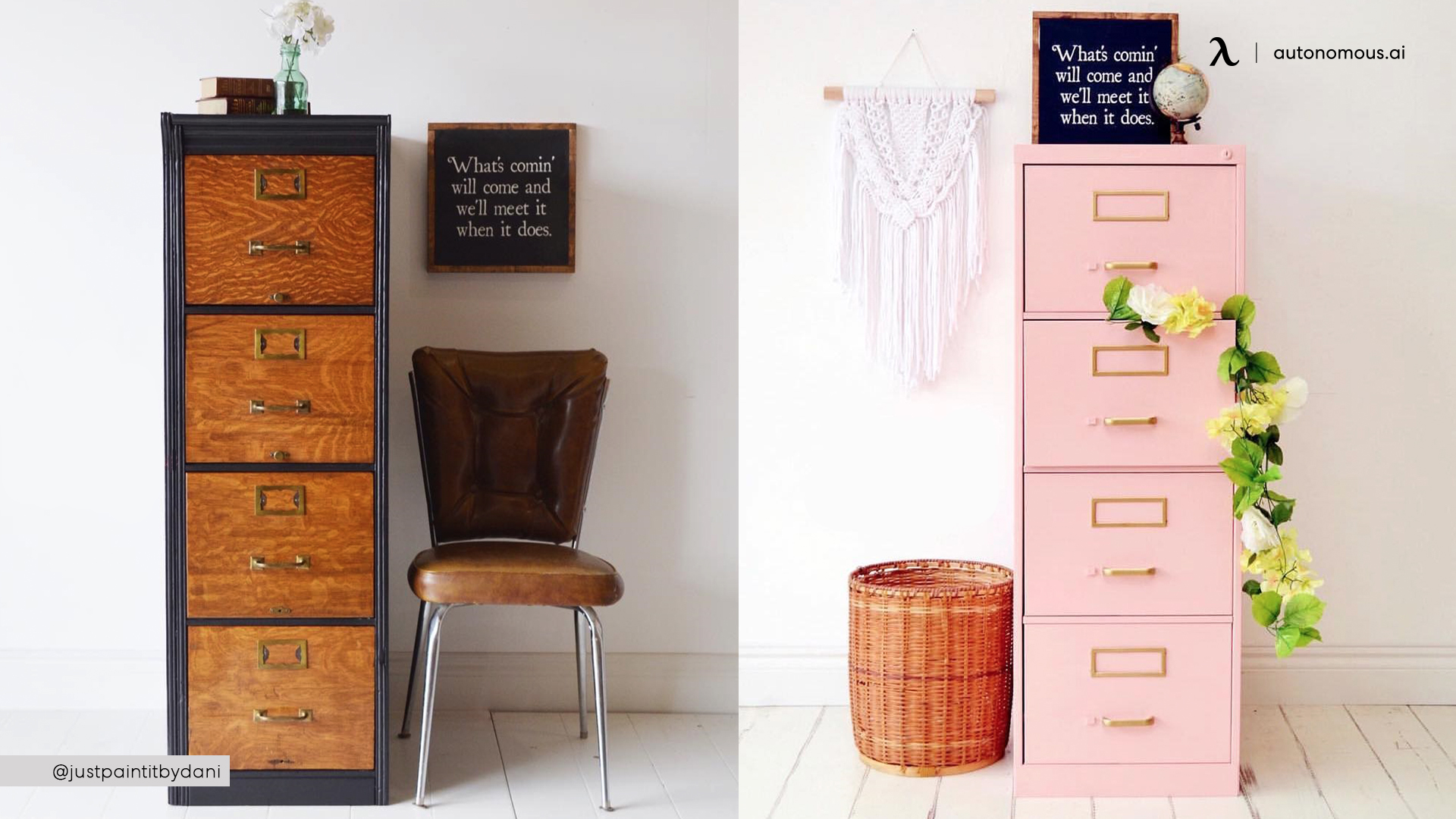
Credit: www.autonomous.ai
Frequently Asked Questions
What’s The Best Paint For Metal Cabinets?
Use a spray paint designed for metal. Enamel or epoxy paints work well. They offer durability and a smooth finish.
How Do I Prepare Metal Cabinets For Painting?
Clean the cabinets thoroughly. Remove any rust with sandpaper. Then, wipe them down with a damp cloth.
Should I Use A Primer On Metal Cabinets?
Yes, a metal primer is important. It helps the paint stick better. This prevents chipping and ensures a lasting color.
How Many Coats Of Paint Are Needed?
Two to three thin coats are usually best. Allow each coat to dry fully. This builds a strong, even layer.
Can I Paint A Metal File Cabinet Without Sanding?
Sanding helps paint stick best. Skipping it might lead to peeling. A good degreaser can help reduce sanding.
How Long Does Painted Metal Cabinet Take To Dry?
Most spray paints dry in minutes. Full curing can take a day or two. Avoid heavy use until then.
What If I Get Paint Drips On My Cabinet?
Wipe away drips while wet. Use a cloth dipped in paint thinner. You can also sand them down later.
Conclusion
Painting your metal file cabinet is simple. You can transform its look. Prepare the surface well. Choose the right paint. Apply thin coats. Let each coat dry. Your cabinet will look new. Enjoy your updated storage. It’s a satisfying project.
Give it a try today.