
To safely jump start a dirt bike, connect its 12-volt battery directly to a portable jump pack or bump-start the engine down a slight slope in second gear. The single most common cause of the failure is a flat battery from leaving the key switch on overnight, which drains the charge completely.
Reasons your dirt bike won’t start
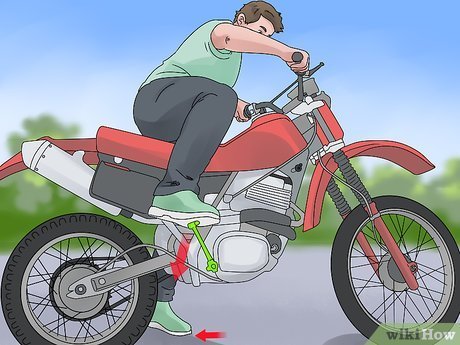
A dirt bike battery carries very little reserve capacity because it must remain light and compact. When the bike sits parked for several weeks without a maintainer, normal chemical self-discharge empties the cells until the starter relay can’t click. Another frequent issue involves loose ground wires; trail vibrations shake terminal bolts loose, cutting off electrical flow even when the cell holds power. Finally, leaving aftermarket accessories wired straight to the terminal posts continuously pulls current while the engine sits silent. When this happens, the starter motor doesn’t get enough amperage to turn the crank, leaving you stranded on the trail unless you provide an outside power source or manually spin the transmission.
Jump using a portable lithium pack
This method works best for electric-start bikes stranded at the trailhead or in a garage. Turn your bike’s ignition switch off, remove the seat bolts, and uncover the battery. Clamp the red positive lead from your jump pack to the bike’s positive terminal first. Next, attach the black negative clamp directly to an unpainted metal frame bolt or the engine case, never to the negative terminal itself. Switch on the power pack, turn the bike key on, make sure the kill switch is set to run, and press the start button for no longer than three seconds. Once the engine idles smoothly, disconnect the black clamp immediately, followed by the red clamp. You’ll know it worked when the motor revs cleanly without stalling as soon as you remove the leads. If the wiring harness looks melted or smells burnt, stop immediately and tow the machine to a certified motorcycle technician.
Bump start in second gear
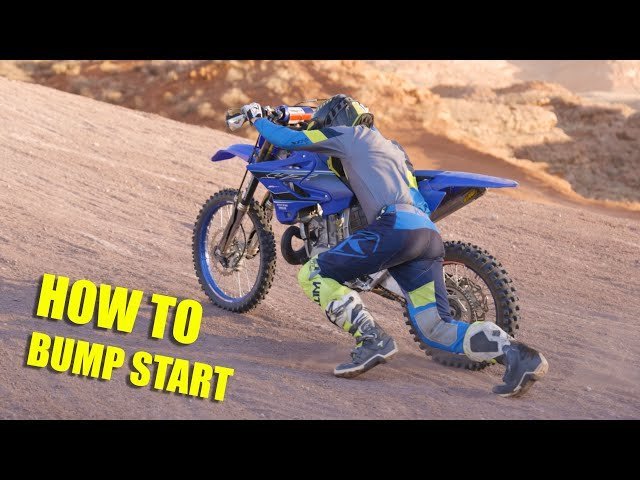
This solution suits riders on mechanical, manual-clutch dirt bikes with dead batteries out on open trails where no cables exist. This technique isn’t for bikes with centrifugal clutches or fully automatic transmissions.
- Turn the ignition key on and make sure the engine stop switch is set to the run position.
- Shift the transmission past neutral up into second gear; first gear locks the rear wheel too easily on dirt.
- Pull the clutch lever all the way to the grip and push the machine up a slight decline.
- Run alongside the motorcycle until you reach a steady jogging speed.
- Drop your full body weight down onto the seat while letting the clutch lever out quickly, then feed the throttle a tiny quarter-turn.
- As soon as the engine catches, pull the clutch back in so the bike doesn’t get away from you.
The trade-off here is clear: you save time by skipping tools, but you spend heavy physical energy and risk dropping the bike on loose dirt.
Connect to a resting car battery
Use this method only when a portable power pack is unavailable and you have standard jumper cables nearby. It’s worth the extra caution when you’re far from home, but it carries a real limit: this varies by model — check the label on your bike’s battery to confirm it runs on a standard 12-volt system before touching any leads. Most small youth models run on 6-volt systems, which you’ll ruin instantly with this approach. Keep the car’s engine completely turned off throughout the entire process; an active automotive alternator pushes far too many amps for small motorcycle wiring harnesses. Attach red to the car’s positive post, red to the bike’s positive post, black to the car’s negative post, and the remaining black clamp to a clean frame bolt on your bike. Hit the starter button, disconnect the cables in reverse order the moment it starts, and let the motorcycle run.
What not to do
- Don’t run the donor car’s engine while jumping the bike because high amperage from a car alternator can fry your regulator-rectifier.
- Don’t keep pressing the starter button for more than five seconds straight; this mistake overheats the small starter motor and costs hundreds of dollars in repair bills.
- Don’t try to bump-start a bike in first gear because the rear tire will simply skid across loose gravel instead of turning the engine over.
- Don’t attach the final negative cable clamp directly to the dead battery terminal, since minor sparks can ignite venting hydrogen gas. Follow standard OSHA jump starting procedures to keep electrical grounds separated from battery vents.
How to stop it happening again
Keeping dirt bike batteries healthy requires simple maintenance habits between your weekend rides.
| If you’re doing this | Do this instead | Why |
|---|---|---|
| Leaving the bike parked all winter | Plug in a dedicated smart trickle charger | Small batteries self-discharge in cold weather within weeks |
| Leaving key switches turned on | Turn off the key and remove it every time | Dashboard lights slowly drain small cells overnight |
| Ignoring muddy terminal connections | Clean posts with a wire brush and tighten them | Dirt and corrosion block charging current from the stator |
| Storing the motorcycle below freezing | Pull the battery out and store it indoors | Freezing temperatures permanently crack discharged plates |
Frequently asked questions
Can you jump a dirt bike with a running car?
No, keep the car engine off. A running car’s charging system can output a voltage higher than the motorcycle’s electrical system is designed to handle, potentially damaging sensitive electronics. Always make sure the donor car engine stays completely switched off while connected to the motorcycle.
Why won’t my dirt bike push start?
Your bike won’t push start if the kill switch is set to off or the transmission is stuck in neutral. If you try starting in first gear on loose dirt, the back tire also slides instead of spinning the engine. Shift into second gear on packed ground.
How long does a dirt bike battery take to recharge by riding?
About twenty to thirty minutes of continuous mid-throttle riding will replace the charge used to crank the engine. If your machine idles the whole time, the stator won’t spin fast enough to restore the voltage you lost, leaving it dead the next time you turn the key.
Is it safe to bump start a fuel injected dirt bike?
Yes, if the battery still holds enough power to run the internal fuel pump. Completely dead fuel-injected systems can’t inject fuel or power the computer, so you’ll need at least a partial charge or a jump pack to get the pump running before bump starting works.
What happens if you hook the jump cables backward?
Connecting cables backward blows your main fuse instantly. If your bike lacks inline fuse protection, reverse polarity melts wire insulation, destroys the ignition control module, and can permanently ruin your battery cells within seconds through a direct, high-heat electrical short.
Final Thoughts
Once your engine is purring again, take it for a steady ride for at least twenty minutes. This gives your charging system enough time to replenish the power you lost. If it won’t hold a charge after that, don’t hesitate to swap in a fresh battery so you’re ready for your next adventure.
Related guides