
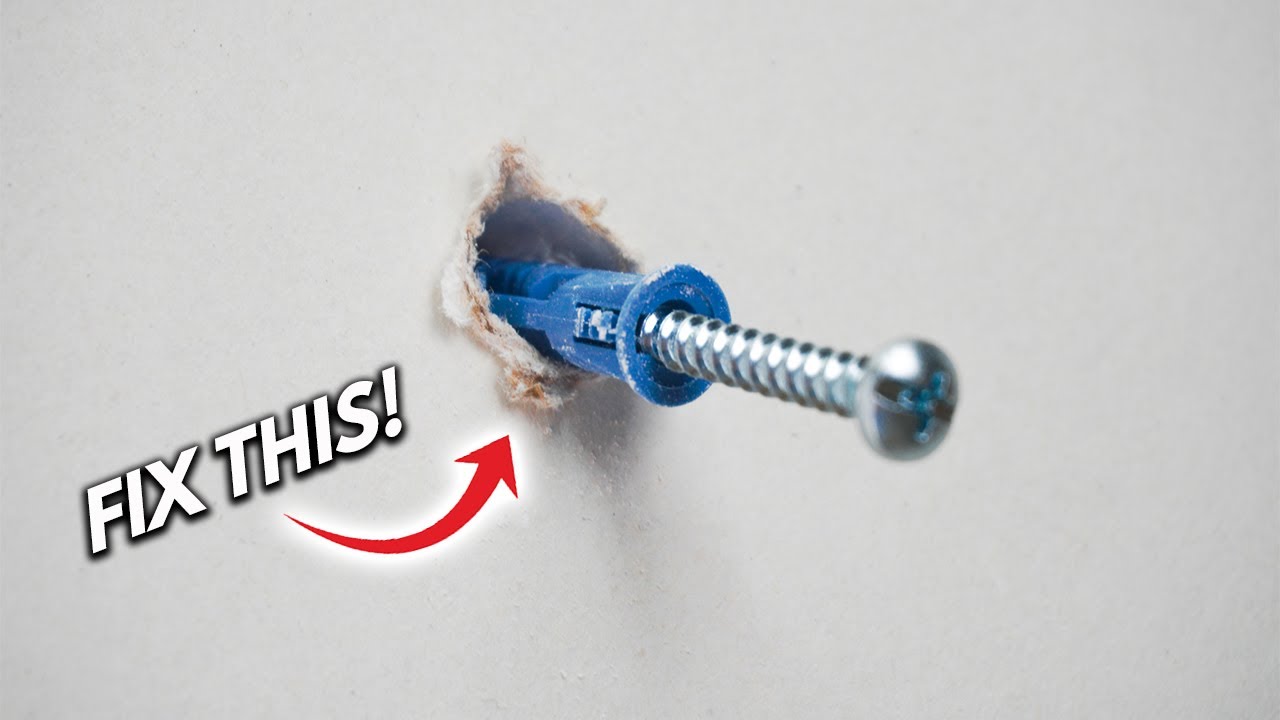
Have you ever pulled a picture off the wall, only to find a hole that’s way too big for a simple patch? Those oversized wall anchor holes can be frustrating and tricky to fix.
But don’t worry—your walls don’t have to stay damaged or ugly. You’ll discover easy, step-by-step ways to repair those holes so your walls look smooth and flawless again. Keep reading, and you’ll learn how to make those annoying holes disappear like they were never there.
Credit: www.youtube.com
Causes Of Oversized Wall Anchor Holes
Oversized wall anchor holes happen for several reasons. Most of the time, people make small errors that grow into bigger problems. Understanding these causes helps fix the issue quickly.
It is easy to drill a hole that is too large. This makes the anchor loose and weak. The wall might get damaged, and the anchor will not hold well.
Common Mistakes With Wall Anchors
One mistake is using the wrong drill bit size. Many choose a bit that is bigger than the anchor. This causes the hole to be too wide.
Another mistake is drilling at an angle. The hole becomes irregular and bigger on one side. This weakens the wall’s grip on the anchor.
Forgetting to check the wall type also leads to oversized holes. Different walls need different anchor sizes and drill bits.
Impact Of Incorrect Anchor Size
Using an anchor that is too small for the hole causes the wall to crack. The anchor will move inside the hole. It cannot support weight properly.
Choosing an anchor too large for the hole forces the hole to stretch. This damages the wall and makes the anchor loose. The fix becomes harder and more costly.

Credit: diy.stackexchange.com
Materials Needed For Repair
Fixing wall anchor holes that are too big requires the right materials. Using proper tools and fillers makes the repair strong and neat. Gathering everything before starting saves time and effort.
This section covers the basic supplies needed. Get ready to learn what tools and fillers work best for this task.
Essential Tools And Supplies
You will need a few simple tools. A putty knife helps spread filler smoothly. Sandpaper smooths rough spots after drying. A utility knife removes loose debris from the hole. A small brush cleans dust inside the hole. A damp cloth wipes the wall clean before repair. These tools keep the repair clean and tidy.
Choosing The Right Filler
Select a filler that matches your wall type. For drywall, use spackle or joint compound. These fillers are easy to apply and sand. For plaster walls, use plaster repair compound. It bonds better with plaster surfaces. For larger holes, consider a patch kit with mesh. This adds strength and prevents cracks. Check drying time on the product label. Fast drying fillers speed up your work. Pick fillers that can be painted over easily. This helps the repair blend with your wall.
Preparing The Hole For Repair
Preparing the hole for repair is the first step to a strong fix. The area needs to be clean and smooth before filling. This helps the patch stick well and last longer. Taking time now saves effort later.
Cleaning And Smoothing The Area
Start by wiping the hole and the wall around it. Remove dust and dirt with a damp cloth. Use sandpaper to smooth rough edges. This creates a good surface for the filler to hold on to. Smooth edges prevent the patch from cracking.
Removing Loose Debris
Check the hole for any loose bits inside. Use a small brush or vacuum to clear out debris. Loose material can cause weak patches and poor adhesion. Make sure no crumbly pieces remain. A clean hole means a stronger repair.
Credit: www.reddit.com
Filling Large Wall Anchor Holes
Large wall anchor holes can be tricky to fix. They need more care than small holes. Filling these holes correctly helps your wall look smooth and neat. Use the right materials for the best results. This section explains how to fill big holes easily.
Using Spackle Or Wall Putty
Spackle or wall putty works well for medium-sized holes. First, clean the hole to remove dust and loose pieces. Press the spackle into the hole with a putty knife. Fill it completely and smooth the surface. Let it dry according to the instructions on the package. After drying, sand the area until it is even with the wall. Repeat if needed for a perfect finish.
Applying Joint Compound For Bigger Holes
Joint compound is better for bigger holes over an inch wide. Start by cleaning the hole thoroughly. Use a patch or mesh tape to cover the hole. This supports the compound and prevents cracks. Apply a thick layer of joint compound over the patch. Spread it with a wide putty knife for smoothness. Let it dry fully, then sand the surface gently. Apply a second coat if the hole is still visible. Sand again after the final coat for a clean look.
Reinforcing The Repair For Strength
Reinforcing the repair adds strength and durability to wall anchor holes that are too big. This step prevents cracks and holes from reopening after fixing. It ensures the patch holds well over time. A strong repair keeps your wall smooth and ready for painting or hanging items again.
Adding Mesh Or Patch Material
Use mesh or patch material for extra support. Cut a piece slightly larger than the hole. Place it inside or over the hole. The mesh helps the filler stick and stay firm. It stops the repair from cracking or falling out. Fiberglass mesh is a common choice and easy to find in stores.
Drying And Sanding Techniques
Let the filler dry completely before sanding. Drying time varies but usually takes a few hours. Sand the surface gently with fine-grit sandpaper. Sand until the area is smooth and flush with the wall. Avoid sanding too hard to prevent damage. Clean the dust off with a dry cloth before painting.
Reinstalling Wall Anchors Securely
Reinstalling wall anchors securely is important for strong support. Large holes can weaken the hold of an anchor. Fixing these holes properly ensures the anchor stays tight. Follow simple steps to choose the right anchor and install it well.
Selecting The Correct Anchor Size
Use an anchor size that fits the hole snugly. Too small anchors will not hold well. Too large anchors may cause the wall to crack. Measure the hole diameter before buying anchors. Choose one that matches or slightly expands to fill the hole. This prevents the anchor from moving inside the wall.
Proper Installation Tips
Clean the hole from dust and debris before inserting the anchor. Push the anchor gently but firmly into the hole. Use a hammer if needed, but avoid damaging the wall. Tighten screws slowly to avoid enlarging the hole. Stop when the anchor feels secure. Avoid over-tightening as it can loosen the anchor or damage the wall.
Painting And Finishing Touches
Painting and finishing touches complete the repair of wall anchor holes. This step makes your wall look smooth and fresh. It hides any signs of filling or patching. A careful paint job blends the repair with the rest of the wall.
Matching Wall Texture
Wall texture varies from smooth to rough or patterned. Matching the texture helps the repair blend in. Use a small brush or sponge to mimic the wall’s texture. Dab or swirl the patch area lightly to copy the original look. Let the texture dry fully before painting.
Blending Paint Seamlessly
Choose paint that matches your wall color exactly. Test a small amount on the patched area first. Use a soft brush or roller to apply paint evenly. Feather the edges by brushing lightly outward from the patch. This prevents hard paint lines and visible spots. Apply a second coat if needed for full coverage.
Preventing Future Anchor Hole Issues
Preventing future anchor hole issues helps keep walls strong and neat. Small mistakes can cause holes to become too big. This weakens the wall and makes repairs harder. Careful planning and proper tools stop these problems before they start.
Measuring And Drilling Accurately
Measure the spot carefully before drilling. Use a level or tape measure to mark the exact point. Choose a drill bit that matches the anchor size. Drill slowly and straight into the wall. Avoid making the hole larger than needed. This keeps the anchor tight and secure.
Using Appropriate Anchors For Wall Types
Select anchors based on wall material. Drywall, plaster, and concrete need different anchors. Use plastic anchors for drywall and heavier-duty anchors for concrete. Match the anchor size to the weight of the object. Proper anchors hold firm and prevent wall damage.
Frequently Asked Questions
What Causes Wall Anchor Holes To Become Too Big?
Wall anchor holes get too big when anchors are removed roughly or wrong size anchors are used. Over-tightening screws can also enlarge the hole. This weakens the wall and makes repair necessary.
Can I Reuse A Wall Anchor Hole That Is Too Big?
Reusing a hole that is too big is not recommended because the anchor won’t hold well. It’s better to fix the hole first. This ensures the anchor stays secure and the wall stays strong.
What Materials Do I Need To Fix Large Wall Anchor Holes?
You will need spackle or wall filler, sandpaper, a putty knife, and paint to fix large holes. Sometimes, a drywall patch may be necessary for very big holes. These materials help restore the wall smoothly.
How Do I Fill A Wall Anchor Hole That Is Too Big?
Clean the hole, then apply spackle or filler with a putty knife. Let it dry fully before sanding smooth. Finally, paint over the patched area to match the wall color.
Can Wall Anchor Holes Be Repaired Without Drywall Patches?
Small to medium holes can be fixed without drywall patches using spackle or filler. For holes larger than one inch, a drywall patch is often needed. This gives stronger support for anchors.
How Long Does It Take For Filler To Dry In Large Holes?
Filler usually takes 1 to 2 hours to dry for small holes. Large holes or thick layers may need up to 24 hours. Always check the product instructions for best results.
Is Sanding Necessary After Filling Wall Anchor Holes?
Yes, sanding smooths the filled area to blend with the wall surface. It helps paint stick better and creates a neat finish. Use fine-grit sandpaper for best results.
What Type Of Paint Should I Use After Fixing Wall Holes?
Use the same type and finish of paint as your wall for a seamless repair. Latex or acrylic paint works well for most interior walls. Match the color carefully for best results.
Can I Prevent Wall Anchor Holes From Becoming Too Big?
Use the correct size anchor for your wall and avoid over-tightening screws. Remove anchors gently to keep holes small. Proper installation helps keep your wall strong.
When Should I Call A Professional For Fixing Wall Anchor Holes?
Call a professional if holes are very large or if the wall is damaged behind the surface. Professionals can ensure a safe and long-lasting repair. They have the right tools and skills.
Conclusion
Fixing wall anchor holes that are too big is simple and quick. Use the right materials like spackle or wood filler to fill the gaps. Let the filler dry completely before sanding it smooth. Paint over the patch to match your wall color.
Small holes don’t have to be a problem. With a little effort, your wall looks clean and neat again. Keep these easy steps in mind for any future fixes. Your walls will stay strong and beautiful with proper care.