
Have you noticed your Collision Mitigation Braking System acting up or warning lights popping on? It can be frustrating and even a little scary when your car’s safety features don’t work like they should.
But don’t worry—you don’t have to be a mechanic to understand what’s going wrong or how to fix it. You’ll learn simple, clear steps to troubleshoot and repair your Collision Mitigation Braking System. Keep reading, and you’ll soon feel confident about getting your car’s safety system back in top shape.
Signs Of Collision Mitigation Braking System Issues
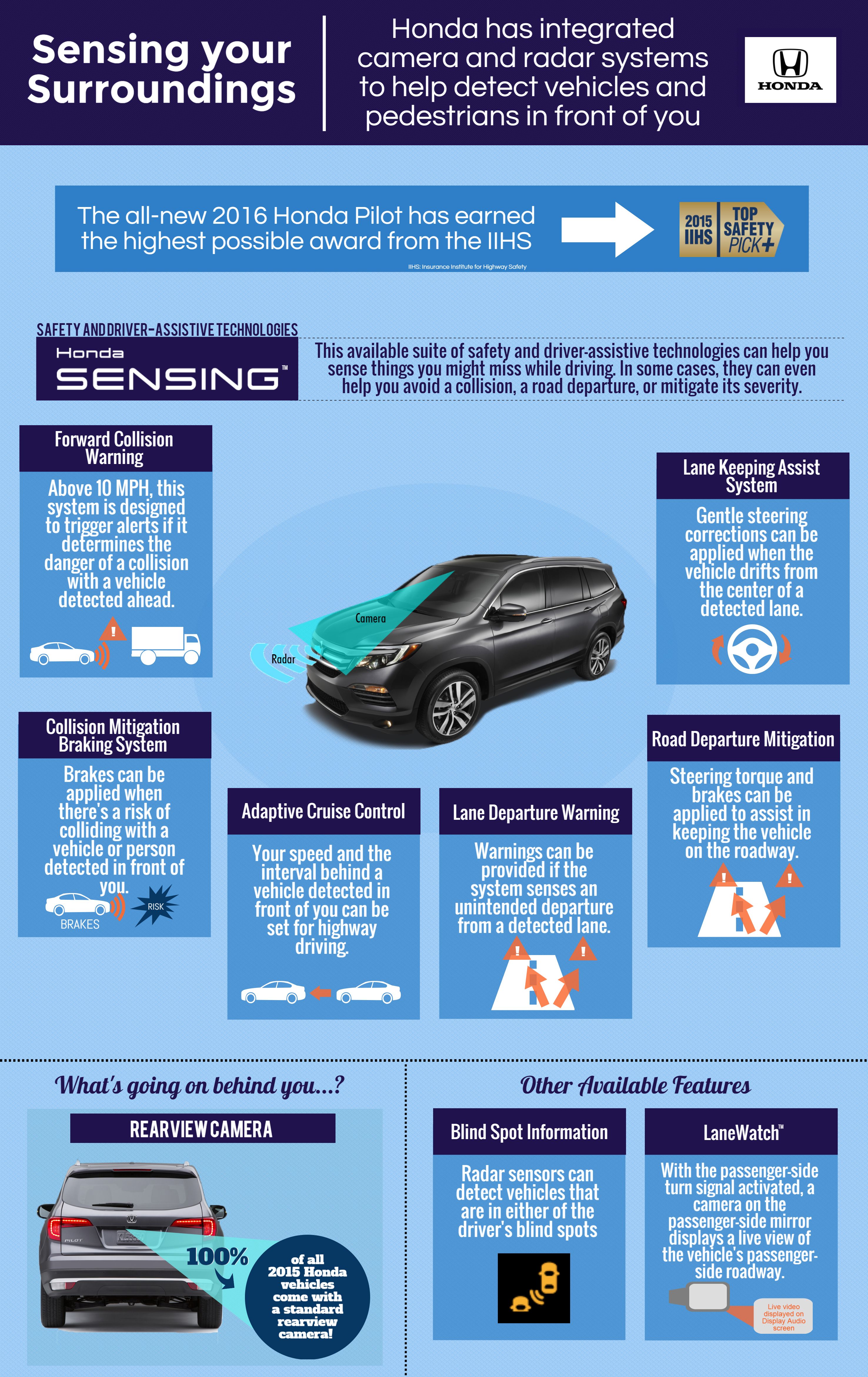
The Collision Mitigation Braking System (CMBS) helps keep drivers safe by preventing crashes. It uses sensors and brakes to reduce impact in emergencies. Knowing the signs of CMBS problems is important. Early detection can keep you and others safe on the road.
Recognize these signs to spot issues before they become serious. Acting fast can avoid costly repairs and dangerous situations.
Warning Lights And Alerts
Your dashboard shows warning lights for CMBS problems. A yellow or red light may appear. Sometimes a message will pop up on the screen. These alerts tell you the system needs attention. Never ignore these signs. They warn of possible system failure.
Unusual Braking Behavior
CMBS issues often cause strange braking actions. The brakes might activate without reason. Or they might not respond when needed. You may feel sudden or weak braking. This makes driving unsafe. Notice any odd brake reactions and get the system checked.
Sensor Malfunctions
Sensors are vital for CMBS to work correctly. Dirt, ice, or damage can block sensors. This causes system errors or false alerts. The system might fail to detect obstacles. You may hear beeping or see error messages. Keep sensors clean and inspect them regularly.
Credit: www.repairerdrivennews.com
Basic Troubleshooting Steps
Basic troubleshooting steps can help fix your Collision Mitigation Braking System quickly. These steps are simple and do not need special tools. They often solve common problems that cause the system to fail. Follow these steps carefully to check the system and restore its function.
Check For Obstructions
Look around the front of your vehicle. Dirt, snow, or leaves can block sensors. Remove any objects that cover the sensors. Also, check for damage or cracks on sensor covers. Clear the area to ensure sensors have a full view.
Inspect Sensor Cleanliness
Dirty sensors cannot work correctly. Use a soft cloth to clean the sensors gently. Avoid using harsh chemicals that can damage sensor surfaces. Clean sensors help the system detect obstacles accurately. Keep sensors dry after cleaning for best results.
Restart The Vehicle System
Turn off your vehicle completely. Wait for about one minute. Turn the vehicle back on to reset the system. This step can clear minor glitches in the system. If the warning light remains, further inspection may be needed.
Advanced Diagnostic Methods
Advanced diagnostic methods help you find and fix problems with the Collision Mitigation Braking System (CMBS). These techniques go beyond simple checks and give detailed information. They save time and prevent guesswork. Understanding these methods helps you keep your vehicle safe and running well.
Using Obd-ii Scanners
OBD-II scanners connect to your car’s computer system. They read data from the CMBS and other parts. You plug the scanner into a port under the dashboard. The device shows live data and error codes. It helps spot issues fast. Many scanners are easy to use and affordable.
Interpreting Error Codes
Error codes tell you what part of the CMBS is not working. Each code has a specific meaning. Some codes point to sensor problems, others to wiring or software faults. Use a code guide or online database to understand the codes. Knowing what each code means guides your repair steps.
Resetting The System
After fixing the issue, reset the CMBS to clear error messages. Some scanners have a reset function. You can also reset by disconnecting the car battery for a few minutes. Resetting helps the system recalibrate. It confirms the repair was successful and the system is ready to protect you again.

Credit: www.youtube.com
Sensor Calibration Techniques
Sensor calibration is a key step to fix the Collision Mitigation Braking System. Proper calibration ensures sensors detect obstacles correctly. This improves safety and system performance.
Small errors in sensor alignment or settings cause false warnings or failures. Using the right techniques keeps sensors accurate and reliable. Here are important methods for sensor calibration.
Aligning Front Sensors
Front sensors must face the right direction. Misaligned sensors can miss objects or give wrong signals. Use a flat surface and measuring tools for proper alignment. Check the sensor height and angle carefully. Make small adjustments and test sensor response after each change.
Adjusting Radar And Camera Settings
Radar and cameras need correct settings for clear detection. Set radar range and sensitivity to match vehicle specifications. Adjust camera focus and brightness to capture sharp images. Avoid too high or low settings that cause errors. Test settings on different roads and lighting for best results.
Calibration Tools And Software
Use manufacturer tools and software for precise calibration. These tools guide each step and check sensor accuracy. Connect diagnostic devices to the vehicle’s system for real-time feedback. Follow software instructions carefully to complete calibration. Regular updates keep tools effective and compatible with new sensors.
When To Replace Components
Knowing when to replace parts of the Collision Mitigation Braking System (CMBS) is key. The system relies on various components to work correctly. Worn or faulty parts can reduce safety. Replacing these parts on time keeps the system effective and your car safe.
Identifying Faulty Sensors
Sensors detect obstacles and help prevent collisions. Watch for warning lights on your dashboard. A blinking or steady light can mean a sensor problem. Strange noises or erratic braking may also signal sensor issues. Sensors exposed to dirt or damage often fail. Regular sensor checks can catch problems early.
Brake System Checks
The braking system works closely with CMBS. Brake pads, rotors, and fluid must be in good shape. Listen for squeaking or grinding sounds. These noises often mean worn brake pads. Check brake fluid levels regularly. Low fluid can cause weak braking power. Replace brake parts when wear is visible or braking feels weak.
Professional Repair Vs Diy
Some CMBS repairs need expert tools and knowledge. Sensor replacement or brake system repairs can be complex. Professionals ensure correct installation and system calibration. Simple tasks like cleaning sensors can be done at home. Avoid guessing or rushing fixes. Safety depends on proper repairs and checks.
Preventive Maintenance Tips
Keeping your Collision Mitigation Braking System (CMBS) in good shape helps avoid sudden failures. Regular care ensures the system responds quickly and safely. Preventive maintenance is key to fixing small problems before they grow.
Regular Sensor Cleaning
Sensors detect obstacles and help prevent collisions. Dirt, dust, or grime can block sensors. Clean them carefully with a soft cloth and mild cleaner. Avoid harsh chemicals that can damage the sensors. Clean sensors improve system accuracy and reliability.
Software Updates
Car makers release updates to fix bugs and improve CMBS performance. Check for software updates often. Updates keep the system current and fix known issues. Visit your dealer or use the car’s update feature. Updated software helps the system run smoothly.
Routine System Checks
Run regular system checks to spot problems early. Use the car’s built-in diagnostics or visit a mechanic. Check warning lights and error messages on the dashboard. Fix any detected issues promptly. Routine checks keep the braking system ready to protect you.
Safety Precautions During Repairs
Repairing the Collision Mitigation Braking System requires careful safety steps. This system works with sensitive parts and electronics. Taking precautions protects you and the vehicle from damage. Follow these key safety tips during repairs.
Disconnecting The Battery
Always disconnect the battery before starting repairs. This stops electrical shocks and prevents accidental airbag deployment. Remove the negative terminal first. Wait at least 10 minutes before touching any components. This step keeps the system safe and avoids errors.
Handling Sensitive Electronics
Handle electronic parts with care. Avoid touching circuit boards or connectors with bare hands. Use gloves to prevent static electricity damage. Place components on anti-static mats. Keep liquids and dust away from electronics during repair.
Using Proper Tools
Use tools designed for automotive electronics. Avoid using worn or cheap tools that can slip or cause damage. Use insulated screwdrivers and plastic pry tools. This protects delicate parts and helps complete the repair correctly.

Credit: www.reddit.com
Frequently Asked Questions
What Is A Collision Mitigation Braking System?
It is a safety feature that helps prevent or reduce crash impact. It uses sensors to detect obstacles and applies brakes automatically.
Why Is My Collision Mitigation Braking System Not Working?
The system may fail due to dirty sensors, software issues, or faulty components. Regular checks can help identify the exact problem.
How Can I Reset The Collision Mitigation Braking System?
Resetting often involves turning off the car, waiting a few minutes, then restarting. Some cars require a scan tool to clear errors.
Can I Fix The Collision Mitigation Braking System Myself?
Basic fixes like cleaning sensors can be done at home. Complex repairs should be handled by a professional mechanic.
What Causes Collision Mitigation Braking System Errors?
Common causes include sensor misalignment, dirt buildup, or electrical problems. Weather conditions can also affect sensor performance.
How Do I Clean The Collision Mitigation Braking System Sensors?
Use a soft cloth and mild cleaner to wipe sensors gently. Avoid harsh chemicals that may damage sensor surfaces.
Does Low Battery Affect The Collision Mitigation Braking System?
Yes, a weak battery can cause system malfunctions or error lights. Keeping the battery healthy helps maintain system performance.
When Should I Take My Car To A Mechanic For This System?
Visit a mechanic if warning lights stay on or system fails to respond. Professionals can diagnose and fix sensor or software issues.
Can Software Updates Fix Collision Mitigation Braking System Problems?
Yes, manufacturers release updates that improve system accuracy and fix bugs. Updates are usually done at authorized service centers.
How Does Weather Affect The Collision Mitigation Braking System?
Heavy rain, snow, or fog can block sensors or reduce their accuracy. Drive cautiously and maintain sensors to help system work properly.
Conclusion
Fixing the Collision Mitigation Braking System can improve your car’s safety. Start by checking sensors and cleaning them carefully. Resetting the system often solves minor errors. Consult your vehicle’s manual for specific steps. If problems persist, visiting a professional is best.
Regular maintenance keeps the system working well. Stay alert to warning signs and address them quickly. Taking these steps helps keep you and others safe on the road. Simple actions can make a big difference. Keep your braking system reliable for worry-free driving.