
Is your air conditioner not cooling like it used to? You might have a refrigerant leak, and if left unchecked, it can lead to higher energy bills and costly repairs.
But don’t worry—fixing a refrigerant leak doesn’t have to be a mystery. You’ll learn simple, step-by-step ways to find and fix that leak, so your AC can run smoothly again. Keep reading to save money, stay cool, and avoid bigger problems down the road.
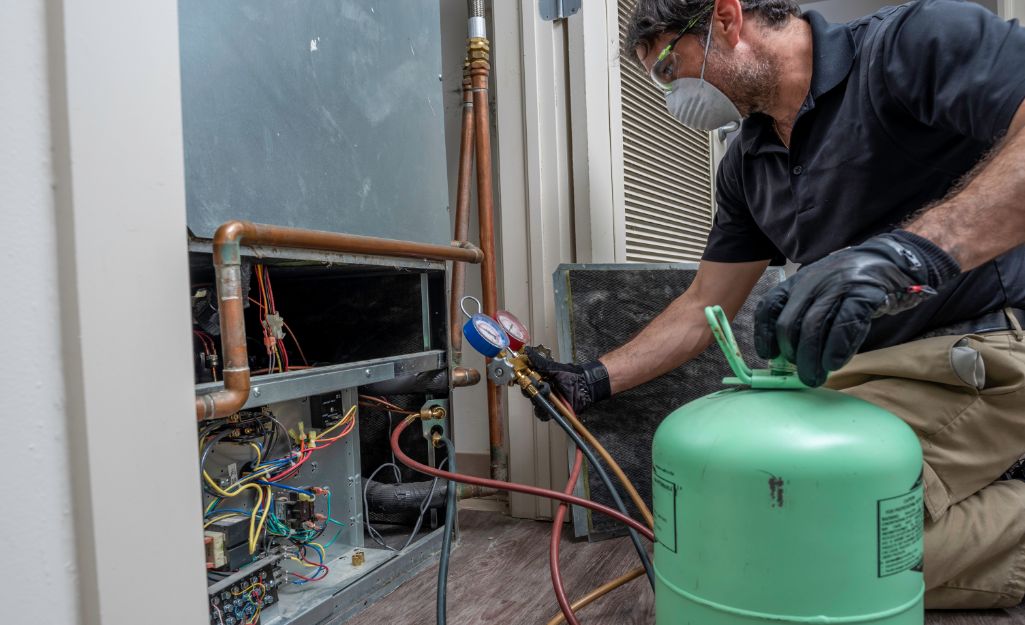
Credit: www.homedepot.com
Signs Of A Refrigerant Leak
Recognizing the signs of a refrigerant leak in your air conditioner is important. Early detection helps you avoid costly repairs and keeps your home cool. A leaking refrigerant affects your AC’s performance and energy use. Watch out for these common signs that indicate a refrigerant leak.
Reduced Cooling Efficiency
Your air conditioner may not cool your home well. The air might feel warmer than usual. It takes longer to reach the desired temperature. This drop in cooling power often points to a refrigerant leak.
Ice Formation On Coils
Look at the coils inside the AC unit. Ice or frost might build up on them. This happens because the refrigerant level is too low. Ice on coils is a clear sign of a leak.
Hissing Sounds
Listen carefully near your air conditioner. You might hear a soft hissing noise. This sound can come from escaping refrigerant. Hissing is a common warning of a leak.
Increased Energy Bills
Your energy bills may rise without any change in use. A leaking AC works harder to cool your home. This extra effort uses more electricity. Higher bills can indicate a refrigerant leak.
Tools And Materials Needed
Fixing a refrigerant leak in an air conditioner requires specific tools and materials. Having the right items makes the job easier and safer. It also helps ensure the repair lasts longer and the system works well.
This section lists essential tools and materials needed for this task. Each item plays a key role in finding and fixing the leak properly.
Refrigerant Leak Detector
A refrigerant leak detector finds small leaks inside the air conditioner. It senses escaping gas that you cannot see. Using this tool saves time and helps locate the exact leak spot. Choose a reliable and easy-to-use detector for best results.
Protective Gear
Protective gear keeps you safe during repairs. Wear gloves to protect your hands from chemicals and sharp parts. Safety goggles shield your eyes from debris and refrigerant. Use a mask if you handle refrigerants or chemicals to avoid inhaling fumes.
Sealant And Patching Materials
Sealants and patching materials stop leaks temporarily or permanently. They help close small holes or cracks in pipes or coils. Use materials made for air conditioners to ensure compatibility. Apply carefully to avoid blocking airflow or damaging parts.
Recharge Kit
A recharge kit refills the refrigerant after fixing the leak. It includes gauges, hoses, and refrigerant gas. Follow instructions to add the right amount of refrigerant. Overcharging or undercharging can harm the air conditioner’s efficiency.
Safety Precautions
Fixing a refrigerant leak in an air conditioner requires care and attention. Safety should be your top priority before starting any repair work. Handling refrigerants without caution can cause injuries or damage. Follow these safety steps to protect yourself and your home.
Turn Off Power Supply
Always switch off the air conditioner’s power before starting repairs. This step prevents electric shocks and accidents. Use the main circuit breaker to cut off electricity. Double-check that the unit is completely off before proceeding.
Use Protective Equipment
Wear gloves and safety goggles to protect your skin and eyes. Refrigerants can cause burns or irritation. Use a mask if you suspect the refrigerant is leaking in large amounts. Protective gear reduces the risk of injury and exposure to harmful chemicals.
Work In A Well-ventilated Area
Ensure good airflow in the workspace. Open windows and doors to let fresh air in. This reduces the buildup of refrigerant gases. Working in fresh air lowers the chance of breathing in dangerous fumes.
Locating The Leak
Finding the source of a refrigerant leak is the first step in fixing an air conditioner. Without knowing where the leak is, the repair will not work. It can take some patience and careful checking. Each method helps spot leaks in different ways. Use these steps to find the leak quickly and safely.
Visual Inspection
Start by looking closely at the air conditioner parts. Check the coils, pipes, and fittings for oil stains. Oil marks often show where refrigerant is escaping. Look for cracks, holes, or rust on metal parts. Damaged or worn areas may cause leaks. Clean dirt or debris to get a clear view. A good light helps to see small details.
Using A Leak Detector
A leak detector tool senses refrigerant gas in the air. Turn on the detector and move it slowly around pipes and connections. The tool will beep or light up near a leak. This method finds leaks that are not visible. It works well in tight or hidden spots. Make sure to follow the device instructions carefully.
Soapy Water Test
Mix water and a small amount of soap in a spray bottle. Spray the solution on suspected areas. Look for bubbles forming on pipes and joints. Bubbles show where gas is escaping from tiny holes. This is a simple and safe way to find leaks. Dry the area after testing to prevent rust.
Sealing The Leak
Sealing the leak is a key step in fixing a refrigerant leak in an air conditioner. It stops the refrigerant from escaping and helps the AC work well again. The process varies based on the size and location of the leak. Using the right method ensures a long-lasting fix.
Applying Sealant
Sealant is a quick way to close small leaks in the AC system. It is a special liquid that hardens and blocks the hole. Clean the area around the leak before applying the sealant. Use a brush or a syringe to spread the sealant evenly. Let it dry fully to create a strong seal. This method works well for tiny cracks or pinholes.
Patching Small Holes
Small holes need a patch for a better fix. Use a metal or rubber patch that fits over the hole. Clean the surface to remove dirt and oil. Apply adhesive around the hole and press the patch firmly. Hold it in place until the adhesive sets. Patching is good for leaks in pipes or tanks. It gives a more durable repair than sealant alone.
Replacing Damaged Parts
Sometimes leaks come from broken or worn parts. These parts must be replaced to stop the leak. Common parts are valves, connectors, and coils. Turn off the AC and remove the damaged part carefully. Install a new part that matches the old one. Tighten all connections and check for leaks again. This method ensures the AC works safely and efficiently.
Recharging The Refrigerant
Recharging the refrigerant is a key step in fixing a leak in your air conditioner. It helps the unit cool your home efficiently again. Without enough refrigerant, the air conditioner cannot work properly. This process requires care and the right tools.
Choosing The Correct Refrigerant
Use the refrigerant type specified by the manufacturer. Check your air conditioner’s label or manual for this information. Using the wrong type can damage the system. Common types include R-22 and R-410A. Make sure to buy refrigerant that matches your model exactly.
Connecting The Recharge Kit
Attach the recharge kit carefully to the low-pressure port. The port is usually marked and easy to find. Ensure all connections are tight to avoid leaks. Follow the kit instructions step-by-step. Wear gloves and eye protection for safety.
Monitoring Pressure Levels
Watch the pressure gauge closely during recharging. The correct pressure varies by model and ambient temperature. Stop adding refrigerant once the pressure reaches the recommended level. Overcharging can harm the compressor and reduce efficiency. Check the gauge often to prevent mistakes.
Testing The Repair
After fixing a refrigerant leak, testing the repair is important. It confirms the air conditioner works well and the leak is sealed. This step helps avoid future problems and saves money on repairs. Careful testing ensures comfort and system efficiency.
Checking Cooling Performance
Turn on the air conditioner and set it to a cool temperature. Feel the air coming from the vents. It should be cold and steady. Use a thermometer to check the room temperature before and after running the unit. If the air stays warm or weak, the system might still have issues. Proper cooling means the repair likely succeeded.
Inspecting For New Leaks
Use a leak detector or soapy water on the repaired area. Bubbles or detector signals show a leak. Watch the unit for at least 30 minutes after repair. Check all visible pipes and connections carefully. No new leaks means the refrigerant is sealed well. This step prevents further damage to the system.

Credit: www.lumicapital.eu
When To Call A Professional
Fixing a refrigerant leak in an air conditioner is not always simple. Some leaks need expert care to avoid damage or danger. Knowing when to call a professional can save you time and money. It also keeps your home safe and your AC working well.
Complex Leaks
Some leaks are hard to find and fix. They may hide deep inside the unit or in tight spaces. These leaks need special tools and skills to repair. A professional technician has the right experience to handle these tough jobs. Trying to fix complex leaks yourself can cause more harm.
Legal And Environmental Concerns
Refrigerants can harm the environment. Laws control how they must be handled and disposed of. Only certified professionals can legally work with these chemicals. Using the wrong method can lead to fines or pollution. Professionals ensure the leak is fixed safely and by the rules.
Lack Of Proper Tools
Fixing refrigerant leaks requires special tools. These tools help find the leak and refill the refrigerant safely. Without them, you might miss the leak or cause more damage. Professionals come equipped with all necessary tools. They complete the job quickly and correctly.

Credit: www.youtube.com
Frequently Asked Questions
What Causes Refrigerant Leaks In Air Conditioners?
Refrigerant leaks happen due to wear, corrosion, or damage to AC parts. Poor installation and aging also cause leaks. Leaks reduce cooling and increase energy use.
How Can I Detect A Refrigerant Leak At Home?
Look for hissing sounds, ice on coils, or weak cooling. You may also notice higher electric bills or a warm room. A professional can confirm the leak with special tools.
Is It Safe To Fix Refrigerant Leaks Myself?
Fixing refrigerant leaks requires special tools and knowledge. Handling refrigerants can be harmful and illegal without certification. It is best to hire a licensed HVAC technician.
How Much Does It Cost To Repair A Refrigerant Leak?
Repair costs vary based on leak size and location. Small leaks may cost $150-$500, while bigger repairs cost more. Adding refrigerant also adds to the total price.
Can An Ac Run Without Refrigerant?
An AC cannot cool without refrigerant. Refrigerant carries heat away from your home. Running the unit without it can damage the compressor.
How Long Does It Take To Fix A Refrigerant Leak?
Fixing a refrigerant leak usually takes 1 to 3 hours. The time depends on leak location and severity. Professionals also test the system after repair.
What Tools Do Professionals Use To Find Leaks?
Technicians use electronic leak detectors, UV dye, and soap solution. These tools help locate even small leaks quickly. Proper detection ensures a complete repair.
How Often Should Ac Refrigerant Levels Be Checked?
Check refrigerant levels once a year during regular AC maintenance. Low refrigerant often means a leak that needs fixing. Regular checks keep your AC efficient.
Can A Refrigerant Leak Harm My Health?
Refrigerants can cause headaches, dizziness, or breathing problems if leaked indoors. Large leaks are dangerous and need quick attention. Always call a professional if you suspect a leak.
What Happens If I Ignore A Refrigerant Leak?
Ignoring leaks reduces cooling and raises electricity bills. It can cause compressor failure, leading to costly repairs. Timely fixes keep your AC working well.
Conclusion
Fixing a refrigerant leak keeps your air conditioner working well. It saves energy and lowers bills. Regular checks help find leaks early. Use proper tools and follow safety steps. Call a professional if unsure or if the leak is big.
Taking care of your AC extends its life. Stay cool and comfortable all year long. Small repairs today prevent bigger problems tomorrow. Keep your home fresh and your air clean.