
You can restore your patio furniture by washing away dirt and grime with a mild soap solution to effectively clean plastic lawn chairs. This process usually takes about 30 to 45 minutes of active work, depending on how many chairs you have. The total cost is very low, as you likely already own the necessary supplies. It’s a medium-effort task because it requires some scrubbing to remove stains. Before you start, you must have access to a garden hose or a source of clean water.
Supplies for cleaning plastic chairs
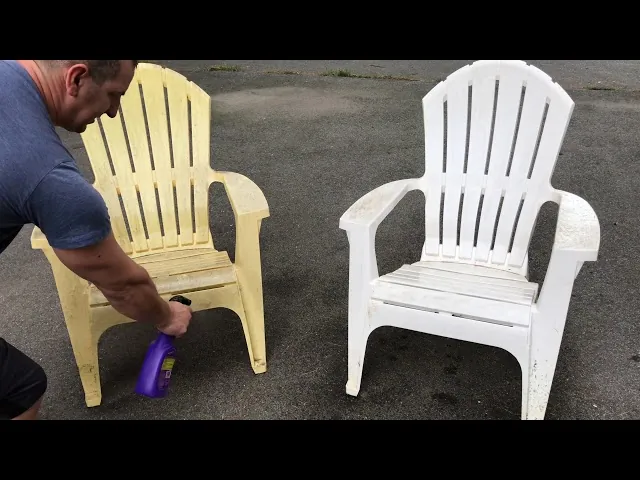
You need a few basic household items to complete this job safely. Gather these supplies before you move your furniture to the cleaning area.
| Item | How much | Why it’s needed | A substitute |
|---|---|---|---|
| Dish soap | 2 tablespoons | Removes surface dirt | Mild laundry soap |
| Warm water | 2 gallons | Dissolves grime | Cool water |
| Soft sponge | 1 piece | Cleans surfaces | Microfiber cloth |
| Scrub brush | 1 piece | Removes deep stains | Nylon bristle brush |
| Bucket | 1 piece | Mixes cleaning solution | Large plastic bowl |
| Garden hose | 1 unit | Rinses away soap | Bucket of water |
| Protective gloves | 1 pair | Protects your skin | none — don’t swap this |
Avoid using abrasive scouring pads or steel wool. These tools leave microscopic scratches in the plastic finish. Dirt settles into these grooves, making your chairs look permanently gray and dingy within a single season.
If your chairs are white and heavily stained, use a mild bleach solution or a dedicated mildew remover according to the manufacturer’s instructions. However, never mix bleach with vinegar or ammonia, as this creates toxic fumes.
Test your solution on the underside of the seat before scrubbing the entire chair.
Preparation before you begin
Move all chairs to a flat, grassy area or a concrete patio where water drainage is safe. Pick a spot where runoff won’t damage nearby plants.
Clear the surface of the chairs by removing loose debris, leaves, or spider webs. Use a dry, soft-bristled brush or a handheld broom for this step.
Check the underside of the chairs for wasp nests or insect activity. These pests often hide in the hollow legs of older furniture. Tap each leg lightly with a broom handle and wait two minutes before getting closer.
If you notice brittle or cracked plastic, don’t use a high-pressure washer. The Environmental Protection Agency notes that damaged materials can release microplastics into the environment. Use a garden hose on its gentlest shower setting instead.
Stop if the plastic feels chalky or crumbles under your touch. This indicates structural decay that cleaning can’t fix. Test an inconspicuous spot near the bottom edge first. A fingernail that leaves a deep gouge means the chair has lost its UV stabilizers. That piece belongs in the recycling bin, not back on your patio.
Steps for washing your chairs
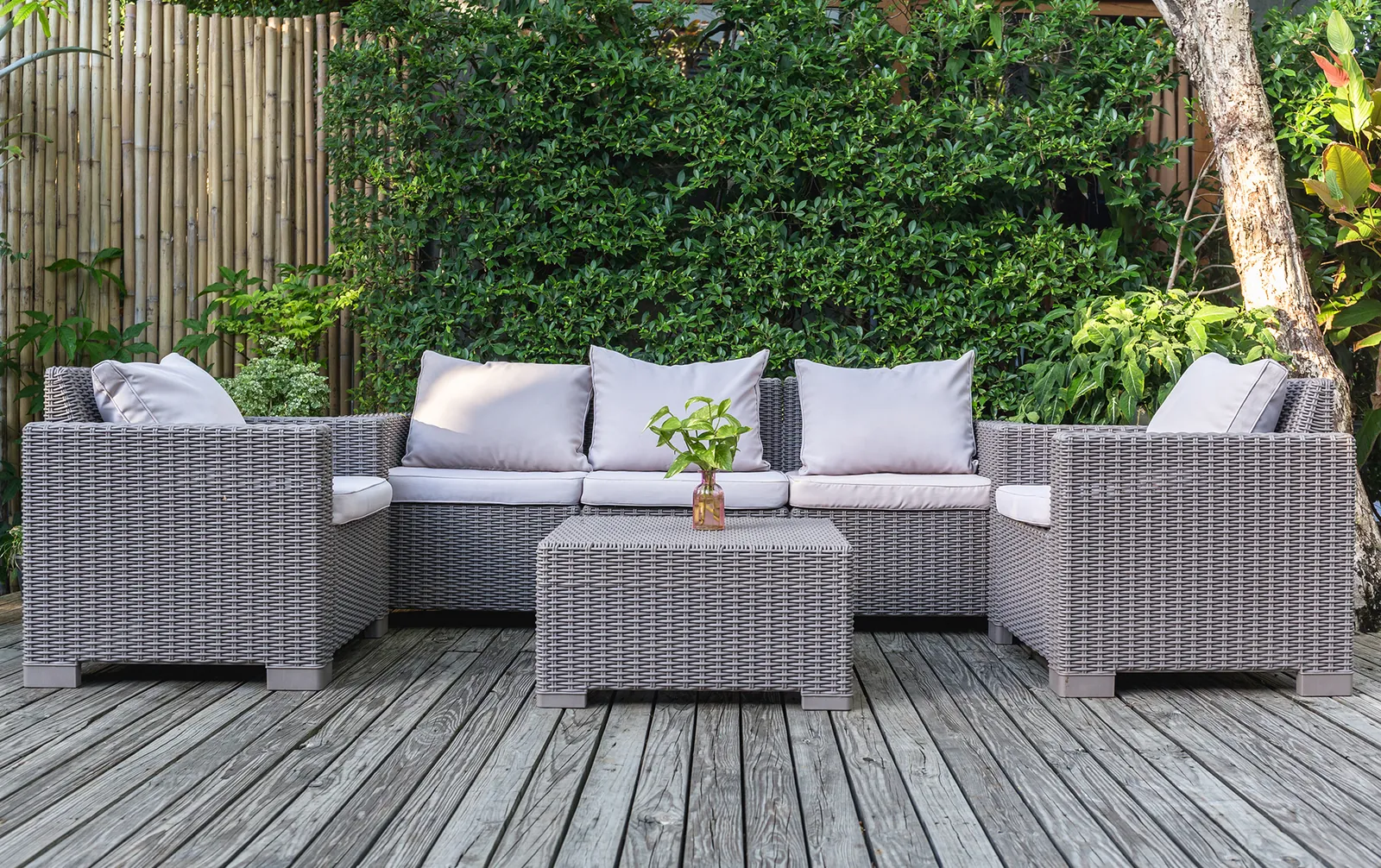
- Fill your bucket with 2 gallons of warm water and add 2 tablespoons of liquid dish soap. Mix the water and soap until you see a thick layer of bubbles forming on the surface.
- Spray the entire chair with a garden hose to loosen surface dust and wet the plastic thoroughly. This prevents you from rubbing dirt into the material during the next step.
- Dip your sponge into the soapy mixture and start scrubbing the backrest, moving in small circular motions to lift away bird droppings or tree sap.
- Use the scrub brush for stubborn stains on the seat or armrests, applying firm pressure without scratching the surface. If you scrub too hard, you might dull the finish of glossy plastic.
- Clean the legs and the underside of the chair, as these areas often collect the most mud and mold during the rainy season.
- Rinse the chair completely with the garden hose, starting from the top and working your way down to ensure all soap residue is gone.
- Check for any remaining spots or dark marks that didn’t come off with the first scrub. If you see dirt, dip your brush in the soap and focus only on that specific area.
- Wipe the chairs down with a clean, dry towel to prevent water spots from forming as the plastic air dries in the sun.
How to identify a clean chair
A clean chair should look bright and uniform in color without any visible gray or brown patches. If you run your hand over the surface, it should feel smooth rather than gritty or sticky. If the surface still feels tacky, it means there’s leftover soap residue that will attract new dirt very quickly. Rinse the chair again with clean water and dry it thoroughly to remove the remaining film.
If you see persistent dark shadows on the plastic, this is often mold or mildew that has settled into the pores of the material. In this case, you need to scrub those specific spots again with a slightly stronger concentration of soap. If the color remains dull or yellowed even after deep cleaning, the plastic may have suffered permanent UV damage from long-term sun exposure.
This indicates the chair is brittle and will likely crack under weight within the next season.
Avoid the common mistake of using abrasive scouring pads on high-gloss finishes. These pads leave micro-scratches that act as traps for future grime, making the chair harder to clean every subsequent time. If the surface is matte, a soft nylon brush is your best tool. If the surface is glossy, avoid abrasive scrubbers to prevent scratching the finish.
Troubleshooting common cleaning issues
| What happened | Why | What to do |
|---|---|---|
| Streaks remain | Soap residue | Rinse with more water |
| Dark spots stay | Mold growth | Scrub with extra soap |
| Dull surface | Sun damage | Apply plastic wax |
| Sticky residue | Old soap | Wipe with vinegar |
| Water spots | Hard water | Dry with towel |
Maintenance intervals for plastic furniture
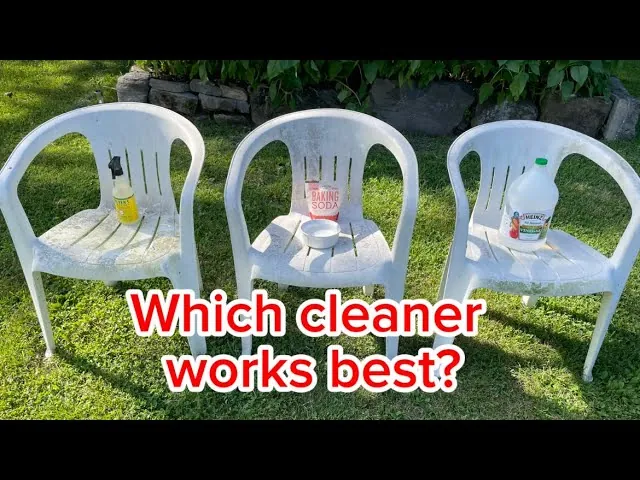
You should clean your chairs at least once every three months if they remain outside throughout the spring and summer. Two factors change this frequency: the amount of direct sunlight and the level of local humidity.
If you live in a very humid climate, mold grows much faster, and you may need to wipe the chairs down every month to keep them fresh. Conversely, if your chairs stay in a shaded area, they will need less frequent cleaning than those kept in direct, harsh sun.
If you notice a sudden buildup of pollen or dust after a storm, don’t wait for the scheduled cleaning. A quick rinse with a hose prevents these particles from staining the plastic surface over time. Always store your chairs in a shed or garage during the winter to extend their lifespan significantly.
Related guides
Frequently asked questions
Can I use bleach on plastic chairs?
Bleach is generally too harsh and can cause the plastic to become brittle or lose its color over time. Use a mild dish soap solution instead, as it cleans effectively without damaging the material. If you absolutely must use a cleaning agent for heavy mildew, ensure you dilute it according to the manufacturer’s directions on the bottle and rinse the chair completely to protect your skin and the environment.
How long does it take for chairs to dry?
Plastic lawn chairs usually air dry within 30 to 60 minutes when placed in direct sunlight. If you’re in a hurry or the weather is cloudy, use a large, dry microfiber towel to wipe away the excess water. Drying them by hand is the best way to prevent water spots and ensures that the chairs are ready for use immediately after you finish the cleaning process.
Is it safe to use a pressure washer?
A pressure washer is safe only if you use a low-pressure setting and keep the nozzle at least 12 inches away from the plastic. High pressure can crack old or brittle plastic and force water into areas where it can’t easily escape, leading to trapped moisture. If you don’t have experience with pressure washing, stick to a manual scrub brush to avoid any accidental damage to the furniture.
What happens if I don’t rinse the soap off?
Leaving soap residue on the chairs causes them to attract dirt and dust much faster than a clean surface. The soap film acts like a magnet for airborne particles, which will turn your chairs gray or brown within a few days. You’ll notice the surface feels tacky to the touch if there’s soap left behind, so always ensure you rinse until the water runs completely clear.
Does it matter if I use warm or cold water?
Warm water is much more effective at breaking down oils, tree sap, and food residue than cold water. Using warm water helps the soap penetrate the surface of the plastic, which makes your scrubbing much easier and faster. If you only have access to cold water, you’ll likely need to spend more time scrubbing to achieve the same level of cleanliness on your outdoor chairs.
Can I leave the chairs out all winter?
Leaving plastic chairs outside all winter makes them brittle from freezing temperatures and snow. Move them into a garage or shed to protect them. If you must keep them outside, cover them with a heavy-duty, waterproof furniture cover.
Conclusion
Once your furniture is dry, consider applying a thin layer of automotive wax to the surfaces. This simple trick creates a protective barrier that repels dust and prevents future stains from setting in. You’ll find that your chairs stay cleaner for much longer, so you can spend less time scrubbing and more time relaxing.