
Wash plastic garden chairs with warm water, dish soap and a soft brush, then rinse them off. The whole job takes about 15 to 20 minutes per chair. If you’re dealing with mildew or deep stains, add half a cup of white vinegar to the bucket. Keeping your outdoor furniture clean helps it look fresh all season. This method works best for standard polypropylene or resin patio chairs that sit outside year-round.
What you need to wash plastic chairs
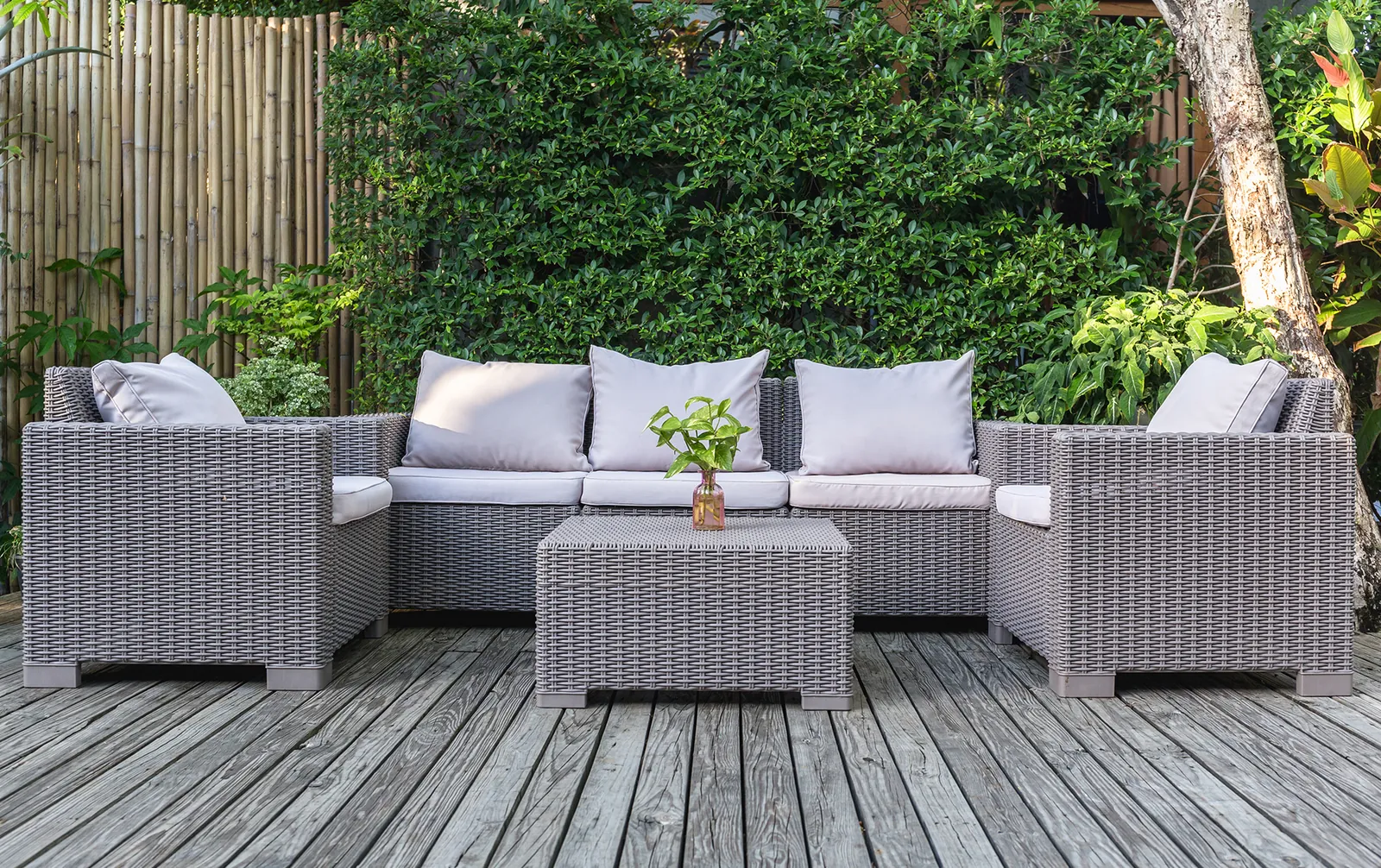
You don’t need expensive cleaners to get dirt off outdoor furniture. A few basic items from around the house will do the job safely without scratching the surface. Gather everything before you start so you aren’t running back inside with wet hands.
- A large bucket (at least 3 gallons) to hold your cleaning solution.
- Dish soap, about 2 tablespoons per gallon of warm water. Avoid heavy degreasers on colored resin.
- White vinegar, half a cup if you see mold spots or gray mildew.
- A soft-bristle scrub brush or a non-scratch sponge. Stiff wire brushes will leave permanent marks.
- A garden hose with a spray nozzle set to a gentle shower pattern.
- Microfiber towels for drying, though leaving them in the sun works too.
- Rubber gloves to protect your skin from dirty water and soap.
If you run out of dish soap, liquid castile soap is a fine substitute. Don’t use bleach-based bathroom cleaners, because they break down the UV stabilizers in the plastic and cause fading. If your chairs have severe structural cracks, skip washing and contact the manufacturer for replacement parts instead.
Steps to wash plastic garden chairs
Follow these steps in order. Working top to bottom keeps dirty water from dripping onto areas you’ve already cleaned.
- Move the chairs to a flat spot on your lawn or driveway. Pick a shaded area if it’s a hot day, because direct sun dries the soap too fast and leaves streaks.
- Rinse each chair completely with your garden hose on the shower setting. Spend about 30 seconds per chair knocking off loose dust, pollen and bird droppings.
- Mix 2 tablespoons of dish soap into every gallon of warm water in your bucket. Stir it until you see suds. If there’s mildew, pour in half a cup of white vinegar now.
- Dip your soft brush into the soapy water and scrub the chair starting from the top of the backrest. Work your way down to the seat, then the legs. Spend about 3 to 5 minutes per chair.
- Focus on the textured grooves where dirt hides. Use circular motions with the brush to lift grime out of those small lines.
Tip: If the soap stops foaming, your water is too dirty. Dump the bucket and mix a fresh batch. Washing with muddy water just pushes dirt back into the plastic.
- Scrub stubborn stains with a paste made of baking soda and water. Apply it directly to the stain, let it sit for 5 minutes, then brush gently. This works well for tree sap or food spills.
- Rinse the chair thoroughly from top to bottom. Make sure no soap bubbles remain in the crevices. Leftover soap attracts new dirt faster than bare plastic does.
- Dry the chair with a microfiber towel or leave it standing upright in the breeze. Wiping it down prevents hard water spots if your tap water has high mineral content.
Careful: Never use a pressure washer closer than 12 inches or above 1,500 PSI. High pressure strips the finish and creates rough patches that hold dirt permanently.
- Stack the chairs only after they’re completely dry. Trapping moisture between stacked seats causes mold to grow within a few days.
If a chair is severely cracked or splintering, stop cleaning it. Broken plastic edges can cut you, and damaged furniture should be taken to a local recycling center that accepts rigid plastics. Check your municipality’s waste guidelines for drop-off locations.
How conditions change the work
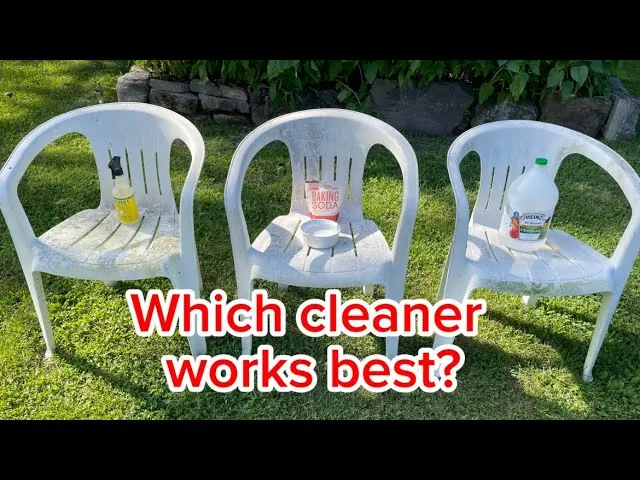
The time and effort shift depending on what you’re dealing with. A chair that sat under a tree all winter needs more attention than one kept on a covered porch. Here is how different situations affect the process.
| Situation | Time needed | What changes | Watch for this |
|---|---|---|---|
| Light dust on covered chairs | 5–10 min each | Skip the baking soda; just soap and water | Dust turning to mud when wet |
| Heavy pollen or tree sap | 20–25 min each | Add vinegar; use baking soda paste on sap | Sap spreading while you scrub |
| Black mildew spots | 25–30 min each | Let vinegar soak 10 minutes before brushing | Spores transferring to other chairs |
| White resin chairs | 15–20 min each | Use extra towels to prevent water marks | Gray streaks left by dirty sponges |
| Textured wicker-style plastic | 30+ min each | Use an old toothbrush for tight weave gaps | Dirt trapped deep in fake weave |
Start with the mildest approach first. If plain soapy water lifts the dirt, you don’t need vinegar or baking soda. Adding stronger solutions before testing the basics risks dulling the plastic’s original color. You can always add more cleaner, but you can’t undo a scratched finish.
Signs your plastic chairs are truly clean
A properly washed chair looks evenly colored and feels smooth when you run your hand over it. There shouldn’t be any gray film left on the surface or dark specks hiding in the textured grooves. Water should sheet off the plastic cleanly instead of beading up around oily spots.
A poor result shows up as streaky white soap residue or a chalky feel once the chair dries. That usually means you didn’t rinse long enough or used too much detergent in the bucket. Another common problem is lingering green or black dots in the corners. That happens when the brush wasn’t stiff enough to reach into the molded seams.
To prevent streaks, measure your soap carefully instead of squeezing it straight from the bottle. Two tablespoons per gallon is plenty. To avoid missing mildew, angle the chair toward the light before you finish so shadows don’t hide dirty spots. Finally, always rinse from the top down so dirty runoff doesn’t settle on clean areas below.
The exact shine you get back depends on how much UV damage the plastic has already suffered. You can check your chair’s condition by pressing a fingernail lightly into an unseen spot under the seat. If it feels brittle or flakes, no amount of washing will restore the original gloss.
Safety rules and cleanup afterward
When you’re working with outdoor cleaning solutions, keep pets and children away from the wet chairs until they dry. The US Environmental Protection Agency advises checking product labels before mixing any household chemicals outdoors. Never mix vinegar and bleach together, as it creates toxic gas.
Once you’re done, dump the dirty water onto your lawn rather than down a storm drain. Storm drains often lead straight to local waterways without filtering. Rinse your bucket and brush with clear water so soap doesn’t harden on the bristles. Store your supplies out of direct sunlight to keep the plastic handles from degrading.
A good wash lasts about four to six weeks during summer, depending on rain and tree cover. If your chairs sit under a pine tree, you’ll likely need to repeat the process monthly. Chairs on a covered patio might stay clean for an entire season.
Other ways to handle dirty chairs

Using a magic eraser sponge
Melamine foam sponges lift scuff marks and shoe prints that brushes miss. Wet the sponge, squeeze it out, and rub the mark gently. It acts like ultra-fine sandpaper, so only use it on visible scuffs. Overusing it will dull the glossy finish on smooth plastic.
Taking them to a car wash
Self-service car wash bays offer low-pressure foam brushes that cover large surfaces quickly. This saves time if you have six or eight chairs to do at once. It costs a few dollars for the bay time. Keep the wand on the lowest pressure setting to avoid stripping the surface.
Hiring a local detailer
Mobile car detailers often clean patio furniture as an add-on service. They bring commercial extractors and know exactly which plastics can handle stronger cleaners. This route makes sense if you have expensive resin wicker sets. You’ll pay for labor, but you won’t risk damaging high-end pieces yourself.
Frequently asked questions
Can I use bleach on white plastic chairs?
No, bleach breaks down the polymers in most outdoor plastic furniture. It causes yellowing and makes the material brittle over time. Stick to white vinegar or oxygen-based laundry powder dissolved in warm water. If you must use a strong cleaner for severe mold, dilute it heavily and rinse immediately. Always test a hidden spot first.
Why do my plastic chairs turn pink or orange?
Pink or orange stains are usually caused by a type of bacteria called Serratia marcescens or by rust runoff from nearby metal furniture. The bacteria produce a pink or orange pigment and are commonly found in damp environments. Scrub the chairs thoroughly with soap and water to remove the bacterial biofilm, then move them into direct sunlight to dry completely. Keeping them dry prevents the color from returning.
How long does it take to wash a set of four chairs?
It takes about 60 to 80 minutes to wash four standard plastic chairs using the soap and brush method. That assumes they have normal dirt buildup, not heavy mildew. If they haven’t been cleaned since last fall, add another 30 minutes for soaking stubborn spots. Working in an assembly line speeds things up.
Is it safe to use a pressure washer on resin chairs?
Yes, but only on a wide fan tip and at a distance of at least 12 inches. Keep the machine below 1,500 PSI. Anything higher will gouge the plastic and leave permanent fuzzy marks that trap dirt. If your pressure washer doesn’t have an adjustable dial, use a garden hose with a spray nozzle instead.
What happens if I leave soap on the chairs?
Leftover soap dries into a sticky film that attracts dust, pollen and bugs. Within a few days, the chairs will look dirtier than before you started. It also blocks UV inhibitors built into the plastic, speeding up sun damage. Always rinse until the water runs completely clear and no bubbles remain in the joints.
How often should I wash outdoor plastic furniture?
Wash your chairs as needed based on how frequently they’re used, and always consult your owner’s manual for specific care instructions. If they sit under trees that drop sap or bird droppings, you’ll need to clean them more often. During winter storage, one thorough wash before covering them is enough. Regular light rinses with a hose between deep washes help prevent buildup.
Can I put plastic chairs in the dishwasher?
No, standard patio chairs won’t fit, and the heating element sits too close to the bottom rack. The intense heat warps polypropylene plastic permanently. Small plastic stool inserts or removable cup holders might survive a top-rack cycle on a cool setting. For full-sized chairs, stick to a bucket and a brush.
Conclusion
Keeping your outdoor seating clean doesn’t require expensive products or hours of scrubbing. Warm water, a little dish soap and the right brush handle almost everything the weather throws at your patio. Stay consistent with a quick rinse every few weeks, and you won’t have to fight heavy grime when summer arrives.