
To complete how to change oil on a scooter, warm the engine for 3 minutes, drain the dirty fluid, and pour in 750 to 800 milliliters of fresh 10W-40 four-stroke oil using a clean funnel. This basic maintenance job takes about 20 minutes on a level surface. It suits owners of standard gas-powered four-stroke commuter scooters best.
Tools to change your scooter oil
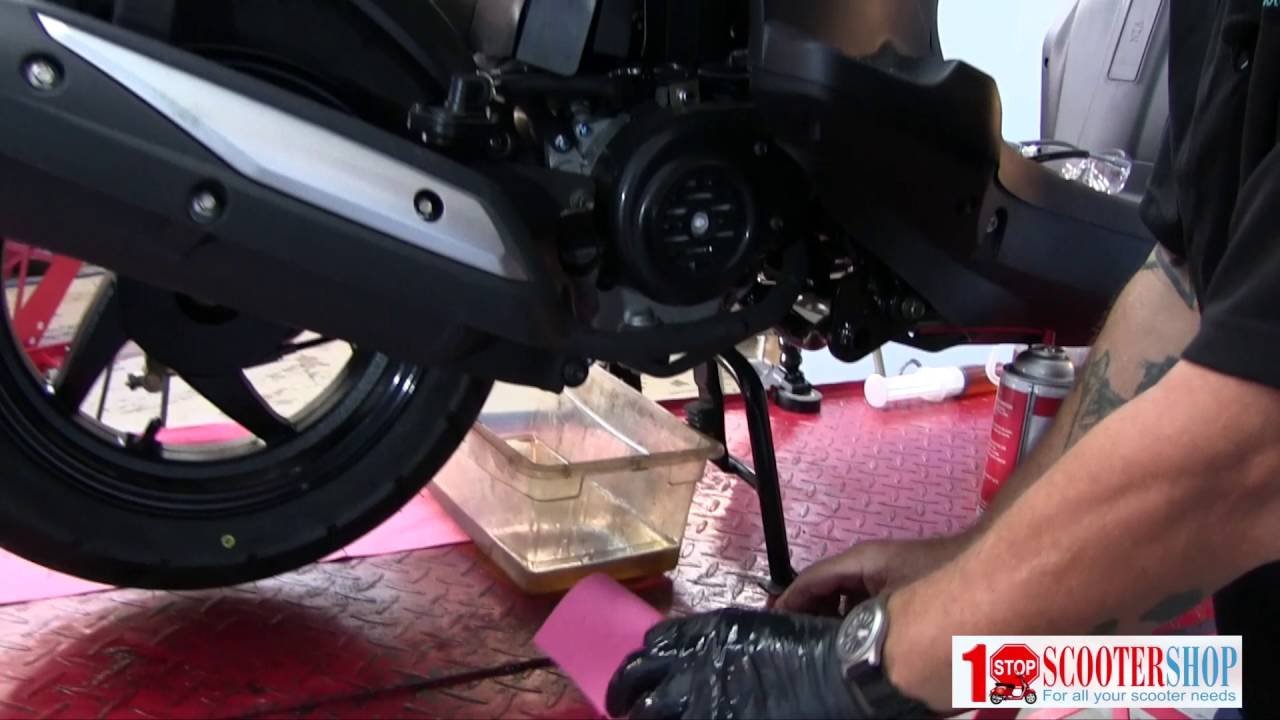
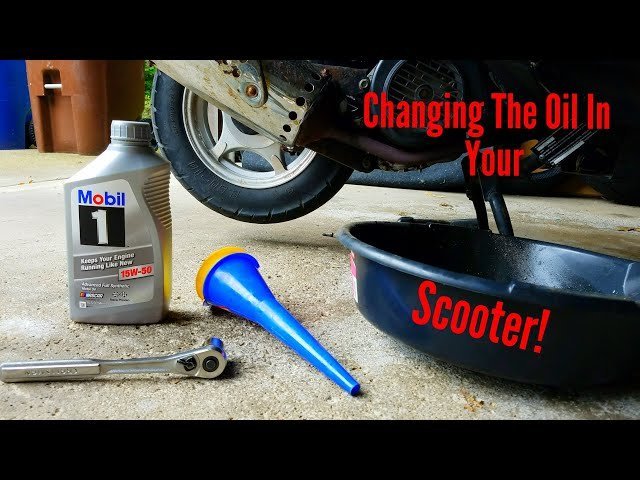
- Fresh four-stroke scooter oil (usually 10W-40 JASO-MB or MA, check your engine label for the exact grade).
- Socket wrench or box wrench (usually 17mm for the drain plug; an adjustable wrench will round the soft bolt edges).
- Low-profile drain pan (at least 2-quart capacity to fit under the low ground clearance).
- Narrow-spout funnel.
- New crush washer (sized to match your drain bolt).
- Clean shop rag.
- Nitrile gloves.
A clean piece of cardboard works well under the pan to catch stray drips, but thin plastic wrap will melt against hot exhaust metal.
Step-by-step
- Run the scooter engine on its center stand for 3 minutes to thin the fluid, then turn off the ignition.
- Position the drain pan directly below the drain bolt on the lower left or bottom of the crankcase.
- Loosen the drain bolt with your 17mm socket wrench by turning it counterclockwise, then spin it out by hand so the fluid drops straight into the pan. Careful: The metal plug and escaping fluid are hot, so keep your gloves on and pull your hand back quickly.
- Remove the spring and small wire mesh screen sitting behind the bolt, then wipe away any metal debris with a clean rag.
- Wipe the drain opening clean, replace the mesh screen and spring in their original order, slide a fresh crush washer onto the bolt, and thread it in by hand.
- Tighten the drain bolt firmly with your socket wrench to around 15 to 18 foot-pounds of torque; this varies by model — check the label on your crankcase. Tip: Never force the bolt with a long wrench handle if it feels stuck; stripped aluminum threads require expensive shop repair with a thread insert kit.
- Unscrew the dipstick on the side of the engine, insert your narrow funnel, and slowly add 700 milliliters of new oil.
- Check the dipstick without screwing it into the threads; if the level sits below the hash marks, add 50 milliliters at a time until it reaches the upper line.
Matching Scooter Engine Needs
Different engine layouts demand different amounts of time, fluid, and care during servicing.
| Engine Type | Service Time | Key Difference | What to Monitor |
|---|---|---|---|
| 50cc Four-Stroke | 15 to 20 minutes | Holds only 700 to 800 ml of fluid | Rapid fill level on the dipstick |
| 125cc–150cc Commuter | 20 to 25 minutes | May use a secondary side drain plug | Dual drain locations dripping |
| 300cc+ Maxi-Scooter | 30 to 45 minutes | Uses a spin-on paper cartridge filter | Filter gasket seating tightly |
| Two-Stroke Engine | 10 minutes | Requires separate transmission gear oil only | Injector tank level instead of crankcase |
It’s safer to add less fluid at first and check the stick often than to overfill the small sump.
How to tell you did it right
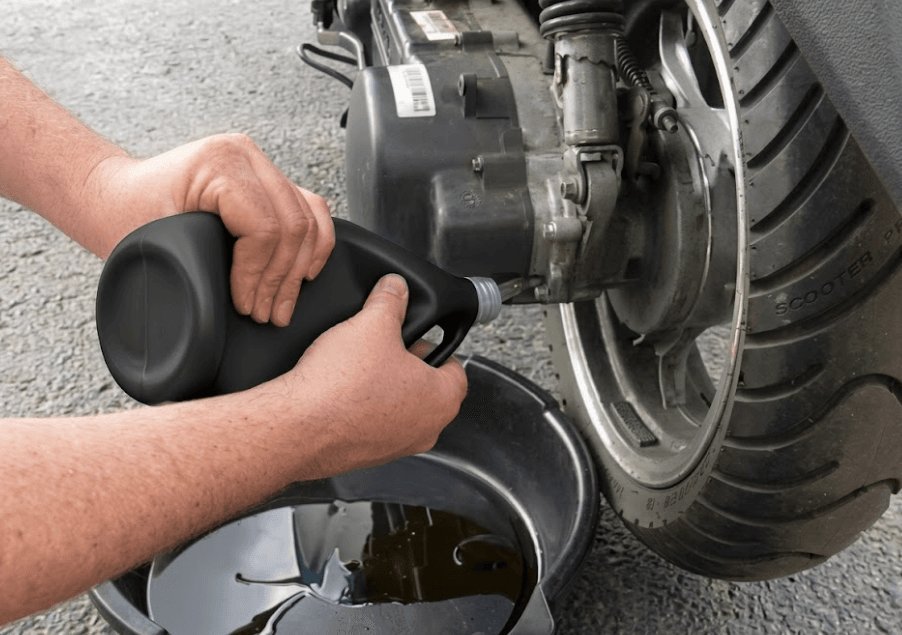
A correct fill shows amber, honey-colored fluid resting right between the upper and lower hash marks on the dipstick when the scooter rests on its center stand. A poor job leaves dark, gritty liquid on the stick, or shows frothy bubbles above the top marker line. Frothing happens because spinning internal crankshaft weights whip excess fluid into an airy foam, which cuts lubricating pressure to vital bearings. If the level is low, add more fluid; if the level sits above the top line, loosen the drain bolt slightly to drain the extra fluid into a clean pan. Keep your funnel completely free of road grit to avoid scratching engine cylinders. This job isn’t for electric scooters, which use battery packs and contain no motor oil.
Environmental rules and final clean-up
Pour your used motor oil into a sealed plastic jug using your funnel, then wipe all stray spills off the scooter frame and floor. You can locate an approved collection center through the EPA used oil management guidelines, as dumping motor fluids onto the ground or into household trash breaks federal and local waste laws. Most city recycling drop-offs and auto parts retailers take this used fluid without charging you. Wipe the dipstick handle, screw it down tightly, and note the current mileage in your logbook. A standard commuter scooter requires this service every 1,000 to 2,000 miles, depending on your owner manual’s schedule.
Other service choices
Local scooter shop service
Taking the bike to a certified motorcycle technician costs more money but saves manual effort entirely. The mechanic handles disposal, checks bolt torques to factory specs, and inspects brake wear at the same time.
Suction pump extraction
Using a top-side fluid extractor pulls old lubricant out through the dipstick hole without removing the bottom bolt. It eliminates the trade-off of crawling underneath, but it leaves heavier sludge sitting at the bottom of the pan.
Complete transmission package
Replacing your rear final-drive gear oil alongside the engine fluid takes ten extra minutes. It requires a separate small squeeze bottle of 80W-90 gear fluid, protecting your rear wheel gears along with your engine.
Frequently asked questions
Can I use regular car motor oil in my scooter?
No, car oils contain friction modifiers that can cause transmission clutch slippage on wet-clutch bikes. Most scooters need dedicated four-stroke motorcycle or scooter oil carrying the JASO-MB or JASO-MA rating.
Why does my scooter smell like burning oil after a change?
A few drops likely spilled onto the hot exhaust pipe beneath the drain plug during removal. Wipe the metal header pipe with a dry rag while the engine sits cold to stop the smoke.
How long can a scooter sit on fresh oil before riding?
You can ride immediately after checking the dipstick. Let the engine idle on its stand for 60 seconds first to allow the oil pump to push fluid across all internal valves and bearings.
What happens if you put too much oil in a scooter?
Excess oil causes high crankcase pressure that blows out rubber oil seals and fouls your spark plug. The engine will blow thick smoke and lose power until you drain the surplus fluid out.
Is it safe to change oil while the scooter is on its side kickstand?
No, leaning the scooter angles the oil pan and prevents old dirty fluid from draining out completely. It also gives a completely false reading on the dipstick when you measure the new fluid level.
How often should the small wire mesh filter be replaced?
The internal wire screen lasts the entire life of the engine unless it tears. Wash it in clean solvent, blow it dry, and reinstall it unless you spot physical holes in the metal mesh.
Final Thoughts
Check your dipstick once more to ensure the level is perfect before you head out. It’s a great idea to write down the date and your current mileage in a small notebook. You’ll find that keeping these simple records makes it much easier to stay on top of your future maintenance schedule.