
Recliner Tension Explained
Your recliner offers great comfort. Adjusting its tension enhances this. It customizes your seating experience. Understand recliner tension. It makes a big difference.
Why Tension Matters
Tension controls recliner movement. It dictates how easily it reclines. Proper tension feels right. It supports your body. Too loose, it moves too much. Too tight, it feels stiff. Find your perfect balance. Enjoy true relaxation.
Common Tension Problems
Recliners can become loose. They might recline too easily. This feels unstable. Sometimes, they get too tight. Pushing back becomes hard work. The mechanism may feel sticky. These issues reduce comfort. They can even cause strain. Adjusting tension fixes these.

Credit: themodernback.com
Locating The Adjustment
First, find the tension knob. It’s usually near the recliner’s base. This small dial controls how easily the chair reclines.
When you want perfect comfort, finding the recliner tension knob is key. This small part controls how easily it reclines. It’s usually hidden. Let’s find it.Underneath The Recliner
Look under your chair. You will see the recliner’s frame. Many knobs hide here. Feel around the bottom edge. You might find a nut or bolt.
Behind The Recliner
Sometimes the knob is at the back. Check the lower back part. It could be near the floor. Gently feel the rear frame. The adjustment mechanism may be there.
Inside The Armrest
Open one armrest. Some recliners have storage inside. Look for a small dial. It might be on the side wall. This spot is less common. Still, it’s worth checking.
The Adjustment Mechanism
Understanding the adjustment mechanism is key. It lets you fine-tune your recliner. This ensures perfect comfort. You control how it reclines. It’s a simple process. Discover how it works. You will find your ideal setting.
Knobs And Screws
Many recliners use knobs. Some use screws. These are often found underneath. They control the tension. Turn them clockwise. This tightens the mechanism. Turn them counterclockwise. This loosens the mechanism. Experiment to find your sweet spot. It’s that easy.
Springs And Levers
Some recliners have springs. Others use levers. These also adjust tension. Springs might be visible. You can often stretch them. Levers are usually on the side. They engage the reclining parts. Learn your chair’s system. It’s designed for ease. Adjusting is straightforward.
Tools You Might Need
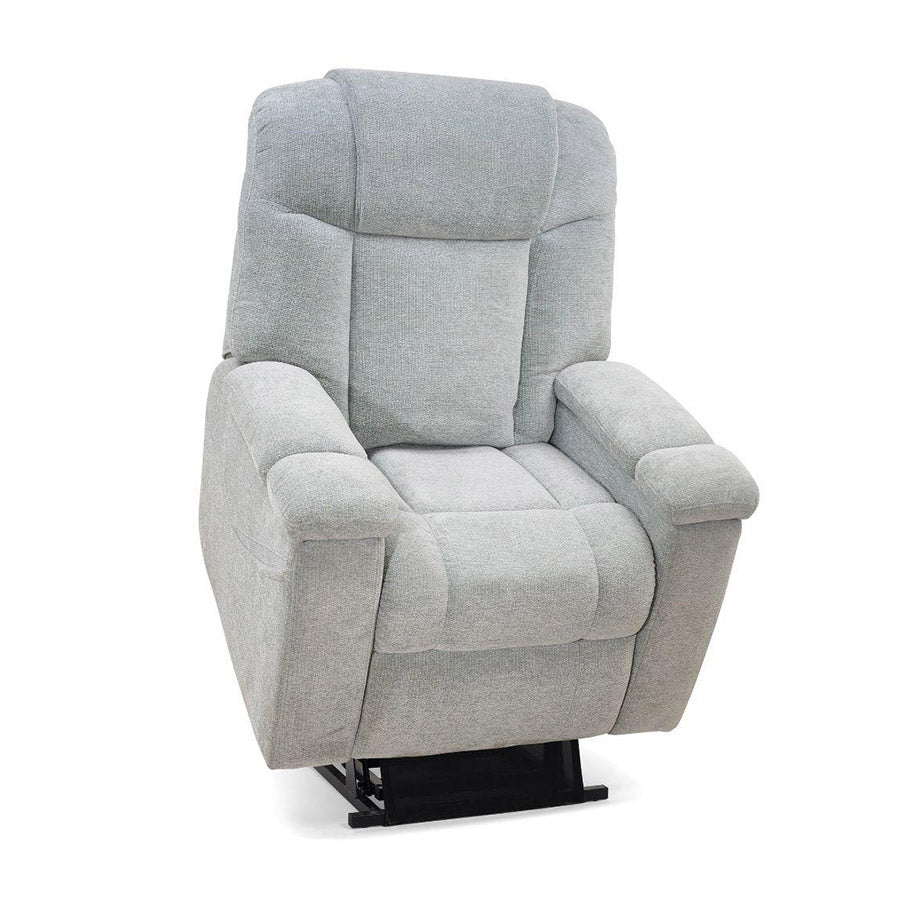
Often, no tools are needed. Knobs and levers are hand-operated. Sometimes a screwdriver helps. This is for stubborn screws. A simple Phillips head works. Check your recliner’s manual. It will list any tools. Most likely, you have what you need. Your comfort is within reach.
Credit: www.wishrockrelaxation.com
Tightening The Recliner
Adjusting recliner tension brings personalized comfort. Find your ideal recline with simple adjustments. Enjoy a perfectly supported sit.
Tightening your recliner is key. You want a snug, supportive feel. This section guides you. Learn to get it just right.Incremental Adjustments
Make small changes. Turn the knob a little. Do not overtighten it. Small turns make a big difference. Patience is important here.Testing The Feel
Try reclining slowly. Does it feel firm? Does it hold you well? You should feel supported. It should not sag. Test it often.When To Stop
Stop when it feels right. The back should not push back easily. You should feel secure. It should not feel too stiff. Find your perfect tension.Loosening The Recliner
Loosening the recliner tension is key. It makes reclining easier. This adjustment offers a softer, more yielding feel. You can sink into your chair. It’s perfect for ultimate relaxation. Find your ideal comfort level.
Reverse The Process
Adjusting tension involves a knob. This knob is usually under the chair. You might find it near the base. It connects to the reclining mechanism. Turning it changes resistance. Loosening means turning it the right way. You are essentially reducing the spring’s force. This allows for a smoother recline. It requires less effort to lean back. Feel the difference immediately.
Gentle Turns
Turn the knob slowly. Make small adjustments. One small turn at a time. Test the recline after each turn. You want it to move easily. It should not feel stiff. Stop when it feels right. Don’t rush the process. Gentle turns prevent mistakes. You find the perfect spot. Enjoy the smooth motion.
Avoiding Over-loosening
Be careful not to loosen too much. The chair needs some resistance. Too loose, and it might not hold. It could recline too easily. It might not stay put. This can feel unstable. Check for a secure feeling. The chair should support you. It should feel safe. Find that sweet spot. Comfort and security go together.
Troubleshooting Common Issues
Your recliner tension affects how it moves. Adjusting it brings personalized comfort. Simple tweaks make a big difference.
Troubleshooting common recliner issues is simple. You can fix most problems yourself. These tips help you find comfort again. Your recliner should feel just right.Stiff Recliner
Your recliner is too stiff. It won’t move easily. This happens often. The tension spring is too tight. You need to loosen it. Find the tension knob. Turn it counter-clockwise. Make small adjustments. Test the movement each time. It should become smoother. You want a gentle recline.Loose Recliner
Your recliner feels too loose. It reclines too easily. This is also common. The tension spring is too loose. You must tighten it. Find the tension knob. Turn it clockwise. Again, make small changes. Check the recline feel. It should feel more stable. A slight resistance is good.Uneven Tension
Your recliner has uneven tension. One side moves differently. This is frustrating. Check both sides carefully. Look for debris. Small objects can cause this. Clean around the mechanism. Sometimes, a spring is bent. You may need to adjust both sides. Make them feel the same. Aim for balanced movement.Maintaining Your Recliner
Maintaining your recliner ensures lasting comfort. Proper care prevents future issues. It keeps your chair working smoothly. Think of it as a tune-up for relaxation.
Regular Checks
Inspect your recliner often. Look for loose screws. Check for wobbly parts. Ensure all mechanisms move freely. This proactive approach is key. It stops small problems from growing.
Lubrication Tips
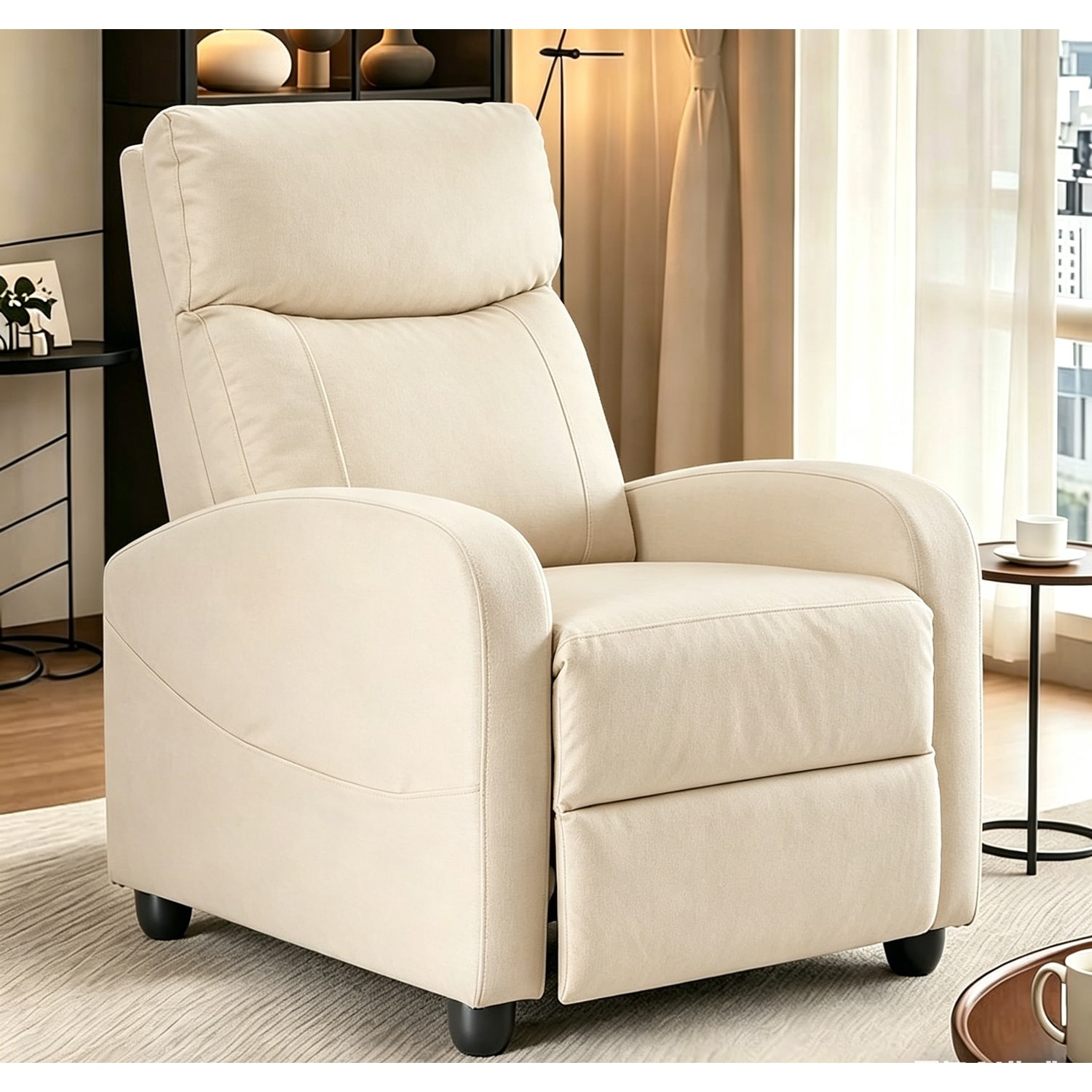
Lubricate moving parts annually. Use a silicone-based spray. Apply it to hinges and joints. Wipe away excess lubricant. This prevents squeaks and sticking. Your recliner will glide effortlessly.
Credit: www.overstock.com
Conclusion
Your recliner’s comfort is now yours. Adjusting tension makes a difference. Fine-tune it for perfect support. Feel the difference. Enjoy your personalized seating. It’s an easy fix. Your back will thank you. Relax completely. You’ve got this.