
When it comes to choosing the right material for your drain pipes, you might find yourself stuck between ABS and PVC. Both options are popular, but which one truly fits your needs?
Making the wrong choice could lead to costly repairs or headaches down the line. You’ll discover the key differences, benefits, and drawbacks of ABS and PVC pipes. By the end, you’ll feel confident about picking the perfect drain pipe for your home or project.
Keep reading to avoid mistakes and save time and money!
Material Properties
Choosing the right material for drain pipes depends on many factors. Material properties are key to understanding how ABS and PVC perform. These properties affect lifespan, safety, and cost. Let’s explore important material traits of both.
Durability And Strength
ABS pipes have high impact resistance. They handle pressure and stress well without cracking. PVC pipes are also strong but can be brittle in cold weather. ABS stays tough in low temperatures. Both materials resist wear, but ABS is less likely to break under force.
Chemical Resistance
PVC is highly resistant to many chemicals. It works well with household and industrial waste. ABS resists chemicals but not as much as PVC. Certain solvents and acids can damage ABS over time. For chemical-heavy drainage, PVC is usually safer.
Temperature Tolerance
ABS handles temperature changes better than PVC. It withstands heat up to about 200°F. PVC softens around 140°F and may deform. Cold weather can make PVC brittle. ABS remains flexible in freezing conditions. Temperature tolerance affects pipe choice for hot water or cold climates.
Credit: www.familyhandyman.com
Installation Process
The installation process is a key factor when choosing between ABS and PVC for drain pipes. Both materials have unique traits that affect how easy or hard it is to work with them. Understanding the differences can help save time and reduce mistakes during installation.
Ease Of Handling
ABS pipes are lightweight and rigid. This makes them easy to carry and position in tight spaces. PVC pipes are also light but a bit more flexible. Flexibility helps in bending pipes without extra joints. Both materials are easy to cut with standard tools.
Joining Methods
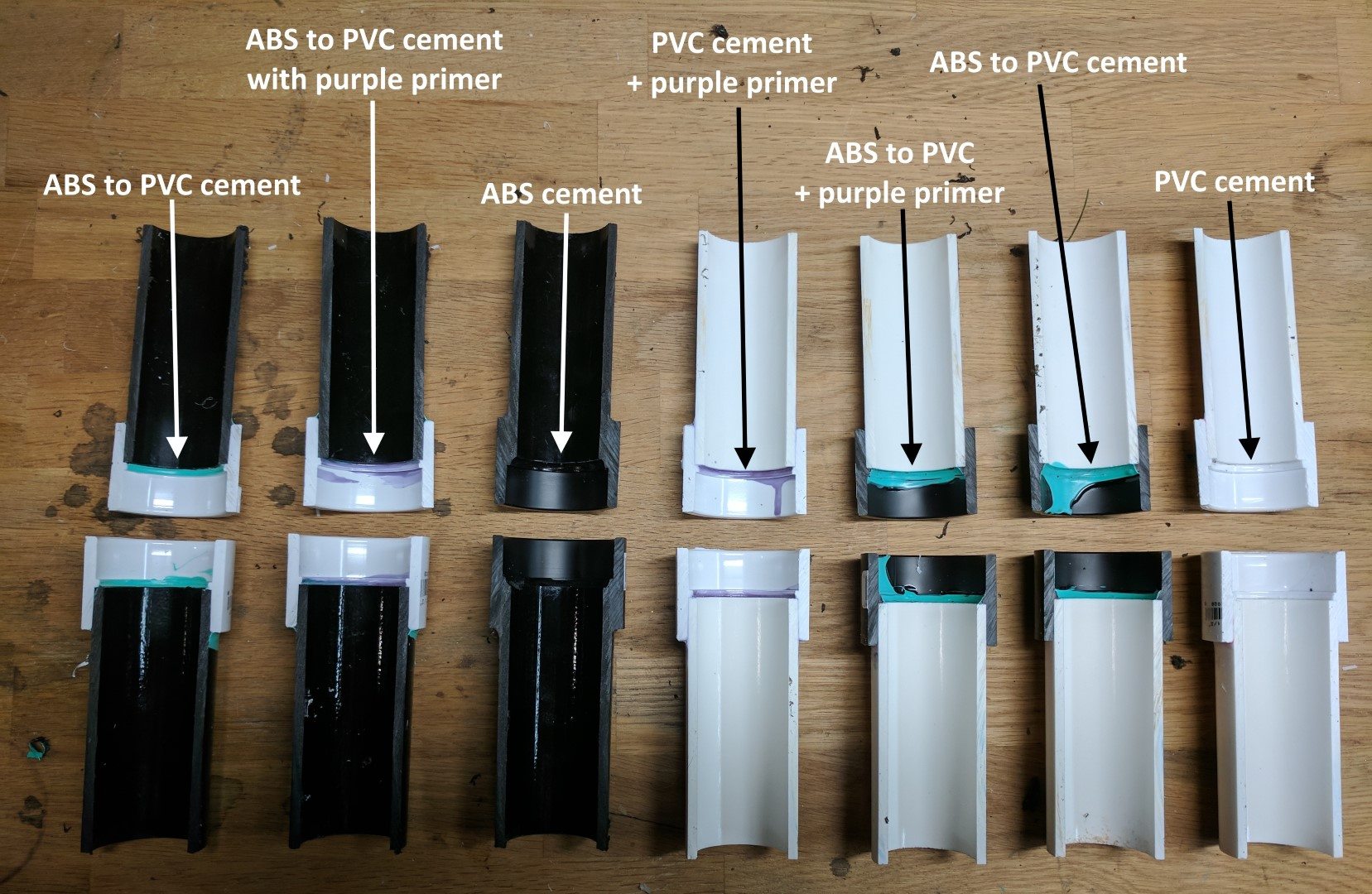
ABS pipes use solvent cement that melts the surface for a strong bond. The joining process is fast and secure. PVC pipes also use solvent cement, but the formula differs. PVC often requires primer before cement to clean the surface. This adds one more step. Both materials create leak-proof joints if done right.
Required Tools
For both ABS and PVC, a pipe cutter or saw is needed to cut pipes. Sandpaper or a deburring tool smooths edges. You need a brush to apply solvent cement. PVC requires a separate primer brush. Gloves and safety glasses protect during work. These simple tools keep installation safe and clean.
Cost Comparison
Cost is a key factor when choosing between ABS and PVC for drain pipes. Both materials offer different price points upfront and over time. Understanding these costs helps you decide which fits your budget better.
Initial Material Costs
ABS pipes usually cost a bit more than PVC pipes. This is because ABS is stronger and more impact-resistant. PVC pipes are cheaper and widely available. For large projects, PVC can save money on materials. ABS may require fewer fittings, balancing some cost differences.
Long-term Maintenance Expenses
ABS tends to resist cracking in cold weather. This lowers repair costs over time. PVC can become brittle and crack if exposed to sunlight or cold. Repairs on PVC pipes might happen more often. ABS pipes usually last longer with less upkeep. This can reduce maintenance expenses overall.

Credit: www.extruder.dekuma.com
Environmental Impact
Choosing between ABS and PVC pipes affects more than just your plumbing. Both materials have different impacts on the environment. Understanding these differences helps you make an eco-friendly choice. Here, we explore their recyclability and overall environmental footprint.
Recyclability
ABS pipes are generally easier to recycle than PVC. They can be melted down and reused for other products. PVC recycling is more complex due to the additives in the material. Many recycling centers do not accept PVC pipes. This limits the amount of PVC that can be reused. Choosing ABS may reduce waste in landfills.
Environmental Footprint
ABS production uses less energy compared to PVC. PVC manufacturing releases harmful chemicals into the air. These chemicals can affect nearby ecosystems. ABS has fewer toxic substances during its lifecycle. PVC pipes can release toxins if burned or burned improperly. Using ABS pipes can lower pollution risks. Both materials last long, reducing the need for frequent replacement.
Common Applications
ABS and PVC pipes serve many purposes in plumbing. They both carry water and waste. Each type fits certain needs better. Knowing where each works well helps pick the right pipe.
Residential Uses
ABS pipes are common in home drainage systems. They handle waste from sinks, toilets, and showers. ABS resists cracks in cold weather. It is easy to fit in tight spaces.
PVC pipes also appear in homes. They often carry fresh water and drain rainwater. PVC is lightweight and simple to cut. It does well in warmer climates.
Commercial And Industrial Uses
ABS pipes suit some commercial buildings. They carry waste in restaurants and offices. ABS can withstand impact and pressure changes.
PVC pipes appear in many industries. Factories use them for chemical drainage. PVC resists many chemicals and lasts long. It handles high water flow in large systems.

Credit: gmco.ca
Code Compliance
Code compliance is key when choosing materials for drain pipes. Both ABS and PVC pipes must meet strict rules. These rules ensure safety and proper function in homes and buildings. Understanding the code helps avoid costly repairs or legal issues.
Building Regulations
Building regulations set the basic standards for plumbing materials. They define which pipe types are safe to use. ABS and PVC pipes often meet these standards but vary by region. Some areas prefer PVC for its resistance to chemicals and heat. Others allow ABS because of its strength and flexibility. Checking the building code ensures the chosen pipe is approved for your project.
Local Plumbing Codes
Local plumbing codes add extra rules on top of building regulations. These rules depend on climate, soil, and water conditions. Some local codes favor PVC due to its long lifespan and ease of installation. Others accept ABS for its cost-effectiveness and durability. Always consult local codes before buying. This step prevents future compliance problems and keeps your plumbing legal.
Pros And Cons
Choosing between ABS and PVC for drain pipes means weighing their benefits and drawbacks. Both materials serve well in plumbing but differ in some key ways. Understanding these points helps you pick the right pipe for your needs.
Advantages Of Abs
ABS pipes are strong and less likely to crack under pressure. They handle cold temperatures better without becoming brittle. ABS is lighter, making it easier to install and transport. The pipe’s black color helps hide dirt and grime. ABS also bonds well with certain glues, providing a solid seal.
Advantages Of Pvc
PVC pipes resist chemicals and corrosion well. They perform better in hot water situations. PVC is cheaper than ABS, which lowers project costs. The white color of PVC looks cleaner in visible areas. PVC is widely available, making it easier to find and replace.
Potential Drawbacks
ABS can become brittle in hot weather, which may cause cracks. It is less resistant to UV light and may degrade outdoors. PVC can crack if exposed to freezing temperatures. It also requires more care with gluing to avoid leaks. Both materials need proper installation to avoid long-term issues.
Troubleshooting And Maintenance
Maintaining and troubleshooting ABS and PVC drain pipes ensures long-lasting performance. Both materials need regular checks to avoid leaks and blockages. Simple maintenance can prevent costly repairs later.
Understanding common problems helps fix issues fast. Quick repairs reduce water damage risks. Knowing how to handle pipe troubles saves time and money.
Common Issues
ABS pipes can crack due to extreme cold or impact. PVC pipes may become brittle over time. Both types face clogging from debris buildup. Loose fittings cause leaks in either pipe type. Discoloration or warping signals pipe damage.
Repair Techniques
Small cracks in ABS pipes require special ABS cement for sealing. PVC pipe cracks need PVC primer and cement for repairs. Clear clogs with a plunger or drain snake carefully. Tighten loose fittings with a wrench to stop leaks. Replace severely damaged pipe sections to avoid recurring problems.
Frequently Asked Questions
What Are The Main Differences Between Abs And Pvc Pipes?
ABS pipes are black and more rigid, while PVC pipes are white and flexible. ABS handles cold temperatures better, and PVC is more common in hot water systems.
Which Pipe Material Is Better For Drain Systems?
Both ABS and PVC work well for drains. ABS is stronger in cold weather, but PVC is easier to find and cheaper.
Can Abs And Pvc Pipes Be Connected Together?
Yes, ABS and PVC pipes can be joined with special connectors. Using the right glue and fittings ensures a secure connection.
Are Abs Pipes More Durable Than Pvc Pipes?
ABS pipes resist impact and cold better, making them more durable in harsh conditions. PVC pipes can crack in very cold weather.
Is Pvc Pipe Safer For Underground Drainage?
PVC pipes resist corrosion and chemicals well, making them good for underground use. ABS pipes also work but may degrade faster in sunlight.
Which Pipe Is Easier To Install, Abs Or Pvc?
PVC pipes are lighter and easier to cut, making installation faster. ABS pipes need special glue and can be harder to handle.
How Do Costs Of Abs And Pvc Pipes Compare?
PVC pipes usually cost less than ABS pipes. The price difference depends on size and local availability.
Conclusion
Choosing between ABS and PVC drain pipes depends on your needs. ABS is strong and works well in cold weather. PVC is lighter and easier to cut. Both resist chemicals and last long. Think about your budget and local building rules.
Proper installation matters most for a good drain system. Either pipe can serve you well if used right. Make sure to pick the one that fits your project best. Simple and smart choices save time and money.