
When it comes to choosing the right pipe for your project, you might find yourself stuck between SDR 21 and SCH 40. Both have their strengths, but knowing which one fits your needs can save you time, money, and headaches.
You’re probably wondering which pipe will handle pressure better, last longer, or fit your budget. This article will break down the key differences in a simple way, so you can make a confident decision without any guesswork. Keep reading to discover which option is best for your specific situation.
Credit: www.spokesman.com
Pipe Dimensions And Wall Thickness
Pipe dimensions and wall thickness play a key role in choosing the right pipe. These factors affect pipe strength, durability, and flow capacity. Understanding the differences between SDR 21 and SCH 40 helps in making the right selection.
Sdr 21 Specifications
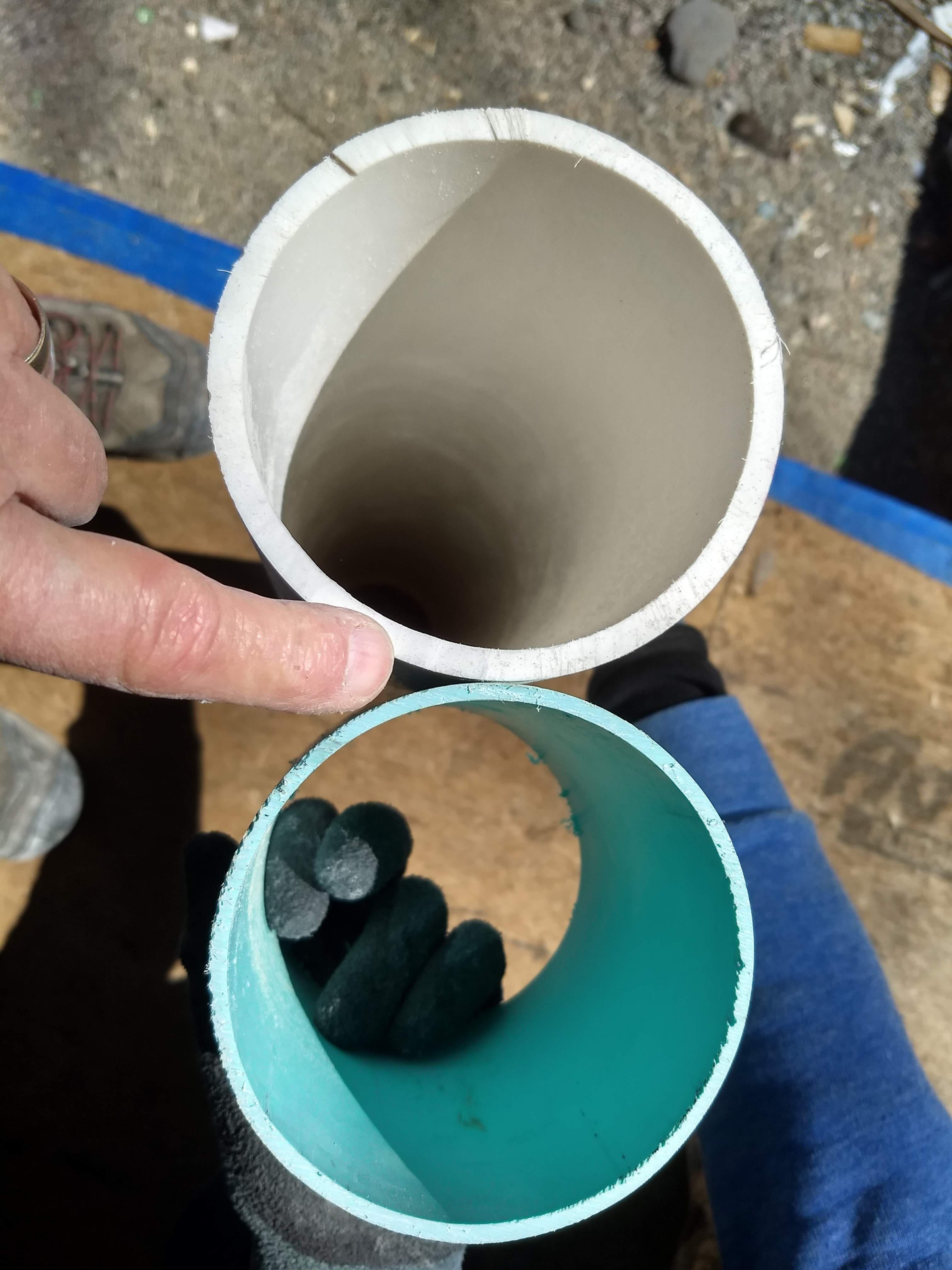
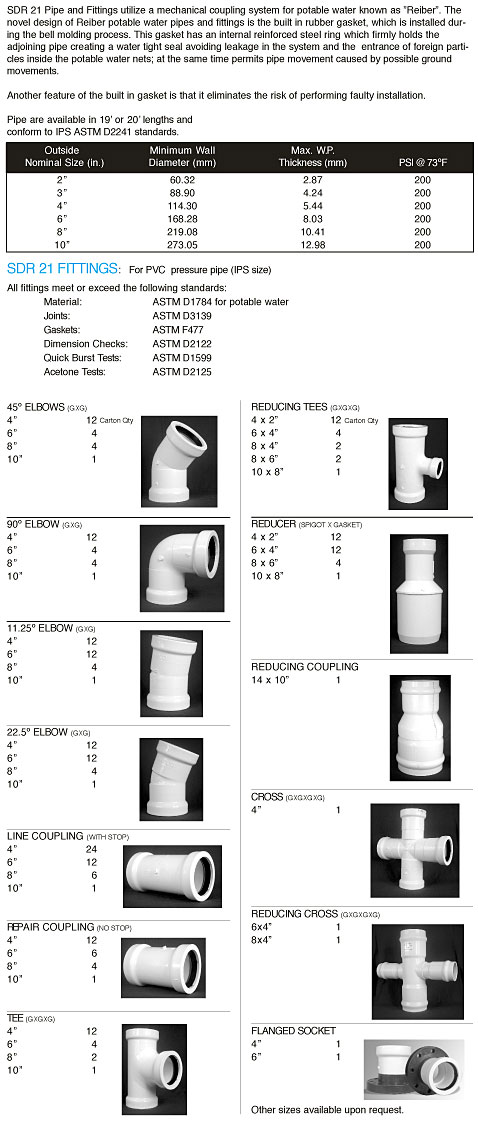
SDR stands for Standard Dimension Ratio. SDR 21 means the pipe’s diameter is 21 times the wall thickness. This ratio helps determine the pipe’s pressure rating. The wall thickness changes with the pipe size but keeps the ratio constant. SDR 21 pipes usually have thinner walls compared to SCH 40 pipes of the same diameter.
Sch 40 Specifications
SCH means Schedule, referring to the pipe’s wall thickness. SCH 40 pipes have a fixed thickness based on the diameter size. These pipes are thicker and stronger than SDR 21 pipes. SCH 40 is a common choice for many plumbing and industrial uses. The thickness varies with the pipe size but is thicker than SDR 21 for the same diameter.
Impact On Diameter And Thickness
SDR 21 pipes have a thinner wall for the same outside diameter. This means the inside diameter is larger, allowing more flow. SCH 40 pipes have thicker walls, reducing the inside diameter. Thicker walls mean better pressure handling but less flow inside the pipe. Choosing between SDR 21 and SCH 40 depends on the needed pressure and flow requirements.
Pressure Ratings And Strength
Pressure ratings and strength are crucial when choosing pipes for any project. These factors determine how much force a pipe can handle before it fails. Both SDR 21 and SCH 40 pipes have unique pressure capacities and strengths. Understanding these helps in selecting the right pipe for specific needs.
Pressure Capacity Of Sdr 21
SDR 21 pipes have a specific pressure rating based on their wall thickness and diameter. They are designed to handle moderate pressure levels safely. These pipes are often used in systems where pressure is consistent but not too high. Their pressure capacity suits applications like irrigation and water supply lines.
Pressure Capacity Of Sch 40
SCH 40 pipes have thicker walls compared to SDR 21. This thickness allows them to handle higher pressure levels. They are common in industrial and plumbing systems requiring strong, durable pipes. SCH 40 pipes can withstand more stress and pressure without cracking or breaking.
Factors Affecting Pressure Ratings
Several factors influence a pipe’s pressure rating. Temperature plays a big role; higher temperatures can lower pressure capacity. The type of material also matters. Installation quality and pipe age affect strength too. Always consider these factors to ensure pipe safety and performance.
Material Compatibility And Uses
Material compatibility plays a key role in choosing between SDR 21 and SCH 40 pipes. Different materials suit different environments and uses. Understanding these differences helps pick the right pipe for your project.
Common Materials For Sdr 21 Pipes
SDR 21 pipes often use polyethylene (PE) and polypropylene (PP). These plastics resist chemicals and corrosion well. They handle pressure but are lighter than metal pipes. These materials suit water and gas transport. They also work in underground installations.
Common Materials For Sch 40 Pipes
SCH 40 pipes mostly come in steel, PVC, and CPVC. Steel pipes offer high strength and heat resistance. PVC and CPVC pipes resist chemicals and are easy to install. These materials fit industrial, plumbing, and heating systems.
Typical Applications
SDR 21 pipes fit irrigation, water supply, and gas lines. Their flexibility suits uneven ground and long runs. SCH 40 pipes serve high-pressure water systems, fire protection, and industrial use. Their thickness handles tougher conditions and higher temperatures.
Installation And Handling
Installing and handling pipes like SDR 21 and SCH 40 requires attention to detail. Both types have unique features that affect how they are put in place and managed on-site. Understanding these differences can save time and effort.
Ease Of Installation For Sdr 21
SDR 21 pipes are lighter and thinner than SCH 40 pipes. This makes them easier to carry and position during installation. They often require less heavy equipment, which can speed up the process. The thinner walls allow for easier cutting and fitting. Workers can handle them with less physical strain.
Ease Of Installation For Sch 40
SCH 40 pipes are thicker and heavier. This adds strength but makes them harder to move. Installation may need more people or machinery. Cutting SCH 40 pipes takes more effort because of their thickness. They fit well in systems that need durability. Extra care is needed to avoid damage during handling.
Handling And Durability Considerations
SDR 21 pipes are more flexible but less durable under heavy loads. They can bend slightly without breaking. This helps during installation in tight spaces. However, they may not withstand rough handling well. SCH 40 pipes are more rigid and tough. They resist impacts and pressure better. This makes them suitable for harsh environments. Choosing the right pipe depends on the job’s demands.
Cost Implications
Choosing between SDR 21 and SCH 40 pipes involves more than just size and strength. Cost plays a big role in the decision. Understanding the cost implications helps you pick the right pipe for your project and budget.
Price Differences
SDR 21 pipes usually cost less than SCH 40 pipes. This is because SDR 21 pipes have thinner walls. Less material means lower price. SCH 40 pipes have thicker walls and use more material, making them pricier. The price gap varies by supplier and location.
Long-term Cost Efficiency
SDR 21 pipes may save money upfront but could cost more over time. Thinner walls mean less durability in tough conditions. SCH 40 pipes last longer and resist damage better. They need fewer replacements. This lowers cost over the pipe’s life. Choosing SCH 40 can be more cost-efficient in the long run.
Maintenance Expenses
SDR 21 pipes might need more maintenance due to their thinner walls. Repairs and replacements add up. SCH 40 pipes require less maintenance and fewer repairs. This reduces ongoing expenses. Proper maintenance extends the life of both pipes but is easier and cheaper for SCH 40.
Credit: www.omniindustriesltd.com
Environmental And Regulatory Factors
Choosing between SDR 21 and SCH 40 pipes involves more than just technical specs. Environmental and regulatory factors play a key role in this choice. These factors ensure the materials meet safety and environmental rules. Understanding these can guide better decisions for projects and compliance.
Compliance With Standards
Both SDR 21 and SCH 40 pipes follow strict standards set by industry groups. These standards control dimensions, pressure ratings, and material quality. Compliance helps avoid legal issues and ensures pipes perform safely. It also supports consistent quality across different manufacturers.
Environmental Impact
Manufacturing pipes consumes energy and raw materials. SDR 21 pipes often use less material due to thinner walls, which can lower environmental footprints. SCH 40 pipes, being thicker, may require more resources. Proper disposal and recycling of both types reduce pollution risks. Choosing pipes with eco-friendly certifications can benefit the environment.
Safety Regulations
Safety rules protect workers and users from pipe failures. Both SDR 21 and SCH 40 pipes must pass tests for pressure resistance and durability. Regulations require regular inspections and proper installation. Meeting these rules helps prevent accidents and costly repairs. Safety compliance is critical for any piping system.
Choosing Between Sdr 21 And Sch 40
Choosing between SDR 21 and SCH 40 pipes depends on several important factors. Both types serve different purposes. Understanding their strengths helps make the right choice.
Each pipe type offers unique features. These affect how well they perform in specific situations. Consider the needs of your project before deciding.
Application-based Selection
SDR 21 pipes have thinner walls and are lighter. They work well for low-pressure water systems and drainage. SCH 40 pipes have thicker walls. They suit high-pressure systems and heavy-duty use. Choose the pipe that fits the system’s pressure and flow needs.
Performance Requirements
Check the pressure rating before picking a pipe. SCH 40 handles higher pressure better due to its thickness. SDR 21 allows more flexibility but handles less pressure. Also, consider temperature and chemical exposure. These factors affect pipe durability and safety.
Budget And Project Scope
SDR 21 pipes often cost less because they use less material. They reduce weight and ease installation. SCH 40 pipes cost more but last longer under tough conditions. For small, low-pressure jobs, SDR 21 saves money. Large or demanding projects may require SCH 40 for safety and longevity.

Credit: punchlistzero.com
Frequently Asked Questions
What Is The Main Difference Between Sdr 21 And Sch 40 Pipes?
SDR 21 pipes have thinner walls than SCH 40 pipes of the same diameter. This makes SDR 21 lighter but less strong.
Which Pipe Is Stronger: Sdr 21 Or Sch 40?
SCH 40 pipes are stronger due to their thicker walls. They handle higher pressure and are more durable.
Can Sdr 21 Pipes Handle High Pressure?
SDR 21 pipes can handle moderate pressure but are not ideal for very high pressure. SCH 40 is better for heavy-duty use.
Are Sdr 21 And Sch 40 Pipes Used For The Same Applications?
SDR 21 is often used for drainage and low-pressure systems. SCH 40 is common in water supply and industrial use.
How Does The Wall Thickness Affect Pipe Durability?
Thicker walls, like in SCH 40, make pipes more durable and resistant to damage. Thinner walls in SDR 21 reduce weight but also strength.
Which Pipe Is More Cost-effective: Sdr 21 Or Sch 40?
SDR 21 pipes are usually cheaper due to less material. SCH 40 costs more but lasts longer under tough conditions.
Can Sdr 21 Pipes Replace Sch 40 Pipes In Plumbing?
SDR 21 pipes are not a good replacement for SCH 40 in plumbing where pressure is high. Use SCH 40 for safety and reliability.
Conclusion
SDR 21 and SCH 40 pipes serve different needs. SDR 21 pipes have thinner walls and handle less pressure. SCH 40 pipes are thicker and stronger for higher pressure. Choose based on your project’s pressure and durability needs. Both types have their place in plumbing and construction.
Understanding their differences helps you pick the right pipe. Keep your work safe and efficient with the proper choice. The right pipe makes all the difference.