
Building a folding chair requires cutting wooden or metal legs, joining them with a central pivot bolt, attaching cross braces for stability, and securing a flexible seat material like canvas or woven nylon webbing. The entire process relies on precise measurements so the frame collapses flat while supporting an adult’s weight safely. You can complete this project in a weekend using basic woodworking tools and standard hardware store materials.
Key Takeaways
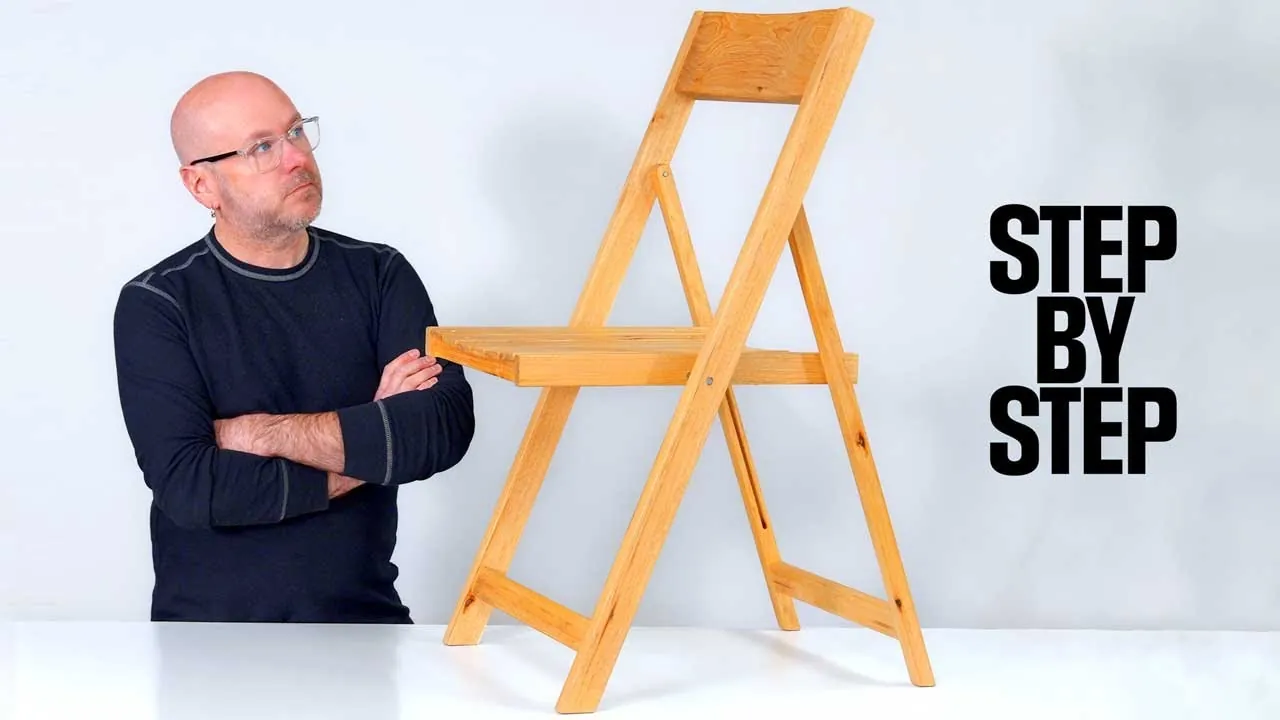
- Use hardwood lumber such as oak, maple, or ash to ensure the frame supports at least 250 pounds without snapping under pressure.
- A central pivot bolt acts as the primary hinge mechanism, requiring exact placement to allow smooth folding and unfolding.
- Canvas fabric or heavy-duty nylon webbing serves best for the seat because it flexes when folded but holds tension when opened.
- Always drill pilot holes before driving screws or bolts into hardwood to prevent the wood from splitting along the grain.
- Apply a protective finish like polyurethane or exterior spar varnish if you plan to use the chairs outdoors or on damp surfaces.
- Check that all four legs touch the ground evenly before finalizing the assembly to avoid a dangerous wobble during use.
Materials Needed for Folding Chairs
Gathering your supplies before starting prevents frustrating trips to the hardware store mid-project. The quality of your materials directly dictates how long the finished chair lasts.
Wood Selection
Choosing the right hardwood species is critical for structural integrity. Softwoods like pine are too weak for the stress points of a folding mechanism and will eventually snap.
| Material | Best For | Approximate Cost per Board Foot |
|---|---|---|
| Red Oak | Budget-friendly strength | $4.00 – $6.00 |
| Hard Maple | Smooth finishing, high durability | $6.00 – $9.00 |
| White Ash | Flexibility, shock resistance | $5.00 – $8.00 |
| Walnut | Premium aesthetic projects | $10.00 – $15.00 |
You’ll also need seat material. Heavyweight cotton canvas (at least 12 ounces per square yard) or woven nylon webbing rated for outdoor use provides the necessary support. Avoid thin fabrics that stretch out after a few uses.
Hardware Requirements
The mechanical parts hold everything together. You need carriage bolts, hex nuts, washers, and wood screws. Stainless steel or zinc-plated hardware resists rust better than plain steel. Purchase fender washers specifically, as their wide surface area distributes pressure across the wood, preventing the bolts from pulling through the legs during use.
Essential Tools for Construction
You don’t need a professional cabinet shop to build these chairs, but you do need reliable equipment. A power drill with various drill bits is non-negotiable for creating clean pivot holes.
A miter saw or circular saw ensures your cuts are perfectly straight. If your leg pieces are cut at slightly different angles, the chair will rock dangerously. You also need a tape measure, a combination square, clamps to hold pieces together during dry fitting, and sandpaper ranging from 80-grit to 220-grit. A router with a round-over bit helps soften sharp edges, making the chair comfortable to handle when folding it up.
How to Make Folding Chairs Step by Step
This section covers the actual construction sequence. Follow each step precisely to ensure the mechanics work correctly.
Cutting the Frame Components
Start by milling your lumber to the correct thickness, typically three-quarters of an inch. Cut the front legs, rear legs, seat rails, and backrest supports according to your chosen blueprint. Label every piece immediately with masking tape. The front legs are usually longer than the rear legs because they extend upward to form the backrest frame. Sand all pieces thoroughly now; it’s much harder to sand tight corners after assembly.
Drilling the Pivot Points
The most important measurement on the entire chair is the pivot hole location. This hole determines where the front and rear legs intersect and cross over each other. If this hole is off by even a fraction of an inch, the chair won’t fold flat or will bind when opening. Measure carefully from both ends of the leg pieces. Clamp the matching left and right legs together and drill through both simultaneously to guarantee perfect alignment.
Assembling the Leg Mechanism
Insert a carriage bolt through the pivot holes of one set of legs. Place a fender washer between the two wooden legs to reduce friction and prevent the wood from rubbing raw. Thread a nylon-insert lock nut onto the bolt. Tighten it just enough so the legs swing freely without wobbling side to side. Repeat this for the second pair of legs. Test the scissor action to confirm smooth movement.
Attaching the Cross Braces
With the leg assemblies functional, connect them using horizontal cross braces. These braces keep the chair rigid and prevent it from collapsing sideways. Attach the upper and lower cross braces using wood glue and screws. Always drill pilot holes first. Ensure the distance between the left and right leg assemblies remains consistent from top to bottom. A slight trapezoid shape will cause the chair to rack and eventually fail.
Installing the Seat and Backrest
Cut your canvas or webbing to size, leaving extra length to wrap around the seat rails. Wrap the material tightly around the dowels or rails and secure it using upholstery tacks, staples, or by sewing a sleeve and sliding the wood through. The seat tension must be tight enough to support weight without sagging to the floor, but loose enough to allow the frame to fold completely shut.
What Wood Works Best for Durability?
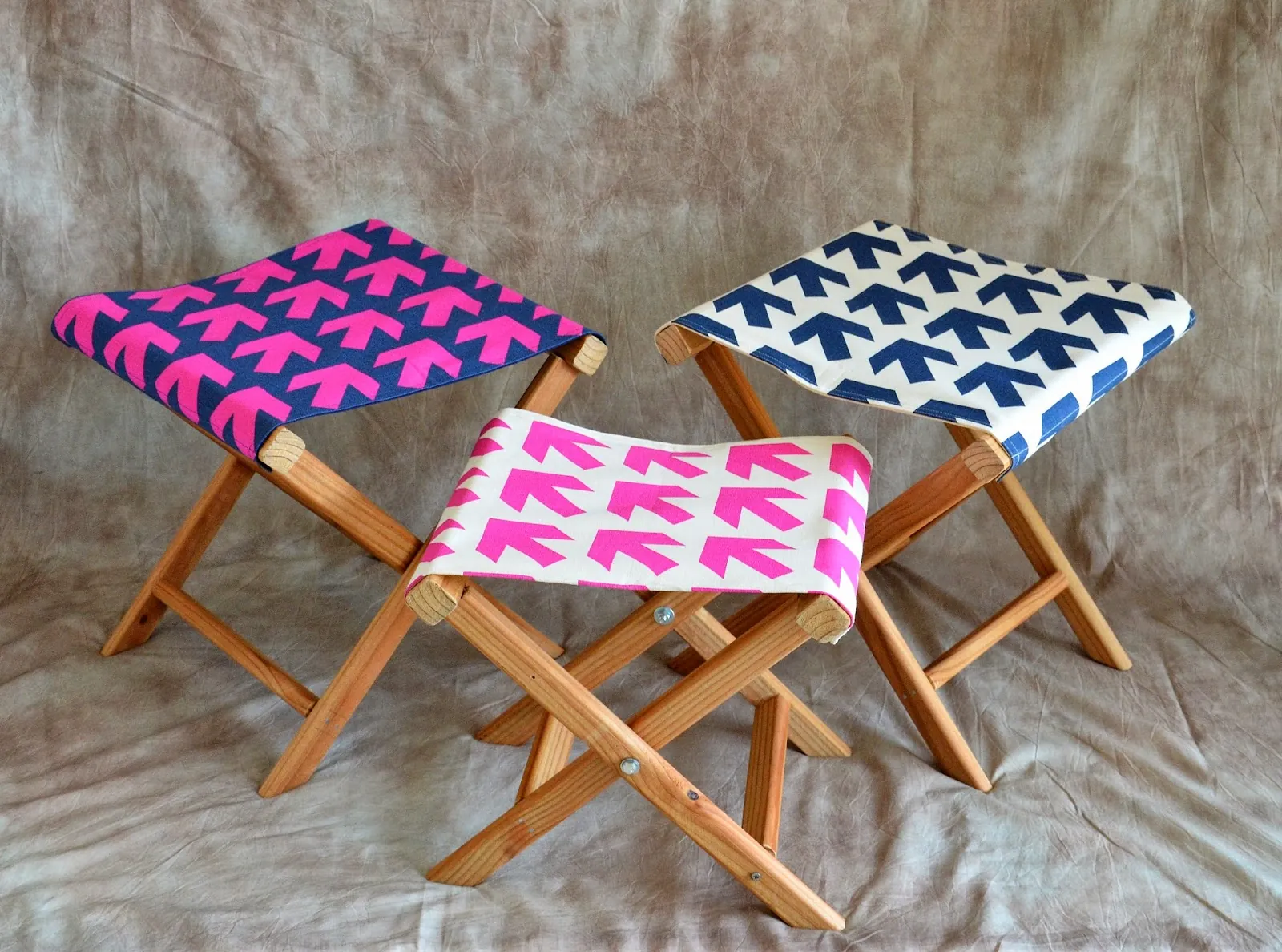
Not all timber handles the repeated stress of folding mechanisms equally well. Understanding wood properties saves you from rebuilding a broken chair later.
White ash is historically the preferred choice for folding furniture because its long fibers provide excellent shock resistance. It bends slightly under heavy loads rather than snapping abruptly. Red oak is widely available and very strong, though its open grain requires more sanding and filling for a smooth finish.
Hard maple offers incredible crushing strength, making it ideal for the pivot points where bolts compress the wood fibers. Avoid poplar or basswood entirely; they dent easily and lack the structural rigidity required for load-bearing joints.
Why Do My Chair Legs Wobble?
A wobbly chair is both annoying and unsafe. Wobbling almost always stems from uneven cuts or misaligned joinery.
If the chair rocks on a flat floor, one leg is shorter than the others. Check your cuts against a reliable square. Another common culprit is loose hardware. Over time, wood compresses around bolts, creating play in the joint. Using nylon-insert lock nuts instead of standard hex nuts prevents vibration from loosening the hardware. Finally, ensure your cross braces are installed perfectly parallel. If the front brace is angled differently than the rear brace, the frame twists under load.
Warning: Never ignore a persistent wobble. A folding chair that shifts unexpectedly can collapse entirely when someone leans back, leading to serious injury. Disassemble and correct the geometry before allowing anyone to sit in it.
Can I Build Metal Folding Chairs?
Yes, but the fabrication process changes significantly compared to woodworking. Building a metal frame requires a welder, a tubing bender, and knowledge of metallurgy.
| Feature | Wooden Frame | Steel Tubing Frame | Aluminum Frame |
|---|---|---|---|
| Primary Tool | Miter saw, drill | MIG/TIG welder | TIG welder |
| Weight | Heavy | Very heavy | Lightweight |
| Rust Risk | None | High without paint | None |
| Skill Level | Intermediate | Advanced | Expert |
Steel tubing provides unmatched strength but adds significant weight, defeating the purpose of a portable chair. Aluminum is lightweight and rust-proof, but welding thin-walled aluminum tubing requires a skilled hand with a TIG welder to avoid burning through the metal. For most home builders, sticking to hardwood lumber yields the best balance of aesthetics, portability, and achievable craftsmanship.
Finishing and Protecting Your Chairs
Raw wood absorbs moisture, dirt, and oils from hands, which degrades the material quickly. Applying a proper finish extends the lifespan dramatically.
For indoor chairs, a wipe-on polyurethane or Danish oil enhances the grain while providing a durable barrier against spills. Apply at least three coats, lightly sanding with 320-grit paper between each layer for a glass-smooth feel. For outdoor use, you need a marine spar varnish.
Unlike standard polyurethane, spar varnish contains UV inhibitors and remains slightly flexible, allowing it to expand and contract with temperature changes without cracking. Pay special attention to the end grain of the legs, as this area acts like a sponge for ground moisture.
Pro Tip: Mask off the pivot holes and the areas where the canvas wraps around the rails before applying your finish. Varnish buildup inside the pivot holes creates friction that ruins the smooth folding action, and slippery finishes prevent canvas seats from gripping the wood securely.
Safety Considerations During Assembly
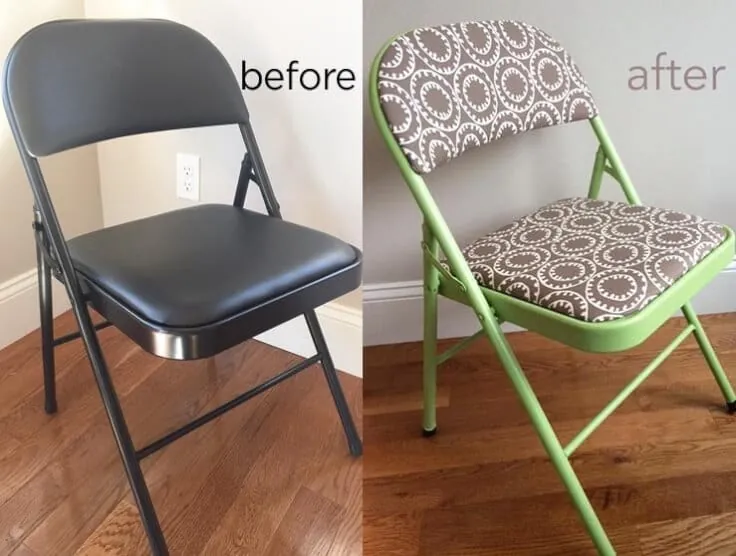
Folding chairs pinch fingers and bear human weight, making safety paramount during construction.
Ensure all hardware sits flush or is countersunk below the surface of the wood. Protruding bolt threads catch clothing and scratch skin. When testing the chair for the first time, place it on a soft surface like grass or carpet. Apply weight gradually rather than dropping your full body weight into it immediately. Verify that the locking mechanism—whether it relies purely on geometry or includes a physical latch—holds firm.
Always wear eye protection when drilling hardwoods, as dense species like maple can throw sharp splinters. Keep your workspace ventilated when applying oil-based finishes.
Related guides
Frequently Asked Questions
How much weight can a DIY folding chair hold?
A properly constructed hardwood folding chair using three-quarter-inch thick oak or ash, secured with half-inch carriage bolts, typically supports between 250 and 300 pounds. Exceeding this limit risks snapping the pivot points. Always test the chair gradually before trusting it with full body weight.
What angle should the backrest be?
The backrest should tilt backward between 10 and 15 degrees from vertical. A perfectly upright backrest feels stiff and uncomfortable. Angling it slightly allows the sitter’s weight to push naturally into the rear legs, improving overall stability and comfort during extended sitting periods.
How do I stop the canvas seat from sagging?
Sagging occurs when the fabric stretches or was installed too loosely. Pre-shrink cotton canvas by washing and drying it before installation. Pull the material extremely taut when wrapping it around the seat rails. For a permanent solution, use woven nylon webbing, which resists stretching far better than natural fibers.
Can I use plywood instead of solid wood?
Plywood isn’t recommended for the main leg components. The layered structure lacks the continuous grain strength needed at the pivot bolt, making it prone to delamination and snapping under lateral stress. Solid hardwood remains the safest and most durable choice for moving structural parts.
What size bolts do I need for the hinges?
Use quarter-inch or five-sixteenths-inch diameter carriage bolts for the main pivot points. Smaller bolts bend under the leverage created by an adult’s weight. Pair them with wide fender washers to distribute the clamping force across a larger area of the wood, preventing localized crushing.
How long does it take to build one chair?
An experienced woodworker can build a single folding chair in about four to six hours, excluding drying time for glue and finishes. Beginners should plan for a full weekend. Rushing the measuring and drilling phases inevitably leads to misaligned joints that require starting over with fresh lumber.
Conclusion
Now that you understand the mechanics and materials required, sketch your design on graph paper to finalize your specific dimensions. Head to your local lumber yard to select straight, defect-free hardwood boards, and begin milling your stock this weekend.