
Cleaning oak chairs requires wiping them down with a mild soap solution, drying them immediately to prevent water damage, and applying a quality furniture wax or oil to protect the wood grain. Oak is a durable hardwood, but its open pores make it vulnerable to trapped dirt, moisture rings, and harsh chemicals that strip away protective finishes over time.
Key Takeaways
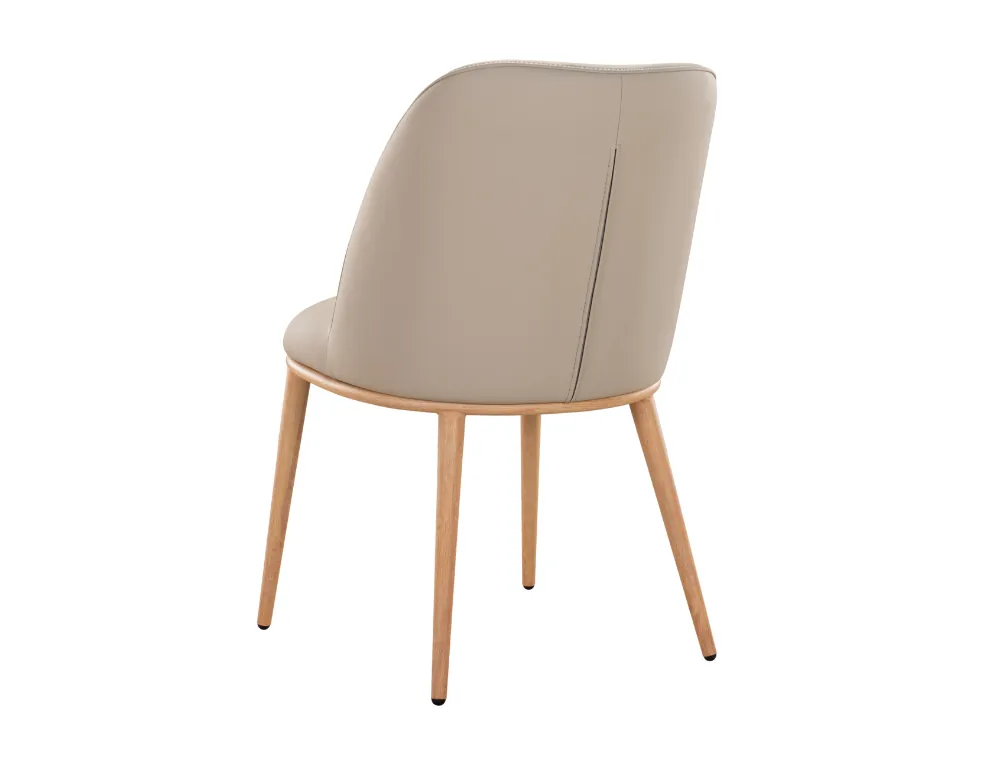
- Use only mild dish soap mixed with warm water for routine cleaning; avoid soaking the wood.
- Always wipe oak surfaces completely dry immediately after washing to prevent moisture from penetrating the grain.
- Apply a paste wax like Minwax or Howard Feed-N-Wax every six months to maintain a protective barrier.
- Never use silicone-based sprays such as Pledge on unfinished oak, as they create buildup that blocks future refinishing.
- Treat dark water stains with fine steel wool and mineral oil rather than aggressive sanding.
- Test any new cleaner on an inconspicuous area, like the underside of the seat rail, before full application.
How to Clean Oak Chairs
Understanding how to clean oak chairs properly ensures you preserve both the structural integrity and the visual warmth of the wood. The method you choose depends entirely on whether your furniture features a sealed polyurethane finish, a traditional lacquer, or bare, oiled wood.
Sealed finishes repel water easily, while unsealed oak absorbs liquids rapidly, requiring much more cautious techniques. Using the wrong solvent can permanently cloud a clear coat or raise the grain on raw timber, leaving a rough texture that demands professional sanding to fix.
Pro Tip: Identify your finish by placing a single drop of water on a hidden spot. If it beads up, the chair has a modern sealant like polyurethane. If it absorbs quickly and leaves a dark spot, the wood is either oiled or unfinished, meaning you must keep all liquid exposure to an absolute minimum during your cleaning process.
Supplies You Will Need
Gathering the right materials prevents mid-task interruptions and protects the wood from accidental scratches caused by improper tools. Avoid stiff-bristled scrub brushes or abrasive sponges, which will permanently score the surface of your furniture.
| Supply Category | Recommended Item | Purpose |
|---|---|---|
| Cleaning Agent | Dawn dish soap | Cuts grease without stripping natural oils or modern sealants |
| Cloth Material | Microfiber towels | Traps dust in fibers without scratching delicate wood grain |
| Solvent | Mineral spirits | Safely removes sticky adhesive residue, old wax, or heavy grime |
| Protection | Howard Feed-N-Wax | Conditions dry wood and adds a protective beeswax layer |
| Detailing Tool | Soft horsehair brush | Reaches into carved details and tight spindle joints safely |
Always ensure your microfiber cloths are freshly laundered and free of fabric softener residues, which can leave a dull film on polished wood surfaces. A dedicated set of cleaning rags used exclusively for furniture maintenance guarantees no cross-contamination from kitchen grease or bathroom cleaners.
Routine Dusting and Maintenance
Dust is highly abrasive. Over time, microscopic particles act like fine sandpaper when people sit down or shift their weight against the chair back. Weekly removal of this debris is the most effective way to prevent long-term wear on the finish.
Use a dry microfiber cloth or a vacuum attachment fitted with a soft bristle brush to remove loose particulate matter. Run the cloth along the direction of the wood grain to avoid pushing dust deeper into the open pores characteristic of oak. Pay special attention to the areas where the spindles meet the seat, as these intersections naturally collect household debris. For intricate carvings, a soft horsehair detailing brush dislodges trapped dirt effectively without risking surface scratches.
Maintaining a consistent schedule of weekly dusting prevents the need for aggressive deep-cleaning methods later. Neglect allows airborne oils from cooking or skin contact to bind with dust, creating a stubborn, gummy layer that resists simple wiping.
Deep Cleaning Oak Chair Surfaces
When routine dusting is no longer sufficient to restore the chair’s luster, a deeper wash becomes necessary. This process lifts embedded grime, body oils, and environmental pollutants that have bonded to the finish over months of regular use.
Mixing the Solution
Combine one teaspoon of Dawn dish soap into two cups of warm water. Stir gently to avoid creating excessive suds, which are difficult to rinse off wooden furniture. Dip your microfiber cloth into the mixture and wring it out until it’s barely damp. Excess water is the primary enemy of oak, causing veneer lifting, joint swelling, and permanent staining.
Wiping Technique
Wipe the chair systematically, starting from the top crest rail and working downward to the legs. Follow the direction of the wood grain with smooth, even strokes. Don’t scrub in circles, as circular motions leave visible swirl marks on glossy finishes. After washing a small section, immediately follow up with a second, completely dry cloth to remove residual moisture. Work in manageable sections so the soapy water never sits on the wood long enough to penetrate the finish.
Rinse your damp cloth frequently in a separate bucket of plain water to avoid redepositing dirt onto the chair. Once the entire piece is washed and dried, allow it to air dry in a well-ventilated room for at least two hours before anyone uses it or before you apply any conditioning products.
Removing Stubborn Stains Safely
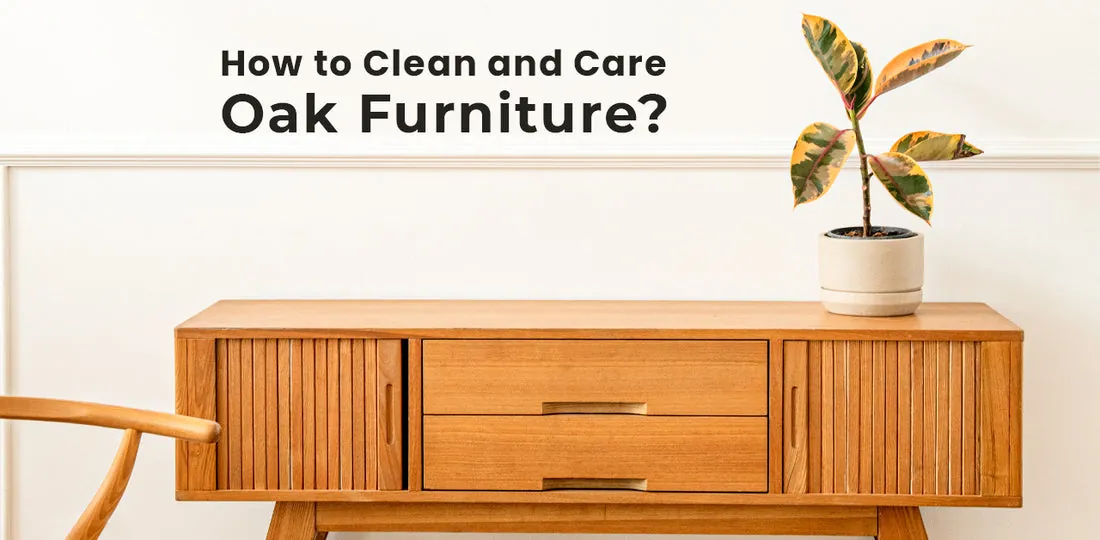
Oak chairs frequently encounter spills, ink marks, and heat damage. Addressing these blemishes promptly with targeted treatments prevents permanent discoloration.
| Stain Type | Treatment Method | Application Steps |
|---|---|---|
| Water Rings (White) | Mayonnaise or petroleum jelly | Apply thickly, leave overnight, wipe away gently with a clean cloth |
| Dark Water Marks | 0000 steel wool and mineral oil | Rub lightly along the grain, wipe clean, reapply protective finish |
| Ink Spills | Isopropyl alcohol on cotton swab | Dab carefully without spreading, wipe immediately with damp cloth |
| Sticky Residue | Goo Gone or mineral spirits | Apply to cloth first, rub residue until dissolved, wash with soap |
White water rings indicate moisture trapped within the top layer of the finish, whereas dark spots mean water has penetrated through to the raw wood itself, reacting with the tannins naturally present in oak. For dark marks, fine steel wool lubricated with mineral oil gently abrades the stained fibers without damaging the surrounding healthy wood. Avoid using chlorine bleach on oak, as it reacts unpredictably with the wood’s high tannin content, often turning the timber an unnatural gray or black.
Should You Use Vinegar?
Many DIY guides recommend white vinegar as a universal cleaner, but its use on oak requires significant caution. Vinegar is acetic acid. While heavily diluted solutions can cut through heavy wax buildup on antique pieces, repeated use degrades modern polyurethane and lacquer finishes, leaving them cloudy and brittle.
If you must use vinegar to strip old wax from a vintage chair prior to refinishing, dilute one part white vinegar with four parts water. Apply it sparingly with a cloth, never spray it directly onto the wood.
Immediately neutralize the acid by wiping the surface with a cloth dampened only with plain water, followed by thorough drying. For everyday cleaning of finished oak dining chairs, stick to pH-neutral dish soap. Reserve acidic cleaners strictly for specific restoration tasks where removing the existing topcoat is actually the intended goal.
What About Commercial Wood Cleaners?
The market offers numerous aerosol sprays and liquid polishes marketed specifically for wood furniture. Products like Murphy Oil Soap are formulated to clean finished wood safely when diluted according to package instructions. However, many popular aerosol dusting sprays contain silicone oils that provide instant shine but cause long-term complications.
Silicone creates a slick barrier that looks appealing initially but penetrates microscopic cracks in the finish. If you ever need to refinish or repair the chair, silicone contamination causes new stains and topcoats to fisheye or peel away. When selecting a commercial product, read the ingredient label carefully. Opt for water-based or natural oil-based cleaners rather than silicone-heavy formulas. Brands like Weiman offer specific wood washes designed to clean without leaving problematic residues.
Warning: Never mix different commercial cleaning products together. Combining ammonia-based glass cleaners with bleach-containing wood washes produces toxic chloramine gas. Stick to one approved cleaning method per session to ensure both your personal safety and the preservation of the furniture.
Conditioning and Protecting the Wood
Cleaning removes dirt, but it can also strip beneficial oils from unsealed oak or leave sealed finishes looking slightly dry. Conditioning restores suppleness and provides a sacrificial layer against future spills.
For oiled or unfinished oak, apply pure tung oil, boiled linseed oil, or a blend like Tried & True Original Wood Finish. Rub the oil into the wood generously, let it absorb for fifteen minutes, and thoroughly buff away the excess. Leaving pooled oil on the surface results in a sticky, uneven glaze that attracts dust rapidly.
For sealed oak chairs, a high-quality paste wax provides excellent protection. Apply a thin, even coat of Minwax Paste Finishing Wax using a soft cloth. Allow it to dry to a haze, typically taking ten to twenty minutes, then buff it vigorously with a clean microfiber towel to bring up a hard, protective shine. This wax layer fills microscopic pores, making subsequent dusting significantly easier and preventing minor spills from reaching the actual finish beneath.
How Often Should You Condition?
The frequency of conditioning depends heavily on the chair’s environment and usage level. Dining chairs subjected to daily meals, hand contact, and temperature fluctuations require more frequent attention than decorative accent chairs kept in a climate-controlled living room.
| Environment | Cleaning Frequency | Conditioning Schedule |
|---|---|---|
| Daily Dining Room | Weekly dusting, monthly wash | Every three to four months |
| Occasional Accent | Bi-weekly dusting | Every six months |
| High Humidity Area | Weekly dusting, immediate spill cleanup | Every two to three months |
| Climate Controlled | Monthly dusting | Annually |
In environments with forced-air heating or intense sunlight, wood dries out much faster. Monitor the surface sheen; if the oak begins looking dull or feeling excessively rough despite regular dusting, it’s time to reapply your chosen conditioner. Maintaining a strict conditioning schedule prevents the wood fibers from shrinking and cracking during seasonal humidity drops.
Preventing Future Damage
Preserving clean oak chairs involves managing their environment just as much as wiping them down. Direct ultraviolet light alters the chemical structure of lignin in wood, causing oak to bleach out or darken unevenly over time. Position chairs away from south-facing windows or install UV-filtering window films.
Heat sources like radiators and floor vents force localized drying, leading to split joints and warped seat pans. Maintain indoor relative humidity between thirty-five and fifty-five percent. The US Environmental Protection Agency notes that controlling indoor moisture levels helps preserve building materials and furnishings from premature degradation indoor moisture control guidelines. Use a standalone humidifier during winter months when heating systems severely dry out interior air.
Always use felt pads under decorative objects placed near the chairs, and enforce the use of placemats or tablecloths during meals to catch acidic food spills before they migrate onto the chair arms or legs.
Frequently Asked Questions
Can I use baby wipes on oak chairs?
Baby wipes contain moisturizers, fragrances, and mild alcohols that leave a filmy residue on wood finishes. While safe for an emergency spot clean, they shouldn’t replace proper wood cleaning methods. Always follow up by wiping the area with a dry microfiber cloth to remove leftover lotion ingredients that attract dust.
How do I clean oak spindle chair crevices?
Use a soft horsehair detailing brush or a cotton swab dipped lightly in your soapy water solution. Gently work the tool into the tight spaces where spindles meet the seat rail. Avoid metal picks or toothpicks, which easily gouge the softer end-grain exposed inside these joints.
Does steam cleaning ruin oak furniture?
Yes. Steam forces hot moisture deep into the wood pores and beneath the finish layer. This rapid moisture intrusion causes the grain to raise, the finish to turn opaque white, and glued joints to soften and fail. Never use steam mops or garment steamers near solid oak seating.
Why does my oak chair feel sticky?
Stickiness usually indicates accumulated layers of old wax, spilled sugary drinks, or degraded polyurethane finish. Clean the surface with mineral spirits applied to a rag to dissolve wax buildup. If the finish itself is chemically breaking down and remaining tacky, the chair requires complete stripping and refinishing.
Is Murphy Oil Soap safe for oak?
Murphy Oil Soap is generally safe for sealed oak when diluted correctly according to the bottle’s instructions. It shouldn’t be used on raw, unsealed wood, as the oils can penetrate unevenly and cause dark blotching. Always rinse the surface with a water-dampened cloth afterward to prevent soapy residue accumulation.
Conclusion
Start by identifying your chair’s finish today using the water-drop test described above. Once you know whether your oak is sealed or oiled, gather your microfiber cloths and appropriate cleaner, and dedicate twenty minutes this weekend to giving your chairs the precise care they require.