
Recovering deck chairs involves removing the old, worn-out fabric, measuring the wooden or metal frame accurately, cutting heavy-duty replacement canvas or vinyl, and securely fastening the new material using staples, screws, or specialized dowels. Whether you own a classic folding wooden chair or a modern aluminum lounger, replacing the sling is a straightforward weekend project that saves money compared to buying new outdoor furniture. The process requires basic hand tools, patience with measurements, and the right choice of weather-resistant fabric.
Key Takeaways
- Measure the exact distance between frame attachment points before purchasing any replacement fabric to ensure proper tension.
- Choose marine-grade vinyl or solution-dyed acrylic canvas for maximum resistance against ultraviolet rays and mildew.
- Use stainless steel staples or galvanized screws to prevent rust stains from bleeding into your new chair fabric.
- Remove the old fabric carefully to use it as a direct template for cutting your new material.
- Allow the new fabric to warm in the sun before stretching it over the frame for easier installation.
How to Recover Deck Chairs
The specific method for recovering a deck chair depends entirely on how the original manufacturer attached the fabric to the frame. Understanding these distinct approaches prevents frustration when you begin disassembly. You must identify your chair’s attachment style before purchasing supplies.
| Attachment Style | Common Chair Types | Required Fasteners | Difficulty Level |
|---|---|---|---|
| Dowel and groove | Aluminum sling loungers | Replacement plastic dowels | Moderate |
| Stapled edges | Wooden folding chairs | Stainless steel staples | Easy |
| Screwed rails | Teak patio furniture | Galvanized wood screws | Easy |
| Sewn sleeves | Tubular steel frames | Thread and sewing machine | Advanced |
Dowel and Groove Systems
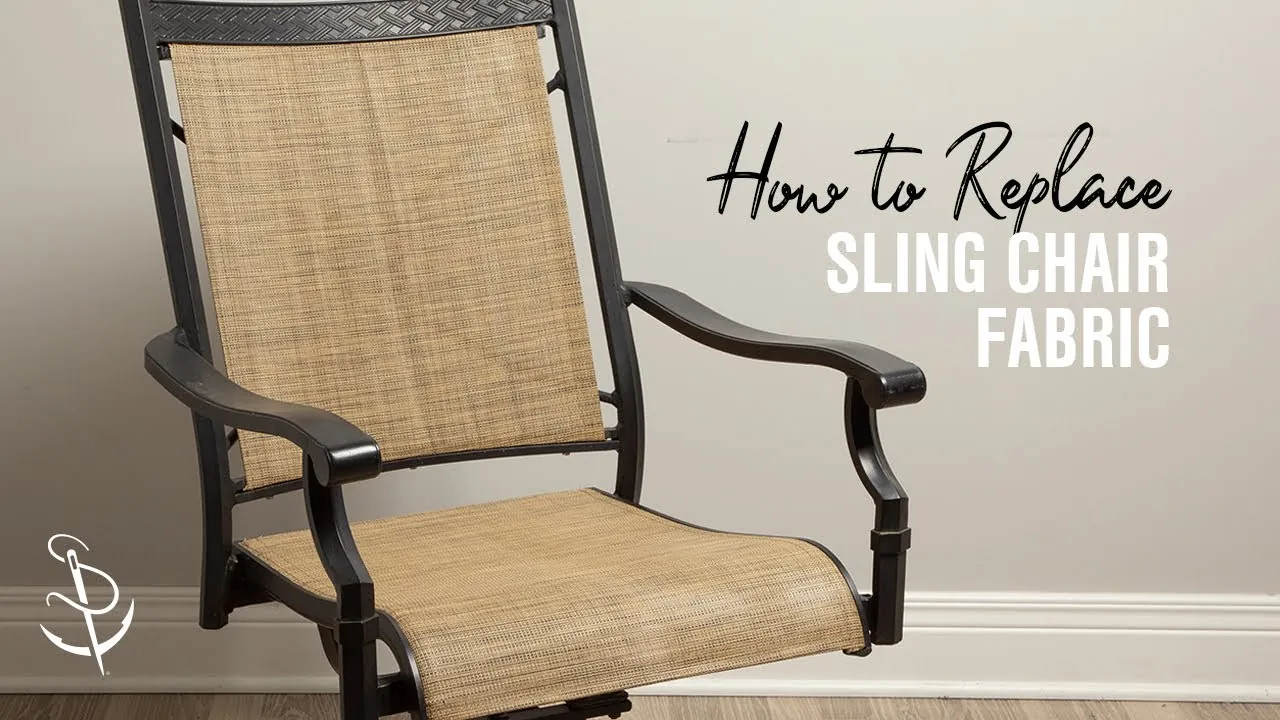
Many modern aluminum loungers use a spline system where the fabric edge is sewn around a small plastic rod, which then slides into a track on the metal frame. To recover these chairs, you slide the old spline out of the track, measure the width, and order replacement slings that already have the dowels sewn into the hems. Companies like Twitchell manufacture replacement spline materials specifically for this purpose.
Stapled and Screwed Frames
Classic wooden deck chairs typically feature fabric that wraps around the top and bottom wooden rails. The old material is usually held in place by rows of staples or a wooden clamping strip secured with screws. Removing the old fasteners reveals the bare wood, allowing you to wrap the new replacement canvas tightly and secure it using a pneumatic or manual staple gun.
Tools and Materials Needed
Gathering everything before starting ensures the project moves smoothly without unnecessary trips to the hardware store. Working outdoors requires durable materials that withstand constant exposure to moisture and sunlight.
| Material Category | Specific Items Needed | Purpose |
|---|---|---|
| Fabric | Sunbrella canvas, Phifertex mesh, or marine vinyl | Provides the seating surface |
| Fasteners | Stainless steel staples, galvanized screws, or spline rods | Secures fabric to the frame |
| Hand Tools | Flathead screwdriver, pliers, staple remover | Removes old hardware |
| Cutting Tools | Heavy-duty fabric shears, rotary cutter, straight edge | Cuts new material accurately |
| Measuring Tools | Flexible tape measure, carpenter square | Ensures precise dimensions |
You’ll also need a clean, flat workspace. A large driveway or a cleared garage floor works best for spreading out the fabric and the chair frame simultaneously. Keep a magnetic parts tray nearby so removed screws don’t get lost in the grass.
Choosing the Right Replacement Fabric
Selecting the correct material dictates how long your newly recovered chair will last. Standard indoor cotton or polyester will rot within a single season if left outside. Outdoor fabrics must resist water, mold, and fading.
Solution-Dyed Acrylics
Brands like Sunbrella use solution-dyed acrylic, meaning the color is mixed into the liquid polymer before the fiber is extruded. This makes the color incredibly resistant to fading from ultraviolet light. Acrylic fabrics breathe well, preventing the seat from becoming uncomfortably hot during summer afternoons. They’re ideal for traditional wooden folding chairs.
PVC-Coated Polyester Mesh
For modern sling chairs, a woven mesh like Phifertex offers superior strength. The Environmental Protection Agency regulates volatile organic compound emissions for many consumer products, and selecting high-quality outdoor textiles helps ensure you’re bringing safe, stable materials into your living space, as detailed in their indoor air quality guidelines. PVC-coated mesh dries almost instantly after rain and supports heavy weight without stretching permanently. It’s the standard choice for tubular aluminum frames.
Marine-Grade Vinyl
If you prefer a smooth, wipeable surface, marine-grade vinyl is an excellent option. It doesn’t breathe as well as mesh or acrylic, but it completely blocks water penetration. Vinyl is best suited for poolside chairs where wet swimsuits are common. Ensure you purchase vinyl treated with ultraviolet inhibitors to prevent cracking.
Removing the Old Fabric Safely
Don’t simply rip the old fabric away. Taking your time during removal provides you with a perfect pattern for the new material and protects the underlying frame from accidental damage.
Start by flipping the chair upside down. Use a flathead screwdriver or a dedicated staple puller to lift the fasteners. If your chair uses a wooden clamping strip, carefully back out the screws and set them aside. Once all fasteners are removed, gently peel the old fabric away from the wood or metal.
Warning: Inspect the exposed frame thoroughly once the fabric is gone. Wooden frames often harbor hidden rot beneath the old canvas, while aluminum frames may have sharp burrs where welds have cracked. Sand down any rough spots on wood and file down sharp metal edges before applying the new fabric, or the fresh material will tear prematurely.
Lay the removed fabric completely flat on your workspace. Smooth out any wrinkles. This piece will serve as your exact template for cutting the replacement material.
Measuring Your Deck Chair Frame
Even if you plan to use the old fabric as a template, taking independent measurements of the frame acts as a crucial verification step. Fabric stretches over years of use, meaning your old piece might be slightly larger than the actual required dimensions.
Measure the distance between the top rail and the bottom rail where the fabric attaches. Add at least three inches to both the top and bottom measurements to allow enough material to wrap around the rails for stapling. For the width, measure the distance between the side armrests or frame edges, adding two inches total for side hems.
Write these numbers down clearly. If you’re recovering multiple identical chairs, measure each one individually. Wooden frames warp over time, and assuming every chair is exactly the same size leads to ill-fitting fabric on at least one seat. Always double-check your math before making cuts.
Cutting and Preparing the New Canvas
Place your old fabric over the new roll of canvas or mesh. Align the weave of the new fabric so it runs perfectly straight; cutting on a bias causes the seat to sag unevenly later. Trace around the old fabric using a fabric marker or tailor’s chalk.
Remove the template and verify your traced lines against the frame measurements you recorded earlier. If the old fabric stretched significantly, adjust your cut lines inward to match the true frame dimensions plus your wrapping allowance. Cut the fabric using heavy-duty shears or a rotary cutter guided by a straight edge.
If your chosen fabric frays easily, apply a thin line of liquid seam sealant along the cut edges, or fold the edges over twice to create a clean hem before attaching it to the frame. Pro Tip: Ironing the folded hems flat with a low-heat setting makes the final stapling process much easier and results in a cleaner appearance.
Attaching Fabric to Wooden Frames
Wooden frames offer the most forgiving installation process. Begin by laying the chair face down on a soft surface to prevent scratching the wood. Position the cut fabric over the frame, ensuring equal overhang on all sides.
Start at the center of the top rail. Pull the fabric taut and drive a stainless steel staple through the hem into the wood. Move to the center of the bottom rail, pull the fabric firmly downward to create tension, and staple it. Work outward from the center toward the corners on both rails, alternating between top and bottom to maintain even tension.
Avoid pulling too hard near the edges, which can distort the fabric weave. Once the top and bottom are secured, fold the side edges neatly underneath the armrests or side rails and staple them down. Trim any excess bulk at the corners to keep the folds flat. Drive the staples flush; protruding staples will snag clothing.
Installing Sling Fabric on Metal Frames
Metal frames with groove tracks require a different approach. If you purchased pre-sewn replacement slings, insert the plastic spline into the track at the top of the frame first. Use a rubber mallet to gently tap the spline into the channel.
Once the top is seated, move to the bottom track. You’ll likely need to stretch the fabric downward significantly to get the bottom spline into its track. Having a second person hold the top in place while you work the bottom spline into the groove prevents the fabric from popping out.
Warning: Never use metal tools to force plastic splines into aluminum tracks. A slipped screwdriver will gouge the metal frame and potentially slice the new fabric. Always use a nylon-tipped mallet or a specialized spline roller tool designed for window screens and chair slings.
Finishing Touches and Maintenance
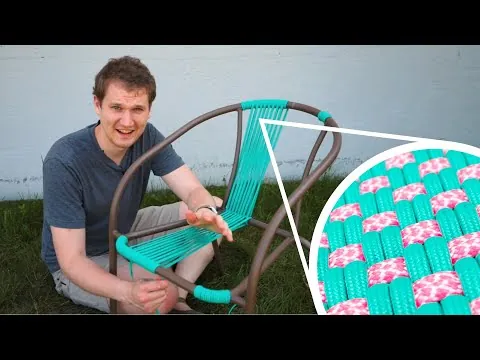
After the fabric is securely attached, flip the chair upright and sit in it gently to test the tension. The fabric should support your weight without touching the ground or the crossbars beneath the seat. If it sags excessively, you may need to remove the fasteners and re-stretch the material.
Apply a fabric protector spray designed for outdoor textiles to help repel water and resist staining. Brands like 303 Products make aerosol protectors specifically formulated for acrylics and meshes. Reapply this treatment at the beginning of every summer season.
During winter months, store recovered chairs indoors or under heavy-duty waterproof covers. Prolonged exposure to snow and ice degrades even the best marine fabrics faster than summer sunlight. Regular maintenance extends the life of your work significantly.
Frequently Asked Questions
What is the best fabric for recovering deck chairs?
Solution-dyed acrylic, such as Sunbrella, is widely considered the best overall choice for wooden deck chairs because it resists fading, breathes well, and feels comfortable against bare skin. For metal sling chairs, PVC-coated polyester mesh like Phifertex provides superior structural support and dries rapidly after rain.
Can I use a regular staple gun for outdoor chairs?
You can use a standard manual staple gun, but you must load it with stainless steel staples. Regular steel staples will rust quickly when exposed to rain and humidity, leaving permanent brown stains on your new fabric and eventually failing to hold the material securely to the wooden frame.
How much does it cost to recover a deck chair?
Doing it yourself typically costs between thirty and eighty dollars per chair, depending on the premium fabric you select. Professional upholstery shops generally charge between one hundred and two hundred dollars per chair, factoring in both labor and materials for standard-sized outdoor wooden folding chairs.
Should I wash the new canvas before installing it?
No, you shouldn’t wash or soak the new canvas before installation. Washing introduces moisture that can cause the fabric to shrink slightly or stretch unpredictably while you’re trying to secure it. Simply unroll the fabric, let it relax flat in the sun for an hour, and proceed directly to cutting.
Why is my new deck chair fabric sagging?
Sagging occurs when the fabric wasn’t pulled with enough tension during installation, or if the wrong type of material was selected. Stretchy indoor fabrics will sag immediately under body weight. Ensure you used a rigid outdoor canvas or mesh and pulled it firmly before driving the final fasteners.
How long does a recovered deck chair last?
A properly recovered deck chair using high-quality outdoor fabric and stainless steel fasteners typically lasts between five and ten years. Direct sunlight intensity, local humidity levels, and whether the chairs are covered or stored indoors during harsh winters heavily influence the overall lifespan of the new material.
Conclusion
Gather your measuring tape and inspect your chair frames today to determine which attachment method they use. Once you know whether you need stainless steel staples or replacement plastic splines, you can order the exact yardage of marine-grade fabric required and begin transforming your worn-out patio furniture this weekend.