
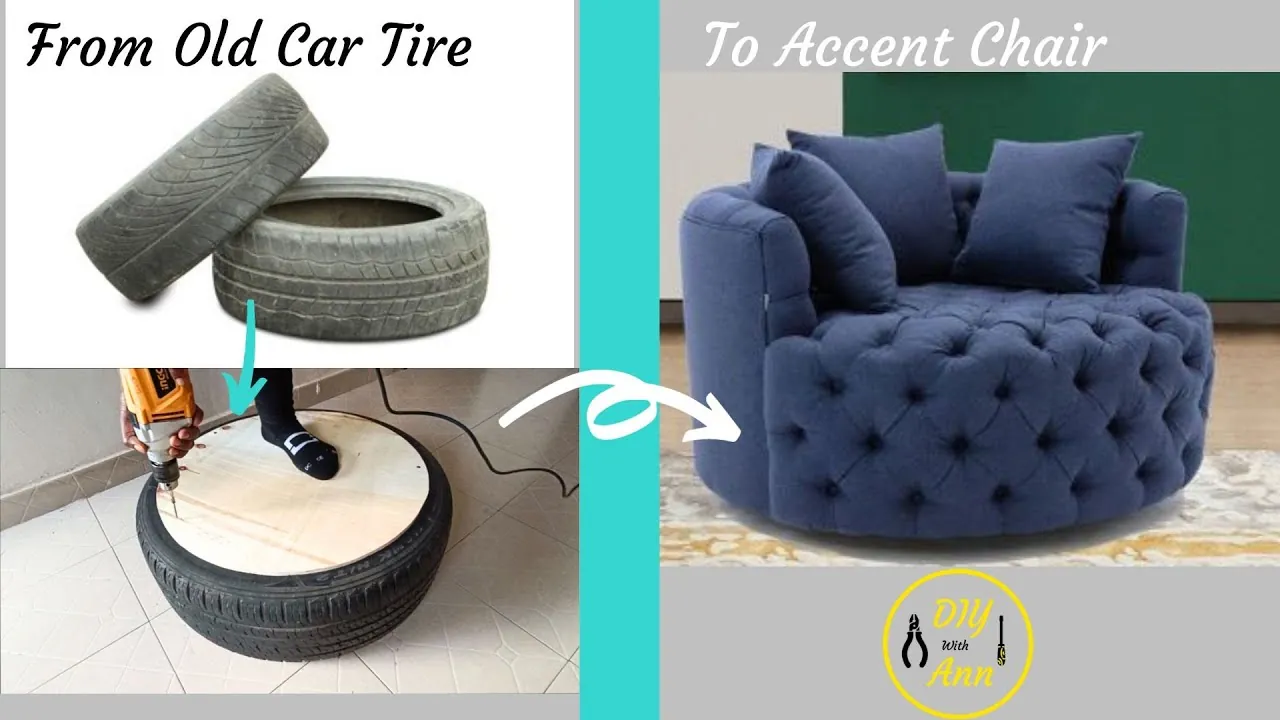
You can create a custom tire chair by cleaning a discarded vehicle tire, securing a supportive plywood base, and topping it with high-density foam and upholstery to transform industrial rubber into comfortable, durable home or patio furniture. Depending on whether you source salvaged materials for free or purchase premium fabric and new hardware, the total cost for this project typically ranges from $25 to $85. This range accounts for variables like the type of paint, the thickness of the cushion foam, and the specific upholstery fabric used for the final finish.
Key Takeaways
- Always thoroughly scrub tires with a degreaser to ensure paint and adhesives bond properly.
- Use pressure-treated plywood for outdoor chairs to prevent rot from moisture exposure.
- Select high-density upholstery foam at least three inches thick for adequate long-term support.
- Incorporate heavy-duty casters or rubber feet to protect your flooring from tire scuffs.
- Ensure the tire is completely dry before applying any primer or spray paint.
How to Make Tire Chairs
Transforming an old tire into a piece of functional furniture requires a methodical approach to preparation and structural assembly. The process begins with sourcing a tire in decent condition, preferably one without deep cuts or exposed steel belts. Once you have the tire, you must clean it meticulously.
Tires often harbor road grime, oil, and brake dust, all of which act as barriers to paint adhesion. Use a stiff-bristled brush and a strong degreasing agent to scrub the rubber inside and out. Rinse it thoroughly and allow it to air dry in the sun for at least 24 hours.
Structural integrity is the most important factor in your design. Because a tire is essentially a hollow ring, you need a rigid circular top and bottom to create a seat. You can cut these circles out of plywood using a jigsaw. For a standard passenger car tire, a circular piece of plywood with a diameter matching the tire’s rim opening is usually sufficient. Once the wood is cut, you’ll need to bolt it to the tire using heavy-duty carriage bolts and washers to ensure the seat doesn’t shift or collapse under weight.
Essential Tools and Materials
| Material Type | Purpose | Estimated Cost Range |
|---|---|---|
| Used Tire | Structural base | $0 – $10 |
| Plywood (1/2 inch) | Seat support | $8 – $20 |
| Upholstery Foam | Comfort layer | $10 – $30 |
| Spray Paint | Aesthetic finish | $5 – $15 |
| Hardware Kit | Assembly bolts | $2 – $10 |
Warning: Always wear safety goggles and a dust mask when cutting plywood or sanding, as wood dust and debris can cause significant respiratory and eye irritation.
Preparing the Rubber Surface
Before you add any decorative elements, the rubber must be primed. Rubber is a non-porous material, which means standard house paint will simply flake off over time. You should use a specialty bonding primer designed for plastics and rubber.
Apply the primer in thin, even coats, allowing each layer to dry completely before adding the next. Once the primer is set, you can apply your final color using an exterior-grade spray paint. Using a satin or semi-gloss finish often helps hide minor imperfections in the tire’s sidewall.
Pro Tip: If you want a more rustic or organic look, consider wrapping the tire in thick sisal rope instead of painting it. You can secure the rope using a high-heat hot glue gun, starting from the center of the tire and working your way outward until the entire exterior surface is covered in a tight, uniform coil.
Crafting the Seat Cushion
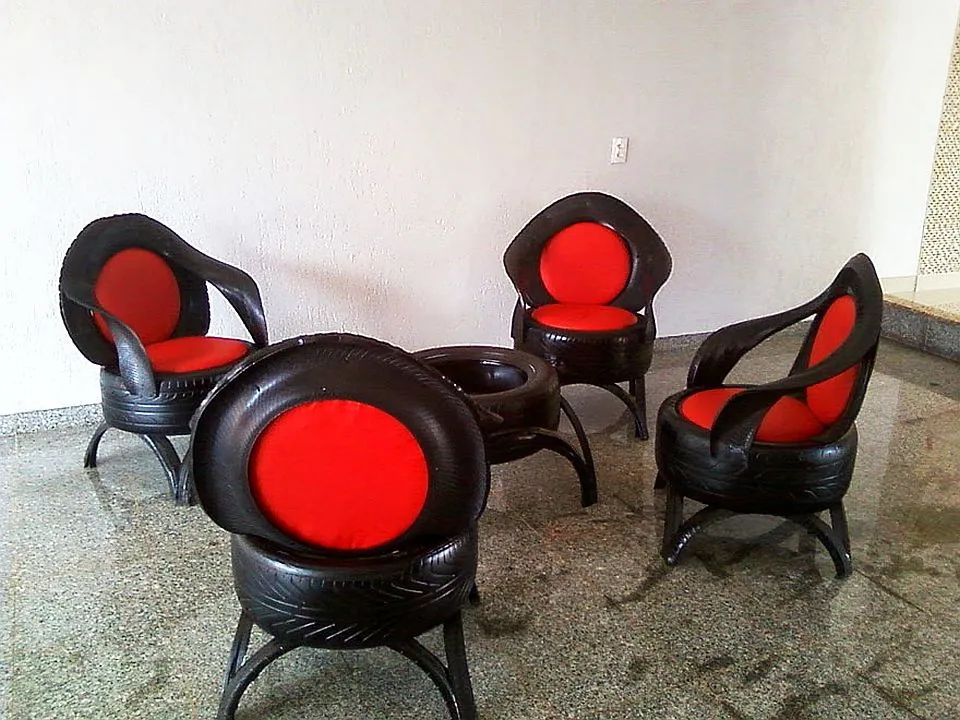
The comfort of your chair depends entirely on the quality of your cushion. For a DIY project, high-density polyurethane foam is the gold standard. You can purchase this in various thicknesses; a three-inch slab provides a firm, supportive seat that won’t flatten out after a few weeks of use. Trace the circumference of your plywood seat support onto the foam and cut it out using an electric carving knife or a sharp serrated bread knife.
Once the foam is cut, you need to wrap it in batting. Batting is a thin, fluffy layer of synthetic fiber that gives the cushion a rounded, professional appearance and prevents the fabric from rubbing directly against the foam.
After the batting is applied, you can stretch your upholstery fabric over the top. Secure the fabric to the underside of the plywood disc using a heavy-duty staple gun. Make sure to pull the fabric taut as you staple to avoid wrinkles or sagging.
Is It Safe to Use Old Tires?
Many people worry about the chemical composition of tires. The risk of chemical exposure is extremely low for furniture that isn’t being chewed on or handled frequently by young children. However, it’s advisable to keep your tire chair in a well-ventilated area, such as a porch or patio, rather than a small, unventilated bedroom.
Assembly and Final Touches
With the seat cushion finished, it’s time to attach it to the tire base. You can use large wood screws driven through the bottom of the seat support into the tire itself, provided the tire is thick enough.
Alternatively, you can use a series of metal brackets that hook under the inner lip of the tire. If you want the chair to be mobile, consider attaching four heavy-duty furniture casters to the bottom plywood disc. This allows you to roll the chair easily across a deck or patio.
Check your hardware periodically to ensure that nothing has loosened. Because tires are flexible, they may expand or contract slightly depending on the temperature, which can occasionally cause screws to work themselves loose. A quick check every few months is usually enough to maintain the structural integrity of the piece.
Can I Use Tires for Indoor Furniture?
You can absolutely use tires for indoor furniture, provided you take the right precautions. The primary concern is the lingering smell of rubber. To mitigate this, ensure the tire has been thoroughly cleaned and perhaps even sealed with a clear coat of polyurethane or a similar sealant.
This creates a barrier that prevents the rubber odor from permeating your home. Additionally, ensure the base is covered with felt pads or rubber feet to prevent the bottom of the tire from scratching hardwood or tile floors.
Design Variations for Your Chair
| Design Style | Material Choice | Difficulty Level |
|---|---|---|
| Modern Minimalist | Matte black paint/Grey fabric | Easy |
| Bohemian Rustic | Natural sisal rope/Burlap | Moderate |
| Industrial Chic | Galvanized bolts/Metal legs | Advanced |
Troubleshooting Common Issues
- Paint Peeling: This usually happens if you skip the bonding primer or paint over a dirty, oily tire. You must strip the paint, clean the rubber with a degreaser, and start over with a proper primer.
- Wobbly Base: If the tire isn’t sitting flat, it’s likely due to the plywood being slightly off-center. Remove the seat, re-center the wood, and re-bolt it to ensure even weight distribution.
- Fabric Sagging: This occurs when the fabric isn’t stapled tightly enough. Use a staple gun every half-inch around the circumference to ensure the fabric remains taut.
- Unpleasant Smell: If the rubber scent is too strong, try placing the chair in a sunny, breezy area for a week to allow the VOCs (volatile organic compounds) to dissipate before bringing it inside.
Related guides
- How to Tighten Dining Room Chairs: A Step-by-Step Fix
- How to Change a Mongoose Bike Tire: Step-by-Step Guide
- How to Fix a Leaky Bike Tire: Step-by-Step Repair Guide
Frequently Asked Questions
How long does a DIY tire chair last?
If kept indoors or in a covered outdoor area, a well-constructed tire chair can last for five to ten years. The rubber itself is incredibly durable, but the fabric and foam cushion will eventually show signs of wear. You can easily replace the seat cushion by unscrewing the plywood top, making these chairs a long-term, sustainable furniture option for your home.
Do I need to use a specific type of tire?
Standard passenger car tires are the best choice because they’re lightweight and easy to work with. Avoid using large truck or tractor tires unless you’re prepared to build a significantly heavier, more complex support structure. Also, ensure the tire is a standard radial tire, as these have a consistent shape that makes it much easier to cut your plywood seat and base circles accurately.
Can I stack tires to make a taller chair?
Yes, you can stack two tires to create a higher seat, which is ideal for a bar-height stool or a more traditional chair height. To do this, you’ll need to bolt the tires together using long threaded rods and washers. Ensure the connection between the tires is rigid, as stacking them can introduce instability if the bolts aren’t tightened securely to prevent the tires from shifting.
Is it difficult to cut the plywood?
Cutting the plywood is the most labor-intensive part of the project. If you don’t own a jigsaw, most local hardware stores will cut the wood for you if you provide the exact diameter measurements. Using a template made from cardboard can help you get the perfect circle size before you head to the store, ensuring the wood fits snugly into the tire’s rim opening.
How do I clean the tire before starting?
Use a heavy-duty degreaser, such as a concentrated dish soap or a dedicated automotive engine cleaner. Scrub the entire surface with a stiff wire brush to remove embedded dirt and oxidation. Rinse the tire thoroughly with a high-pressure hose and let it dry completely in direct sunlight. Moisture trapped under the paint will cause it to bubble and peel, so ensure no water remains in the treads.
Conclusion
Building your own furniture from repurposed materials is a rewarding way to reduce waste while adding a unique, conversation-starting piece to your living space. Start by sourcing a clean, manageable tire and gathering your plywood and upholstery supplies today. With a little patience and attention to detail, you’ll have a sturdy, comfortable, and stylish chair that stands as a testament to your DIY creativity.