
To repair aluminum patio chairs, fix loose joints, wobbly frames, or chipped paint using simple tools like a wrench, sandpaper, and metal-grade spray paint. Oxidation from moisture commonly weakens joint bonds and causes finish flaking. Check bolts if the frame wiggles; replace pieces with holes or deep cracks.
Repairing Aluminum Patio Chair Frames
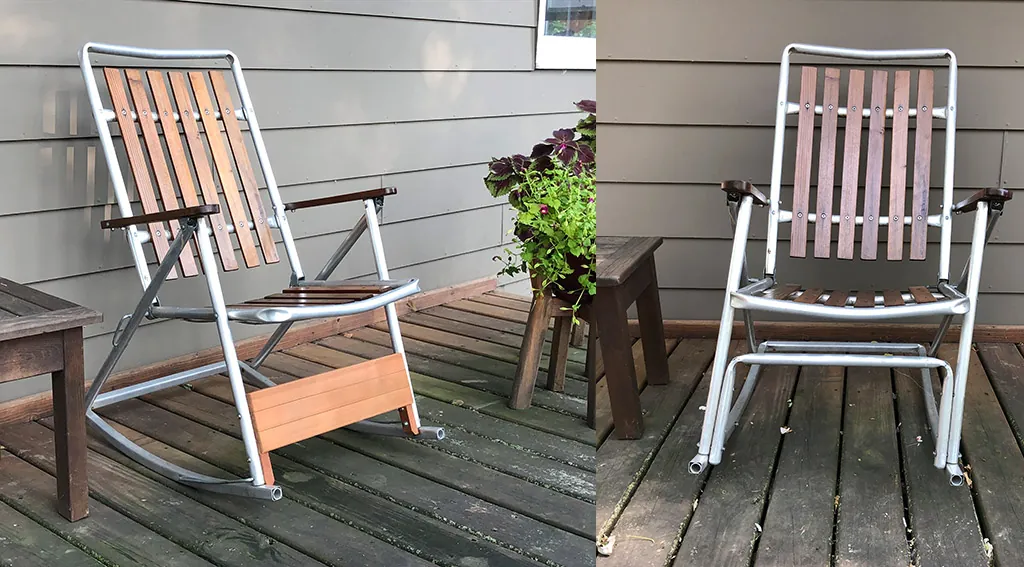
Most aluminum chairs use stainless steel bolts that can loosen over time due to temperature changes or heavy use. If you notice a chair wiggling, tighten the hardware before it causes the metal holes to stretch or warp. If the bolt spins without tightening, the threads inside the aluminum frame are likely stripped, which requires a larger bolt or a nut-and-bolt replacement to secure it.
To tighten your furniture, use a socket wrench to apply firm pressure to the nut while holding the bolt head steady with a screwdriver. Don’t overtighten, as aluminum is a soft metal and you can easily crush the tubing or strip the threads further. If you find rust on the bolts, replace them with new stainless steel hardware to stop the corrosion from spreading to the aluminum frame.
Check the fit of the joints after tightening. If the chair remains unstable, inspect the plastic or nylon spacers between the joints. These spacers prevent metal-on-metal friction and keep the bolts tight. You can buy replacement nylon washers at most hardware stores to restore the original tension. If you can’t find a perfect match, a slightly smaller washer is often better than no washer at all, provided the bolt still captures enough thread to remain secure.
Removing Corrosion and Refinishing Frames
Surface oxidation appears as white, chalky spots on the aluminum. While this doesn’t always ruin the chair, it creates a rough texture that ruins the look of the paint. You must remove this layer before adding a new coat of finish, or the paint will bubble and peel within a few months.
Start by sanding the affected areas with 150-grit sandpaper to smooth out the corrosion. Move to 220-grit sandpaper to create a profile for the paint to grip. If you feel deep pitting that remains after sanding, fill those gouges with a metal-bonding epoxy putty. Let the filler cure fully before sanding it flush, or the paint will highlight the imperfection rather than hide it.
Wipe the entire chair down with a cloth dampened with mineral spirits to remove all dust and oil. If you skip this cleaning step, the paint will flake off within weeks because it can’t bond to the microscopic metal dust.
Apply a self-etching primer specifically formulated for non-ferrous metals to ensure the finish bites into the aluminum surface. Standard primers will slide off the slick metal, leading to premature failure. Once the primer is dry, apply two thin coats of outdoor-rated spray paint, waiting at least 20 minutes between applications.
If you’re working in high humidity, wait double the recommended time between coats. Moisture trapped under the paint layer causes bubbling that ruins the finish. Finally, inspect the frame for sharp edges or loose joints after the paint cures. If the metal feels jagged after sanding, use a fine-grit sanding sponge to soften the transition between the bare metal and the paint.
Replacing Damaged Slings and Straps
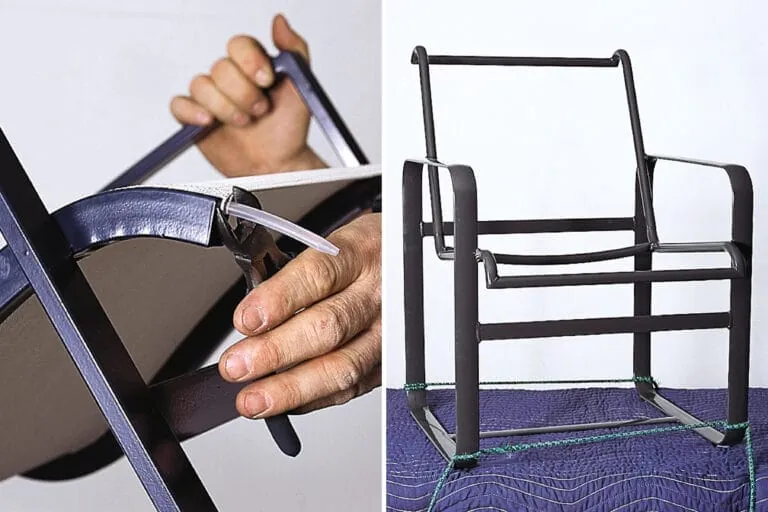
If the seat material is torn or the vinyl straps are sagging, you have to replace them to make the chair comfortable again. For sling chairs, measure the width of the frame channels and order a replacement fabric cut to those exact dimensions.
Installing these is a two-person job because you must compress the frame to slide the fabric into the grooves. If the fabric resists, apply a light coat of silicone lubricant to the track to help it glide without bunching.
For vinyl strap chairs, measure the distance between the holes in the frame to determine the length of the new strap. You’ll need a boiling pot of water to soften the new vinyl straps before you try to stretch them over the frame studs. If you’re working on a cold day, keep the straps in the water until the moment of installation to maintain their pliability.
If you aren’t comfortable using tools or working with hot water, consult a professional upholsterer. This fix isn’t for someone who lacks patience, as forcing a cold strap onto a frame often results in snapping the plastic or bending the aluminum tubing.
Always wear safety glasses when stretching straps, as the tension can cause them to snap back toward your face if they slip. If the strap feels brittle while you pull, stop immediately and return it to the hot water for another minute to prevent a dangerous break.
Mistakes That Ruin Aluminum Chairs
Using steel wool to clean the frame leaves microscopic iron particles embedded in the soft metal. These shards oxidize rapidly, creating permanent rust spots that are nearly impossible to buff out without damaging the surrounding finish.
Applying automotive paint instead of outdoor-rated metal enamel causes the finish to degrade under intense UV exposure. You’ll see cracking and peeling in less than one full season.
Tightening bolts with a power drill often strips the soft aluminum threads. Once these threads are sheared, the bolt will never seat properly again, rendering the chair structurally unstable.
Painting over active corrosion without sanding it down first guarantees the decay will continue beneath your new coat. The trapped moisture creates a pocket that pushes the paint off from the inside out.
If the surface feels chalky or shows white pitting, you must use a phosphoric acid cleaner before priming. Skipping this chemical step ensures your paint will flake within months.
Keeping Your Chairs in Good Condition
The way you maintain your furniture determines how long the repair will last. If you live in a coastal area with high salt content in the air, you must wash the frames with fresh water every two weeks to prevent rapid oxidation. If you live in a dry, inland climate, a simple wipe-down once a month is usually enough to keep the finish intact.
Most owners make the mistake of tightening hardware until it feels immovable. This often strips the soft metal threads, rendering the bolt useless. Instead, tighten until you feel firm resistance, then turn the wrench an additional quarter-turn. If the chair still wobbles after this, the issue is uneven flooring rather than loose hardware; don’t force the bolt further.
If you’re dealing with deep scratches, apply a thin layer of clear coat immediately to seal the exposed metal. If you see rust, use a fine-grit sanding sponge to remove the oxidation before applying touch-up paint.
| If you’re doing this | Do this instead | Why |
|---|---|---|
| Leaving chairs out in winter | Store them in a shed | Prevents water from freezing in joints |
| Using a pressure washer | Use a soft sponge and soap | High pressure can dent the thin metal |
| Tightening with a drill | Use a hand wrench | Prevents stripping the soft metal threads |
| Painting over dirt | Wipe with mineral spirits | Paint won’t stick to dust or oils |
Frequently asked questions
How long does a repair on aluminum chairs last?
A quality repair lasts 3 to 5 years with proper care and winter storage. Longevity depends on removing all initial corrosion before painting. Any remaining oxidation causes paint failure within a season, so ensure the surface is completely dry and debris-free.
Is it safe to repair a chair with a crack in the frame?
No, it isn’t safe to repair a cracked aluminum frame because the metal loses its structural integrity at the break point. While you might be able to patch it with an epoxy or a brace, the chair will likely fail again under the weight of an adult. If you see a crack in the main support bar, the chair should be retired from use to prevent a collapse that could cause an injury.
How much does it cost to replace the straps?
Money but requires a dedicated
Why is my paint peeling off after one week?
Paint peels due to missing adhere. White powder under peeled paint indicates insufficient self- sanding to reach clean metal before applicationetching primer or.
Can I use a regular wrench to tighten the bolts?
Aluminum threads. Str You can use aipped threads make the regular wrench, but chair permanently loose apply gentle force since and difficult to fix aluminum is softer than.
What is the best way to clean aluminum before painting?
Properly maintaining your aluminum patio chairs will keep them looking great for many years. Regular inspections and quick fixes for loose bolts or minor corrosion will save you from having to replace your entire set. If you take the time to clean the metal and use the right primer, your chairs will withstand the elements and provide comfortable seating throughout the summer.
Conclusion
Once your chairs are dry and stable, they’ll look brand new again. Don’t stop with just the frames, though. You should also pick up some weather-resistant cushions to complete the transformation. Your refreshed seating area is ready for many sunny afternoons, so grab a cold drink and enjoy your comfortable outdoor space.