
You can often perform a simple repair to how to fix mesh lawn chairs by re-tensioning the fabric or replacing broken plastic clips. The most common cause of sagging is the gradual stretching of the PVC-coated polyester material over years of sun exposure and heavy weight. If the mesh is torn or the frame is bent, however, a structural repair is rarely possible for a home user.
Why mesh fabric loses its shape
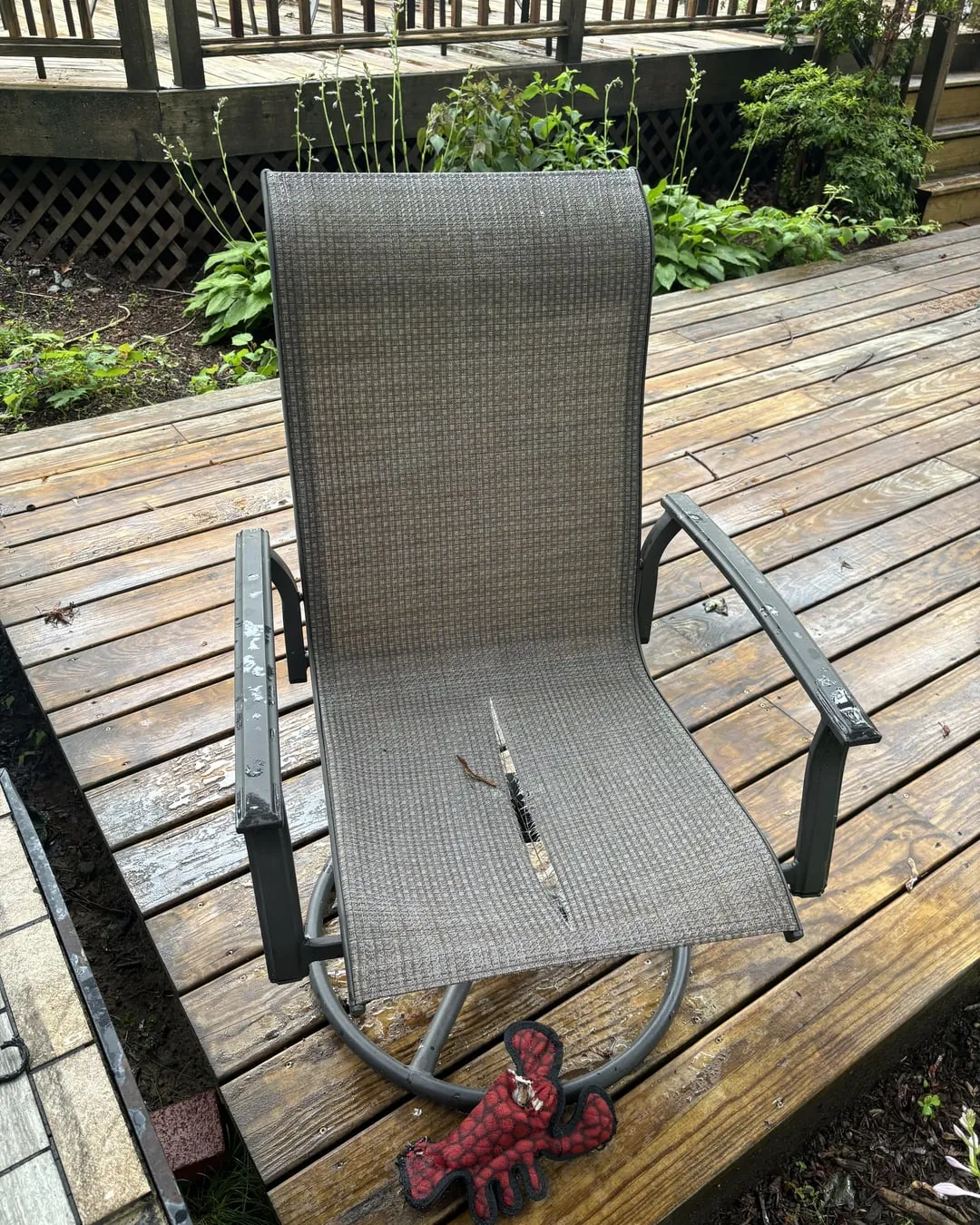
The primary reason mesh lawn chairs sag is the loss of material elasticity due to prolonged ultraviolet radiation. Sunlight breaks down the chemical bonds in the PVC coating that protects the inner polyester fibers, causing the fabric to lose its structural memory. When this coating degrades, the fabric fibers permanently stretch under the weight of the user.
You can test if the fabric is truly dead by pressing your thumb into the center of the seat.
A second cause is the failure of the plastic splines or clips that anchor the fabric into the frame grooves. These clips are made of high-density plastic, which becomes brittle as it ages. Once a clip snaps or pulls out of the groove, the tension across the seat is lost, causing the fabric to bunch up or sag significantly.
If the fabric is still taut but the chair feels unstable, inspect the frame for warping. Structural failures in outdoor furniture often occur at weld points or joints, which can’t be safely repaired at home. If you notice cracks or deep rust at the metal joints, the chair has reached its limit and should be retired to prevent a sudden collapse during use.
How to fix mesh lawn chairs with new splines
This fix is for chairs where the fabric is still in good condition but has simply stretched out over time. You’ll need to buy new plastic spline cord that matches the diameter of your current one, which usually ranges from 4mm to 6mm. First, remove the old, loose spline from the frame groove using a flathead screwdriver. Don’t pry too hard, as you may scratch the frame finish.
Once the old spline is out, pull the mesh fabric taut with a pair of pliers to remove the slack. While holding the fabric in the desired position, press the new spline into the groove starting from the center of the chair and working toward the corners. You may need a rubber mallet to tap the spline firmly into place.
If you find the fabric is too short to reach the groove, don’t force it, as the material will likely rip under the added stress. This method works best for chairs with a continuous groove around the perimeter. If your chair uses individual clips instead of a long spline, you must order the specific replacement clips from the manufacturer. If you don’t have the original manual, check the underside of the seat for a brand sticker.
Replace individual mounting clips
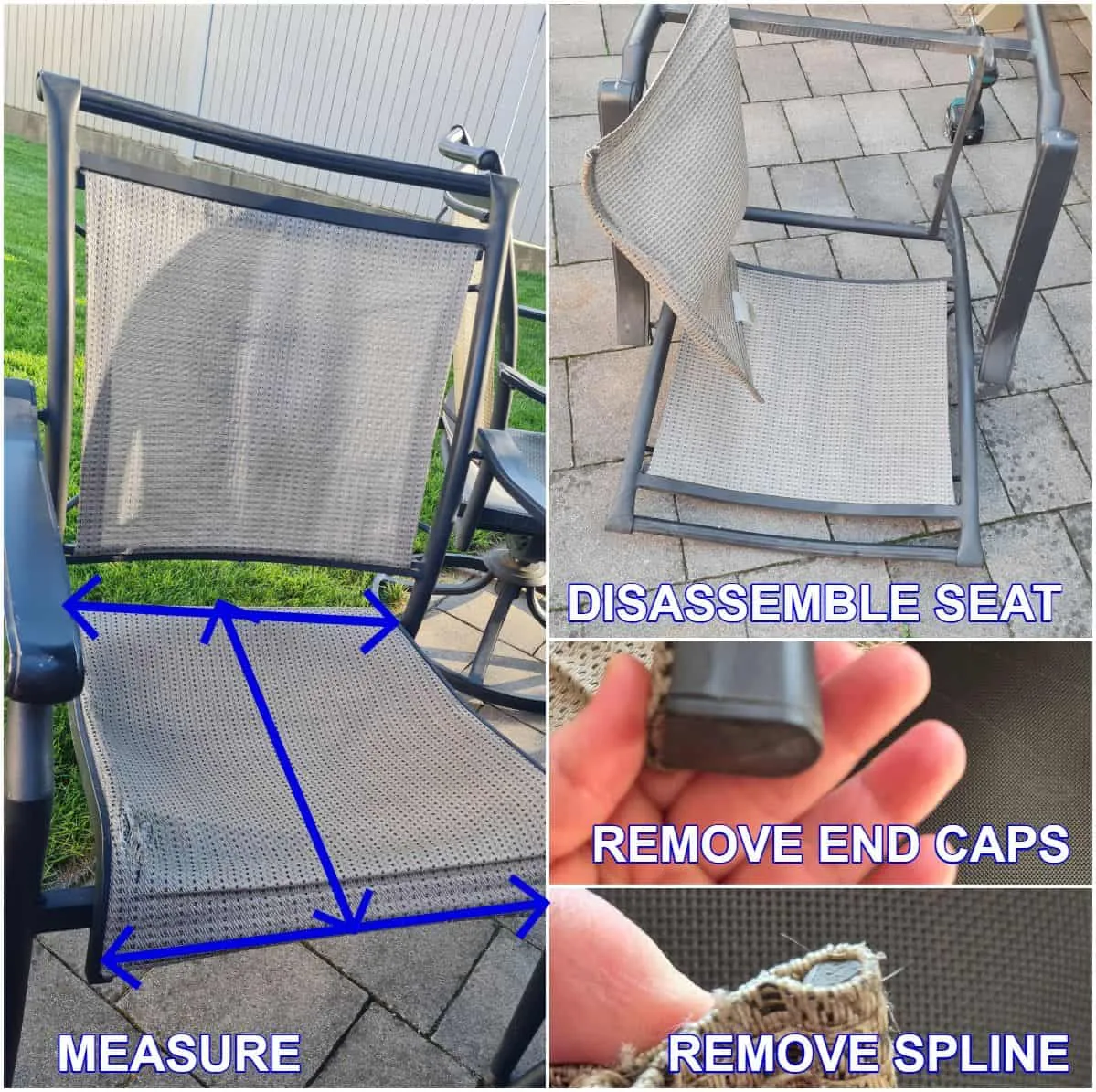
If your chair uses individual plastic clips rather than a long spline, use this method to restore seat tension. This is for chairs where only one or two clips have snapped, leaving the rest of the seat firm. You must measure the width of your frame’s groove and the thickness of the fabric edge before buying replacements, as these parts aren’t universal.
To perform this fix, use a flat-bladed tool to gently pry the broken clip out of the frame channel. Slide the new clip onto the edge of the mesh fabric, ensuring the fabric is folded over the inner ridge of the clip to prevent it from slipping. Push the new clip into the channel until it clicks into place.
If the plastic is too stiff to push in by hand, use a block of wood to protect the plastic and tap it lightly with a hammer. If you encounter resistance, stop immediately. Forcing a clip into a frame that has bent inward will only damage the new part. If the frame channel itself is deformed, the chair can’t be repaired safely. If you’re unsure about the load capacity of a repaired chair, check the manufacturer’s website for the original weight rating.
Use a fabric support layer
This approach is for older chairs where the mesh is still intact but feels too thin to support weight safely. It involves adding a heavy-duty outdoor fabric or a replacement mesh sling over the existing seat. This isn’t a fix for torn mesh, as a tear will continue to grow regardless of the extra support. If you see fraying at the edges or small holes, replace the entire mesh panel instead of layering over it.
If you have basic sewing skills, you can create a sling cover that wraps around the entire seat frame. Use a durable, weather-resistant outdoor fabric such as solution-dyed acrylic, which resists UV damage better than standard polyester. Measure the distance between the two side rails and add enough length to fold over the top and bottom of the frame. You’ll need to sew a channel at each end to allow the frame rails to pass through.
If you don’t have a heavy-duty sewing machine, don’t attempt this, as standard machines will break when stitching through multiple layers of outdoor fabric. In this case, it’s safer to purchase a pre-made replacement sling from a specialized outdoor furniture parts supplier. Always ensure the new fabric is rated for outdoor use, as indoor fabric will mold and rot within one season of exposure to humidity and rain.
If the chair frame has a slight curve, cut your fabric two inches wider than the center measurement to account for the tension shift. If the fabric sags after installation, you likely need a heavier-weight fabric to handle the load. Always test the tension by pressing your palm firmly into the center of the seat before sitting.
Common mistakes to avoid
Using duct tape to seal tears is a mistake that costs you the entire panel. The adhesive breaks down under direct UV exposure, leaving a gummy residue that attracts dirt and prevents proper repairs later. If you have a tear longer than two inches, replace the section entirely rather than patching it.
Applying heat to shrink the mesh is another common error. Using a hair dryer or heat gun melts the PVC coating, which makes the material brittle and prone to snapping under tension. If the mesh feels loose, replace the spline or mounting clips instead of applying heat.
Over-tightening the fabric creates extreme pressure on the frame joints. This often leads to the metal snapping or the frame bending permanently. Aim for a taut surface that deflects no more than half an inch when pressed.
Finally, avoid non-outdoor adhesives. Any glue not rated for exterior use fails during the first rainstorm, turning into a sludge that ruins the fabric during removal. If the label doesn’t explicitly mention moisture resistance, leave it on the shelf.
Maintaining mesh chairs for longevity
| If you’re doing this | Do this instead | Why |
|---|---|---|
| Leaving chairs in direct sun | Store in a shaded area | UV rays degrade plastic fibers |
| Scrubbing with wire brushes | Use soft brushes and soap | Wire brushes tear the PVC coating |
| Using harsh chemical cleaners | Use mild dish soap and water | Chemicals weaken the fabric bond |
| Ignoring loose frame bolts | Tighten bolts twice a year | Prevents frame fatigue and warping |
Most owners fail to account for the weight distribution on mesh surfaces. If you notice the mesh sagging in the center, stop using the chair immediately. This indicates the tensioning clips have snapped or stretched beyond repair. You can usually replace these clips inexpensively, but ignoring the sag will permanently warp the frame.
When cleaning, avoid high-pressure hoses. The force can snap the delicate weave of the mesh. Instead, use a low-flow garden nozzle or a damp microfiber cloth to lift dust. If you find sticky residue, dab it gently rather than rubbing, which grinds debris deeper into the fibers.
Related guides
Frequently asked questions
How long does a mesh chair repair last?
Professional-grade splines typically last two to three years, depending on your local climate and sun exposure. Plastic components degrade faster in regions with a high UV index. Regularly inspect the mesh tension and replace any cracked splines before the fabric tears under stress.
Is it safe to use a chair with a small hole?
No, you shouldn’t use a chair with a hole in the mesh because the tension will cause the rip to spread rapidly. Once the weave is broken, the fabric can fail suddenly, leading to a fall. While a patch may offer a temporary fix, you should replace the chair soon.
Can I paint the mesh to fix the color?
No, you can’t paint mesh fabric because the paint will crack and flake off the first time someone sits on the chair. The mesh is designed to flex under weight, and most paints don’t have the necessary elasticity to move with the fabric. Painting also blocks the small holes in the mesh, which prevents airflow and makes the chair much hotter to sit on during the summer.
What causes the frame to rust?
The frame rusts because the protective powder coating has been scratched, exposing the raw metal to moisture. Once the air and water reach the metal, oxidation begins, which weakens the frame over time. You can slow this down by cleaning the rust with a soft cloth and applying a touch-up paint designed for metal, but this won’t reverse the structural damage already done to the metal.
How do I know if the frame is bent?
You can check if the frame is bent by placing the chair on a perfectly flat surface, such as a concrete patio or garage floor. If one leg doesn’t touch the ground or if the side rails appear wavy rather than straight, the frame is compromised. A bent frame puts uneven pressure on the mesh, which is why your fabric may be pulling out of the grooves on one side.
Conclusion
Once you’ve finished your repairs, give the fabric a light cleaning with mild soap and water to keep it looking fresh. If the material feels brittle or cracks under pressure, it’s probably time to start shopping for a replacement. You’ll be glad you checked before your next sunny afternoon outdoors.