
You can create a balanced living room by pairing chairs with sofa designs that match their scale, frame height, and leg style to your main seating.
Choosing Chairs to Pair With Your Sofa
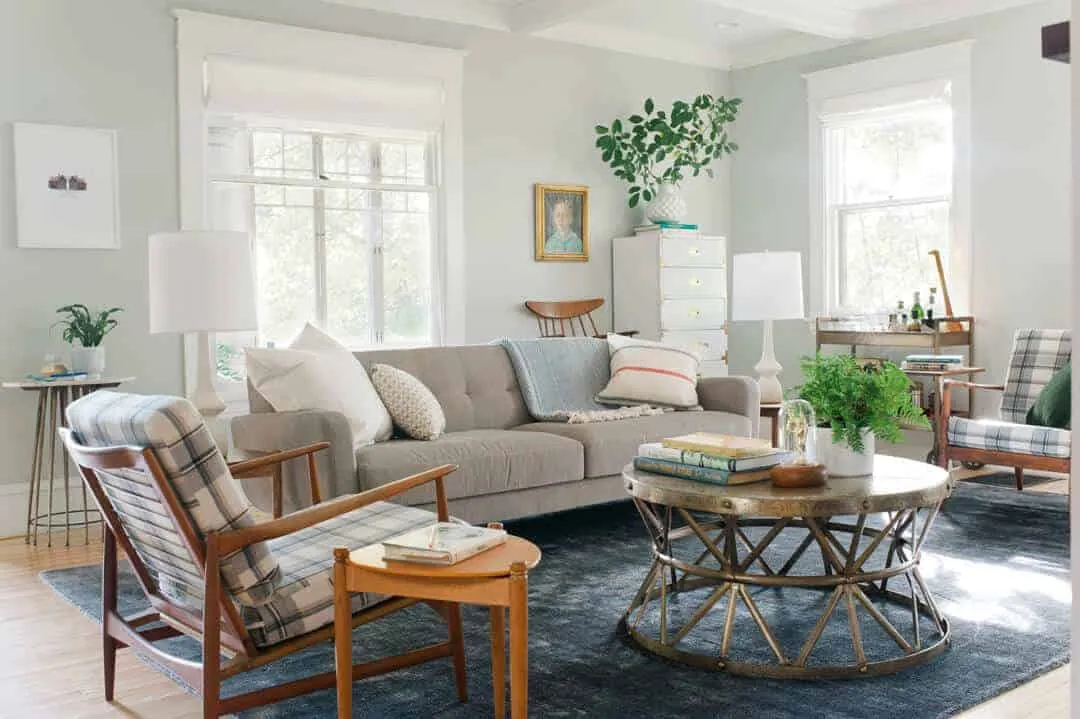
To get the layout right, you need to gather specific information and tools before moving heavy items. Don’t guess the fit, as moving furniture twice is hard on your floors and your back.
- Measuring tape: A 25-foot steel tape is the standard for measuring room dimensions and furniture footprints.
- Painter’s tape: Use this to mark the exact floor space each chair will occupy before you drag them into place.
- Floor plan sketch: A simple drawing on graph paper helps you visualize the flow of traffic around the pieces.
- Fabric swatches: Keep samples of your sofa fabric to check if the chair textures or patterns clash or complement the main piece.
- Furniture sliders: These plastic or felt pads protect wood floors and help you reposition chairs easily during the trial phase.
- Lighting plan: Identify where your floor lamps will go to ensure the chairs remain functional for reading or conversation.
You can swap a chair for a bench if your room is narrow, but avoid using office-style rolling chairs, as they look out of place in a living room setting.
Steps to Arrange Your Seating
- Place your sofa against the longest wall or in the center of the room to anchor the space.
- Position your two chairs at a 45-degree angle toward the center of the sofa to create an inviting conversation area.
- Check the “seat height” of the chairs; they should be within 2 inches of the sofa’s seat height to keep eye lines level.
- Leave at least 18 inches between the edge of the sofa and the front of the chairs to allow enough room for leg movement.
- Use a coffee table to bridge the gap between the seating, keeping it 14 to 18 inches away from the sofa for easy reach.
- Adjust the distance based on your room size; if the room is small, pull the chairs closer to the sofa but keep the 18-inch path clear.
- Add a side table between the chairs if they’re placed side-by-side, ensuring the table is roughly the same height as the chair arms.
Tip: If your sofa has a high back, choose chairs with lower profiles to prevent the room from feeling like a wall of fabric. Careful: Don’t block doorways or walkways; if a chair forces people to walk around it in a tight arc, move it closer to the sofa.
Adjusting for Your Room Size
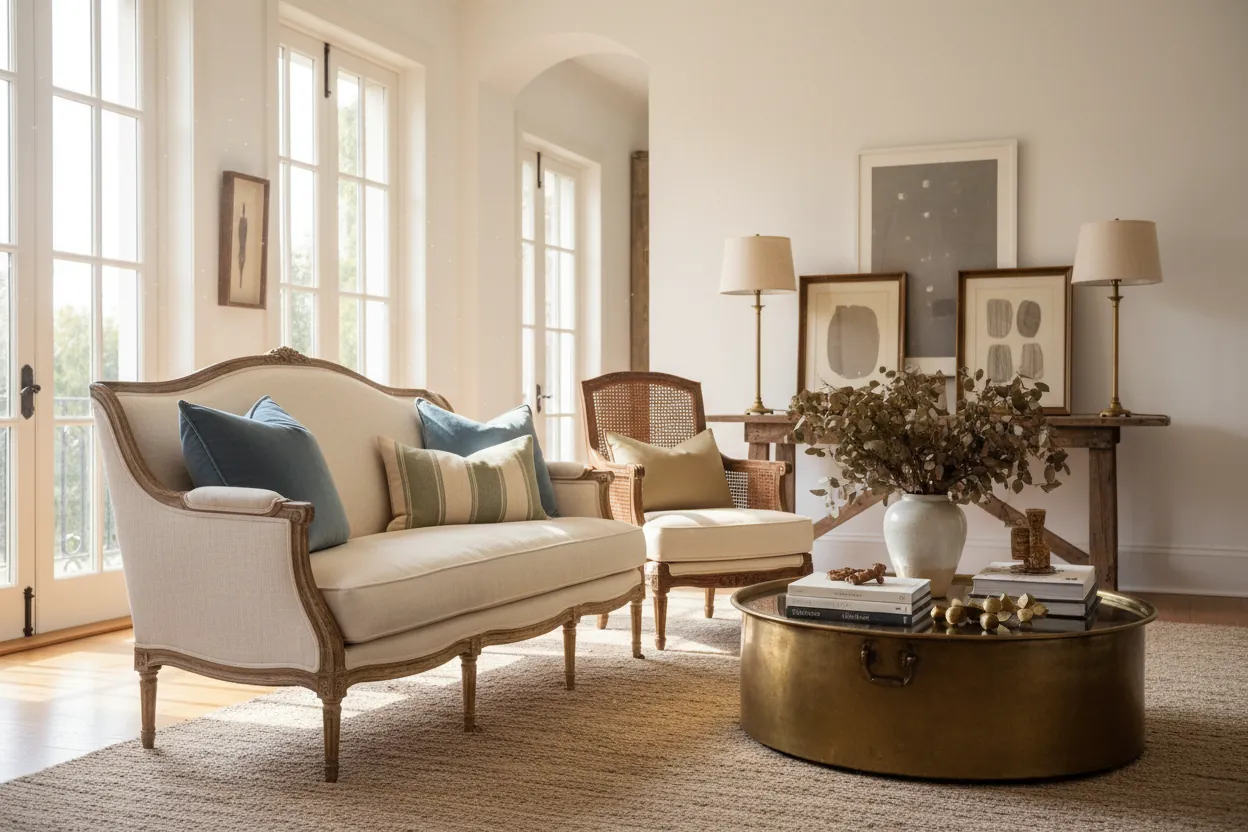
The time and effort required to arrange your furniture depend on the footprint of your space and the weight of your pieces. Starting with a small, light chair makes it easier to test different angles before you commit to a permanent spot.
| Situation | Time Required | Key Difference | Watch For |
|---|---|---|---|
| Small Apartment | 30 minutes | Fewer pieces | Traffic flow |
| Large Open Room | 2 hours | Floating furniture | Balance |
| Odd-Shaped Room | 1 hour | Angled placement | Dead corners |
| Heavy Furniture | 2 hours | Needs two people | Floor marks |
Always start by placing the largest piece first and building the seating group around it. It’s much safer to start with minimal furniture and add pieces slowly than to crowd the room and struggle to remove heavy items later.
Checking Your Furniture Balance
A successful pairing feels natural when you look at the room as a whole rather than focusing on individual items. A good result features consistent “visual weight,” meaning no single chair looks significantly bulkier or thinner than the sofa. If one chair looks too heavy, the room feels tilted toward that side, which happens when the scale of the chair frame doesn’t match the sofa’s frame.
To prevent this, choose chairs that repeat at least one detail from the sofa, such as the wood finish on the legs or the shape of the armrest. If your sofa has rolled arms, a chair with a similar curve creates harmony.
If your sofa is modern and boxy, a chair with clean, straight lines works best. Test your arrangement by standing in the doorway; if your eyes immediately jump to one chair because it looks out of place, move it or swap it for a different style.
Pay close attention to seat height as well. A mismatch here disrupts comfort more than visual style ever could. If the chair sits three inches higher than the sofa, guests will feel perched rather than settled. This gap breaks the conversational flow because eye levels no longer align naturally across the seating group.
Also consider the depth of the seat cushion. A deep, plush sofa paired with a shallow, firm chair creates a subtle but persistent tension. The body expects uniform support when moving between seats. When that expectation fails, the space feels disjointed even if the colors match perfectly. Aim for within two inches of depth difference to maintain physical continuity. This small adjustment ensures the furniture invites use rather than just observation.
Maintenance and Arrangement Rules
Follow the “clear path” rule to ensure your room remains functional for daily use. Maintain at least thirty-six inches of clearance in primary traffic lanes. According to the National Fire Protection Association, keeping walkways clear is essential for safety, especially in rooms with multiple exits. After you finalize the placement, record the measurements of your spacing so you can reset the room easily after vacuuming or moving items for guests.
If a pad wears down, the chair leg may scratch your floor or leave a permanent dent in your carpet. Replace any pad that shows exposed adhesive or flattened fibers immediately to prevent floor damage.
If you need to move heavy sofas, use professional furniture sliders or ask for help to avoid straining your muscles. Never drag heavy items directly across wood or tile surfaces, as friction often traps grit that creates deep gouges. For complex room layouts or if you have specific accessibility needs, consult a professional interior designer who can provide a custom floor plan. If you’re rearranging for a temporary event, prioritize flow over symmetry to avoid bottlenecks near doorways.
Alternative Seating Arrangements
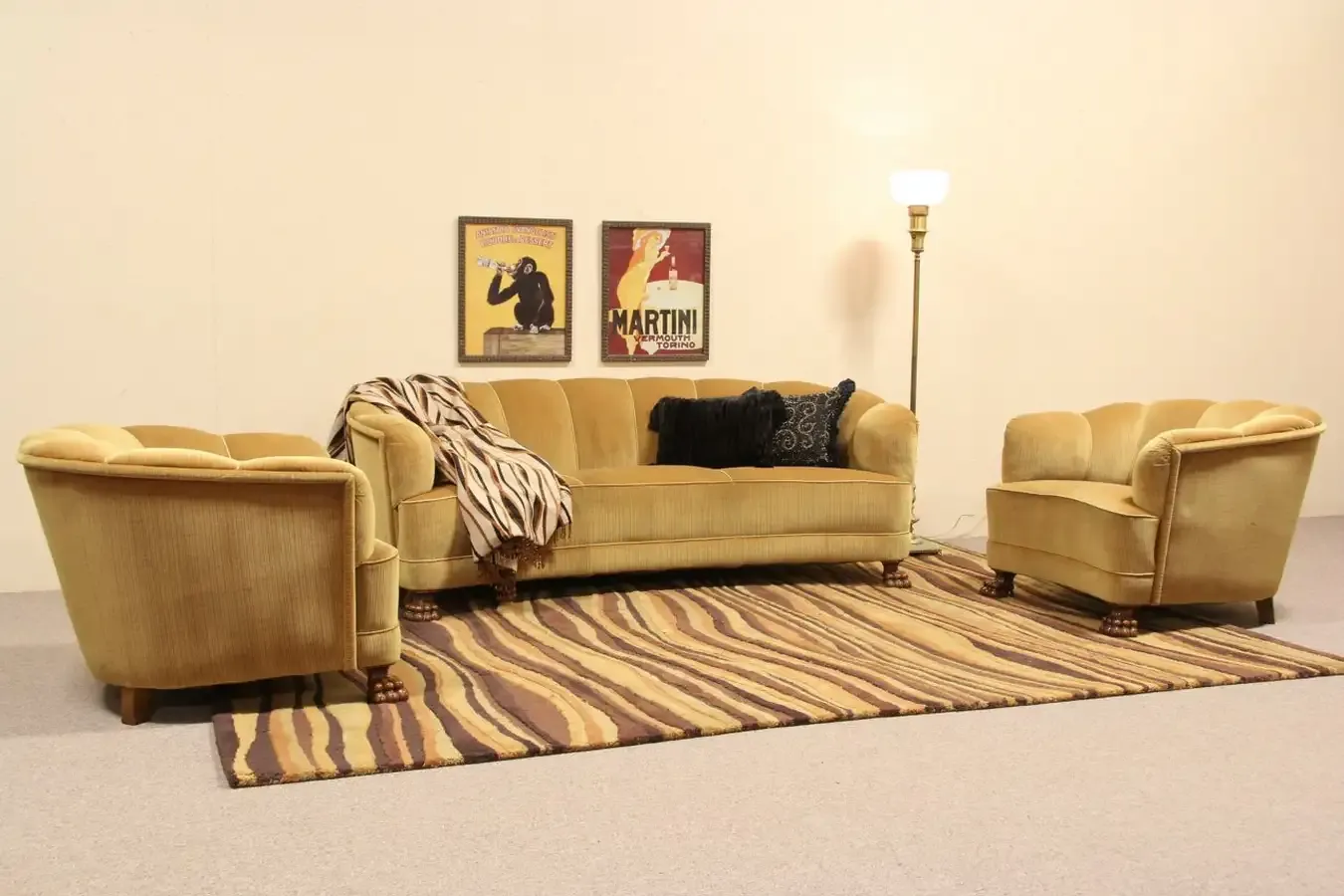
The Symmetrical Layout
Place two chairs directly across from the sofa, facing each other. This creates a formal, balanced look that’s perfect for hosting guests. It requires more floor space, but it makes conversation easier because everyone is angled toward the center of the room.
Keep at least thirty inches between the chair backs and any wall behind them. This clearance allows people to walk past without squeezing through tight gaps. If your room is narrower than ten feet, this arrangement will feel cramped and block natural traffic flow. In that case, swap one chair for a slim side table to maintain balance without sacrificing movement.
The Corner Nook
Angle one chair in a corner next to the sofa. This works well in small rooms where you want to add extra seating without blocking the middle of the space. It creates a cozy reading spot that still feels part of the main group.
Choose a chair with exposed legs rather than a bulky skirted base. Visual weight matters here; heavy furniture shrinks the perceived size of a tight corner. Ensure the chair back doesn’t rise higher than the sofa armrest. If it does, the nook feels disconnected from the rest of the seating area. A floor lamp placed behind the chair completes the zone without requiring additional surface space for lighting.
The Floating Group
Pull the sofa and chairs away from the walls into the center of the room. This makes the space feel larger and more open. You’ll need to anchor the group with a large rug to keep the pieces from looking like they’re drifting apart.
The rug must be large enough for all front legs to rest on its surface. If the rug is too small, the arrangement looks accidental rather than intentional. Leave at least eighteen inches of bare floor between the rug edge and the nearest wall. This border frames the conversation area and prevents the furniture from appearing stuck to the perimeter. Use a console table behind the sofa to define the boundary if the room lacks other architectural features.
Frequently asked questions
How far should chairs be from the sofa?
Keep your chairs 18 inches away from the sofa to provide enough legroom for people to sit comfortably. If you have a coffee table in between, keep that same 18-inch distance from both the sofa and the chairs. This allows for a natural flow of traffic while keeping everyone close enough to talk easily.
Can I mix different chair styles?
Yes, you can mix styles if you keep the “visual weight” of the chairs consistent. If you choose two chairs, they should match each other in height and frame style, even if they differ slightly from the sofa. This creates a sense of order while allowing you to add personality to the room.
How do I know if the scale is wrong?
The scale is wrong if one chair looks significantly larger or smaller than the sofa. You can check this by looking at the height of the chair back compared to the sofa back. If the chair towers over the sofa, the room will feel unbalanced; aim for chairs that are roughly equal to or slightly shorter than the sofa.
Is it safe to put chairs on a rug?
Yes, it’s safer to place chairs on a rug, as it helps define the seating area and prevents the furniture from sliding. Ensure at least the front legs of both the sofa and the chairs are on the rug. This anchors the furniture to the floor and prevents the pieces from looking like they’re floating in the room.
How often should I rearrange my furniture?
This allows you to clean under the pieces, check the condition of your floor pads, and adjust the spacing if your needs have changed. Consistent checks prevent wear on your floors and ensure the room stays comfortable for everyone who uses it.
What if I have a small living room?
Use smaller, armless chairs or accent chairs with thin legs to keep the room feeling open. Placing these pieces closer to the sofa keeps the conversation area tight without blocking the walkway. Always prioritize keeping at least one clear path through the room, even if it means using fewer chairs.
Conclusion
Don’t be afraid to experiment with textures or bold colors once you’ve settled on the right shapes. You’ll find that a single well-chosen accent piece brings the whole room to life. Take a look at your space today and see which corner could use a fresh, inviting touch to make it feel complete.