
You can refresh your gear by scrubbing the fabric with mild dish soap and warm water, then letting it air dry in the shade. Most users find that cleaning folding camping chairs takes about 30 minutes of active work, plus several hours to dry. This routine helps extend the life of your equipment if performed before seasonal storage.
Gathering supplies to clean your folding chairs
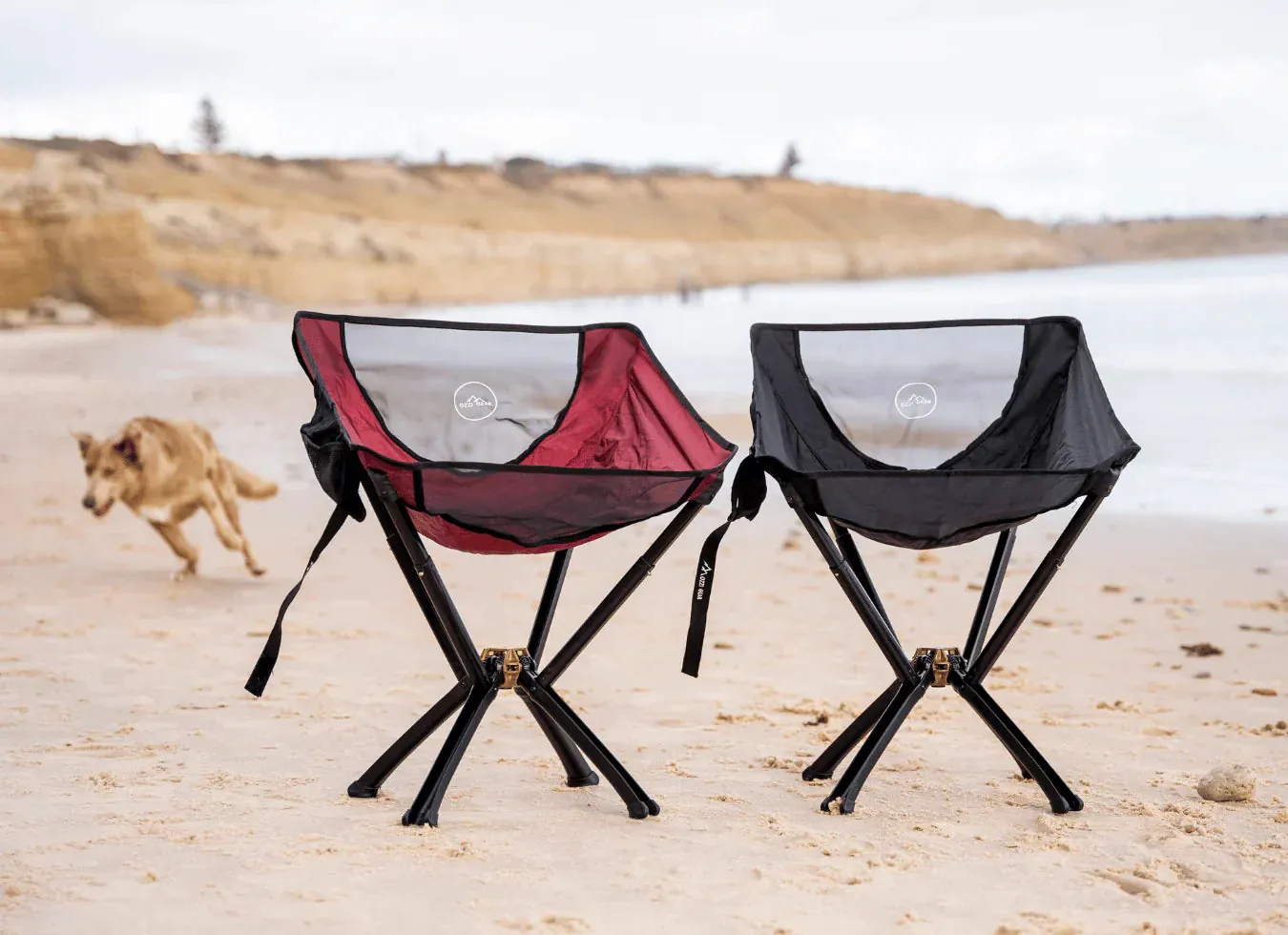
Gathering the right supplies prevents damage to the specialized synthetic fabrics used in outdoor furniture. You don’t need expensive chemicals to get professional results.
- Mild liquid dish soap, such as Dawn, to break down oils without harming fabric coatings.
- A soft-bristle scrub brush or an old toothbrush for reaching into tight seams and metal joints.
- A clean microfiber cloth or sponge for wiping down the frame and frame connectors.
- A bucket for mixing your cleaning solution.
- A garden hose with a gentle spray nozzle for rinsing away soap residue.
- A dry towel for wiping moisture off metal parts to prevent rust.
- A bottle of silicone-based lubricant spray for any squeaky hinges or folding mechanisms.
You can substitute dish soap with a dedicated outdoor fabric cleaner if the chair has heavy mold or mildew stains. Don’t use bleach or harsh industrial degreasers, as these can weaken the nylon or polyester fabric and cause the colors to fade or bleed. If you’re unsure about a specific cleaner, test it on a small, hidden patch of the fabric first. Always refer to your manufacturer’s care instructions to ensure you aren’t using a solvent that voids your warranty.
Steps for cleaning your equipment
Follow these steps to ensure you remove dirt and debris without damaging the chair structure.
- Open the chair fully on a flat, paved surface to access all fabric folds and metal joints.
- Brush off loose dirt, dried mud, or grass using your dry scrub brush before adding any water.
- Mix one tablespoon of mild dish soap into a gallon of warm water in your bucket.
- Dip your brush into the soapy water and scrub the fabric in circular motions, focusing on areas with stains or heavy grime.
- Scrub the metal frame with your sponge and soapy water to remove dust and salt buildup.
- Rinse the entire chair thoroughly with your garden hose using a low-pressure setting to remove all soap.
- Wipe the metal frame dry with your towel immediately to prevent water spots and rust.
- Leave the chair in a shaded, well-ventilated area until the fabric is 100% dry to the touch.
- Apply a light coat of silicone lubricant to the folding joints if they feel stiff or make noise.
Tip: If you find black spots of mold, use a mixture of one part white vinegar to four parts water to kill the spores. Careful: Never fold the chair while the fabric is still damp, as this traps moisture and creates a perfect environment for mildew growth inside the storage bag. If you have a high-end chair with specific tension-locking mechanisms, avoid getting lubricant inside the locking teeth as this can cause them to slip.
Adjusting for different conditions
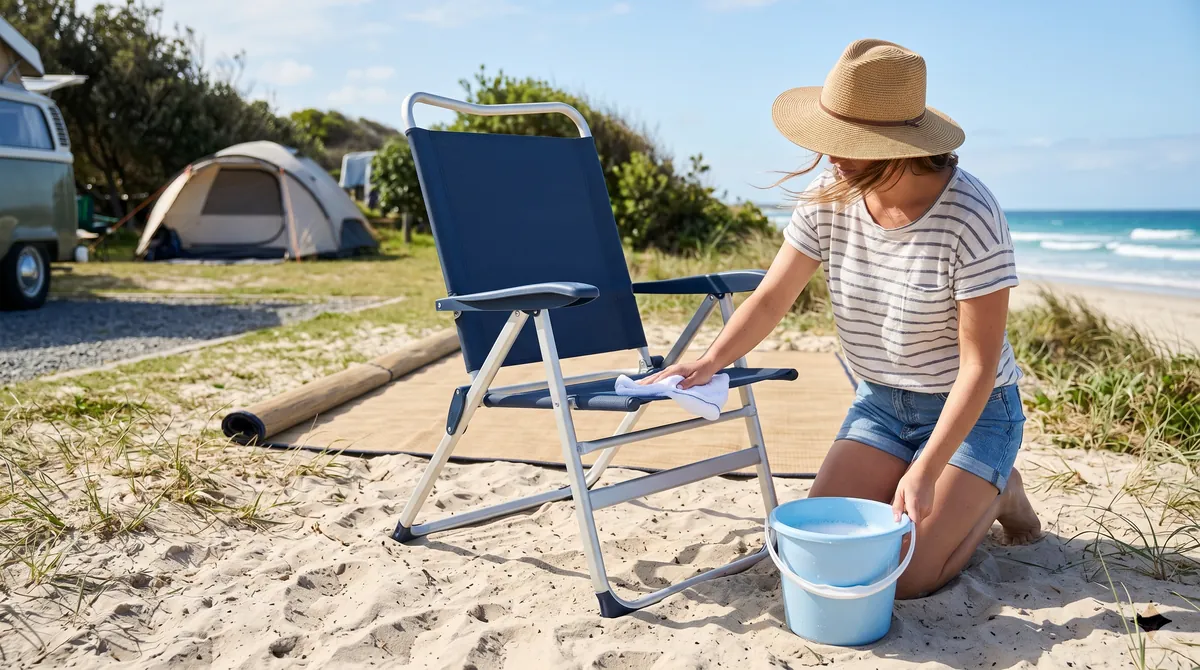
The time and effort required to clean your gear change based on the environment where you last used it. If you have used the chair in a sandy or coastal area, you must spend extra time rinsing the salt and grit out of the frame joints to prevent long-term corrosion.
Salt crystals left inside an aluminum folding hinge will pit the metal within a single wet season. You can feel this starting when the joint clicks instead of gliding shut.
| Situation | Cleaning Time | Extra Effort Required | Watch For |
|---|---|---|---|
| Light dust | 15 minutes | Simple wipe down | Ensure it’s dry |
| Mud/dirt | 30 minutes | Scrubbing fabric | Deep seam dirt |
| Salt air/sand | 45 minutes | Thorough rinsing | Joint corrosion |
| Mold/mildew | 60 minutes | Vinegar treatment | Spore removal |
Mud demands a different approach than sand because dried clay locks into woven fabric like mortar. Let it dry completely first, then flex the material sharply to crack the crust before brushing.
Washing wet mud just pushes it deeper into the weave where it holds moisture against the threads.
It’s always safer to start with a gentle wash and add more intensity only if the dirt remains. Over-scrubbing can fray the nylon fibers, which permanently weakens the chair’s weight-bearing capacity.
Test a hidden corner under the seat first by dragging your thumbnail across the weave after cleaning. If the threads lift or fuzz, switch to a softer brush immediately.
How to tell you did it right
A clean chair will look uniform in color and feel dry to the touch, with no visible soap residue or lingering grit in the seams. If the fabric still feels stiff or sticky, you likely used too much soap and need to rinse it again.
A common quality problem is “soap streaking,” which happens when the detergent isn’t fully removed from the synthetic weave. This residue acts like a magnet, attracting new dirt faster once you start using the chair again.
You can prevent this by ensuring you rinse until the water runs completely clear. If the frame joints are clean, they should move smoothly without any grinding sounds or resistance. If the mechanism remains stiff after cleaning and lubricating, check the metal for small bends or cracks. A chair with a damaged frame is no longer safe to sit in and should be replaced rather than repaired.
To verify your work, press a clean, white paper towel firmly against the upholstery. If the paper picks up any gray or brown tint, the fabric is still holding deep-seated grime. If the paper remains white but feels damp, you have successfully removed the soap. Always perform this test once the fabric is completely dry to ensure you catch hidden residue.
Maintenance rules and storage
The main rule for long-term care is to never store your chairs in a damp garage or basement. Excess humidity causes fabric rot and frame oxidation, which are common issues reported by outdoor gear maintenance experts.
After cleaning, store your chairs in a cool, dry place inside their protective bags to keep them dust-free until your next trip. If you notice rust on the metal frame, use a fine steel wool pad to gently buff it away before applying a thin layer of wax to seal the metal surface.
If you aren’t comfortable performing these repairs or the frame is severely bent, consult a local professional who specializes in outdoor furniture repair. They have the proper tools to realign frames and replace rivets safely. Proper storage ensures your chairs last for many seasons, while neglecting to dry them properly can ruin the fabric in just a few months. Check your gear at the start of every season to ensure the hardware is tight and the fabric remains strong.
Alternative cleaning methods
High-pressure washing
You can use a pressure washer for very dirty chairs, but you must keep the setting on the lowest pressure. High pressure will cut through the fabric or strip the water-resistant coating. Keep the nozzle at least 18 inches away from the surface to avoid damaging the materials.
Machine washing
Some small, lightweight chair covers can be removed and machine washed. Check the label for a “machine washable” tag first. Use a gentle cycle with cold water and no bleach. Never put the chair fabric in a dryer, as the heat will shrink the material and make it impossible to put back on the frame.
Professional cleaning
If the chair is made of expensive or specialized canvas, consider a professional dry cleaner or an outdoor gear repair shop. They have the correct solvents for delicate materials. This is the most expensive route but ensures you don’t accidentally ruin the fabric finish or color.
Related guides
- How to Tighten Dining Room Chairs: A Step-by-Step Fix
- 10 Best Camping Stove Empty Fuel Bottles for Safe Storage in 2026
- Best Weather Resistant Patio Chairs for Lasting Comfort and Style in 2026
Frequently asked questions
Can I use bleach to clean my camping chair?
No, you should never use bleach on folding camping chairs. Bleach is a harsh chemical that breaks down the molecular structure of synthetic fibers like nylon and polyester. For stubborn stains, use a mixture of white vinegar and water or a mild soap solution to safely lift dirt without compromising the material.
How long does it take for a camping chair to dry?
It typically takes between 4 to 8 hours for a camping chair to dry completely. This assumes you’re letting it air dry in a shaded, well-ventilated area with moderate humidity. If the weather is cold or very humid, it may take up to 24 hours. Always check the seams and the underside of the fabric, as these areas hold moisture longer than the flat surfaces of the seat and backrest.
Is it safe to leave camping chairs outside?
No, it isn’t safe to leave chairs outside for long periods. Constant exposure to ultraviolet light from the sun degrades the fabric, making it prone to tearing under weight. Rain and moisture promote rust on the metal frame and mold growth on the fabric. To maximize the lifespan of your chairs, fold them up and store them inside a garage, shed, or closet immediately after your camping trip is finished.
What happens if I fold the chair while it’s wet?
Folding the chair while it’s still damp creates a dark, trapped environment that encourages rapid mold and mildew growth. This can lead to permanent black staining on the fabric and a musty odor that’s very difficult to remove. Additionally, trapped moisture can cause internal rusting within the folding hinges, leading to stiffness or mechanical failure the next time you try to open the chair for use.
Why is my camping chair squeaking?
Your camping chair squeaks because of dirt or sand trapped in the metal joints or dried-out factory lubricant. Clean the joints thoroughly with a brush and soapy water to remove grit, then apply a silicone-based lubricant spray. If the noise persists, check for loose rivets or bent metal parts rubbing together.
How often should I clean my camping chairs?
You should clean your camping chairs at least once per season or whenever they become visibly muddy or sandy. If you camp frequently in dusty areas, a quick wipe down after every trip will prevent deep grit from building up in the joints. Regular maintenance prevents the buildup of corrosive salt and abrasive dirt, which are the two primary causes of mechanical failure and fabric wear in folding outdoor furniture.
Conclusion
Once your chairs are completely dry, store them in a cool, dry place to prevent mildew from forming. If you don’t have a dedicated storage bag, a simple breathable cover will keep them dust-free until your next trip. You’ll be glad you took these extra steps when you’re ready to head outdoors again.