
You can restore the look of your furniture by using a mixture of warm water and mild dish soap to scrub away dirt, then drying the frames completely to prevent rust. A simple routine of wiping metal folding chairs down with a soft cloth and ensuring no moisture stays in the joints is all it takes to keep them clean. This method is perfect for anyone with standard steel or aluminum chairs who wants to avoid damage to the paint or finish.
Gather supplies to clean metal folding chairs
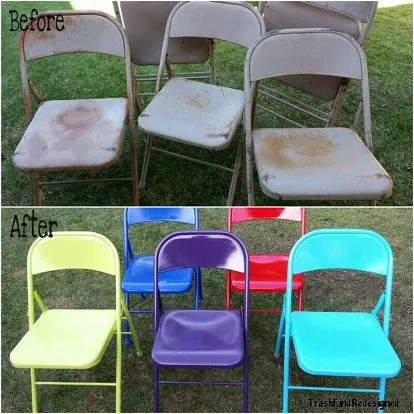
Gather these items before you start to ensure you have everything within reach. Using the right tools prevents scratches and helps you finish the job quickly without damaging the metal surface.
- Mild dishwashing liquid (a grease-cutting brand works best).
- Two clean microfiber cloths or soft cotton towels.
- A soft-bristled brush (an old toothbrush is fine for tight corners).
- A bucket for mixing your cleaning solution.
- Warm water (about 1 gallon).
- A dry towel for the final wipe-down.
- Optional: A mild car wax if you want to add a protective layer.
You can substitute dish soap with a specialized metal cleaner if your chairs have heavy grime, but avoid using harsh abrasive pads or steel wool. These coarse materials will strip the protective coating and lead to permanent scratches. If you see deep rust spots, switch to a dedicated rust-dissolving gel rather than scrubbing harder. Scrubbing harder only removes the finish, leaving the raw metal exposed to moisture and future corrosion.
Check your metal’s finish before you begin. If the surface is matte or powder-coated, avoid wax entirely, as it will create a cloudy, uneven film that’s difficult to remove. If the metal is polished or chrome, apply the wax in thin, circular motions and buff it off immediately with a dry cloth.
Leaving the wax on too long creates streaks that require a second cleaning to fix. Always test a small, hidden area on the underside of the chair first. If the cloth comes away with color from the finish, stop immediately; your cleaning solution is too strong for the paint.
Steps for washing your chairs
- Mix 2 tablespoons of mild dish soap into 1 gallon of warm water in your bucket.
- Dip one microfiber cloth into the soapy water and wring it out until it’s damp but not dripping wet.
- Wipe the entire frame of the chair from top to bottom, moving in smooth, even strokes.
- Use a soft-bristled brush to scrub the hinges and any crevices where dust or debris often collects.
- Rinse the cloth in clean water and wipe the frame again to remove any remaining soap residue.
- Dry the chair immediately with a fresh, dry towel, paying close attention to the joints and the bottom of the legs.
- Check that the chair is completely moisture-free before you fold it for storage.
Careful: Don’t leave the chairs outside to air dry, as standing water in the hinges causes rust to form very quickly. Tip: If you find small patches of rust, gently rub them with a fine-grit sandpaper before cleaning to stop the spread. If your chairs require heavy mechanical repair or show deep, structural rust, seek help from a professional metal fabricator.
Cleaning time and effort
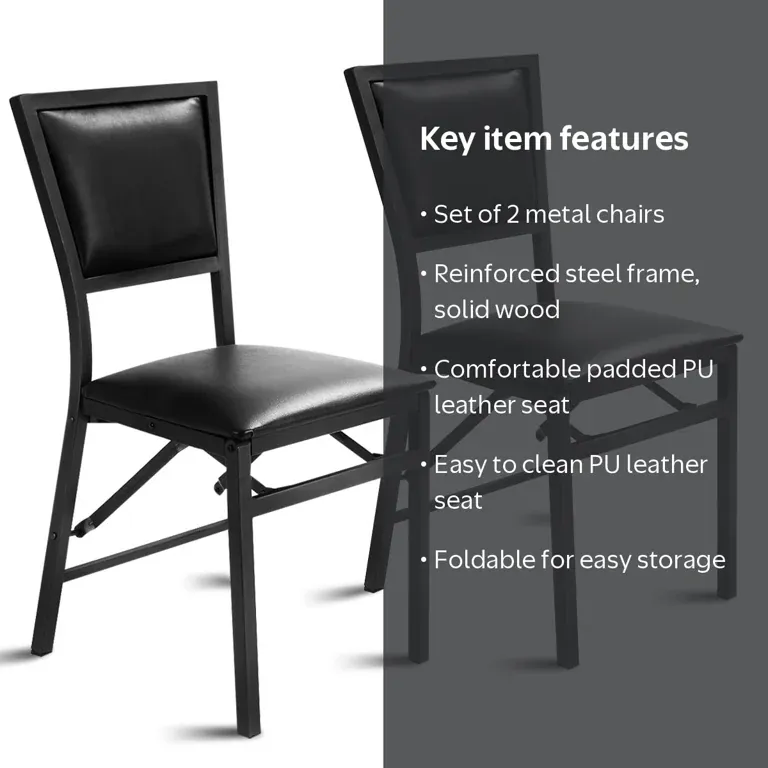
The time required depends on the current state of your furniture and the number of chairs you have to process. Starting with a light cleaning is always better than using a heavy-duty chemical that might ruin the paint.
| Situation | Time per chair | Effort level | Watch for this |
|---|---|---|---|
| Light dust | 3 minutes | Very low | Water spots |
| Sticky residue | 6 minutes | Moderate | Paint scratching |
| Minor rust spots | 10 minutes | High | Further flaking |
| Deep grime | 15 minutes | High | Metal thinning |
If the surface feels tacky to the touch, you’re likely dealing with grease, adhesive residue, or soap buildup rather than ordinary dust. In this case, stop scrubbing immediately, as you’re likely removing the finish itself. Use a mild degreaser instead of plain soap to dissolve the sticky residue.
Most people make the mistake of using steel wool on every blemish. This creates micro-abrasions that trap future dirt, making the chair impossible to keep clean later.
Apply this rule: if the dirt lifts with a damp microfiber cloth, stay with the gentle soap. If the surface remains dull or sticky after two passes, switch to a specialized metal cleaner. Never use abrasive powders on vintage enamel, as these leave permanent swirl marks that can’t be buffed out.
Always dry the metal completely with a lint-free towel. Leaving water to air dry causes mineral deposits that look like white haze, which often leads owners to believe the paint is failing when it’s actually just dirty.
Judging your results
A clean chair should have a uniform finish with no dull soap streaks or lingering grime in the seams. If the metal looks cloudy or feels tacky after drying, you likely used too much soap or didn’t rinse the surface thoroughly enough. This happens because soap residue attracts new dust and moisture, which can eventually lead to a sticky texture.
To prevent this, always ensure your final wipe-down uses only clear, fresh water. If you notice a metallic smell or see orange-tinted water during the process, it means the protective coating has failed and the underlying steel is oxidizing. You can prevent this by applying a thin layer of car wax to the dry metal, which creates a barrier against humidity.
Check your progress by running a white cotton cloth across the frame. If the fabric comes away gray, you’re still dealing with oxidation or trapped dirt, and the surface requires a second, more aggressive cleaning cycle. If the cloth remains clean, the chair is sealed.
Most people make the mistake of using abrasive scouring pads to remove stubborn spots. This ruins the finish by creating microscopic scratches that trap future debris. If you see deep pitting, stop scrubbing immediately. Use a specialized metal polish instead of soap to restore the sheen without stripping the protective layer.
Standard care and maintenance
The primary rule for metal furniture is to keep it dry, as moisture is the leading cause of finish degradation. Once your chairs are clean, dry them thoroughly with a microfiber cloth. Store them in a cool, indoor space away from direct sunlight and humidity. If you use the chairs outdoors, wipe them down after every rainstorm to prevent water from sitting in the pivot points.
If you aren’t using the chairs for a long period, fold them and hang them on a rack to keep them off damp floors. Moisture trapped between the legs and a concrete floor will cause rust even in dry climates. If you notice the paint is peeling or the hinges are squeaking, a light application of silicone lubricant can help keep the moving parts smooth. Avoid oil-based lubricants, which attract dust and grit that eventually grind down the metal finish.
A common mistake is using harsh abrasive scrubbers to remove stubborn spots. These tools create microscopic scratches that harbor moisture and accelerate corrosion. If you see deep scratches, touch them up immediately with an enamel paint pen to seal the metal from oxygen.
Always keep these items away from children and pets. Follow local disposal rules for any old cleaning rags that have been soaked in chemical solvents, as these can pose a fire risk if bunched together in a closed container. If the metal feels sticky to the touch, you have likely left behind a residue that will trap dirt; wipe it again with a mixture of water and a drop of mild dish soap.
Other ways to clean
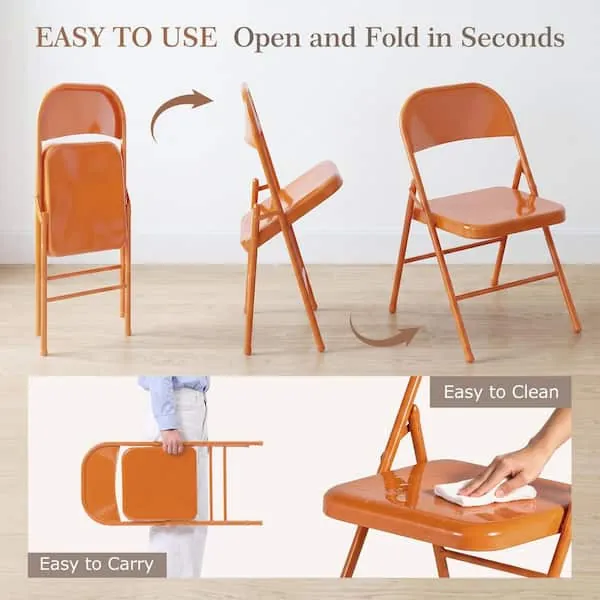
Pressure washing
If you have a large set of chairs, a low-pressure setting on a power washer can save time. Keep the nozzle at least 2 feet away from the metal to avoid stripping the paint. This is only for outdoor-rated furniture.
Vinegar solution
Mix equal parts white vinegar and water for a natural way to cut through hard water deposits. This works well for older chairs with dull finishes, but you must rinse it off quickly to prevent the acid from etching the metal.
Professional refinishing
For chairs with significant rust or missing paint, a professional powder-coating service is the best route. This involves sandblasting the old finish and applying a new, durable layer. It’s expensive but will make the chairs look brand new.
Related guides
Frequently asked questions
Can I use bleach to clean metal folding chairs?
No, you should avoid using bleach because it’s highly corrosive to many metal finishes and can cause permanent discoloration or pitting. Stick to mild dish soap and warm water to protect the integrity of the paint. If you have mold or mildew, use a mixture of white vinegar and water instead, as it’s much safer for the metal surface and the environment.
How long does it take for the chairs to dry?
The chairs should be bone dry within 15 to 20 minutes if you towel-dry them thoroughly after washing. If you live in a very humid climate, it may take slightly longer, so keep them in a well-ventilated room until no moisture remains in the joints. Never fold the chairs while they’re still damp, as this traps water and encourages rust formation inside the hinge mechanism.
Is it safe to use a wire brush on the metal?
No, a wire brush is too harsh and will leave deep scratches in the paint or protective coating of your chairs. These scratches expose the raw metal underneath to air and moisture, which leads to rapid rusting. Only use soft-bristled brushes or microfiber cloths to clean the surface, and if you must remove rust, use fine-grit sandpaper instead of a wire brush.
What happens if I leave soap on the metal?
Leaving soap on the metal creates a tacky film that attracts more dust, dirt, and oil over time. This makes the chairs look duller much faster and can trap moisture against the finish, which eventually leads to corrosion. Always perform a final wipe with a clean, damp cloth to ensure all soap residue is completely removed from the frame.
How often should I clean my chairs?
You should clean your chairs whenever you notice visible dust or dirt, which is typically once every few months for indoor use. If you store your chairs in a garage or shed, check them once a month for signs of moisture or rust. Regular cleaning prevents long-term buildup that’s much harder to remove later and keeps the folding mechanism working smoothly for many years.
Conclusion
Once your chairs are sparkling, store them in a dry area to keep them in great shape for your next gathering. If you notice any small scratches, you’ll find that a quick touch-up with matching enamel paint works wonders. You won’t have to worry about replacing them for a long time.