
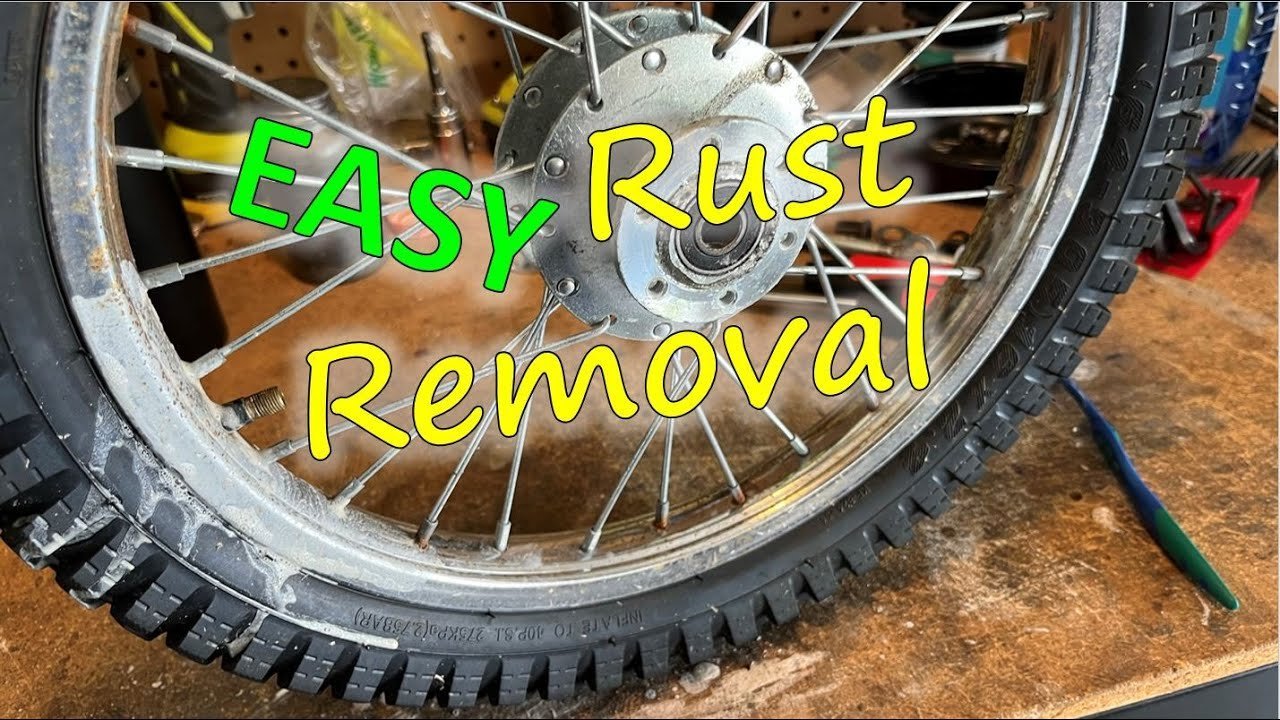
The most reliable method for how to clean dirt bike spokes involves scrubbing them with grade 0000 steel wool and a dedicated metal polish to strip off baked-on grime without gouging the plating. This job takes about 45 to 60 minutes for both wheels, costs a small amount in supplies, and ranks as medium difficulty because it requires patience and elbow grease. You must have a sturdy dirt bike stand before starting so you can spin the wheels freely.
Supplies for cleaning your spokes
| Item | How much | Why it’s needed | A substitute |
|---|---|---|---|
| Bike stand | 1 unit | Elevates wheels for spinning | Sturdy wood box |
| Degreaser spray | 8 to 12 fl oz | Dissolves heavy chain fling | Mild dish soap |
| Nylon brush | 1 brush | Cleans tight nipple junctions | Old stiff toothbrush |
| 0000 steel wool | 2 hand pads | Polishes rust without scratching | Scotch-Brite non-scratch pad |
| Metal polish | 2 to 3 fl oz | Restores shine and seals | none — don’t swap this |
| Microfiber cloth | 3 towels | Wipes residue and buffs | Clean cotton rags |
| Nitrile gloves | 1 pair | Shields skin from chemicals | Heavy rubber gloves |
Before you start
- Place the motorcycle securely on a center stand so both wheels stay off the floor.
- Cover the brake rotors and pads with clean plastic bags to prevent chemical contamination.
- Wash off thick, dried mud with plain water before using chemical polishes.
- Skipping the rotor cover step ruins your brake pads, which forces you to buy replacements.
- If you see loose, bent, or broken spokes, stop right away and take the wheel to a certified motorcycle technician for proper truing.
Step by step
- Spray 4 to 6 fluid ounces of degreaser directly across the hub, spoke nipples, and wire lengths on one wheel. Let it soak for 3 minutes so it softens stubborn chain lube.
- Scrub around each spoke nipple and the hub crossing points with your nylon brush for roughly 5 minutes. The surface grime will loosen into a dark liquid slurry.
- Rinse the entire wheel using a gentle stream of fresh water from a hose for 60 seconds. The heavy grease and trail dirt should wash completely away onto the ground.
- Dry every individual spoke with a microfiber cloth for about 4 minutes until no standing moisture remains. Water drops will dilute the metal polish during the next step.
- Squeeze a nickel-sized amount of metal polish onto a fresh pad of 0000 ultra-fine steel wool. This provides enough paste to treat roughly four to six spokes at a time.
- Wrap the steel wool around a single spoke and rub firmly up and down its entire length for 30 seconds. The steel will turn dark grey as oxidized buildup lifts away.
- Wipe the treated spoke clean immediately using a dry microfiber cloth before the paste dries hard. The metal underneath will show a bright, smooth reflection without cloudy haze.
- Repeat this polishing action on all 36 spokes, working systematically clockwise from the valve stem so you never lose your place. Each wheel takes about 20 minutes to complete.
- Spin the wheel slowly by hand while holding a clean, dry rag against the spokes for 60 seconds. This final wipe captures any leftover chemical polish dust.
How to know it worked
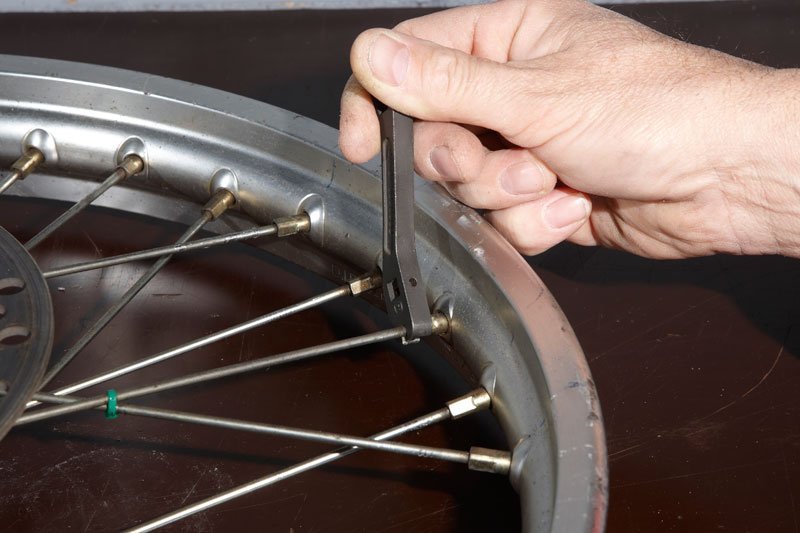
You’ll know the process worked when the spokes show an even, bright sheen with no rough brown patches. Run a gloved finger down each wire; the surface should feel entirely slick and smooth. If a spoke still feels gritty or looks dull yellow, that spot needs a second two-minute rub with fresh polish. Inspect the spoke nipples closely under good light. They must be free of black chain fling and caked clay. Remember that deep rust pits won’t turn into smooth chrome again; an honest limit is that metal loss from years of neglect remains permanent.
If something goes wrong
| What happened | Why | What to do |
|---|---|---|
| Brakes squeal loudly | Polish hit the rotor | Clean rotor with isopropyl |
| Spokes look scratched | Used coarse steel wool | Smooth out with 0000 |
| Polish dried white | Sat too long unbuffed | Reapply wet polish, wipe |
| Spokes still look dull | Zinc plating is gone | Apply protective silicone spray |
| Nipple won’t clean | Mud baked into threads | Soak with penetrating oil |
How often to do this
Clean and hand-polish your spokes every 10 to 15 ride hours if you run in wet mud, sand, or coastal areas. For dry, hard-pack trail riding, you only need to do this full process every 30 to 40 ride hours. Mud holds moisture against the metal, which speeds up oxidation fast. If you choose harsh acid cleaners instead of mild polish, you’ll strip the factory zinc coating, so avoid that trade-off.
Frequently asked questions
Can I clean dirt bike spokes with a pressure washer?
No. High-pressure water forces dirt, water, and sand past the spoke nipples directly into the rim cavity and wheel bearings. That trapped moisture causes hidden rust inside the wheel rim. Always use a regular garden hose with gentle water pressure to rinse wheels safely.
Why do dirt bike spokes get dull so fast?
They turn dull because road grit, wet mud, and acidic bike washes wear away the outer zinc coating. Once factory plating thins out, standard steel reacts quickly with oxygen and moisture in the air. This natural oxidation creates that chalky, flat grey look on your wheels.
Is it safe to use oven cleaner on dirt bike spokes?
No. Oven cleaner contains heavy sodium hydroxide, which chemically burns and stains raw aluminum rims and hubs. It turns bright aluminum parts into a dull, blotchy black finish that you can’t easily polish out. Stick to cleaners made specifically for motorcycle metals.
How long does it take to clean both wheels?
About 45 to 60 minutes for a standard dirt bike with two wheels. A bike ridden through deep, wet mud might take closer to 75 minutes because the caked grease takes longer to scrub. Working systematically one spoke at a time keeps your pace steady.
What happens if I ignore rusty spokes?
Neglected rust eats away the metal thickness, making the spokes brittle under hard jumps and rough terrain. Eventually, brittle spokes snap during riding, which bends your wheel rim and can cause a bad crash. Replacing broken spokes costs far more than keeping them clean.
Does vinegar remove rust from spokes?
Yes. Mild household vinegar dissolves surface rust, but you must rinse it off completely with fresh water within 10 minutes. If you leave vinegar sitting on your wheels, the acid keeps eating into the base metal and strips the remaining protective zinc plating.
Who is this cleaning method not for?
This guide isn’t for riders with custom powder-coated or painted spokes. Steel wool strips paint and scratches colored plastic wraps instantly. For painted or powder-coated wheels, use only soft microfiber towels, mild automotive soap, and cool water.
Final Thoughts
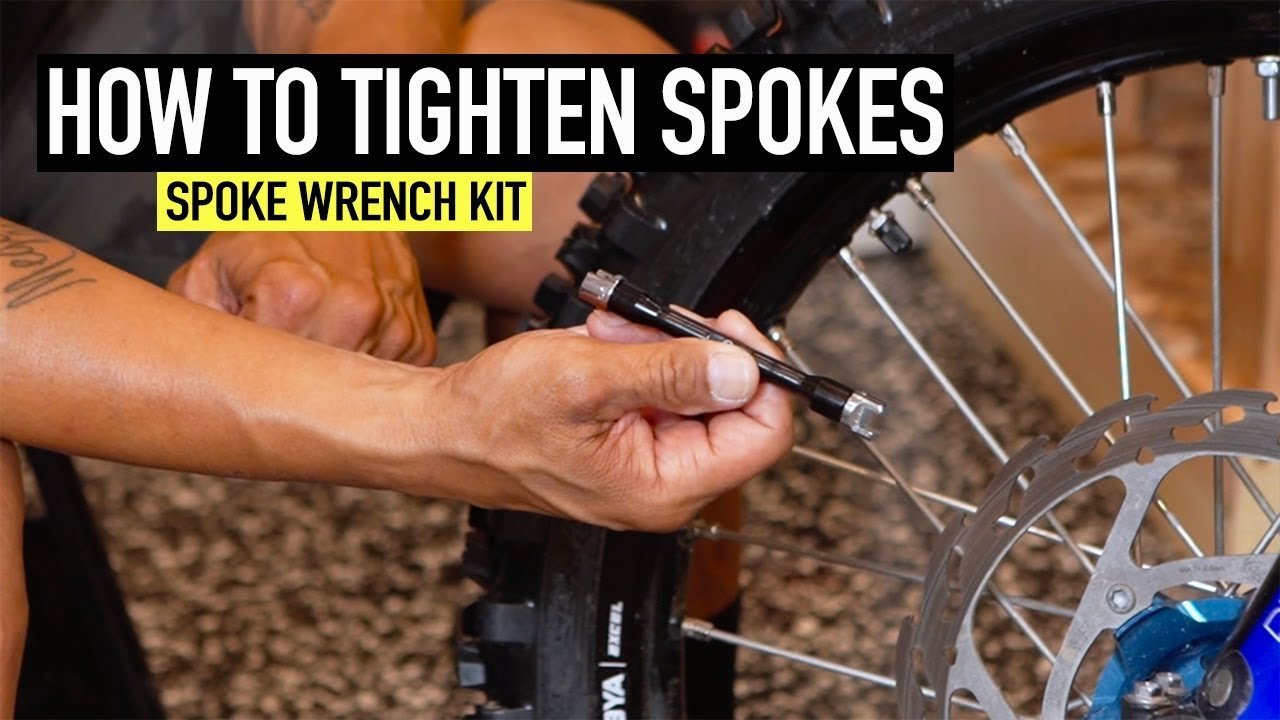
Once your wheels are shining, it’s a good idea to check each spoke for proper tension with a torque wrench. Keeping them tight prevents future damage and ensures your bike stays stable on the trail. You’ll definitely appreciate the extra effort the next time you’re carving through those dusty corners.
Related guides