
You can get most stains out of chairs by acting fast and matching the cleaner to the fabric. Blot — never rub — lift solids first, then treat with a mild solution and rinse with water. The single most common cause is rubbing the stain, which pushes it deeper into the fibres and can damage the upholstery.
Why stains set into your chairs
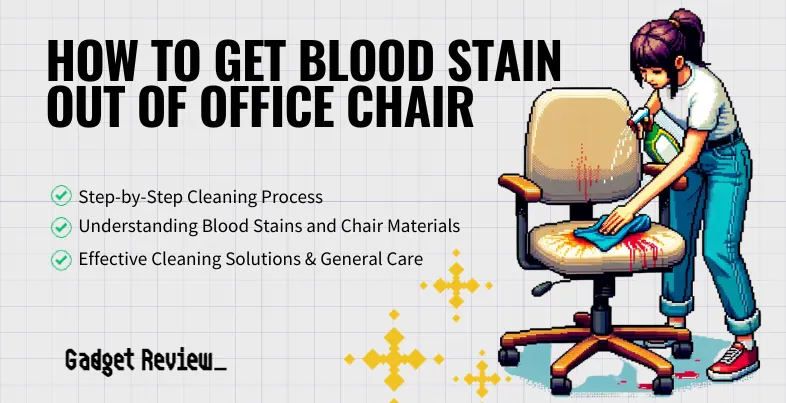
Stains set into chair fabric because liquids soak into the fibres before you can lift them out. Once a spill dries, the residue bonds to the material and becomes much harder to remove.
Protein spills like milk or blood bind directly to natural fibres as they dry. The proteins cross-link and form a film that water alone can’t break down.
Synthetic upholstery resists water-based spills but grabs oil immediately. A drop of salad dressing will wick outward along polyester threads within minutes.
Rubbing the spot makes it worse by spreading the stain and grinding it deeper into the weave. Press a clean cloth straight down instead.
Lift vertically until the cloth comes away dry. This pulls the liquid back out through the same path it entered.
Heat also sets many stains, so using hot water or a hair dryer too early can lock the mark in place. Keep everything cold until the spot is gone.
Different fabrics react differently, so what works on a cotton dining chair may ruin a velvet armchair. Cotton tolerates moisture, but velvet pile crushes permanently under wet pressure.
Check your chair’s care label before you treat anything. Look for the solvent-only code, which means water will leave its own ring behind.
Blot the stain right away
This fix is for fresh spills and works on almost any chair fabric. Place a clean white cloth or paper towel over the spot and press down firmly to soak up as much liquid as possible. Lift, move to a clean part of the cloth, and repeat until no more color transfers.
Don’t rub or scrub. Friction forces the liquid deeper into the weave and frays the delicate fibers, creating a permanent fuzzy patch. If you’re dealing with a solid or semi-solid spill, lift the bulk away with the edge of a spoon or a dull knife before you begin blotting. Work from the outside of the spill toward the center to prevent the stain from expanding.
You know it worked when the cloth stops picking up color and the spot looks lighter. If the stain remains, don’t add water yet; water can set certain pigments if the fabric isn’t colorfast. Test a hidden area of the upholstery with a damp cloth first. If the fabric changes color or leaves a ring, skip the liquid steps entirely and call a professional cleaner.
If the stain is old or dried, this step alone won’t remove it. Blotting only addresses surface-level residue. If the spill has already bonded to the textile, move on to the next fix for deeper extraction.
Mix a mild cleaning solution
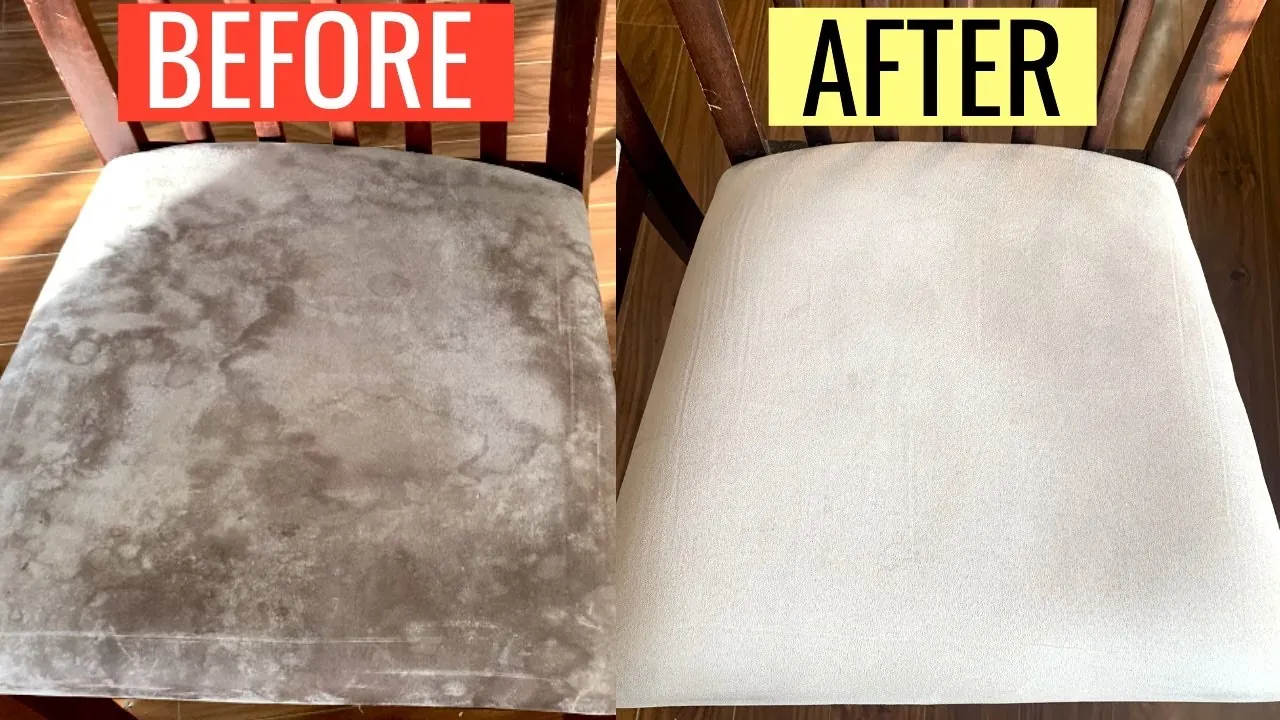
This fix handles dried or set-in stains on water-safe fabrics. Mix a small amount of mild dish soap with cool water, dip a clean cloth, and wring it out until it’s only damp. Blot the stain gently, working from the outside edge toward the centre so you don’t spread it.
Rinse the cloth with plain water and blot again to remove soap residue, then press a dry towel over the area to soak up moisture. Let the chair air dry completely before you sit on it.
Use exactly one teaspoon of clear liquid dish soap per cup of cool water. Colored soaps or those containing bleach alternatives can dye light upholstery. The mixture should barely produce suds when stirred. If you see thick foam, you added too much soap. Excess suds push dirt deeper into the cushion padding instead of lifting it out.
Always use a white microfiber cloth for this step. A colored rag can transfer its own dye onto wet fabric under pressure. Change to a fresh section of the cloth every few blots. Pressing a dirty part of the rag back down simply redeposits the stain.
If your chair has a “W” or “WS” code on the care label, water-based cleaning is usually safe. If the label says “S” only, use a solvent-based cleaner instead — water can leave a ring or shrink some fabrics. No tag at all means you must test first. Dab your solution inside a hidden seam and wait ten minutes. Check for color bleeding or texture changes before touching any visible surface.
Use an upholstery cleaner for tough stains
This is the fix for set-in stains that mild soap can’t shift, or for fabrics that need a product made for upholstery. It costs more time and money than home remedies, so save it for stains that matter or for chairs you want to keep looking new.
Test the cleaner on a hidden spot first—under the seat or on the back—and wait for it to dry completely to check for color loss or fabric damage. If the fabric darkens or the texture feels brittle after drying, the cleaner is too aggressive for your specific material.
Apply only as much as the label directs. Over-saturation is a common mistake that leaves behind sticky residue, which acts like a magnet for future dirt and dust. If you find yourself scrubbing hard, stop immediately. You should be blotting gently to lift the stain, not grinding the cleaning agent into the fibers.
Some cleaners contain strong chemicals, so open a window and wear gloves if the label advises it. If you’re working with delicate natural fibers like silk or vintage velvet, skip the store-bought bottles entirely. These materials often react poorly to synthetic solvents, leading to permanent water spots or shrinkage.
If you aren’t confident handling chemicals or the stain covers more than ten percent of the surface area, take the chair to a professional upholstery cleaner instead. A professional service costs more upfront, but it’s cheaper than replacing a piece of furniture ruined by a chemical burn or a botched DIY attempt.
Don’t scrub or use hot water
Scrubbing a stain with a brush or rough cloth is common advice, but it frays the fabric and pushes the spill deeper into the padding. This mechanical agitation breaks down delicate weave patterns, creating a permanent fuzzy patch that catches dust faster than the surrounding material.
Hot water feels like it should clean better, yet it sets protein stains such as blood, egg, or dairy and can shrink wool or silk upholstery. If you’re unsure of the fiber content, use cold water exclusively. Heat can cause protein-based stains to denature and bond more firmly to fibers, making them significantly harder to remove.
Using too much soap leaves a sticky residue that attracts new dirt, making the chair look worse in a few weeks. If the fabric feels tacky after drying, you have used too much product. Rinse the area by dabbing with a damp, clean cloth until the suds stop appearing.
Never pour cleaner directly onto the fabric. Oversoaking can reach the cushion foam, which may lead to mildew growth or a permanent water ring on the surface. Instead, apply the solution to a white microfiber cloth first. If you see a dark halo forming as you work, stop immediately and blot the area with a dry, absorbent cloth to wick away excess moisture.
Keep spills from becoming stains
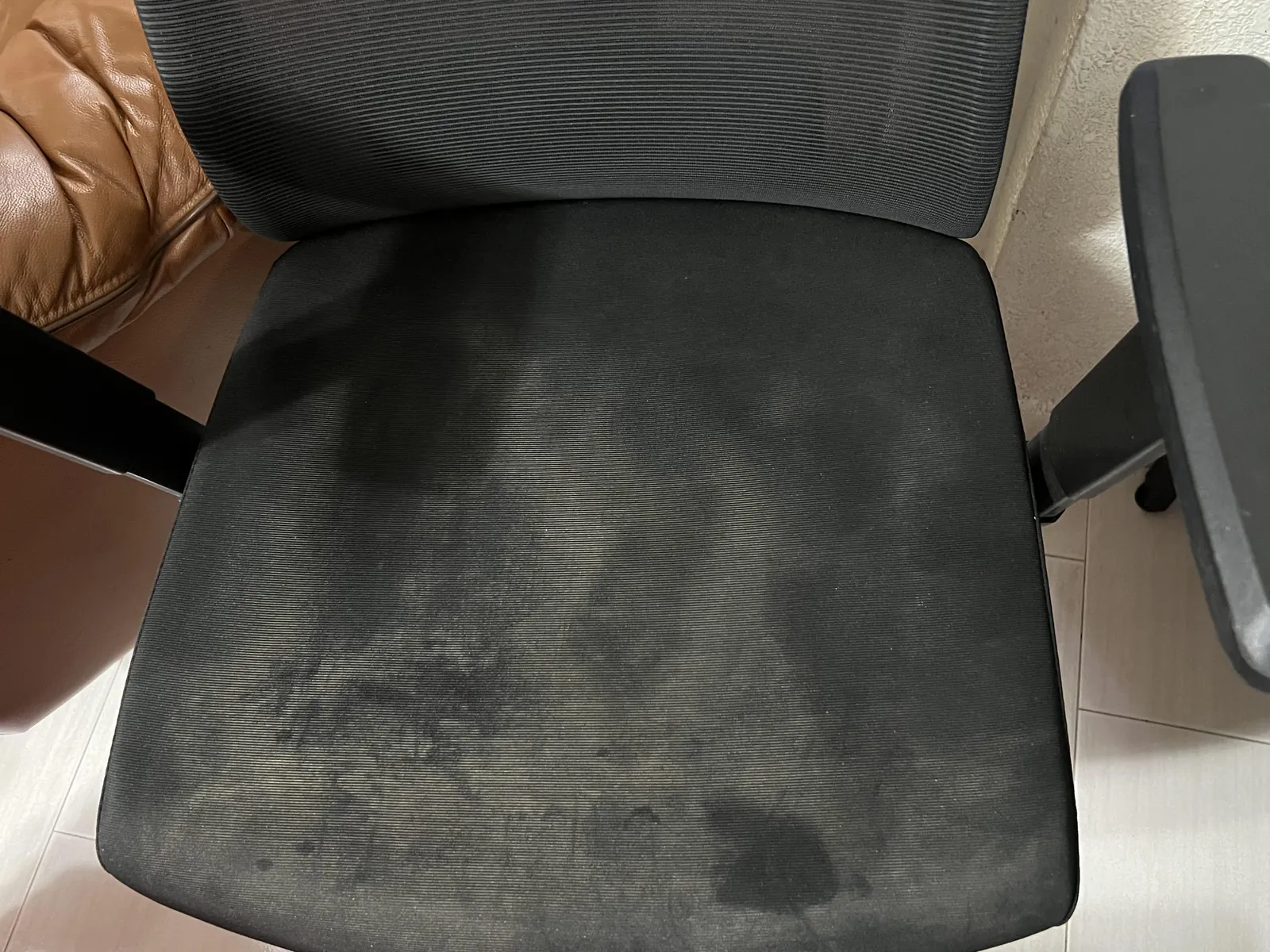
The best way to avoid stains is to handle spills before they dry. Keep a clean cloth and your chosen cleaner near the chairs you use most, so you can act within minutes. Vacuum fabric chairs weekly to stop grit from grinding spills into the weave, and rotate seat cushions so wear spreads evenly. If you have children or pets, consider a fabric protector spray suited to your upholstery type, and test it on a hidden area first.
| If you’re doing this | Do this instead | Why | | Scrubbing the stain with a brush | Blot with a clean white cloth | Scrubbing spreads the stain and frays fibres | | Using hot water on the spot | Use cool or lukewarm water | Heat sets many stains and can shrink fabric | | Pouring cleaner straight on the chair | Apply cleaner to a cloth first | Oversoaking can reach the foam and cause mould | | Waiting until the stain dries | Treat spills immediately | Dried residue bonds to fibres and is harder to lift | | Using bleach on any fabric | Check the care label first | Bleach can destroy colours and fibres on many upholstery types |
Related guides
- How to Tighten Dining Room Chairs: A Step-by-Step Fix
- Top 10 Best Cut Out Sugar Cookies for Decorating in 2026
- 10 Best Maternity Night Out Cocktail Dresses for Every Style in 2026
Frequently asked questions
Can I use vinegar on chair stains?
Yes, but only on fabrics that tolerate water, and test it on a hidden spot first. Mix equal parts white vinegar and cool water, blot gently, then rinse with plain water. Vinegar can fade some colours or damage delicate fibres, so check your care label before you use it.
How long does it take to get a stain out of a chair?
Fresh stains usually lift in five to fifteen minutes of blotting and light cleaning. Set-in stains may need two or three treatments, with drying time between each. Let the chair air dry completely before sitting on it, which can take several hours depending on the fabric and room temperature.
Is it safe to use bleach on chair fabric?
No, not unless your care label specifically says bleach is safe. Bleach can strip colour, weaken fibres, and leave permanent patches on many upholstery types. When in doubt, use a mild soap solution or take the chair to a professional cleaner.
What happens if I rub the stain instead of blotting?
Rubbing pushes the spill deeper into the fibres and can fray or pill the fabric. The stain often becomes larger and harder to remove, and the damaged area may look worn even after the mark is gone. Always blot with a clean cloth and press straight down.
How often should I clean my fabric chairs?
Vacuum fabric chairs once a week to keep grit from working into the weave. Treat spills immediately when they happen, and do a deeper clean only when the chair looks dull or stained. Overcleaning can wear out the fabric faster than normal use.
Can I put cushion covers in the washing machine?
Only wash covers if the care label specifies machine washable and they feature fully removable zippers. Use a gentle cycle with cool water and mild detergent, then air dry to prevent shrinkage or heat damage.
Conclusion
Once the fabric is dry, you’ll want to vacuum the area to fluff the fibers back up. If a faint shadow remains, don’t worry; it often fades after a few days. Keep a small bottle of upholstery cleaner tucked away in your cleaning kit, so you’re ready for the next little spill.