
Mixing and matching accent chairs means choosing two or more chairs that differ in style, color, material, or era, then arranging them so they look intentional rather than random. Done well, an eclectic seating group adds personality to a living room, bedroom, or entryway without requiring a matching furniture set.
Key Takeaways
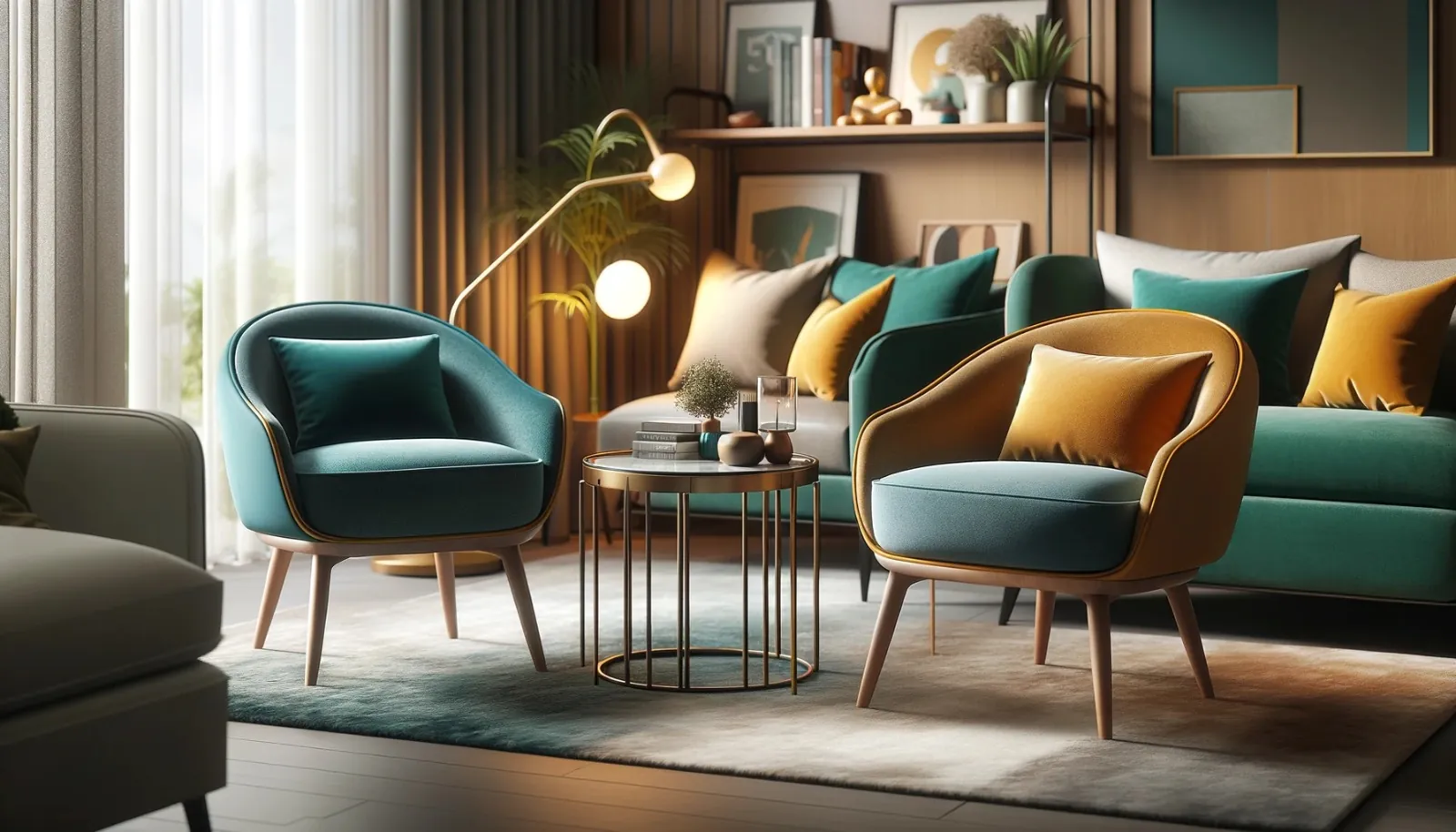
- Start with one shared element—color, leg style, scale, or upholstery texture—so unlike chairs feel like a set.
- Keep seat heights within about two inches of each other so the grouping sits level and comfortable.
- Use a rug, coffee table, or side table to physically connect chairs that have nothing else in common.
- Limit bold patterns to one or two chairs; let the rest carry solids, neutrals, or subtle textures.
- Buy from retailers with return policies so you can swap a chair that clashes in your actual light.
Why Mix and Match Accent Chairs
A matched pair of armchairs is safe, but it can make a room feel like a furniture showroom. Mixing chairs lets you layer in color, texture, and history.
A mid-century modern lounge chair next to a vintage wingback, or a sleek leather slipper chair beside a woven rattan piece, tells a story about the people who live there. The trick is restraint: variety works when every chair earns its place through a deliberate connection to at least one other piece in the room.
Start With a Unifying Element
Before you shop, decide what will hold the group together. That anchor can be a color family, a material, a silhouette, or even a period. If one chair is a bold mustard velvet, a second chair in deep navy picks up the saturated tone without matching exactly.
If you love exposed wood legs, choose chairs with similar walnut or oak finishes even if the upholstery differs. Scale matters too: pair two large club chairs, or two slender slipper chairs, rather than one oversized recliner with one dainty side chair.
Pro Tip: Pull a paint swatch or fabric sample from an existing sofa or rug, then shop chairs that share at least one hue from that palette.
Balance Scale and Proportion
Chairs that differ wildly in size fight for attention. A low-slung chaise lounge next to a high-back dining-style chair creates an awkward visual seesaw. Aim for seat heights within two inches of each other, and keep overall chair heights in the same general range. Width should also relate: two chairs of similar breadth read as a pair, while one massive armchair and one narrow stool read as accident.
Seat Height Quick Guide
| Chair Type | Typical Seat Height | Best Paired With |
|---|---|---|
| Slipper chair | 16–18 in | Other slipper chairs, low loveseats |
| Club chair | 18–20 in | Wingbacks, lounge chairs |
| Wingback | 19–21 in | Club chairs, upholstered dining chairs |
| Lounge chair | 15–17 in | Ottomans, chaise lounges |
Mix Styles With Intention
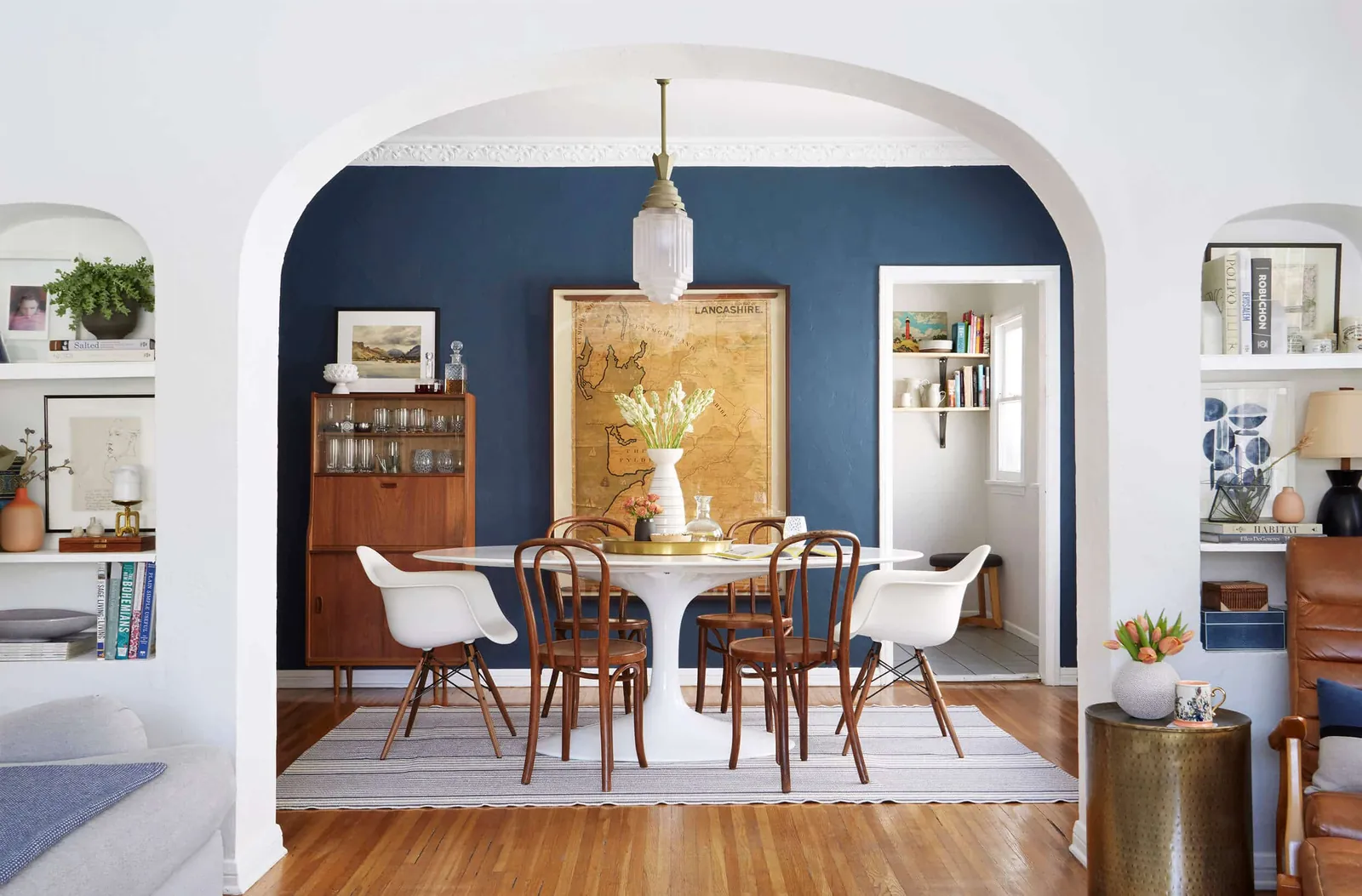
Contrasting styles work best when they share a common language. A mid-century modern chair with tapered legs sits comfortably beside a contemporary chair with clean lines, even if the fabrics differ. Traditional wingbacks pair well with other traditional pieces, or with one modern chair that echoes the wingback’s silhouette. Avoid combining more than two strong style statements in a single grouping—too many competing eras look chaotic.
Style Pairing Cheat Sheet
| Chair Style | Defining Traits | Pairs Well With |
|---|---|---|
| Mid-century modern | Tapered legs, organic curves, wood shell | Contemporary, Scandinavian |
| Traditional wingback | High back, rolled arms, nailhead trim | Other traditional, neutral modern |
| Slipper chair | Armless, low profile, upholstered | Club chairs, chaise lounges |
| Club chair | Deep seat, rolled arms, plush cushioning | Wingbacks, leather chairs |
| Rattan or cane | Woven frame, light color, airy form | Coastal, bohemian, mid-century |
Use Color and Pattern Strategically
Color is the fastest way to make mismatched chairs look like a choice, not a mistake. Choose one dominant color that appears in at least two chairs, then let the others play supporting roles. Pattern adds energy but should be limited: one bold geometric or floral chair is enough for most rooms. If you want two patterned chairs, keep the patterns in different scales—one large print, one small print—and in the same color family.
Warning: Never place two competing large-scale patterns side by side. The eye has nowhere to rest, and the room feels cluttered.
Anchor the Grouping With a Rug or Table
An area rug under all the chairs visually binds them into one conversation zone. If the chairs have nothing in common, a rug with a shared color from each upholstery does the heavy lifting. A coffee table or pair of side tables between the chairs also creates a physical relationship, signaling that these pieces belong together. Lighting helps too: a floor lamp or table lamp near the grouping casts a warm pool that unifies dissimilar forms.
Consider Placement and Traffic Flow
Accent chairs should invite use, not block it. Leave at least 30 inches of walking space around each chair, and position seating so people can face each other across a table or face a focal point like a fireplace. Two chairs angled slightly toward one another encourage conversation; chairs pushed flat against walls look like afterthoughts. In an open-plan room, use the chairs to define a zone rather than scattering them around the perimeter.
Where to Shop for Mix-and-Match Chairs
You don’t need to buy everything from one store. The best eclectic collections come from multiple sources.
Retailers Worth Checking
- West Elm: Mid-century modern and contemporary chairs with consistent seat heights across collections.
- Crate & Barrel: Upholstered club and wingback chairs in neutral and bold fabrics.
- Article: Online-only modern chairs with clear dimensions and straightforward returns.
- Wayfair: Broad inventory spanning traditional, transitional, and budget styles.
- Local antique shops and consignment stores: One-of-a-kind vintage pieces that add character.
Measure your space before you buy, and check each retailer’s return policy. A chair that looks perfect online can dominate a room in person.
Troubleshooting Common Mixing Mistakes
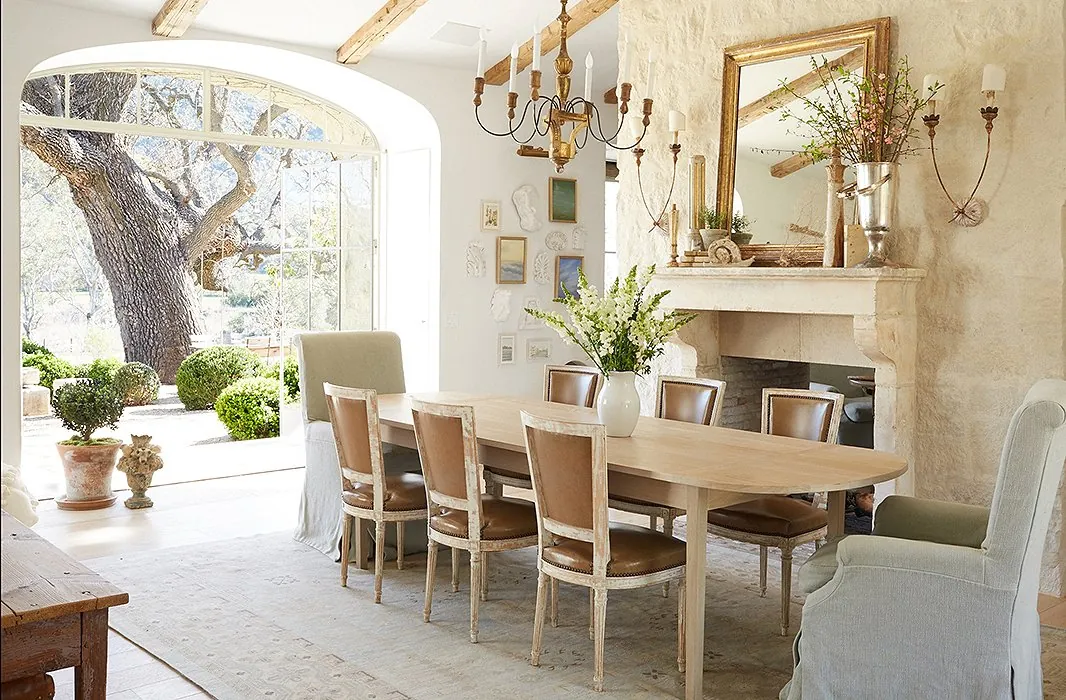
Even careful shoppers end up with a chair that fights the room. Here is how to spot and fix the most common problems.
| Problem | Why It Happens | Quick Fix |
|---|---|---|
| Chairs feel disconnected | No shared color, material, or scale | Add a throw pillow or blanket in a shared hue |
| One chair towers over the others | Seat heights differ by more than two inches | Swap the taller chair for a lower-profile model |
| Too many patterns | Two bold prints compete for attention | Move one patterned chair to another room |
| Grouping looks like a showroom | All chairs from the same collection | Introduce one vintage or contrasting piece |
| Chairs block traffic | Poor placement in a walkway | Reangle chairs or move them closer to a table |
Frequently Asked Questions
How many accent chairs should I mix in one room?
Two to four chairs is the typical range for most living rooms or bedrooms. One chair can feel lonely, while more than four often crowds a standard space and disrupts traffic flow.
Do accent chairs have to match the sofa?
No. They should relate to the sofa through color, material, or scale, but exact matching isn’t required. A contrasting chair often highlights the sofa better than a duplicate would.
Can I mix leather and fabric chairs?
Yes, as long as the colors sit in the same temperature family—warm cognac leather with warm-toned fabric, for example—and the scale of the chairs is similar.
What if I already own one chair I love?
Build around it. Pull a color from its upholstery, match its leg wood tone, or echo its silhouette in the second chair. The existing chair becomes your anchor.
Is it okay to mix eras, like vintage and modern?
Yes. A vintage wingback beside a modern slipper chair works when they share scale or a unifying color. Limit the room to two dominant eras so the look stays cohesive.
Conclusion
Mixing accent chairs is about curation, not coincidence. Choose one unifying element, check your proportions, and let each chair earn its place in the room.