
Is your car acting up, and you suspect the fuel pump might be the problem? You might be wondering if you really need to replace the whole thing or if there’s a way to fix it without spending a fortune.
The good news is, you don’t have to jump straight to a costly replacement just yet. You’ll discover practical tips and simple steps that could save your fuel pump—and your wallet. Keep reading to find out how you can get your car running smoothly again without breaking the bank.
Signs Of A Faulty Fuel Pump
A faulty fuel pump can cause many problems with your vehicle. It stops fuel from reaching the engine properly. This affects how your car runs and may cause it to stall or not start at all.
Recognizing the signs of a bad fuel pump helps you act fast. Early detection can save time and money on repairs.
Common Symptoms
Your car may show several symptoms if the fuel pump is failing. One sign is difficulty starting the engine. The engine might crank but not start right away. Another symptom is engine sputtering or stalling, especially at high speeds. You may notice a loss of power during acceleration. The engine may run rough or hesitate. Strange noises, like whining or humming from the fuel tank, also indicate pump problems. Poor fuel efficiency can occur as well, causing you to fill up more often.
How To Diagnose Issues
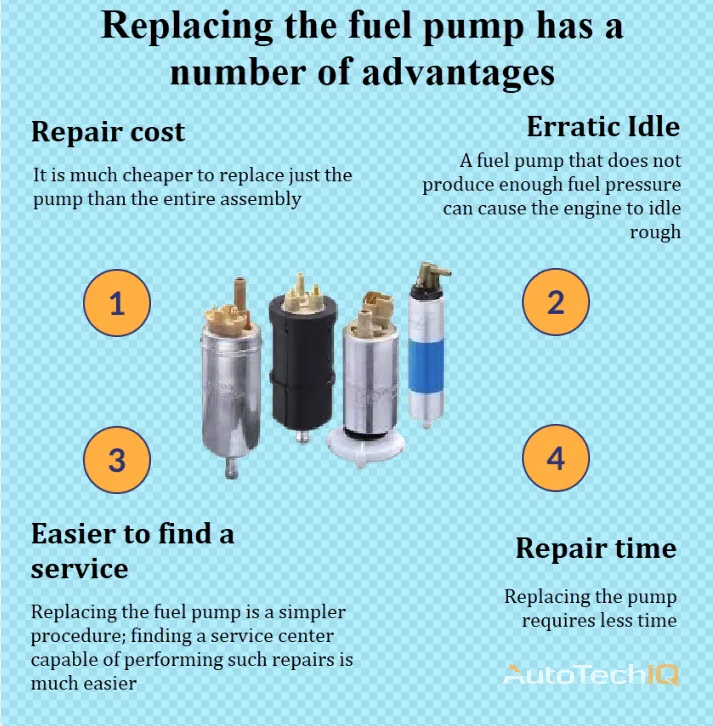
Start by listening for unusual noises near the fuel tank. A loud humming sound often points to a faulty pump. Check if the engine struggles to start or stalls frequently. Use a fuel pressure gauge to test the pump’s pressure output. Low pressure means the pump is weak or failing. Inspect the fuel filter for clogs, as this can mimic pump problems. Scan the car’s computer for any error codes related to fuel delivery. These steps help confirm whether the fuel pump needs repair or replacement.
Credit: www.autotechiq.com
Fuel Pump Components You Can Repair
Fixing a fuel pump without replacing it can save time and money. Certain parts of the fuel pump can be repaired instead of changed. These repairs often restore function and improve fuel delivery.
Understanding which components you can fix is key. Some parts wear out or get dirty. Cleaning or repairing these parts can bring the fuel pump back to life.
Electrical Connections
Electrical connections control the fuel pump’s power supply. Loose or corroded wires cause poor performance. Cleaning the contacts and tightening connections often fix the issue. Using a multimeter can help test voltage and continuity. Simple repairs here improve fuel pump operation.
Fuel Filter Cleaning
The fuel filter stops dirt from entering the engine. A clogged filter lowers fuel flow and pressure. Removing and cleaning the filter removes blockages. Using a safe solvent clears out debris. A clean filter helps the pump work efficiently.
Pressure Regulator Fixes
The pressure regulator keeps fuel pressure steady. A faulty regulator causes pressure drops or spikes. Checking for leaks and cleaning the valve helps. Replacing small seals or diaphragms can restore function. Proper pressure ensures smooth engine running.
Tools Needed For Fuel Pump Repairs
Fixing a fuel pump without replacing it is possible with the right tools. Having the correct equipment helps make the repair safer and easier. This section lists the basic and specialized tools needed for fuel pump repairs. Understanding these tools prepares you for the task ahead.
Basic Hand Tools
Start with basic hand tools that almost every toolbox has. A set of screwdrivers, both flathead and Phillips, helps remove panels and covers. Wrenches and socket sets allow loosening and tightening of bolts. Pliers assist in handling clamps and small parts. A flashlight is useful to see inside tight spaces. These tools cover many simple tasks during fuel pump repair.
Specialized Equipment
Some jobs need specialized equipment for safety and precision. A fuel pressure gauge measures the fuel system pressure accurately. This tool helps diagnose pump issues. A multimeter tests electrical connections and the pump’s power. Fuel line disconnect tools safely separate fuel lines without damage. Gloves and safety glasses protect your hands and eyes from fuel spills. These items make the repair process safer and more effective.
Step-by-step Fuel Pump Repair Guide
Fixing a fuel pump without replacing it can save money and time. This step-by-step guide shows how to repair the pump carefully and safely. Follow each step to check and fix parts that may cause problems.
Safety Precautions
Work in a well-ventilated area to avoid fuel fumes. Wear gloves and eye protection to stay safe. Keep a fire extinguisher nearby in case of emergencies. Disconnect the car battery before starting any work. Avoid sparks or open flames near the fuel system. Use proper tools designed for fuel system repairs. Take your time and do not rush any step.
Accessing The Fuel Pump
Locate the fuel pump, usually found inside the fuel tank. Remove the rear seat or access panel to reach the pump. Clean the area around the pump to prevent dirt from entering. Carefully disconnect the fuel lines and electrical connectors. Use a fuel line removal tool if needed to avoid damage. Remove the fuel pump assembly slowly and place it on a clean surface.
Testing And Repairing Components
Inspect the pump for visible damage or wear. Use a multimeter to check electrical connections and resistance. Test the fuel pressure using a pressure gauge. Clean or replace clogged filters and screens. Lubricate moving parts with appropriate oil. Reassemble the pump and test it before reinstalling. Replace seals or gaskets if they look worn out. Only repair parts that show clear signs of failure.
When Repairing Isn’t Enough
Sometimes, fixing a fuel pump is not enough to solve the problem. Repairs can offer a quick fix but may not last long. A failing fuel pump can cause poor engine performance or even a sudden breakdown. It is important to know when a replacement is the safer, smarter choice.
Choosing between repair and replacement depends on the pump’s condition and your budget. Understanding the signs of a failing fuel pump helps you avoid costly repairs later. Also, comparing costs can guide you to the best decision for your vehicle.
Signs You Need A Replacement
Car struggles to start or stalls often.
Engine misfires or loses power during acceleration.
Fuel pump makes loud whining or buzzing noises.
Frequent overheating of the pump.
Fuel pressure drops below the manufacturer’s specifications.
Repeated repairs fail to fix the issue.
Cost Comparison: Repair Vs Replace
Fuel pump repair costs less upfront than replacement.
Repairs may only fix part of the problem temporarily.
Replacement costs more but lasts longer and prevents breakdowns.
Repeated repairs add up and can exceed replacement costs.
New pumps come with warranties for peace of mind.
Consider long-term value, not just immediate savings.
Credit: www.usedcars.co.ke
Maintaining Your Fuel Pump For Longevity
Maintaining your fuel pump extends its life and keeps your car running smoothly. A well-kept fuel pump avoids sudden failures and costly repairs. Small steps help prevent big problems.
Simple care can keep the fuel pump working well for years. Regular checks and smart habits make a difference.
Regular Fuel System Maintenance
Check the fuel filter often. A clogged filter makes the pump work harder. Replace the filter as recommended in your car manual.
Keep the fuel tank clean. Dirt and debris can harm the pump. Avoid filling up at questionable stations.
Use good quality fuel. Poor fuel can cause damage inside the system. Clean fuel supports pump health.
Tips To Prevent Future Issues
Don’t let the fuel tank run too low. Running on empty can overheat the pump. Keep at least a quarter tank.
Listen for strange noises. Buzzing or whining sounds may signal pump trouble. Early attention saves money.
Have your fuel system checked regularly by a mechanic. Professional inspections catch problems early. Avoid bigger repairs later.

Credit: bimmerlife.com
Frequently Asked Questions
Can A Faulty Fuel Pump Be Repaired Without Replacement?
Yes, some fuel pumps can be repaired by fixing minor issues like clogged filters or wiring problems. But major failures usually need replacement.
What Are Common Signs Of A Failing Fuel Pump?
Engine sputtering, trouble starting, and loss of power often show fuel pump issues. These signs help diagnose the problem early.
How Much Does It Cost To Repair A Fuel Pump?
Repair costs vary but are generally lower than replacement. Minor fixes may cost between $50 and $200.
Can Cleaning The Fuel Pump Fix Performance Issues?
Cleaning the fuel pump can remove dirt and debris that block fuel flow. This may improve pump performance temporarily.
Is It Safe To Drive With A Weak Fuel Pump?
Driving with a weak pump risks stalling and poor engine performance. It is safer to fix the problem promptly.
What Tools Do I Need To Fix A Fuel Pump?
Basic tools include screwdrivers, wrenches, and a multimeter to test electrical parts. Specialized tools may be needed for some models.
How Long Does A Fuel Pump Repair Take?
Simple repairs can take 30 minutes to 1 hour. Complex repairs or replacements may take several hours.
Can A Bad Fuel Filter Cause Fuel Pump Issues?
Yes, a clogged fuel filter puts extra strain on the pump and can cause it to fail early. Replacing filters helps pump health.
Should I Try Fixing A Fuel Pump Myself?
Only attempt repairs if you have basic mechanical skills and tools. Otherwise, a professional mechanic is recommended.
How To Maintain A Fuel Pump To Avoid Repairs?
Use clean fuel, replace filters regularly, and avoid running the tank too low. These habits extend fuel pump life.
Conclusion
Fixing a fuel pump without replacing it can save money and time. Some problems, like clogs or loose connections, are easy to repair. But serious damage often means replacement is best. Regular maintenance helps avoid fuel pump issues. Always listen for unusual engine sounds or poor performance.
Quick action can prevent bigger problems later. Choose the right option based on your situation and skill level. Keep your vehicle running smoothly by caring for its fuel system.