
Is your basement wall starting to cave in? This can be a serious problem that threatens the safety of your home and your peace of mind.
You might feel overwhelmed or unsure where to start, but don’t worry—fixing a caving basement wall is possible. You’ll discover simple, clear steps to stop the damage and protect your home. Keep reading to learn how to take control of the situation before it gets worse.
Your basement—and your home’s foundation—depend on it.
Credit: www.olshanfoundation.com
Signs Of A Caving Basement Wall
Basement walls that are caving in show clear signs before serious damage occurs. Spotting these signs early helps protect your home and avoid costly repairs. Knowing what to watch for can save time and money.
Visible Cracks And Bowing
Look for cracks in the basement walls. Horizontal cracks are a major warning sign. Bowing walls push inward, changing the shape of your basement. These changes often mean the wall is under pressure and losing strength.
Water Leaks And Dampness
Water stains or damp spots on walls suggest leaks. Water can seep through small cracks and weaken the wall. Persistent dampness leads to mold and damages the foundation over time. Check for musty smells as well.
Uneven Floors And Doors
Uneven basement floors often signal wall movement. Doors that stick or don’t close properly indicate shifting walls. These issues occur because the foundation is no longer stable. Watch for sloping floors and misaligned door frames.
Credit: gorillawallbraces.com
Common Causes Of Wall Failure
Basement walls can start to cave in for several reasons. Knowing these causes helps you spot problems early. Fixing issues quickly prevents more damage and costly repairs. Common causes often relate to soil, construction, and water effects. Each factor plays a big role in wall failure.
Soil Pressure And Drainage Issues
Soil pushes hard against basement walls. This pressure grows if water does not drain well. Poor drainage lets water build up near the foundation. Heavy, wet soil presses harder on walls. Over time, the wall bends or cracks from this force. Proper drainage keeps soil pressure low and walls safe.
Poor Construction And Materials
Weak materials cause basement walls to fail early. Walls built with cheap or wrong materials crack fast. Poor workmanship leaves gaps or weak spots. These flaws reduce the wall’s strength against soil and water. Strong, well-built walls last longer and resist damage better.
Water Damage And Freeze-thaw Cycles
Water seeps into cracks and weak spots in walls. When temperatures drop, water freezes and expands. This expansion pushes the wall outward, causing cracks to grow. Repeated freeze-thaw cycles make walls crumble over time. Keeping water away from walls reduces this damage risk.
Immediate Safety Measures
Basement walls that are caving in pose a serious risk. Taking immediate safety steps can prevent accidents and further damage. Act quickly to protect yourself and your home.
Temporary Supports And Bracing
Use strong wooden beams or metal braces to hold the wall in place. Position them at an angle against the wall to stop it from moving. Make sure the supports are stable and secure. This temporary fix helps prevent collapse until professional help arrives.
Evacuating The Area
Clear the basement and nearby rooms right away. Avoid staying near the damaged wall. Keep children and pets away from the area. This reduces the risk of injury from falling debris or sudden wall failure.
Consulting A Structural Engineer
Call a licensed structural engineer as soon as possible. They inspect the damage and recommend safe repairs. Do not attempt major repairs without expert advice. Proper evaluation ensures the wall is fixed correctly and safely.
Repair Techniques For Caving Walls
Repairing a basement wall that is caving in needs careful planning. Several methods can help stop the wall from collapsing further. Each technique suits different wall conditions and budgets.
Choosing the right repair method strengthens the wall. It also prevents water damage and keeps your basement safe. Below are common techniques to fix caving basement walls.
Installing Wall Anchors
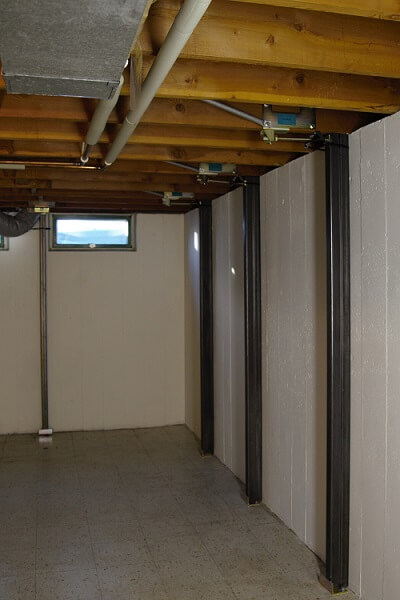
Wall anchors stabilize a bowing wall by connecting it to the soil outside. Steel rods pass through the wall and attach to an anchor plate in the ground. This pulls the wall back to its original position. Installing anchors is less invasive and works well for moderate damage. It provides strong support and can be adjusted over time.
Using Carbon Fiber Straps
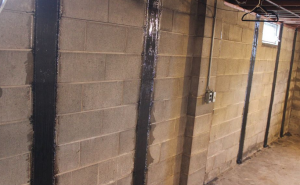
Carbon fiber straps are thin, strong bands applied to the inside of the wall. They stop the wall from moving inward and add extra strength. The straps are glued to the wall using epoxy. This method is quick and clean. It suits walls with small cracks or slight bowing. Carbon fiber is durable and resists moisture well.
Applying Shotcrete Or Concrete
Shotcrete involves spraying concrete onto the damaged wall surface. This adds a new layer of strength and seals cracks. It is useful for walls with surface damage or minor structural issues. Concrete can fill gaps and improve wall stability. This repair protects against water seepage and further erosion.
Foundation Underpinning
Underpinning strengthens the foundation below the wall. It involves digging beneath the existing foundation and adding new support. This method suits serious foundation problems causing wall caving. Underpinning lifts and stabilizes the whole structure. It is a long-term fix but requires professional help and more time.
Waterproofing And Drainage Solutions
Waterproofing and drainage solutions are key to stopping basement walls from caving in. Water pressure can push against walls and cause cracks or collapse. Controlling water flow around your home protects the foundation. These methods keep water away and reduce wall damage.
Exterior Waterproof Membranes
Exterior waterproof membranes cover basement walls outside. They form a barrier that blocks water from entering. These membranes are usually made of rubber or plastic. Applying them requires digging around the foundation. This step prevents moisture from seeping through walls. It helps keep the basement dry and safe.
French Drains And Sump Pumps
French drains collect water near the foundation and guide it away. They are trenches filled with gravel and pipes. These drains stop water buildup that can cause wall pressure. Sump pumps remove water that collects in the basement. They pump water out to a safe distance. Both systems work together to keep water levels low.
Gutter And Downspout Maintenance
Gutters catch rainwater from the roof. Downspouts direct this water far from the foundation. Cleaning gutters regularly prevents clogs and overflow. Properly extending downspouts stops water from pooling near walls. Maintaining these helps reduce water damage risks. It protects basement walls from extra pressure and leaks.

Credit: www.basementsystems.ca
Preventing Future Wall Damage
Preventing future damage to basement walls is key to keeping your home safe and dry. Walls that cave in once may weaken over time if you do not take steps to protect them. Simple changes around your home can stop water and soil pressure from causing more harm. Regular care will make your basement stronger and last longer.
Landscaping And Grading Tips
Make sure the land around your home slopes away from the foundation. This helps water flow away from basement walls. Use soil that drains well, like sandy or loamy soil. Avoid piling soil against walls. Keep plants and trees at a safe distance. Roots can push on walls and cause cracks. Clean gutters and downspouts often. Direct water at least five feet from your foundation.
Regular Inspections And Maintenance
Check your basement walls regularly for signs of damage. Look for cracks, bulges, or damp spots. Early detection lets you fix small issues quickly. Repair cracks with waterproof sealant. Clean and clear any drainage systems near your basement. Watch for water leaks from pipes or appliances. Fix leaks immediately to avoid wall damage. Keep an eye on outside walls during heavy rain or snow melt.
Controlling Indoor Humidity
High humidity can weaken basement walls and cause mold. Use a dehumidifier to keep moisture low. Ventilate the basement with fans or open windows. Avoid drying clothes indoors in the basement. Check for any water leaks or damp spots inside. Fix any plumbing problems promptly. Keep basement walls dry to prevent damage and improve air quality.
When To Call A Professional
Knowing when to call a professional for a caving basement wall can save you time and money. Some problems need expert help to avoid bigger damage. Calling a pro ensures safety and a strong repair. Here are key points to consider.
Assessing Damage Severity
Look at the crack size and wall movement. Small hairline cracks may not need a pro. Large cracks or bulging walls show serious issues. Water leaks or mold growth also signal major problems. Professionals can spot hidden damage you might miss. They use tools and experience to judge the risk. Don’t ignore signs that the wall is failing.
Choosing The Right Contractor
Pick a contractor with experience in basement repair. Check reviews and ask for references. Confirm they have proper licenses and insurance. A good contractor explains the repair process clearly. They should offer a detailed estimate and timeline. Avoid contractors who pressure you to decide fast. A trustworthy expert answers all your questions.
Cost Estimates And Project Timeline
Costs vary based on damage and repair type. Simple fixes cost less, but big repairs need more funds. Professionals give written estimates before starting work. They outline materials, labor, and possible extra costs. A clear timeline helps you plan your schedule. Expect some delays for complex repairs. Knowing costs and time upfront prevents surprises.
Frequently Asked Questions
What Causes A Basement Wall To Start Caving In?
Basement walls cave in mostly due to soil pressure and water buildup outside. Poor drainage and heavy rain add extra force on the wall. Weak or old walls fail to hold back this pressure.
How Do I Know If My Basement Wall Is Caving In?
Look for cracks, bowing, or bulging walls in your basement. Water leaks and musty smells can also be signs. Walls leaning inward or uneven floors are warning signs too.
Can I Fix A Caving Basement Wall Myself?
Simple cracks can be patched by homeowners using sealants or epoxy. But major wall bowing or structural damage needs a professional. Safety is key; don’t risk a full collapse.
What Tools Are Needed To Repair A Caving Basement Wall?
Basic tools include a hammer, chisel, sealant, and a drill for small fixes. For bigger jobs, you need braces, anchors, and waterproofing materials. Renting heavy equipment may be necessary for serious repairs.
How Much Does It Cost To Fix A Caving Basement Wall?
Costs vary from a few hundred dollars for small repairs to thousands for big jobs. Factors include wall size, damage extent, and needed materials. Always get a professional estimate before starting.
How Long Does It Take To Repair A Caving Basement Wall?
Minor repairs can take a few hours to a day. Major fixes may take several days or weeks. The timeline depends on damage severity and repair method.
Does Waterproofing Help Prevent Basement Walls From Caving In?
Waterproofing reduces water pressure on walls, helping prevent damage. It keeps soil drier and stops leaks. While not a full fix, it supports wall strength over time.
When Should I Call A Professional For Basement Wall Repair?
Call a pro if walls are severely cracked, bowed, or leaking. If the wall moves or you see structural damage, get expert help. Early professional advice can save money and danger later.
What Materials Are Best For Fixing A Basement Wall?
Concrete and steel reinforcements work well for strong repairs. Epoxy injections fix small cracks and seal leaks. Waterproof coatings protect walls from moisture damage.
Can Landscaping Help Prevent Basement Wall Caving?
Proper landscaping directs water away from your home foundation. Sloping soil and gutters reduce water pressure on walls. Avoid planting large trees near your basement walls.
Conclusion
Fixing a basement wall that is caving in takes quick action. Start by checking the damage carefully and removing any loose materials. Use strong supports to stop the wall from moving further. Seal cracks with the right materials to keep water out.
Drainage around your home can help prevent future problems. Small repairs today save big costs later. Stay safe and call a professional if the damage looks severe. A solid basement wall protects your home and your peace of mind. Don’t wait—keep your basement strong and dry.