
To measure mountain bike helmet size accurately, wrap a flexible measuring tape around your head about one inch above your eyebrows. That widest circumference in centimeters determines your shell size, but thick hair or an oval head shape will change the fit. Check the maker’s size chart before buying.
Quick steps to measure your helmet
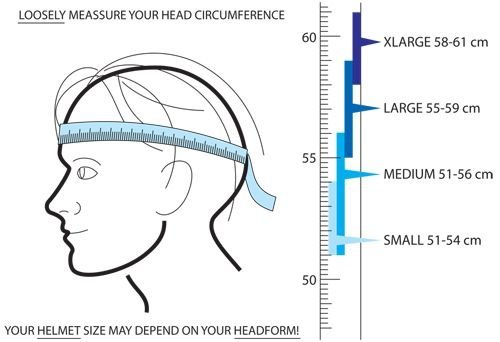
- Wrap a cloth tape level around your head, 1 inch (2.5 cm) above your eyebrows.
- Record the circumference in centimeters, since helmet brands use metric sizing standards.
- Repeat the measurement twice to ensure your numbers match within 0.5 centimeters.
- Use a piece of string and a metal tape if you don’t own a cloth measuring tape.
- Match your number directly to the specific manufacturer’s chart, not a generic size guide.
- Test the fit with your normal riding hairstyle or winter skull cap in place.
Why head shape changes shell sizing
Helmets protect against impact by distributing crash energy through an expanded polystyrene foam liner. According to safety guidelines published by the U.S. Consumer Product Safety Commission, a helmet must sit level and snug to provide proper protection during a collision. When a shell doesn’t match your head’s physical outline, pressure points develop across the contact surface.
Human heads generally fit two shapes: round oval or intermediate oval. A standard tape measurement records total circumference, but it can’t capture head width versus head length. If you have an oval head, a round helmet creates harsh pressure on your forehead while leaving empty space at your temples. This mismatch forces riders to over-tighten rear dial retention systems, which restricts blood flow without actually securing the helmet properly.
This guide isn’t for full-face downhill racers seeking motorcycle-grade certification without an adjustable rear cradle. A dial system helps fine-tune fit, but it can’t make an incorrect base shell shape safe.
When the answer is different
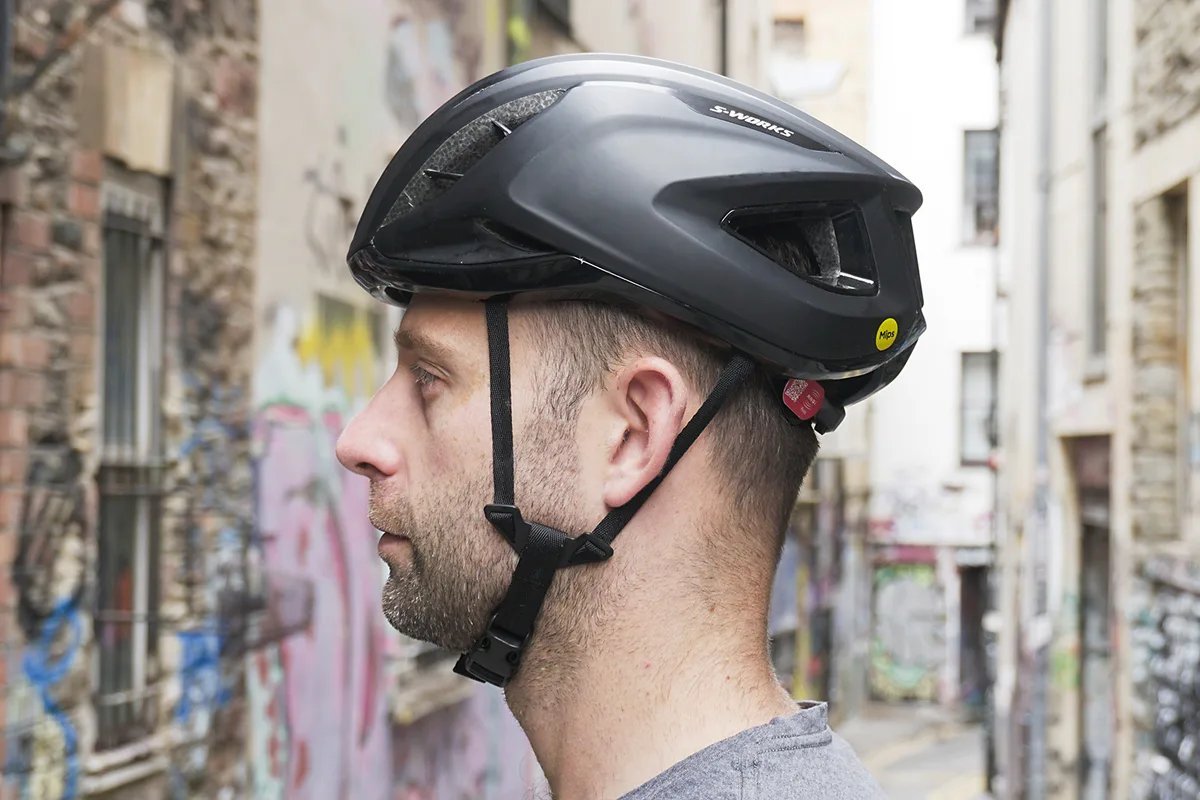
Head circumference alone doesn’t guarantee a proper fit across different riding conditions and personal head profiles.
| Situation | What changes | What to do instead |
|---|---|---|
| Long or oval head shape | Forehead feels tight while sides feel loose | Buy brands designed around narrow, long-oval head molds |
| Measurement falls between two sizes | Shell volume might pinch or wobble | Size down if using thin hair; otherwise size up |
| Wearing thick winter skull caps | Adds roughly 1 to 2 centimeters around | Measure over your cap before selecting a winter shell |
| Very thick, dreadlocked, or braided hair | Artificial volume distorts standard circumference | Measure hair flattened in your usual riding style |
| Brand size boundaries differ | A Medium in Giro often differs from Fox | Check the specific manufacturer chart for exact numbers |
| Using separate sweat-absorbing headbands | Headband thickness pushes shell upwards | Try the helmet with your preferred headband on |
How to do it properly
- Stand upright in front of a mirror with your head held straight, keeping your hair resting how you plan to ride.
- Position the starting end of a flexible cloth measuring tape flat against the middle of your forehead, exactly 1 inch (2.5 cm) above your eyebrows.
- Guide the tape around your head, passing roughly 0.5 inches (1.3 cm) above your ears and across the widest prominence at the back of your skull.
- Check in the mirror that the tape stays completely level all the way around, without sagging down the neck or tilting up high.
- Pull the tape flat against the skin so it sits snug without indenting your flesh, and note the point where it overlaps the starting edge.
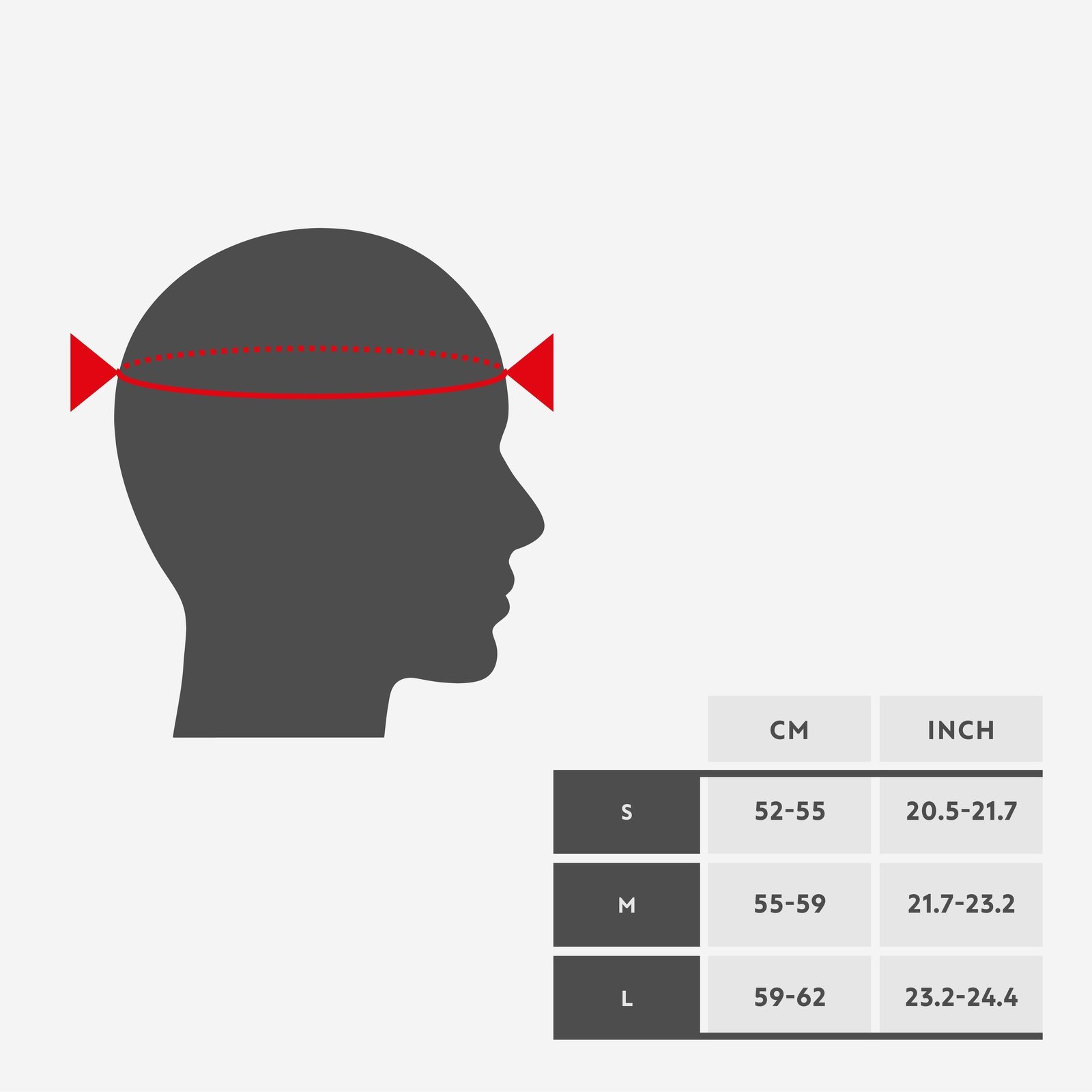
- Record the circumference in both centimeters and inches; check the label on the helmet box to match your measurement to the manufacturer’s sizing range.
- Test the selected helmet by fastening the chin strap, shaking your head lightly, and verifying the brow stays two finger-widths above your eyes without shifting.
The mistakes that ruin it
- Pulling the measuring tape downward across the nape of your neck; this costs you accurate shell sizing by artificially shrinking your true circumference number.
- Using a stiff metal carpenter’s tape wrapped directly over your scalp; this bends awkwardly and adds false centimeters, causing you to purchase an oversized, loose helmet.
- Guessing your sizing from an old road helmet; mountain bike shells offer deeper rear coverage, meaning an old measurement might lead to painful temple pinching.
- Ignoring your head shape in favor of pure circumference; this leaves you with severe forehead hotspots that ruin long rides and force an early helmet return.
Frequently asked questions
Can I use a string if I don’t have a tape measure?
Yes, you can wrap a non-stretchy string level around your head 1 inch above your eyebrows. Mark where the string overlaps with a felt pen, lay it flat on a table, and measure that length with a standard ruler in centimeters.
Does mountain bike helmet size differ from road helmet size?
No, the circumference measurement is identical, but mountain bike helmets feature deeper rear coverage around the occipital bone. This added internal shell volume means you’ll sometimes feel extra contact around the back of your head compared to lighter road models.
What happens if my helmet is slightly too big?
Your helmet will slide out of position during a trail crash, exposing your forehead or temples to direct rock impacts. A loose helmet also shifts constantly over rough terrain, obscuring your vision and forcing you to dangerously adjust it while riding.
How do I know if I need a round or oval helmet?
Look straight down at your wet hair in a mirror or ask someone to photograph your head from above. If your skull resembles an egg that’s longer front-to-back than side-to-side, choose brands catering to oval heads rather than round ones.
What should I do if my measurement falls between sizes?
If you ride in hot conditions with short hair, pick the smaller size for a secure fit; if you wear thick thermal beanies, choose the larger size. Never buy the larger shell simply because it feels roomier in the shop.
Is it safe to buy a helmet without trying it on?
Yes, as long as you match your measured centimeters directly against the manufacturer’s specific sizing chart and ensure the retailer has an exchange policy. Different helmet brands mold their inner foam around completely different head forms, making easy returns essential.
Final Thoughts
Once you have your measurement, try on a few different brands at a local shop to see what feels best. Every company shapes their foam a bit differently, so don’t settle until you find a lid that doesn’t wobble. You’ll be much safer and more comfortable on the trail.
Related guides