
The humble toilet tank, often overlooked and rarely given a second thought, is a marvel of modern plumbing. It’s the silent workhorse of our bathrooms, responsible for the crucial task of flushing waste away, maintaining hygiene, and ensuring the comfort of our homes.
Without a properly functioning toilet tank, daily life would be significantly disrupted. Understanding its components, how it works, and common issues can save you time, money, and a great deal of inconvenience. From the intricate mechanisms within to the various designs available, exploring the toilet tank reveals a fascinating intersection of engineering and everyday necessity.
Key Takeaways
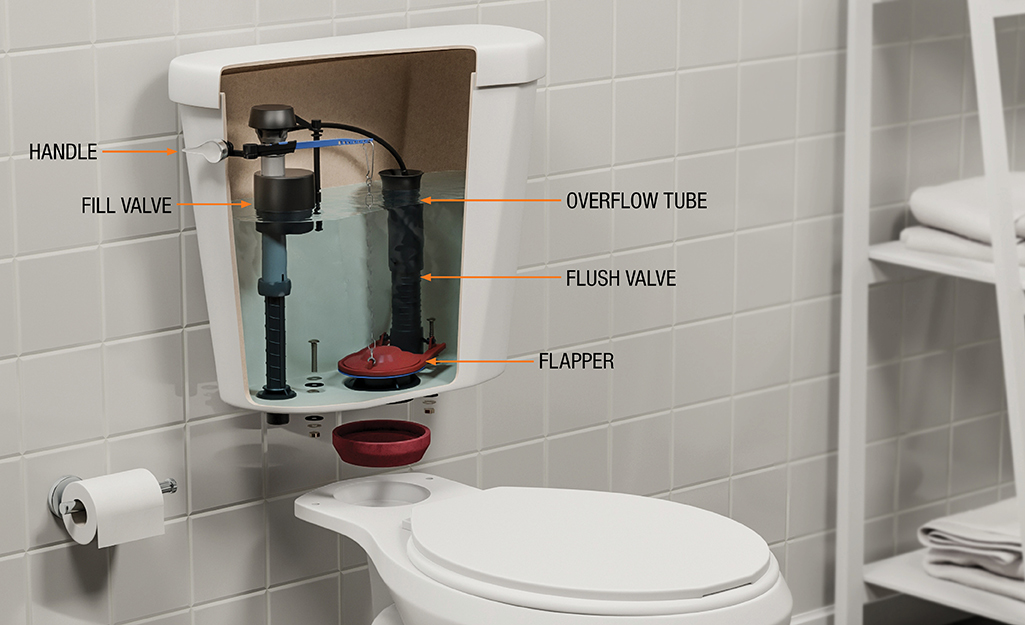
- The toilet tank is comprised of several key components: The flushometer, fill valve, flush valve, flapper, overflow tube, and handle.
- The flushometer initiates the flushing process, while the fill valve replenishes the tank with water after each flush.
- The flush valve and flapper work together to release water from the tank into the bowl.
- The overflow tube is a critical safety feature preventing tank overflow.
- Common toilet tank problems include leaks, running toilets, weak flushes, and auto-flush failures.
- Regular maintenance and prompt attention to issues can prevent costly repairs and water wastage.
- Different tank types exist, including gravity-fed, pressure-assisted, and dual-flush models, each with unique advantages.
Anatomy Of A Toilet Tank: Understanding The Components
The seemingly simple act of flushing a toilet involves a precisely orchestrated sequence of events, powered by the components housed within the toilet tank. Each part plays a vital role in the efficient and effective operation of the entire unit.
Understanding these parts is the first step in diagnosing and resolving common toilet problems.
The Flush Handle And Arm
The flush handle, typically located on the side of the tank, is the user interface. When you press or lift it, it activates an internal lever or arm. This flush arm is connected to a chain or lift rod that pulls up the flapper (or lifts the flush valve in some designs), initiating the flush cycle. The design of the handle can vary, from simple levers to more decorative or ergonomic options, but its function remains the same.
The Fill Valve (ballcock)
Once the tank empties, the fill valve, often referred to as the ballcock, takes over. Its primary job is to refill the tank to the correct water level. Modern fill valves are typically float-cup or float-ball types.
- Float-cup valves have a cup that slides up and down the fill tube. As the water level rises, the cup rises with it, eventually shutting off the water supply when the tank is full.
- Float-ball valves use a buoyant ball attached to an arm. As the water level rises, the ball floats, lifting the arm and closing the valve.
Many modern fill valves also include an anti-siphon mechanism to prevent contaminated tank water from entering the potable water supply.
The Flush Valve And Flapper
The flush valve is the gatekeeper at the bottom of the tank, separating the water in the tank from the toilet bowl. When the flush handle is activated, it lifts the flapper (a rubber or plastic seal) or a plunger mechanism, allowing water to rush from the tank into the bowl. The flapper is a common component in gravity-fed toilets. It’s designed to seal the flush valve opening tightly when closed. When lifted, it opens the valve, and as the water level drops, the flapper usually reseals the valve automatically.
The Overflow Tube
The overflow tube is a crucial safety feature. It’s a vertical pipe, usually made of plastic, located inside the tank. If the fill valve malfunctions and continues to supply water after the tank is full, the excess water will flow into the overflow tube and down into the toilet bowl, preventing the tank from overflowing and causing a mess or water damage. The top of the overflow tube should always be above the normal water level in the tank.
The Refill Tube
A small tube, often connected to the fill valve assembly, is the refill tube. After a flush, it directs a small amount of water directly into the overflow tube. This is essential for refilling the trap seal in the toilet bowl, which prevents sewer gases from escaping into the bathroom.
How A Toilet Tank Works: The Flushing Cycle Explained
The operation of a toilet tank is a cycle of filling, holding, and releasing water. Understanding this process is key to troubleshooting any issues that arise.
The Gravity-fed Flush
The most common type of toilet tank operates on a simple gravity-fed principle.
- Initiation: When the flush handle is pressed, it lifts the flapper (or plunger) via the flush arm and chain.
- Water Release: This action opens the flush valve at the bottom of the tank. The water stored in the tank, under the force of gravity, rushes rapidly into the toilet bowl.
- Bowl Action: The sudden influx of water creates a siphon effect in the toilet bowl’s trapway, which pulls the waste and water from the bowl down into the drainpipe.
- Refill and Reset: As the water level in the tank drops, the flapper reseals the flush valve. The fill valve opens, and a small refill tube directs a portion of the incoming water into the overflow tube to replenish the bowl’s trap seal. The rest of the water fills the tank.
- Completion: Once the water reaches the predetermined level, the float mechanism on the fill valve shuts off the water supply, and the tank is ready for the next flush.
Pressure-assisted Tanks
A less common but more powerful flushing system is the pressure-assisted toilet. These tanks use compressed air stored within a sealed tank liner to create a much stronger flush.
- Filling: As the tank fills, air is compressed and trapped within the liner.
- Flushing: When the handle is activated, a valve opens, releasing the pressurized air and water in a forceful burst. This high-pressure discharge creates a significantly more robust siphon action in the bowl, allowing for a more effective flush with less water.
Dual-flush Mechanisms
Dual-flush toilets offer two flushing options: a reduced flush for liquid waste and a full flush for solid waste. This is achieved through a specialized flush valve and button mechanism.
- Selection: The user selects either the reduced or full flush option, typically via buttons on top of the tank or a lever with two positions.
- Water Release: The selected flush mechanism releases either a partial or full volume of water from the tank into the bowl, optimizing water usage.
Credit: www.homedepot.com
Common Toilet Tank Problems And Solutions
Despite their robust design, toilet tanks can develop issues. Most problems are relatively straightforward to diagnose and fix, often requiring only a few basic tools and replacement parts.
The Running Toilet
A running toilet is one of the most common and wasteful toilet problems. You might hear a constant hissing sound, or the toilet may flush intermittently on its own. This typically indicates a leak in the tank.
- Cause 1: Worn Flapper: The most frequent culprit is a worn, warped, or improperly seated flapper. Over time, rubber degrades, and the flapper may not create a watertight seal against the flush valve.
- Solution: Inspect the flapper for damage. If it looks worn or brittle, replace it. Ensure it’s properly aligned and seating correctly. You can test the seal by placing a few drops of food coloring in the tank and waiting 15-20 minutes without flushing. If color appears in the bowl, the flapper is leaking.
- Cause 2: Misaligned Flush Valve Seat: The surface where the flapper seals can become corroded or damaged, preventing a good seal.
- Solution: Clean the valve seat. If it’s significantly corroded, you may need to replace the entire flush valve assembly.
- Cause 3: Faulty Fill Valve: If the fill valve is not shutting off properly, the water level will rise too high, causing water to constantly spill over the overflow tube.
- Solution: Adjust the float mechanism on the fill valve to lower the water level. If the valve is old or damaged, replace the entire fill valve assembly.
Weak Flush Or Incomplete Flush
A flush that doesn’t clear the bowl effectively can be frustrating and lead to multiple flushes, wasting water.
- Cause 1: Insufficient Water in Tank: The water level in the tank might be too low.
- Solution: Adjust the float mechanism on the fill valve to raise the water level. Ensure it’s set to the manufacturer’s recommended line, usually indicated inside the tank.
- Cause 2: Clogged Flush Valve or Rim Jets: Debris or mineral buildup can obstruct the flow of water from the tank or the small holes (rim jets) around the toilet bowl that direct water into the bowl.
- Solution: Clean the rim jets with a small brush or wire. For the flush valve, you may need to remove the flapper and clean the valve seat and opening.
- Cause 3: Kinked or Damaged Flush Chain: If the chain connecting the handle to the flapper is too long, kinked, or not taut enough, it won’t lift the flapper sufficiently to allow adequate water release.
- Solution: Adjust the chain length so it has just a slight amount of slack when the flapper is closed.
Leaking Toilet Tank
A leak can occur from the tank itself or from the connection points.
- Cause 1: Loose Tank-to-Bowl Bolts: The bolts that secure the tank to the toilet bowl can loosen over time, allowing water to seep out.
- Solution: Gently tighten the nuts on the tank bolts underneath the bowl. Do not overtighten, as this can crack the porcelain.
- Cause 2: Worn Tank-to-Bowl Gasket: The large rubber gasket between the tank and the bowl can degrade, causing a leak.
- Solution: Replace the tank-to-bowl gasket. This involves removing the tank, replacing the gasket, and reassembling.
- Cause 3: Cracks in the Tank: Though rare, porcelain tanks can develop cracks, especially if subjected to freezing temperatures or impact.
- Solution: Small cracks can sometimes be temporarily sealed with epoxy, but a cracked tank usually requires replacement of the entire toilet.
Auto-flush Not Working (for Smart Toilets)
For modern toilets with automatic flushing capabilities, sensor or battery issues can arise.
- Cause 1: Dirty Sensor: The sensor may be obstructed by dirt or debris, preventing it from detecting presence.
- Solution: Clean the sensor area gently with a soft cloth.
- Cause 2: Low Batteries: Many auto-flush mechanisms are battery-operated.
- Solution: Replace the batteries.
- Cause 3: Malfunctioning Valve or Electronics: More complex issues may require professional diagnosis and repair or replacement of the auto-flush module.
Types Of Toilet Tanks And Their Features
Toilet tanks are not one-size-fits-all. Different designs cater to various needs, water conservation goals, and aesthetic preferences. Understanding these variations can help you choose the right toilet for your home.
Standard Gravity-fed Tanks
This is the most common type, relying on the weight of the water in the tank to create flushing pressure. They are generally reliable, quiet, and easy to repair. Their flushing power is determined by the tank’s height and water volume.
Pressure-assisted Tanks
These tanks use a sealed inner chamber that traps air. When flushed, the compressed air forces water out at a higher pressure, resulting in a more powerful flush.
- Pros: Excellent waste removal, less prone to clogging, can use smaller amounts of water per flush.
- Cons: Louder flush, more expensive, repairs can be more complex and costly.
Dual-flush Tanks
Designed for water conservation, dual-flush tanks offer two flushing options:
- Reduced Flush: For liquid waste, using significantly less water (e.g., 0.8-1.1 gallons per flush – gpf).
- Full Flush: For solid waste, using a standard or slightly reduced amount of water (e.g., 1.28-1.6 gpf).
- Pros: Significant water savings, eco-friendly.
- Cons: Mechanism can be more complex, requiring specific maintenance.
Skirted Tanks
These tanks have a smooth, concealed design where the base of the tank is integrated with the bowl, hiding the pipes and connectors.
- Pros: Easier to clean, modern aesthetic.
- Cons: Can be more expensive, repairs might be more involved due to the concealed design.
Compact Or Round Tanks
Smaller tanks are often paired with round-front toilets, ideal for small bathrooms or powder rooms where space is limited. They typically hold less water and may have slightly less flushing power than larger, elongated-toilet tanks.
High-efficiency Toilets (hets)
Many modern toilets, including those with dual-flush or pressure-assisted mechanisms, are classified as High-Efficiency Toilets. They use 1.28 gallons per flush (gpf) or less, significantly reducing water consumption compared to older toilets that used 3.5 gpf or more. The EPA’s WaterSense label indicates toilets that meet strict water efficiency and performance criteria. As of 2026, the federal standard for new toilets is 1.6 gpf, but many choose to install even more efficient models.
Toilet Tank Maintenance And Water Conservation Tips
Proactive maintenance and mindful usage can extend the life of your toilet tank, prevent costly repairs, and conserve a significant amount of water.
Regular Inspection
- Listen: Pay attention to any unusual sounds, like hissing or running water when the toilet isn’t in use.
- Look: Periodically check the tank for visible leaks, corrosion, or wear on components like the flapper and fill valve.
- Test: Perform the food coloring test for flapper leaks as described earlier.
Checking Water Levels
Ensure the water level in the tank is set correctly. It should be about half an inch to an inch below the top of the overflow tube. An incorrect water level can lead to poor flushing or constant running.
Cleaning Tank Components
Mineral deposits and sediment can build up on the flush valve seat and flapper. Periodically clean these parts with a soft cloth or sponge. For stubborn buildup, a mild, non-abrasive cleaner can be used, but avoid harsh chemicals that can damage rubber components.
Water Conservation Strategies
- Fix Leaks Promptly: A constantly running toilet can waste hundreds of gallons of water per day. For instance, a slow leak of just one drip per second can waste over 3,000 gallons per year.
- Install a Dual-Flush Converter: If you have a standard single-flush toilet, you can install a dual-flush converter kit to add water-saving options.
- Use Water-Saving Devices: Consider installing a low-flow fill valve or a flapper designed for water efficiency.
- Avoid Using the Toilet as a Trash Can: Flushing tissues, cotton swabs, or other waste items puts unnecessary strain on the toilet and can lead to clogs.
Professional Servicing
While many toilet tank issues are DIY-friendly, complex problems or persistent leaks might require the expertise of a licensed plumber. They can diagnose issues with internal mechanisms, pressure-assisted systems, or identify hidden leaks.
Toilet Tank Materials And Durability
The primary material used for modern toilet tanks is vitreous china or porcelain. This ceramic material is favored for its durability, non-porosity, and ease of cleaning.
Porcelain And Vitreous China
- Durability: These materials are highly resistant to scratches, stains, and corrosion. With proper care, a porcelain toilet tank can last for decades.
- Hygiene: The smooth, non-porous surface makes them easy to clean and prevents the absorption of odors or bacteria.
- Weight: Porcelain tanks are heavy, which contributes to the stability of the toilet.
- Maintenance: Requires gentle cleaning agents to avoid scratching the surface. Avoid harsh abrasives or chemicals that could damage the glaze.
Plastic Tanks
Some older or less expensive toilet models might feature plastic tanks.
- Durability: Generally less durable than porcelain, plastic can become brittle over time, especially when exposed to cleaning chemicals or UV light. Cracks can develop.
- Weight: Significantly lighter than porcelain.
- Maintenance: Can be prone to staining and may require more frequent cleaning.
Considerations For Durability
- Temperature Fluctuations: Extreme temperature changes, especially freezing, can cause porcelain tanks to crack. Ensure bathrooms are adequately heated in cold climates.
- Impact: While durable, severe impacts can chip or crack a porcelain tank.
- Hard Water Buildup: In areas with very hard water, mineral deposits can accumulate inside the tank, potentially affecting the function of components and requiring more frequent cleaning.
Frequently Asked Questions
What Is The Average Lifespan Of A Toilet Tank?
The lifespan of a toilet tank, particularly one made of vitreous china or porcelain, is typically very long, often 20 to 30 years or even longer with proper maintenance. The tank itself is quite durable. However, the internal components like the fill valve and flapper have a shorter lifespan and may need replacement every 5 to 10 years, depending on water quality and usage.
How Much Water Does A Standard Toilet Tank Hold?
A standard, older toilet tank might hold around 3.5 gallons of water per flush (gpf). Modern High-Efficiency Toilets (HETs), often labeled with the EPA’s WaterSense symbol, use significantly less, typically 1.28 gpf or even less for dual-flush models. The total capacity of the tank when full will be slightly higher than the flush volume, allowing for the refill mechanism and trap seal.
Can I Convert My Existing Toilet Tank To A Dual-flush System?
Yes, it is possible to convert a standard single-flush toilet tank to a dual-flush system using a conversion kit. These kits typically replace the existing flush valve and mechanism with one that offers both a reduced flush and a full flush option, controlled by buttons or a modified lever. This can be a cost-effective way to significantly reduce water consumption without replacing the entire toilet.
What Causes A Toilet Tank To Make Noise When Not In Use?
The most common cause of noise in a toilet tank when not in use is a leaking flapper or a faulty fill valve. If the flapper isn’t sealing properly, water slowly leaks into the bowl, and the fill valve will intermittently turn on to replace the lost water, causing a hissing or running sound. Another possibility is air trapped in the fill valve mechanism or water flowing through the refill tube.
How Often Should I Clean The Inside Of My Toilet Tank?
While not as frequently as cleaning the toilet bowl, it’s advisable to clean the inside of the toilet tank once or twice a year, or whenever you notice sediment buildup or notice components like the flapper or fill valve becoming encrusted. Use a mild cleaner and a soft brush or sponge. Avoid using in-tank chemical cleaners, as they can damage the rubber and plastic components over time.
The toilet tank, a seemingly simple fixture, is a sophisticated piece of plumbing engineering essential for modern sanitation. From its basic gravity-fed designs to advanced pressure-assisted and water-saving dual-flush models, the tank’s components work in concert to deliver a clean and efficient flush.
By understanding the anatomy of the tank, the mechanics of the flush cycle, and common troubleshooting steps, homeowners can maintain their toilets, conserve water, and ensure the reliable operation of this indispensable bathroom fixture. Regular inspection and timely repairs are key to preventing water waste and costly damage, ensuring your toilet tank serves its purpose effectively for years to come.