
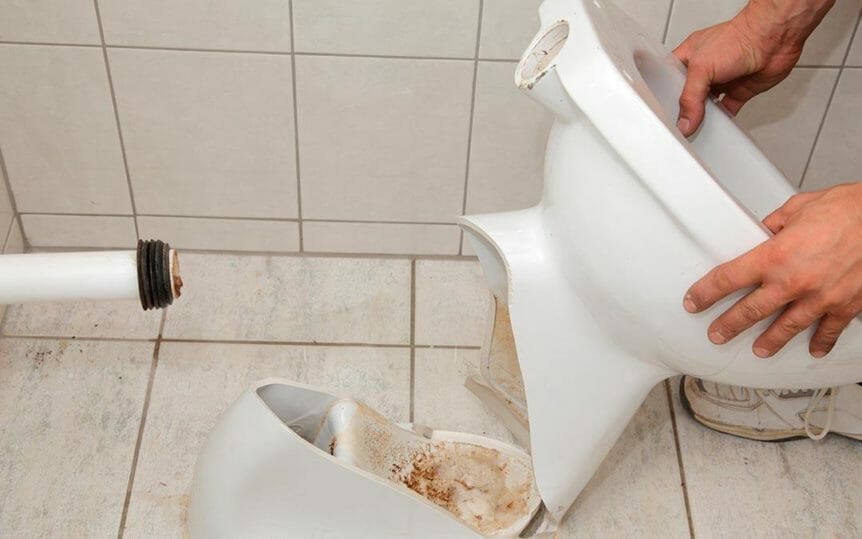
A cracked toilet bowl or tank is more than just an unsightly plumbing issue; it’s a potential disaster waiting to happen. What might start as a hairline fracture can quickly escalate into a significant leak, leading to water damage, mold growth, and expensive repairs. Ignoring a crack in your toilet is a gamble with your home’s integrity, and understanding the causes, risks, and solutions is crucial for any homeowner. From the moment you notice that first tell-tale line, a series of questions arise: How did it happen? How serious is it? And most importantly, what can be done to fix it before it causes more damage?
This comprehensive guide will walk you through everything you need to know about dealing with a cracked toilet. We’ll explore the common reasons behind these fissures, the immediate dangers they pose, and the various repair and replacement options available. Whether you’re a DIY enthusiast or prefer to call a professional, this article aims to equip you with the knowledge to make informed decisions and protect your home from the consequences of a compromised toilet.
Key Takeaways
- Cracks are serious: A cracked toilet bowl or tank is not a cosmetic issue and can lead to leaks, water damage, and unsanitary conditions.
- Causes vary: Cracks can result from impact, overtightening bolts, extreme temperature changes, or manufacturing defects.
- Immediate action is vital: Even small cracks can worsen over time, so prompt assessment and repair are necessary.
- Repair vs. Replace: Minor cracks might be temporarily patched, but replacement is often the safest and most durable long-term solution.
- Professional help: For significant cracks or if you’re unsure, consulting a qualified plumber is highly recommended.
- Prevention is key: Handle your toilet with care, avoid harsh cleaning chemicals, and ensure proper installation to minimize crack risks.
Credit: www.johnmooreservices.com
Understanding Toilet Cracks: What You Need To Know
The porcelain of a toilet, while durable, is not indestructible. Cracks can appear in various locations, most commonly in the toilet bowl or the toilet tank. Each location presents its own set of challenges and potential consequences. Understanding the nature of these cracks is the first step toward an effective resolution.
Where Cracks Typically Occur
- Toilet Bowl: Cracks in the bowl are often the most concerning because they are directly exposed to water and waste. These can appear on the exterior surface, the interior trapway, or even near the base where the toilet meets the floor. A crack in the bowl can lead to slow leaks that might go unnoticed initially but can cause significant damage to subflooring and the area around the toilet base.
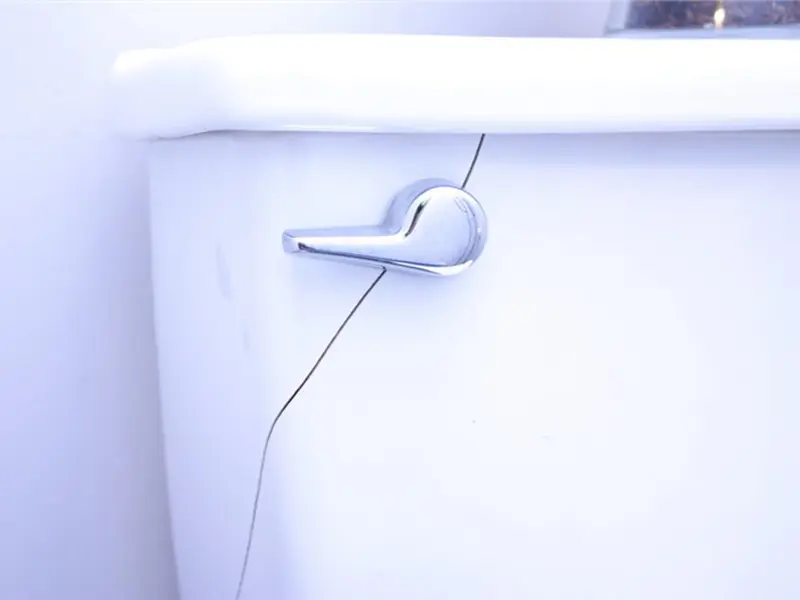
- Toilet Tank: Cracks in the tank are also problematic, as the tank holds a significant amount of water. A fractured tank can leak water into the bowl constantly, or worse, onto the floor. These cracks can occur along the seams, near the bolt holes where the tank attaches to the bowl, or on the sides and back of the tank.
- Connecting Areas: Sometimes, the issue isn’t a direct crack in the bowl or tank but in the ceramic around the bolts that secure the tank to the bowl. These can be particularly tricky as they might appear to be minor, but if they compromise the seal, leaks can occur.
The Science Behind Porcelain Fractures
Porcelain is a ceramic material made from clay fired at very high temperatures. It’s known for its strength, durability, and non-porous surface, making it ideal for toilets. However, like all ceramics, it has limitations.
- Brittleness: Porcelain is strong under compression but can be brittle and susceptible to fracture from impact or sudden stress.
- Thermal Shock: Rapid and extreme temperature changes can cause porcelain to expand and contract unevenly, leading to stress fractures. This can happen if very hot water is poured into a cold toilet bowl, for instance.
- Stress Concentration: Even a tiny imperfection in the porcelain or a minor impact can create a stress concentration point. Over time, repeated use and water pressure can cause this stress to propagate, turning a small flaw into a visible crack.
Common Causes Of Toilet Cracks
Identifying the root cause of a toilet crack is essential for both repair and prevention. Most cracks aren’t spontaneous; they are the result of specific events or conditions.
Impact And Physical Damage
This is perhaps the most straightforward cause. Dropping heavy objects inside the toilet bowl or tank, or even a hard knock against the exterior, can create enough force to fracture the porcelain.
- Dropping Items: Tools, cleaning supplies, or other heavy objects accidentally falling into the bowl can cause chips or cracks, especially near the rim or the bottom.
- Improper Handling During Installation/Repair: If a toilet is not handled carefully during installation or when parts are being replaced (like the tank bolts), it can be dropped or struck, leading to cracks.
- Settling Foundations: In older homes, shifting foundations can put uneven pressure on the toilet base, leading to stress fractures over time.
Overtightening And Installation Errors
Improper installation is a leading cause of toilet cracks, particularly around the areas where components are bolted together.
- Tank-to-Bowl Bolts: The bolts that secure the toilet tank to the bowl are often overtightened. This puts immense pressure on the porcelain flanges of both the tank and the bowl, leading to cracks, especially at the bolt holes. Plumbers often emphasize a “snug, not excessively tight” approach.
- Floor Bolts: While less common for cracking the bowl itself, overtightening the floor bolts can also put stress on the base of the toilet if the floor isn’t perfectly level.
- Improper Seating: If the toilet isn’t properly seated on the flange or if the wax ring is uneven, it can lead to rocking and stress on the porcelain.
Manufacturing Defects And Age
While less frequent, manufacturing flaws can sometimes lead to a toilet cracking prematurely. Additionally, the age of the toilet can play a role.
- Internal Flaws: Sometimes, microscopic voids or inconsistencies in the porcelain during manufacturing can create weak points that eventually fail under normal use.
- Material Fatigue: Over many years, the constant stress of water pressure, temperature fluctuations, and use can lead to material fatigue, making the porcelain more susceptible to cracking. Older toilets may simply reach the end of their service life.
Extreme Temperature Fluctuations (thermal Shock)
Porcelain expands and contracts with temperature changes. Rapid or extreme shifts can create internal stresses that result in cracks.
- Hot Water Exposure: Pouring very hot water into a cold toilet bowl is a common culprit for thermal shock. This is sometimes done to try and clear clogs, but it poses a significant risk to the porcelain.
- Freezing Temperatures: In unheated spaces, if a toilet bowl or tank fills with water and then freezes, the expanding ice can exert enough force to crack the porcelain.

Credit: www.reddit.com
The Dangers Of A Cracked Toilet
A cracked toilet is not merely an aesthetic problem; it poses several serious risks to your home and health. Addressing it promptly is crucial to mitigate these dangers.
Water Damage And Mold Growth
The most immediate threat is leakage. Even a small crack can allow water to seep out, leading to:
- Floor Damage: Water seeping around the base of the toilet can saturate subflooring, leading to rot, warping, and structural weakening. This is particularly problematic with wooden subfloors.
- Ceiling Damage: If the toilet is on an upper floor, leaks can drip through the ceiling below, causing water stains, paint damage, and potential structural issues in the ceiling joists.
- Mold and Mildew: Persistent moisture in hidden areas like under the toilet, within subflooring, or behind walls creates an ideal environment for mold and mildew growth. This not only causes unpleasant odors but also poses significant health risks, especially for individuals with respiratory issues or allergies. The U.S. Environmental Protection Agency (EPA) notes that mold can spread rapidly and may trigger a range of health problems.
Unsightly Leaks And Odors
Beyond structural damage, visible leaks are unpleasant and can create persistent odors.
- Constant Dripping: A cracked tank might constantly drip water into the bowl, creating an annoying sound and wasting water.
- Seepage: Cracks in the bowl can allow wastewater to seep out, creating a very unpleasant and unsanitary situation. This can also lead to persistent unpleasant odors that are difficult to eliminate.
Compromised Flushing Performance
Cracks, especially those affecting the internal trapway or the seal between the tank and bowl, can interfere with the toilet’s flushing mechanism.
- Weak Flushes: If water is leaking out of the tank faster than it should, the tank may not fill to its optimal level, resulting in weak flushes that don’t clear the bowl effectively.
- Inconsistent Performance: Leaks can disrupt the siphonic action or flush valve operation, leading to inconsistent and unreliable flushing.
Potential For Catastrophic Failure
While less common, a severe crack, particularly one that extends deep into the porcelain or affects structural integrity, could potentially lead to a complete failure. Imagine the entire tank or bowl fracturing, releasing a large volume of water suddenly, causing significant and immediate flooding.
Credit: vitoservices.com
Assessing The Severity Of The Crack
When you discover a crack, the first step is to assess its severity. This will help you determine whether a temporary fix is possible or if immediate replacement is necessary.
Types Of Cracks And Their Implications
- Hairline Cracks: These are very fine lines, often difficult to see. While they might seem minor, they can propagate over time. Their severity depends on their location and depth. A hairline crack on the exterior of the tank might be less immediately critical than one on the interior of the bowl.
- Surface Cracks: These are more visible but may not go very deep. They can still compromise the integrity of the porcelain and lead to leaks.
- Deep Cracks: Cracks that are deep, wide, or appear to go through the porcelain are the most serious. These often indicate significant stress and a high likelihood of leakage.
- Cracks Near Bolt Holes: As mentioned, cracks around the bolts holding the tank to the bowl are particularly concerning because they can compromise the seal and lead to leaks between the tank and bowl.
The Water Test
A simple yet effective way to check for leaks is the “water test. “
- Dry the Exterior: Thoroughly dry the outside of the toilet bowl and tank with a towel.
- Add Dye (Optional but Recommended): Add a few drops of food coloring or a dye tablet to the toilet tank water.
- Wait and Observe: Do not flush the toilet. Wait for 15-30 minutes (or longer for very slow leaks).
- Check for Leaks:
- Tank: Look for any signs of water seeping from the tank onto the floor or for colored water appearing on the exterior of the tank.
- Bowl: Check the outside of the bowl for dampness or water pooling around the base. If the dye appears in the toilet bowl without flushing, it indicates a crack in the tank that is allowing water to leak through.
When To Call A Professional Immediately
- If you see water actively leaking from the crack.
- If the crack is large, deep, or appears to compromise the structural integrity of the toilet.
- If the dye test reveals a leak from the tank into the bowl or from the bowl onto the floor.
- If you are uncomfortable assessing the damage or performing any repairs yourself.
Repairing A Cracked Toilet: Options And Limitations
The decision to repair or replace a cracked toilet depends heavily on the type, location, and severity of the crack, as well as your budget and desired longevity of the fix.
Temporary Fixes: Epoxy And Sealants
For very minor, non-structural, external cracks, especially on the tank (if not leaking significantly), a porcelain repair epoxy or a specialized waterproof sealant might offer a temporary solution.
- How it Works: These products are designed to bond to ceramic surfaces. They are typically mixed and applied to the cleaned and dried crack. Once cured, they can create a waterproof barrier.
- Limitations:
- Temporary: These are almost always temporary fixes. The stress on the porcelain, combined with water pressure and temperature changes, can cause the repair to fail over time.
- Not for Structural Cracks: They are unsuitable for deep cracks, cracks in the bowl that hold water, or cracks that compromise the toilet’s structural integrity.
- Aesthetic Issues: The repair may be visible and may not match the original porcelain finish.
- Not Recommended for Tank-to-Bowl Seals: Any crack affecting the seal between the tank and bowl requires a proper gasket replacement, not an epoxy.
Pro Tip: Always follow the manufacturer’s instructions precisely when using epoxy or sealants. Ensure the area is completely clean, dry, and free of any contaminants for the best (though still temporary) adhesion.
Replacing Gaskets And Seals
Sometimes, what appears to be a crack is actually a failing gasket or seal, particularly between the tank and the bowl.
- Tank-to-Bowl Gasket: This large rubber gasket creates a seal between the bottom of the tank and the top of the bowl. If it hardens, cracks, or becomes dislodged, water will leak from the tank into the bowl.
- Flush Valve Seal: The seal at the bottom of the flush valve can also deteriorate, causing a slow leak into the bowl.
Replacing these components is a common plumbing task and can often resolve leaks that might be mistaken for cracks. This is a more reliable fix than epoxy for issues at these connection points.
When Replacement Is The Only Viable Option
In most cases involving cracked toilets, replacement is the most reliable, safe, and long-term solution. This is particularly true if:
- The crack is in the toilet bowl.
- The crack is deep, wide, or compromises structural integrity.
- The crack is causing active leaks.
- The crack is near the bolt holes connecting the tank and bowl.
- Temporary fixes have failed.
- You want peace of mind that the problem won’t recur soon.
A new toilet ensures a watertight seal, proper flushing performance, and eliminates the risk of sudden failure or water damage. While it involves a higher upfront cost than a temporary repair, it prevents potentially much larger expenses down the line.
The Replacement Process: A Step-by-step Guide
Replacing a toilet is a manageable DIY project for many homeowners, but if you’re not comfortable with plumbing, hiring a professional is a wise investment.
Step 1: Gather Your Supplies
- New Toilet: Choose a toilet that fits your space, budget, and needs (e.g., dual-flush, comfort height).
- New Wax Ring: Essential for creating a seal between the toilet and the drainpipe flange. Consider a wax-free seal for easier installation and better performance in some cases.
- New Tank-to-Bowl Gasket and Bolts (if applicable): Often included with a new toilet, but check.
- New Supply Line: It’s good practice to replace the flexible water supply line when replacing the toilet.
- Tools: Adjustable wrench, putty knife or scraper, old towels, bucket, level, screwdriver, possibly a hacksaw (if old bolts are stubborn).
- Safety Gear: Gloves and eye protection.
Step 2: Turn Off Water And Drain The Toilet
- Locate the shut-off valve behind the toilet (usually on the left). Turn it clockwise to shut off the water supply.
- Flush the toilet to drain most of the water from the tank.
- Use a sponge or towel to soak up any remaining water in the tank and bowl. You can also use a wet/dry vacuum.
Step 3: Disconnect Water Supply And Remove The Tank
- Use an adjustable wrench to disconnect the water supply line from the bottom of the tank. Have a bucket or towels ready for residual water.
- Remove the nuts on the bolts connecting the tank to the bowl.
- Lift the tank straight up and off the bowl. Set it aside.
Step 4: Remove The Old Toilet
- Remove the decorative caps (if any) covering the bolts at the base of the toilet.
- Unscrew the nuts from the floor bolts.
- Gently rock the toilet to break the wax seal.
- Lift the toilet straight up and away from the floor. Be prepared for some residual water.
- Immediately cover the exposed drainpipe with a rag or old towel to prevent sewer gases from entering your home and to avoid dropping anything down the drain.
Step 5: Clean The Flange And Floor Area
- Use a putty knife or scraper to remove the old wax ring from the floor flange.
- Clean the floor around the flange thoroughly.
- Inspect the floor flange for any damage. If it’s cracked or broken, it will need to be repaired or replaced before installing the new toilet.
Step 6: Install The New Toilet
- Place the new wax ring onto the floor flange (or follow the manufacturer’s instructions for wax-free seals). Ensure it’s centered.
- Carefully position the new toilet over the flange, aligning the bolt holes.
- Gently press the toilet down to set the wax ring. Ensure the toilet is level.
- Install the new floor bolts and secure them with nuts. Do not overtighten. Tighten them incrementally and alternately until the toilet is stable and doesn’t rock. Use a level to ensure it’s straight.
- Reassemble the tank onto the bowl, ensuring the new gasket is properly seated. Tighten the tank-to-bowl bolts evenly and snugly.
- Reconnect the new water supply line.
Step 7: Turn Water On And Test
- Slowly turn the shut-off valve counter-clockwise to restore water supply.
- Check all connections for leaks.
- Once the tank fills, flush the toilet several times. Check again for leaks at the base, around the tank bolts, and at the supply line connection.
Preventing Future Toilet Cracks
While not all cracks can be prevented (especially manufacturing defects), several practices can significantly reduce the risk.
Handle With Care
- Avoid Dropping Items: Be mindful of what you place in or near the toilet. Avoid using the bowl as a temporary shelf for heavy objects.
- Gentle Cleaning: Use appropriate toilet brushes and avoid abrasive materials that could scratch the porcelain, creating weak points.
Proper Installation And Maintenance
- Professional Installation: For initial installation or when replacing parts, consider hiring a qualified plumber to ensure everything is installed correctly and without overtightening.
- Regular Checks: Periodically check the tank-to-bowl bolts and floor bolts to ensure they are snug but not overly tight.
- Avoid Harsh Chemicals: Some harsh chemical drain cleaners can potentially weaken porcelain over long-term exposure, though this is less common than other causes.
Temperature Considerations
- Avoid Thermal Shock: Never pour very hot water into a cold toilet bowl. If you need to clear a clog, use a plunger or a toilet auger first.
- Winterization: In areas prone to freezing, ensure toilets in unheated spaces are properly winterized by draining them or using RV antifreeze.
Frequently Asked Questions
How Long Does A Cracked Toilet Last?
The lifespan of a cracked toilet is unpredictable. A tiny hairline crack might last for years without issue, or it could suddenly worsen and cause a leak. A deeper or more significant crack is likely to fail much sooner, potentially within days, weeks, or months.
It’s generally not advisable to rely on a cracked toilet for an extended period, as the risk of leakage and water damage is always present.
Can A Cracked Toilet Bowl Be Repaired Permanently?
Permanent repair of a cracked toilet bowl is extremely difficult and generally not recommended. While epoxy or sealant can offer a temporary patch for minor external cracks, they are unlikely to withstand the constant water pressure and stress within the bowl or tank long-term.
For any crack that affects the water-holding capacity of the bowl or tank, replacement is the most reliable and safe solution.
Is It Safe To Use A Toilet With A Cracked Tank?
Using a toilet with a cracked tank is risky. Even if you don’t see immediate leaks, the crack can worsen, leading to water damage. The tank holds a significant volume of water, and a sudden failure could cause substantial flooding.
It’s best to address a cracked tank immediately, either by attempting a very temporary, non-structural fix (if appropriate and not leaking) or, more ideally, by replacing the tank or the entire toilet.
What Happens If I Ignore A Cracked Toilet?
Ignoring a cracked toilet can lead to several serious problems. At a minimum, you risk water waste and potential unsightly leaks. More significantly, persistent leaks can cause water damage to your subflooring, walls, and ceilings, leading to costly repairs. It also creates an environment conducive to mold and mildew growth, which poses health risks. In the worst-case scenario, a severe crack could lead to a catastrophic failure, releasing a large volume of water and causing extensive flooding.
How Much Does It Cost To Replace A Cracked Toilet?
The cost to replace a cracked toilet can vary. The toilet itself can range from $100 for a basic model to $500 or more for high-efficiency or designer options. If you hire a plumber, expect labor costs to add anywhere from $150 to $400, depending on your location and the complexity of the job.
DIY replacement is significantly cheaper, with costs primarily limited to the new toilet, wax ring, and supply line, likely totaling $150-$300 for materials.