
When it comes to plumbing your home, choosing the right materials can save you time, money, and headaches. If you’ve heard about PEX piping, you might be wondering which type is best for your needs: PEX A or PEX B.
Both have their own strengths, but understanding the difference can help you make a smarter decision for your plumbing system. You’ll discover the key features, benefits, and drawbacks of PEX A and PEX B so you can pick the perfect option with confidence.
Keep reading to find out which one fits your project and budget better.

Credit: replumbs.com
What Is Pex Pipe
PEX pipe is a popular choice for plumbing and heating systems. It stands for cross-linked polyethylene. This pipe type is flexible, durable, and resistant to many chemicals. It can handle both hot and cold water, making it very versatile.
PEX pipes come in several types, with PEX A and PEX B being the most common. Understanding the basics of PEX pipe helps in choosing the right one for your needs.
What Is Pex Pipe Made Of?
PEX pipe is made from polyethylene plastic. It undergoes a process called cross-linking. This process strengthens the pipe and improves its heat resistance.
Why Use Pex Pipe?
PEX pipe is flexible, which makes installation easier. It bends around corners without needing many fittings. It resists corrosion and scale buildup. It also handles temperature changes well.
Where Is Pex Pipe Used?
PEX pipe is used in residential and commercial plumbing. It carries hot and cold water. It is also popular in radiant heating systems and snow melting systems.
Key Differences Between Pex A And Pex B
PEX piping is popular in plumbing and heating systems. PEX A and PEX B are two common types. Both have strengths and weaknesses. Understanding their key differences helps you pick the right one for your project.
Manufacturing Processes
PEX A is made using the Engel method. This process cross-links the plastic before it cools. It creates a more uniform structure. PEX B uses the Silane method. Cross-linking happens after the pipe forms. This results in a different molecular structure.
Flexibility And Durability
PEX A is more flexible and easier to bend. It can handle tight curves without damage. PEX B is stiffer and less flexible. It works well in straight runs but bends less easily. PEX A also recovers better from crushing or impact.
Resistance To Kinking
PEX A resists kinking better than PEX B. If it does kink, it can often be fixed by heating. PEX B is more likely to kink permanently. This makes PEX A a better choice for complex installations.
Chemical Resistance
Both types resist common chemicals found in homes. PEX B has slightly better resistance to chlorine. PEX A may degrade faster if exposed to harsh chemicals. Knowing the environment helps decide which type to use.
Performance In Plumbing Applications
Performance in plumbing applications depends on the type of PEX tubing used. PEX A and PEX B each offer unique strengths. Understanding these helps in choosing the right tubing for specific plumbing needs. Below, key performance factors are compared to guide your choice.
Hot And Cold Water Usage
PEX A tubing handles hot water better due to its flexibility. It resists kinking and cracking under heat stress. PEX B works well for cold water but is less flexible with hot water. Both types are safe for drinking water and comply with plumbing codes.
Pressure Ratings
PEX A typically has higher pressure ratings at elevated temperatures. It maintains strength under heat and pressure for long periods. PEX B has good pressure resistance but slightly lower than PEX A at high temperatures. Both meet industry standards for residential plumbing.
Expansion Capabilities
PEX A expands more than PEX B, making it easier to install around corners. This reduces the chance of damage during fitting. PEX B is stiffer and less forgiving, requiring careful handling. Expansion also affects how the tubing returns to its shape after bending.
Credit: www.youtube.com
Installation Considerations
Choosing between Pex A and Pex B involves several installation factors. These factors affect how easily the pipes fit and work with tools and fittings. Understanding these helps ensure smooth installation and long-lasting plumbing.
Ease Of Handling
Pex A is softer and more flexible. It bends easily around corners without kinking. This flexibility makes it easier to install in tight spaces.
Pex B is stiffer and less flexible. It may require more effort to bend and fit into place. It is less forgiving in tricky areas.
Compatibility With Fittings
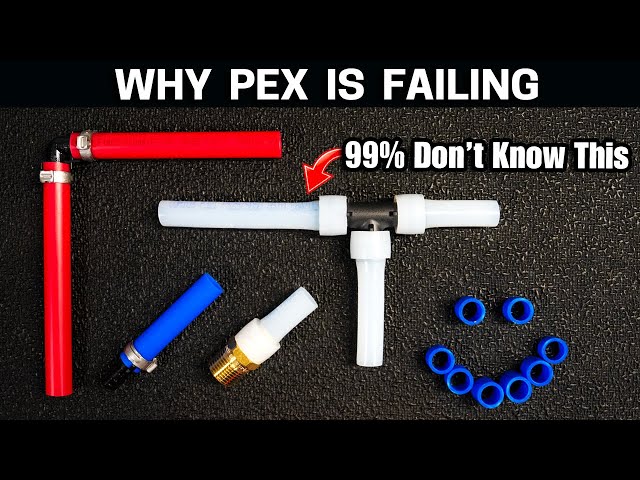
Pex A works well with expansion fittings. These fittings expand the pipe before inserting a ring. This method creates a tight seal without crimping.
Pex B usually uses crimp or clamp fittings. These fittings compress the pipe onto the fitting with a tool. It needs careful installation to avoid leaks.
Tools Required
Pex A requires an expansion tool for fitting installation. These tools open the pipe before securing the fitting. They can be more expensive but offer strong connections.
Pex B needs crimp or clamp tools. These tools press rings around the pipe and fitting. They are often simpler and cost less than expansion tools.
Cost Comparison
Comparing the cost of PEX A and PEX B helps decide the best option for plumbing. Cost plays a big role in choosing the right material. Understanding price differences lets you plan your budget better.
Pex A Cost Overview
PEX A is usually more expensive than PEX B. Its flexible nature adds to manufacturing costs. This makes PEX A a bit pricier at the store. The higher price can mean better performance and durability.
Pex B Cost Overview
PEX B costs less than PEX A. It is less flexible but still strong. The simpler production process lowers the price. PEX B is a budget-friendly choice for many projects.
Installation Cost Differences
PEX A’s flexibility can reduce installation time. Faster work may lower labor costs. PEX B may take longer to install. This could increase overall installation expenses.
Long-term Cost Considerations
PEX A may last longer under stress. Fewer repairs can save money over time. PEX B might need more maintenance. This can add to total costs in the long run.

Credit: willplumb.com
Common Uses For Pex A And Pex B
PEX A and PEX B are popular types of cross-linked polyethylene tubing. Both have strong uses in plumbing and heating. Choosing the right type depends on the job. Below are common uses for each.
Residential Plumbing
PEX A is flexible and easy to bend. This makes it ideal for tight spaces in homes. It resists kinking and recovers quickly if bent wrong. PEX B is also strong but less flexible. It suits straight runs and areas with less bending. Both types carry hot and cold water safely.
Radiant Heating Systems
PEX A is preferred for radiant heating. It can handle high temperatures and pressure well. Its flexibility helps with installation under floors. PEX B can be used but is less common. It is still durable for heating pipes in some cases.
Commercial Applications
PEX B often serves in commercial buildings. It offers good strength for larger systems. It works well with mechanical fittings used in big projects. PEX A can also be used but costs more. Both types meet building codes for plumbing and heating.
Longevity And Warranty
Longevity and warranty are key factors when choosing between Pex A and Pex B pipes. These aspects affect how long the pipes will last and the protection you get from the manufacturer. Understanding these differences helps make a smart choice for your plumbing needs.
Longevity Of Pex A Pipes
Pex A pipes use a special process that makes them very flexible. This flexibility helps reduce cracks and breaks over time. Pex A is known to last about 50 years under normal use. It handles high temperatures and pressure well, which adds to its long life.
Longevity Of Pex B Pipes
Pex B pipes are less flexible than Pex A but still strong. They can last around 40 to 50 years depending on use. Pex B is more resistant to chlorine and chemicals in water. This makes it a good option for some water systems.
Warranty Comparison
Both Pex A and Pex B pipes usually come with warranties from 10 to 25 years. The exact length depends on the brand and supplier. Warranties cover defects and problems caused by normal use. Check the warranty details carefully before buying.
Environmental Impact And Safety
The environmental impact and safety of PEX A and PEX B pipes matter a lot for homes and buildings. These pipes carry water and need to be safe for people and the planet. Understanding their material makeup, how they can be recycled, and health effects helps make better choices.
Material Composition
PEX A and PEX B pipes use different methods to link their molecules. PEX A uses the peroxide method, making it more flexible. PEX B uses the silane method, which creates a tougher pipe. Both pipes are made from polyethylene, a plastic that is strong and light.
The difference in how the pipes are made changes their durability and resistance. PEX A has a higher cross-linking rate, which can affect how long it lasts. PEX B is less flexible but still strong enough for most uses. These differences also influence their impact on the environment during production.
Recyclability
Both PEX A and PEX B pipes face challenges in recycling. The cross-linking process makes them hard to melt and reshape. This means they cannot be recycled like regular plastics. Usually, old PEX pipes end up in landfills or are burned.
Some companies are working on ways to recycle these pipes or reuse the material. The goal is to reduce waste and lower pollution. Choosing pipes that last longer can also reduce environmental harm by cutting down on replacements.
Health Considerations
PEX pipes must be safe for drinking water. Both PEX A and PEX B meet strict safety rules for water contact. They do not release harmful chemicals into the water under normal use.
Some tests show PEX A may release slightly more substances when new. These are still within safe limits. Proper installation and flushing before use help reduce any risks. Both types are good choices for health safety in homes.
Choosing The Right Pex Pipe For Your Project
Choosing the right PEX pipe affects your project’s success. PEX A and PEX B have different features. Understanding these differences helps you pick the best option. Consider your project needs, budget, and local rules before buying.
Project Requirements
Think about the type of plumbing system you need. PEX A is more flexible and easier to bend. It works well for tight spaces and complex layouts. PEX B is stiffer but has higher resistance to chlorine. Choose the pipe that fits your installation style.
Budget Constraints
PEX B usually costs less than PEX A. If you have a tight budget, PEX B may be better. But remember, PEX A may save money on labor because it is easier to install. Balance the price of the pipe and the installation cost.
Local Building Codes
Check your local building codes before buying. Some areas require specific types of PEX pipe. Your inspector might favor one type over the other. Following these rules avoids delays and fines during installation.
Frequently Asked Questions
What Are The Main Differences Between Pex A And Pex B?
PEX A is more flexible and expands better than PEX B. PEX B is stiffer but has higher chlorine resistance. Both work well for plumbing and heating.
Which Type Is Better For Hot Water Systems, Pex A Or B?
PEX A handles hot water well due to its flexibility and expansion. PEX B is also good but less flexible. Both types meet hot water standards.
How Does Cost Compare Between Pex A And Pex B?
PEX B is usually cheaper than PEX A. The difference comes from the manufacturing process and material flexibility. Budget often guides the choice.
Can I Use Pex A Or Pex B For Radiant Floor Heating?
Both PEX A and PEX B can be used in radiant floor heating. PEX A’s flexibility helps with installation around curves. PEX B is more rigid but still effective.
What Is The Lifespan Difference Between Pex A And Pex B Pipes?
Both types last about 25 to 50 years under normal conditions. PEX A may resist cracking better due to its cross-linking method. Proper installation is key for long life.
Are Pex A And Pex B Safe For Drinking Water?
Yes, both PEX A and PEX B are safe for potable water. They meet strict health and safety standards. Make sure to buy certified products.
How Do Installation Methods Differ For Pex A Versus Pex B?
PEX A uses expansion fittings, making connections easier and stronger. PEX B often uses crimp or clamp fittings. The choice affects tools and installation time.
Conclusion
Choosing between PEX A and PEX B depends on your needs. PEX A offers flexibility and easier installation. PEX B tends to be stiffer but more affordable. Both types resist corrosion and handle pressure well. Think about your project’s demands and budget.
Either option can work well for plumbing tasks. Study the differences carefully before deciding. This will help you pick the right pipe for your home. Simple and clear choices lead to better results.