
When it comes to choosing between a Long Sweep 90 and a Short Sweep, you might feel stuck wondering which one suits your needs better. These terms may sound technical, but understanding the difference can save you time, money, and frustration.
Whether you’re working on a project or just curious, knowing how each sweep affects your work will give you the edge you need. Keep reading, and you’ll discover which option fits your situation perfectly—and why it matters more than you think.
Long Sweep 90 Basics
The Long Sweep 90 is a type of pipe fitting that changes the direction of flow by 90 degrees. It is used in plumbing and HVAC systems. This fitting has a gentle curve, making the flow smoother compared to sharp turns. Understanding its basics helps in choosing the right fitting for projects.
Long Sweep 90s reduce pressure loss and minimize turbulence. They come in various materials like steel, copper, and PVC. These fittings are essential for maintaining efficient fluid or air flow.
Design And Structure
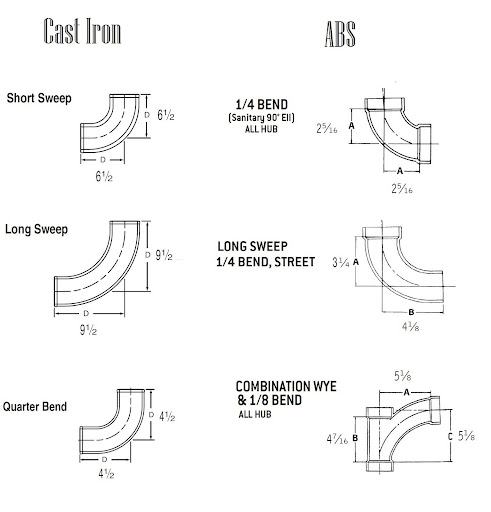
The Long Sweep 90 has a wide, curved bend. The curve radius is longer than in a short sweep or standard 90. This design creates a smooth path for liquids or gases. It reduces stress on the pipes and decreases flow resistance. The fitting usually has a consistent diameter throughout the bend. This helps maintain the flow rate and pressure.
Common Applications
Long Sweep 90s are common in HVAC systems and drainage lines. They help in directing airflow or wastewater gently. These fittings are used where smooth flow is needed. This includes air ducts in buildings and sewage systems. They prevent clogs and reduce noise caused by turbulence. Long Sweep 90s are also found in industrial piping systems.
Advantages
Long Sweep 90s offer less resistance to flow than sharp bends. This means lower pressure drops in the system. They reduce wear and tear on pipes and fittings. The smooth curve limits turbulence and noise. These fittings are easier to clean and maintain. They improve system efficiency and extend the lifespan of piping networks.
Short Sweep Features
Short sweeps have distinct features that set them apart from long sweeps. They are compact and efficient, making them ideal for certain pipework needs. Understanding these features helps in selecting the right sweep for your project.
Design And Structure
Short sweeps have a tight bend, usually around 45 degrees or less. They are designed with a smaller radius than long sweeps. This compact shape saves space and fits in tight areas. They are made of durable materials like steel or PVC. The structure supports smooth flow but with a sharper turn.
Common Applications
Short sweeps work well in confined spaces. They are common in residential plumbing and HVAC systems. They help connect pipes where space is limited. Short sweeps are often used in drainage and vent systems. They provide quick direction changes without much pipe length.
Advantages
Short sweeps save space and reduce material costs. They are easier to install in crowded areas. Their compact design limits pressure loss in fluid flow. Short sweeps are less expensive than long sweeps. They offer a practical solution for tight pipe routing.
Material And Build Quality
Material and build quality play a key role in choosing between Long Sweep 90 and Short Sweep models. These factors affect how well the product performs and lasts. Understanding the material types and what makes them durable helps you pick the best option.
Material Types
Long Sweep 90 and Short Sweep often use different materials. Common types include stainless steel, aluminum, and plastic. Stainless steel offers strength and resists rust. Aluminum is lightweight but less strong. Plastic is light and cheap but less durable. The choice of material affects the weight and lifespan.
Durability Factors
Durability depends on material quality and how the parts fit. Welds and joints should be tight and smooth. Coatings can protect metal from corrosion and wear. Long Sweep 90 models tend to use thicker metals for strength. Short Sweep often focuses on lighter builds. Good build quality means less chance of breakage or damage over time.

Credit: www.youtube.com
Installation Differences
Installing a Long Sweep 90 versus a Short Sweep involves different steps and challenges. These differences affect both the time needed and the tools required. Understanding these can help you choose the right option for your project and skill level.
Each type has unique space needs and ease of fitting into your piping system. This section breaks down these key installation differences for better clarity.
Ease Of Installation
Short Sweep 90s are simpler to install due to their compact design. They fit quickly into tight spaces without much adjustment. Long Sweep 90s need more care and time because of their larger curve radius. This makes aligning pipes a bit tricky. Less bending and cutting are needed with short sweeps, making them beginner-friendly.
Space Requirements
Long Sweep 90s require more space because of their gentle curve. They work best in open areas where pipe runs have room to bend smoothly. Short Sweep 90s take up less space and fit well in cramped spots. Choosing the right sweep depends on the room available and pipe layout. Space constraints often dictate which sweep type is suitable.
Flow Efficiency
Flow efficiency is key in pipe system design. It affects how smoothly fluids move through bends and joints. Choosing between a long sweep 90 and a short sweep can change flow behavior. Understanding these differences helps reduce energy loss and improve system performance.
Impact On Fluid Dynamics
Long sweep 90s have a gentle curve. This design allows fluids to change direction smoothly. It reduces turbulence inside the pipe. Less turbulence means the fluid flows steadily and with less resistance.
Short sweep 90s have a sharper bend. The sudden change causes more turbulence. Fluid particles hit the bend harder, creating swirls and eddies. This turbulence slows down the flow and can cause wear over time.
Pressure Drop Considerations
Long sweep 90s cause lower pressure drops. The smooth curve helps maintain fluid speed and pressure. Pumps and other equipment work more efficiently with less strain.
Short sweep 90s create higher pressure drops. The sharp turn forces fluid to lose energy. Systems using short sweeps need stronger pumps to keep flow steady. This leads to higher energy costs and potential maintenance issues.
Cost Comparison
Comparing the costs of Long Sweep 90 and Short Sweep helps in choosing the right option. Costs vary depending on the type of sweep and project needs. Understanding both initial and long-term expenses gives a clearer financial picture.
Initial Costs
Long Sweep 90 usually costs more upfront due to its size and material use. It requires more space and careful installation. Short Sweep tends to have lower initial costs. It uses less material and is easier to fit in tight spaces. The choice affects your initial budget significantly.
Long-term Expenses
Long Sweep 90 often lowers long-term expenses. It reduces wear and tear on equipment by allowing smoother airflow. This means fewer repairs and replacements. Short Sweep may increase maintenance costs due to sharper turns and more pressure loss. It can cause faster damage to parts. Choosing the right sweep affects your future spending on upkeep and efficiency.
Maintenance And Longevity
Maintenance and longevity are key factors when choosing between a Long Sweep 90 and a Short Sweep. Proper care keeps them working smoothly for years. Knowing how to clean and maintain each type can save money and effort. Longevity depends on use, materials, and upkeep.
Cleaning And Upkeep
Regular cleaning prevents buildup and damage. Use a soft cloth and mild cleaner. Avoid harsh chemicals that can wear down the finish. Check moving parts and joints for dust and dirt. Lubricate these areas lightly to keep motion smooth. Inspect screws and fasteners to ensure they stay tight. A clean device lasts longer and works better.
Expected Lifespan
The Long Sweep 90 often lasts longer due to fewer moving parts. Its design reduces wear over time. Short Sweep models may show wear faster because of their compact build. Both types can last many years with proper care. Choosing quality materials also extends lifespan. Regular maintenance directly impacts how long these devices function well.
Credit: terrylove.com
Choosing The Right Sweep
Choosing the right sweep is key to a smooth and efficient piping system. Sweeps help change the direction of pipes with minimal pressure loss. The choice between a long sweep 90 and a short sweep depends on several factors. These factors affect the flow, space, and cost of your project. Understanding these will help you pick the best option.
Project Requirements
Every project has unique needs. Long sweep 90s create a gentle bend, which reduces pressure drop. This is ideal for systems where fluid flow must stay steady. Short sweep bends take less space but cause more flow resistance. They suit projects with tight spaces and less concern for flow efficiency. Consider pipe size and flow speed before deciding.
Environmental Factors
Space availability influences the sweep choice heavily. Long sweeps need more room to fit properly. Short sweeps work well in cramped areas. Temperature and pipe material also matter. Some materials handle sharp bends better than others. Think about where the pipes will be placed and how much room exists.
Budget Constraints
Cost often guides the choice between long and short sweeps. Long sweep 90s typically cost more due to more material use. Short sweeps are cheaper and easier to install. But higher energy costs may occur due to greater flow resistance. Balance initial costs with long-term savings for the best decision.

Credit: up.codes
Frequently Asked Questions
What Is The Main Difference Between Long Sweep And Short Sweep?
Long sweep covers a larger area with slower, wider movements. Short sweep focuses on a smaller area with quicker, shorter movements.
Which Sweep Is Better For Wide Spaces?
Long sweep works best for wide spaces because it covers more area efficiently. It saves time on large surfaces.
Is Short Sweep More Effective For Detailed Cleaning?
Yes, short sweep is better for tight or detailed areas. It allows for more control and precision.
Can Long Sweep Cause Fatigue Faster Than Short Sweep?
Long sweep may cause more fatigue due to larger arm movements. Short sweep uses less energy and feels easier.
Which Sweep Technique Is Best For Beginners?
Short sweep is easier for beginners to learn and control. Long sweep needs more practice and strength.
How Does Sweep Length Affect Cleaning Speed?
Long sweep speeds up cleaning by covering more ground each pass. Short sweep is slower but more thorough.
Are There Tools Designed Specifically For Long Or Short Sweeps?
Some tools have adjustable handles for both long and short sweeps. Choose tools that suit your cleaning style.
Conclusion
Choosing between a long sweep 90 and a short sweep depends on your needs. Long sweeps cover more area but take longer to complete. Short sweeps are faster but cover less ground. Think about your space and how much time you have.
Both have their place in cleaning routines. Use the one that fits your situation best. This way, you keep your area clean and save effort. Simple choices lead to better results.