
Is your back aching after a long day at your desk? You’re not alone.
Many office workers struggle with back pain, and it often comes down to the chair you’re sitting in. But what if a simple addition could make a world of difference? This article is your guide to understanding and using lumbar support in your office chair.
We’ll show you how to find the right support and position it perfectly, so you can say goodbye to discomfort and hello to a healthier, happier workday. Ready to transform your sitting experience? Let’s dive in.
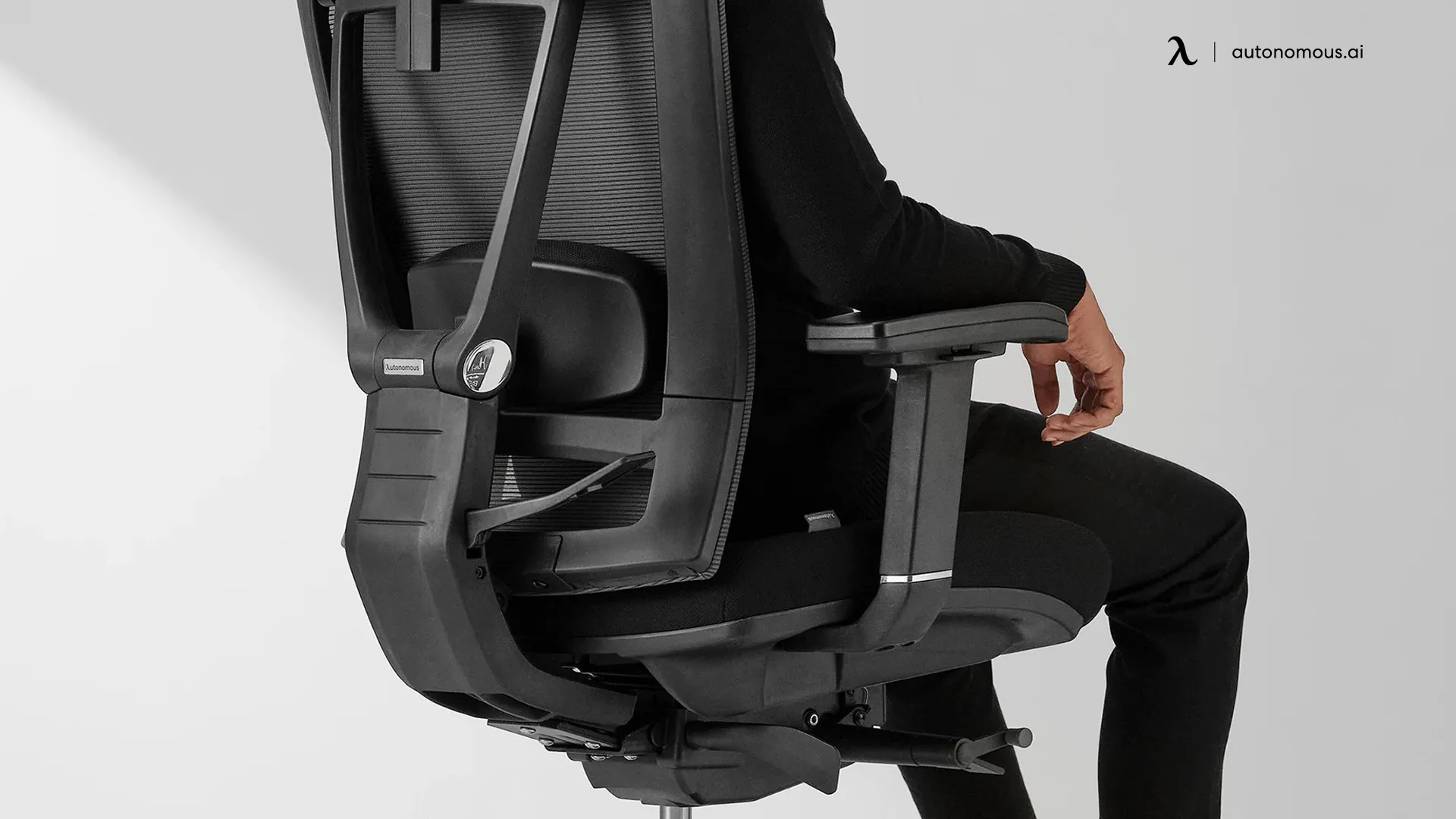
Credit: www.autonomous.ai
Why Lumbar Support Matters
Your office chair can be a friend or foe. Lumbar support is key. It protects your lower back. Many people ignore this. This causes real problems. Good support makes a big difference. It’s simple but effective.
The Spine’s Natural Curve
Your spine is not straight. It has a gentle ‘S’ shape. This curve helps absorb shock. It allows you to move freely. The lower back has a forward curve. This is called lordosis. It is crucial for good posture. Without it, your back suffers.
Common Desk Job Ailments
Sitting for long hours hurts. Your back muscles get tired. Poor posture is common. This leads to back pain. Neck pain is also frequent. Headaches can develop. Shoulders often feel stiff. These are desk job problems.
How Support Prevents Pain
Lumbar support helps your spine. It maintains the natural curve. This reduces strain on muscles. It keeps your posture upright. Your body stays aligned. This prevents future pain. It promotes better comfort. Your workday improves greatly.
Choosing The Right Lumbar Support
Proper lumbar support helps your lower back. Find a cushion that fits your chair’s curve. Place it at your waist’s natural dip.
Choosing the right lumbar support is key. It makes your office chair comfortable. Good support prevents back pain. It helps you sit better. This section guides your choice.Built-in Vs. Add-on Support
Some chairs have built-in lumbar support. This support is part of the chair design. It adjusts with the chair. Other chairs need add-on support. You buy these separately. They attach to your existing chair. Consider your current chair. Decide if you need an attachment.Types Of Add-on Cushions
Many add-on cushions exist. Some are simple foam pads. Others are gel-filled. Some have adjustable straps. Mesh cushions offer breathability. Memory foam molds to your back. Choose a cushion that fits your needs. Test different types.Material And Firmness Factors
Material matters for comfort. Soft materials feel nice. Firmer materials offer more support. Too soft is not helpful. Too firm can be uncomfortable. Find a balance. Your personal preference is important.Ergonomic Chair Features
Ergonomic chairs have specific features. They often include adjustable lumbar support. This support moves up and down. It also moves in and out. This allows precise fitting. Look for these features. They enhance your sitting experience.Positioning For Peak Comfort
Getting your lumbar support right is key. It makes a big difference. Proper placement means less pain. You will feel better all day. This section shows you how.
Finding Your Natural Curve
Sit up straight first. Feel your lower back. It has a natural inward curve. Your lumbar support should match this. It should fill this space gently. Do not force it unnaturally.
Lower Back Alignment
Your spine needs good alignment. The support helps your lower back. It pushes it slightly forward. This keeps your spine in a neutral line. Avoid slouching. The support prevents bad posture.
Adjusting Support Height
Most chairs have adjustable support. Move it up or down. Find the part of your back. It feels most supported. It should fit your curve well. It should feel just right.
The Sweet Spot
This is the perfect position. You feel supported. You are not uncomfortable. Your lower back feels natural. You can sit for hours. This is peak comfort.

Credit: boulies.com
Integrating Support Into Your Day
Integrating lumbar support into your workday is simple. It makes your office chair much better. You get better posture. Your back feels good. This helps you work longer. It prevents pain.
Active Sitting Habits
Don’t just slump. Sit up straight. Use your lumbar support. It helps your spine. Think about your posture. Make it a habit. Your body will thank you.
Regular Breaks And Movement
Get up often. Walk around a little. Stretch your back. Lumbar support is great. It helps when you sit. Movement is also key. It keeps your muscles strong. Avoid sitting too long.
When To Adjust Support
Feel your lower back. Is it supported well? You might need more support. You might need less. Adjust it until it feels right. It should not push too hard. It should not be too low.
Listen To Your Body
Your body tells you things. Does your back hurt? Is it tired? Maybe adjust your support. Maybe take a break. Pay attention to signals. Your comfort is important. Make your chair work for you.
Troubleshooting Common Issues
Even with the best intentions, lumbar support can sometimes cause new problems. Don’t worry. Many common issues have simple fixes. Let’s tackle them.
Too Much Pressure
The support feels too hard. It digs into your back. This means the cushion is too firm. Or it is positioned too high. Try a softer lumbar pillow. Adjust the support lower. A small pillow can help. It adds a buffer.
Not Enough Support
You still feel unsupported. Your back slumps forward. The lumbar support is too small. Or it is not firm enough. Consider a larger, firmer pillow. You can stack two smaller pillows. Ensure they fit snugly. This fills the curve.
Support Slipping
The support moves down. It does not stay in place. This is frustrating. The straps may be loose. Tighten the straps securely. Some chairs have adjustable mounts. Check if yours does. Use a non-slip mat. Place it behind the support. This adds grip.
Discomfort After Adjusting
You feel worse after changes. Your body needs time. Give your back a week. It needs to adapt. Sit with good posture. Avoid slouching. If pain persists, re-evaluate. The support might be wrong. Try a different shape. Or a different firmness.

Credit: ergonow.com
Beyond The Lumbar Cushion
Lumbar support is key. A cushion helps. But it’s not the whole story. Your chair and desk matter too. Your whole workspace plays a part. Let’s look beyond the cushion. Discover more ways to sit well.
Chair Height And Desk Setup
Adjust your chair height. Your feet should rest flat. Knees should form a 90-degree angle. Your desk should allow this. Your forearms should be level. They should rest on the desk. This prevents shoulder strain. It also supports your back.
Footrest Importance
Your feet need support. If feet don’t reach the floor. Use a footrest. It keeps your legs at 90 degrees. This improves circulation. It reduces lower back pressure. A footrest is a simple fix. It makes a big difference.
Monitor Position
Your screen needs attention. Position it at eye level. The top of the screen. It should be at your eye height. This stops neck bending. You will look straight ahead. This alignment helps your spine. It supports good posture.
Overall Workspace Ergonomics
Think about your whole setup. Is your mouse close? Is your keyboard comfortable? Are things within easy reach? A good setup reduces reaching. It prevents awkward twists. Every element matters. Your body thanks you.
Frequently Asked Questions
What Is Lumbar Support?
Lumbar support is a special cushion or curve. It helps your lower back stay in a good position. This reduces strain on your spine.
How Does Lumbar Support Help My Back?
It supports your spine’s natural curve. This prevents slouching and reduces back pain. Good posture feels better.
Should I Use Lumbar Support In My Office Chair?
Yes, especially if you sit long hours. It promotes better posture. Your back will thank you.
How Do I Position Lumbar Support Correctly?
Place it at the curve of your lower back. It should feel comfortable and supportive. Adjust until it feels right.
Can Any Chair Have Lumbar Support Added?
Yes, many chairs can. You can buy add-on cushions. They easily attach to most office chairs.
How Often Should I Adjust My Lumbar Support?
Adjust it as needed throughout the day. Your body moves while you sit. Find the best spot for comfort.
What If Lumbar Support Causes Discomfort?
Try repositioning it slightly. Your chair might not be right. Some people need different types.
Conclusion
Good lumbar support is key. It helps your spine stay aligned. Adjust your chair correctly. Find that sweet spot. Your back will thank you. Sit comfortably all day. Work without discomfort. Invest in your well-being. It truly matters.