
A completely blocked toilet is more than just an inconvenience; it’s a plumbing emergency that can quickly turn into a messy and unsanitary situation. Whether it’s a stubborn clog from too much toilet paper, an accidental flush of an inappropriate item, or a deeper issue within your plumbing system, knowing how to tackle a badly blocked toilet effectively can save you time, money, and a great deal of stress.
This guide will walk you through the most effective methods for unblocking a toilet, from simple DIY techniques to knowing when it’s time to call in the professionals. We’ll explore the tools you might need, the steps to follow for each method, and crucially, how to prevent future blockages.
Key Takeaways
- Identify the Cause: Understanding why the toilet is blocked (e.g., excessive paper, foreign object, or a deeper line issue) helps determine the best unblocking method.
- Start Simple: Begin with basic tools like a plunger or a DIY hot water and dish soap mixture, as these are often sufficient for minor to moderate clogs.
- Escalate Techniques: If simpler methods fail, progress to more robust tools like a toilet auger (snake) or a drain bladder.
- Safety First: Always wear protective gear, such as rubber gloves and eye protection, and be cautious when using hot water or chemicals.
- Know When to Call a Pro: Persistent blockages, recurring issues, or signs of a main sewer line problem necessitate professional plumbing assistance.
- Prevention is Key: Regular maintenance, mindful flushing habits, and avoiding flushing certain items can prevent future toilet blockages.

Credit: www.youtube.com
Understanding Toilet Clogs
Before diving into unblocking methods, it’s crucial to understand what causes a toilet to become badly blocked. Most clogs occur within the toilet trap itself, the S-shaped or P-shaped pipe directly beneath the bowl. However, blockages can also form further down the drainpipe or even in the main sewer line.
The nature of the clog dictates the most effective unblocking strategy.
Common Causes Of Toilet Blockages
Several factors can contribute to a toilet becoming severely blocked. Recognizing the most frequent culprits can help in both clearing the current blockage and preventing future ones.
- Excessive Toilet Paper: While designed to break down, using an unusually large amount of toilet paper in a single flush, or multiple flushes in quick succession, can overwhelm the system before the paper has a chance to disintegrate. This is particularly true for older or less powerful toilet models.
- Non-Flushable Items: This is a leading cause of emergency plumbing calls. Items like wet wipes (even those labeled “flushable” are often problematic), paper towels, feminine hygiene products, cotton swabs, dental floss, hair, and even small toys can cause severe blockages because they do not break down easily in water.
- Hard Water Buildup: In areas with hard water, mineral deposits can accumulate over time within the toilet trap and drain pipes. This buildup narrows the pipe’s diameter, making it more susceptible to clogs from even small amounts of waste or paper.
- Low-Flow Toilet Issues: Older low-flow toilets may not have sufficient flushing power to clear the bowl and trap effectively, especially if there are minor underlying issues like a partial obstruction or a slightly reduced pipe diameter.
- Children and “Accidental” Flushing: Curious children sometimes flush items they shouldn’t, leading to unexpected and often severe clogs. This could range from toys to excessive amounts of toilet paper.
- Main Sewer Line Problems: If multiple drains in your house are backing up, or if the toilet repeatedly clogs, the issue might not be with the toilet itself but with a blockage in the main sewer line that serves your entire property. Tree roots invading the line, collapsed pipes, or significant debris accumulation are common causes.
Identifying A Badly Blocked Toilet
Distinguishing a minor clog from a severe one is important for choosing the right approach. A badly blocked toilet will exhibit clear signs:
- Slow Draining: After flushing, the water level in the bowl rises significantly higher than normal and takes a long time to recede.
- Gurgling Sounds: You might hear gurgling noises coming from the toilet or other drains in the house when flushing. This indicates trapped air being forced through the pipes.
- Water Backs Up: Water may back up into the toilet bowl or even into other fixtures like a shower or sink when the toilet is flushed.
- Incomplete Flush: The toilet may not fully clear the bowl, leaving waste and water behind.
- Overflow: In the worst-case scenario, the toilet bowl overflows, indicating a complete blockage.

Credit: www.youtube.com
Diy Methods For Unblocking A Toilet
When faced with a badly blocked toilet, there are several DIY methods you can try before resorting to professional help. These methods range from simple tools to common household items.
The Plunger Power Play
A good quality toilet plunger is often the first and most effective tool for clearing a blockage. It’s essential to use a flange plunger, which has an extended rubber flap that fits snugly into the toilet drain opening, creating a better seal than a standard cup plunger.
Steps for Using a Plunger:
- Ensure Sufficient Water: The plunger needs to be submerged in water to create suction. If the bowl is low, add some water from a bucket. Don’t overfill, or it might overflow.
- Create a Seal: Place the plunger over the drain opening, ensuring the flange is fully inserted into the hole and the cup creates a tight seal around the opening.
- Plunge Vigorously: Push down firmly on the plunger handle to expel air, then pull up sharply. The pulling action is often more effective than the pushing. Repeat this plunging motion 15-20 times.
- Check for Drainage: After vigorous plunging, remove the plunger and observe if the water drains. If it starts to drain, but slowly, you may need to repeat the process.
- Flush Cautiously: If the water drains, try a partial flush. If it drains completely and the bowl refills normally, you can attempt a full flush. If it still seems sluggish, repeat the plunging.
Pro Tip: If the water level is very high and you fear overflow, use a bucket to remove some water before plunging.
The Hot Water And Dish Soap Method
This is a gentler approach that can be effective for clogs caused by organic waste or excessive toilet paper. The hot water helps to soften and break down the blockage, while the dish soap acts as a lubricant.
Steps:
- Pour Dish Soap: Squirt a generous amount of liquid dish soap (about half a cup) into the toilet bowl. Let it sit for 10-15 minutes to allow it to sink down and coat the blockage.
- Heat Water: Heat a kettle or pot of water. Crucially, do NOT use boiling water. Boiling water can crack the porcelain of your toilet bowl. Aim for hot tap water temperature or slightly warmer, around 150-170°F (65-75°C).
- Pour Hot Water: Carefully pour the hot water into the toilet bowl from about waist height. The height helps create some force.
- Wait and Observe: Let the mixture sit for 20-30 minutes. The hot water should begin to dissolve and loosen the clog.
- Check Drainage: Observe if the water level has gone down. If it has, try a partial flush. If it seems to be working, you can attempt a full flush. Repeat the process if necessary.
The Baking Soda And Vinegar Technique
This classic household combination can create a fizzing reaction that helps break down clogs, especially those caused by grease or mineral buildup. It’s a more natural alternative to chemical drain cleaners.
Steps:
- Remove Water: If the toilet bowl is full, bail out some water using a disposable cup or container until the water level is only a few inches deep.
- Add Baking Soda: Pour about one cup of baking soda into the toilet bowl. Try to get it around the sides and into the drain opening.
- Add Vinegar: Slowly pour about two cups of white vinegar into the bowl. A fizzing reaction will occur.
- Let it Work: Allow the mixture to bubble and work for at least 30 minutes, or ideally, several hours (even overnight for tougher clogs).
- Flush: After the waiting period, pour a bucket of hot (not boiling) water into the bowl and then attempt a flush.
Using A Toilet Auger (closet Auger Or Snake)
When plungers and household remedies fail, a toilet auger is the next logical step. This tool is specifically designed for toilets and features a protective sleeve to prevent scratching the porcelain. It has a coiled wire end that can break up or hook onto blockages.
Steps:
- Insert the Auger: Gently insert the auger’s curved end into the toilet drain opening.
- Extend the Cable: Slowly crank the handle to extend the coiled wire cable into the drainpipe. You’ll feel resistance when you hit the blockage.
- Break Up or Hook: Continue cranking and maneuvering the auger to break up the clog or hook onto it. If you feel you’ve hooked something, try to gently pull it back out.
- Retract and Repeat: Once you believe the clog is cleared or hooked, retract the cable by cranking the handle in the opposite direction.
- Flush: Remove the auger and test with a partial flush, followed by a full flush if successful. You may need to repeat the auger process.
Warning: Be gentle when using the auger. Forcing it can damage the toilet or the pipework.
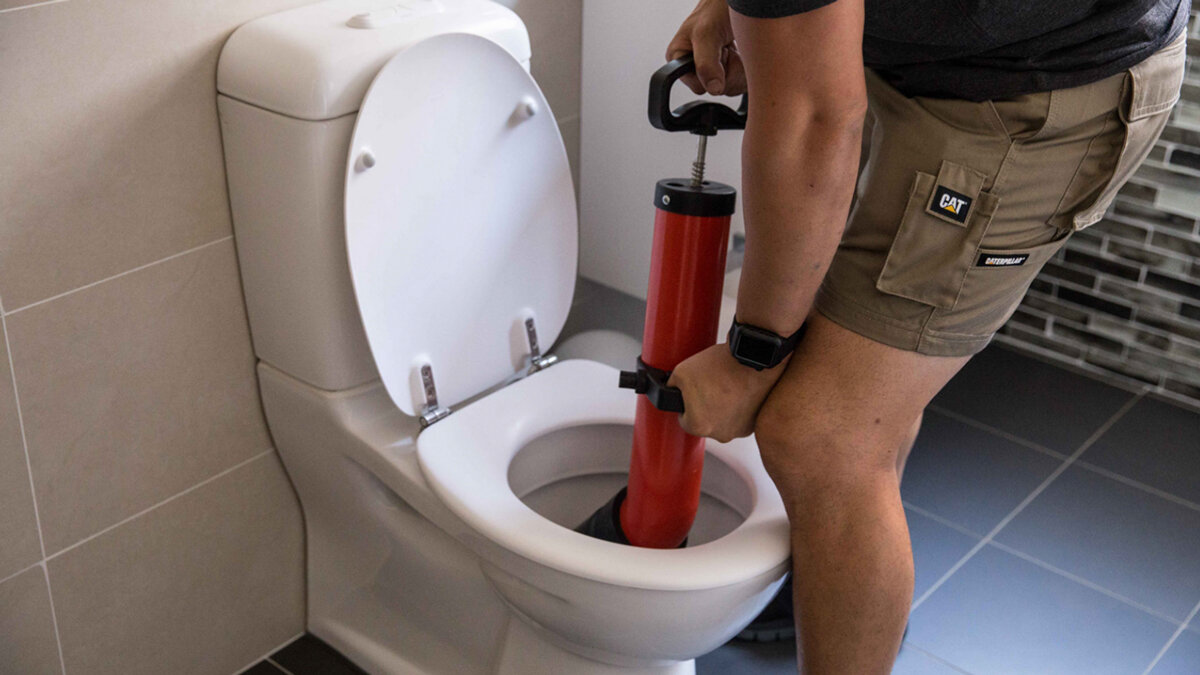
The Drain Bladder Method
A drain bladder, also known as a drain cleaning bag or sewer jetter, is a more advanced tool that uses water pressure to clear blockages. It connects to a garden hose and is inserted into the drainpipe. When water is turned on, the bladder inflates, sealing the pipe and directing high-pressure water flow to break up the clog.
Steps:
- Prepare the Bladder: Attach the drain bladder to your garden hose.
- Insert into Drain: Feed the bladder into the toilet drain opening and push it as far as possible into the pipe.
- Turn on Water: Slowly turn on the water from your garden hose. The bladder will inflate.
- Flush with Pressure: The pressurized water will force its way past the bladder, scouring the pipe and dislodging the blockage. You may hear flushing sounds as the clog clears.
- Turn off Water and Retract: Once the water drains or you hear the clog clear, turn off the water. The bladder will deflate, allowing you to retract it.
- Test Flush: Test the toilet with a flush.
Note: This method is best suited for clogs further down the drainpipe rather than those directly in the toilet trap.
Credit: www.jabplumbingsolutions.com.au
When To Call A Professional Plumber
While DIY methods can resolve many toilet blockages, there are times when professional intervention is necessary. Attempting to fix a problem beyond your capabilities can sometimes worsen the situation or lead to costly damage.
Signs You Need A Plumber
- Persistent Clogs: If you’ve tried multiple DIY methods and the toilet remains blocked, the clog is likely too severe or in a location you can’t reach.
- Recurring Blockages: If your toilet frequently gets blocked, it suggests an underlying issue such as a partial obstruction in the pipe, a problem with the toilet’s internal mechanism, or a deeper sewer line issue that needs professional diagnosis.
- Multiple Fixtures Affected: If you notice water backing up in other drains (sinks, showers, tubs) when the toilet is flushed, it’s a strong indicator of a blockage in the main sewer line.
- Sewage Odors: Persistent foul odors that don’t dissipate could point to a sewer line problem or a compromised plumbing seal.
- Lack of Confidence or Experience: If you’re uncomfortable with any of the DIY methods, or if you simply don’t have the necessary tools, it’s always best to call a professional plumber.
- Visible Pipe Damage: If you suspect or see any signs of damage to your pipes (e.g., leaks, corrosion), it’s crucial to have a professional assess and repair them.
What A Plumber Can Do
Professional plumbers have specialized tools and expertise to handle even the most stubborn toilet clogs and diagnose underlying plumbing issues.
- Advanced Drain Cleaning Equipment: Plumbers use powerful drain snakes (electric augers) and hydro-jetting equipment that can effectively clear deep or stubborn blockages that DIY tools cannot.
- Camera Inspection: They can insert a small camera into your drainpipes to visually inspect for the exact location and nature of the blockage, such as tree roots, collapsed pipes, or significant grease buildup.
- Pipe Repair and Replacement: If the inspection reveals damaged pipes, plumbers can perform necessary repairs or replacements.
- Sewer Line Cleaning: They can thoroughly clean out main sewer lines to restore proper flow.
- Expert Diagnosis: Plumbers can quickly identify the root cause of recurring clogs, whether it’s related to the toilet itself, the building’s plumbing system, or the municipal sewer connection.
Example: A homeowner repeatedly experienced slow drains and occasional toilet clogs. After trying plungers and drain cleaners without success, they called a plumber. The plumber used a camera to inspect the sewer line and discovered significant root intrusion from a nearby tree. They then used a specialized root-cutting auger to clear the blockage and advised the homeowner on preventative measures and potential future pipe lining.
Preventing Future Toilet Blockages
Once you’ve successfully unblocked your toilet, the next step is to implement strategies to prevent future occurrences. Prevention is always easier and less messy than dealing with a clog.
Mindful Flushing Habits
The most common cause of toilet clogs is improper use. Educating household members on what should and should not be flushed is paramount.
- Toilet Paper Usage: Encourage using only the necessary amount of toilet paper. If a large amount is used, flush in stages rather than all at once.
- “Flushable” Wipes: Despite marketing, “flushable” wipes are a major contributor to clogs. They do not break down as readily as toilet paper and can accumulate in pipes. Advise against flushing them entirely.
- What NOT to Flush: Create a clear list of items that should never go down the toilet:
- Feminine hygiene products (tampons, pads)
- Paper towels and facial tissues
- Cotton balls and swabs
- Dental floss
- Hair
- Diapers
- Cat litter
- Food scraps
- Grease and oils
- Medications
- Cigarette butts
- Any non-biodegradable materials
Regular Toilet Maintenance
Performing routine maintenance can help keep your toilet and its associated plumbing in good working order.
- Occasional Deep Clean: Regularly clean your toilet bowl, paying attention to the rim jets and the trapway, to prevent mineral buildup.
- Use Toilet Cleaners Sparingly: While cleaning is good, overuse of harsh chemical cleaners can damage pipes over time. Consider natural alternatives like baking soda and vinegar.
- Check Water Level and Flush Strength: Ensure your toilet’s water level is set correctly in the tank and that it flushes with adequate force. If you have an older low-flow toilet that struggles, consider a flush-assist device or upgrading to a modern, efficient model.
- Consider a Drain Maintenance Product: Once a month, you can pour a cup of baking soda followed by a cup of vinegar into the toilet, let it fizz, and then flush with hot water. This can help keep pipes clear of minor buildup. Some plumbers also recommend enzyme-based drain cleaners for routine maintenance, as they are less harsh than chemical ones.
Addressing Hard Water Issues
If you live in an area with hard water, mineral deposits are a constant threat to your plumbing.
- Water Softener: Installing a whole-house water softener can significantly reduce mineral buildup in all your plumbing fixtures and pipes.
- Regular Descaling: Even with a softener, occasional descaling of the toilet bowl and tank might be necessary. Use a toilet bowl cleaner specifically designed for hard water stains or a vinegar soak.
Inspecting For Tree Roots
If you have trees near your sewer line, especially older ones, tree roots can be a silent menace.
- Awareness: Be aware of the location of your sewer line and any large trees.
- Professional Inspection: If you suspect root intrusion, have a plumber perform a camera inspection. Early detection can prevent major pipe damage and costly repairs.
Comparison Of Unblocking Methods
To help you choose the most appropriate method, here’s a comparison of common DIY and professional approaches.
| Method | Effectiveness for Mild Clogs | Effectiveness for Severe Clogs | Speed of Action | Cost | Risk of Damage | Skill Level Required |
|---|---|---|---|---|---|---|
| **Plunger** | High | Medium | Fast | Low | Low | Low |
| **Hot Water & Dish Soap** | Medium | Low | Moderate | Very Low | Low | Low |
| **Baking Soda & Vinegar** | Medium | Low | Slow | Very Low | Low | Low |
| **Toilet Auger** | High | High | Moderate | Moderate | Medium | Medium |
| **Drain Bladder** | Medium | High | Moderate | Moderate | Medium | Medium |
| **Chemical Drain Cleaners** | Medium | Medium | Moderate | Low | High | Low |
| **Professional Plumber** | High | Very High | Fast | High | Very Low | High |
Note on Chemical Drain Cleaners: While not detailed as a primary DIY method due to the risks, chemical drain cleaners are available. However, they are often ineffective for toilet clogs because the chemicals get diluted in the large volume of water in the bowl and can take a very long time to reach the clog. More importantly, they can be highly corrosive to pipes, damage toilet porcelain, and are dangerous if they splash or if you later attempt to use a plunger or auger, potentially creating toxic fumes or splashing hazardous chemicals. For these reasons, they are generally not recommended for toilet blockages.
Frequently Asked Questions
How Long Should I Wait Before Calling A Plumber For A Blocked Toilet?
If you’ve tried the basic DIY methods like plunging and the hot water/dish soap technique for an hour or two without any improvement, and the toilet is still completely blocked or overflowing, it’s generally a good time to call a professional plumber.
Persistent blockages, especially if they are recurring, also warrant professional attention.
Is It Safe To Use Chemical Drain Cleaners In A Toilet?
It is generally not recommended to use chemical drain cleaners in a toilet. They are often ineffective due to dilution in the large volume of water, can damage the toilet’s porcelain and internal mechanisms, corrode pipes, and pose significant health risks if splashed or inhaled. If you must use a cleaner, opt for enzyme-based products designed for septic systems and follow instructions meticulously, but a plunger or auger is usually a safer and more effective first step.
Can A Toilet Auger Damage My Toilet Bowl?
A toilet auger, specifically a closet auger, is designed with a protective sleeve to prevent scratching the porcelain. However, excessive force or improper use can still potentially cause damage. Always insert and maneuver the auger gently, and avoid forcing it if you encounter significant resistance. If you’re unsure, a plumber can use the tool safely.
What Is The Difference Between A Toilet Plunger And A Regular Plunger?
A toilet plunger, also known as a flange plunger or closet plunger, has an extra rubber flap (flange) that extends from the bottom. This flange is designed to fit snugly into the toilet drain opening, creating a much better seal than a standard cup plunger (often used for sinks). A good seal is crucial for creating the necessary suction and pressure to dislodge toilet clogs.
How Can I Tell If The Blockage Is In My Toilet Or The Main Sewer Line?
The most common indicator of a main sewer line blockage is when multiple fixtures in your home are affected. If flushing the toilet causes water to back up into your shower, sink, or tub, or if these other fixtures are also draining slowly or backing up, it strongly suggests a problem further down the line, beyond your individual toilet. A plumber can perform a camera inspection to confirm the location of the blockage.
Dealing with a badly blocked toilet can be a daunting task, but by understanding the causes and employing the right methods, you can often resolve the issue yourself. Start with the simplest techniques, such as plunging or using household items, and gradually move to more specialized tools like a toilet auger if needed.
Always prioritize safety and be prepared to call a professional plumber if the blockage proves too stubborn or if you suspect a more serious underlying problem. Regular maintenance and mindful usage habits are your best defense against future clogs, ensuring your plumbing system runs smoothly and efficiently.