
Does your back ache after a long day at your desk? You’re not alone.
Sitting in an office chair for hours can be tough on your spine. But what if the solution is simpler than you think? It might just be about how you’re sitting. In this post, we’ll show you exactly how to adjust your office chair and your posture to say goodbye to that nagging back pain.
Get ready to transform your workday comfort.
Credit: www.llearn.gr
The Ergonomic Foundation
The ergonomic foundation is key. It sets the stage for comfort. Proper setup prevents pain. Your chair is your work partner. Treat it right. Build a solid base.
Chair Height Essentials
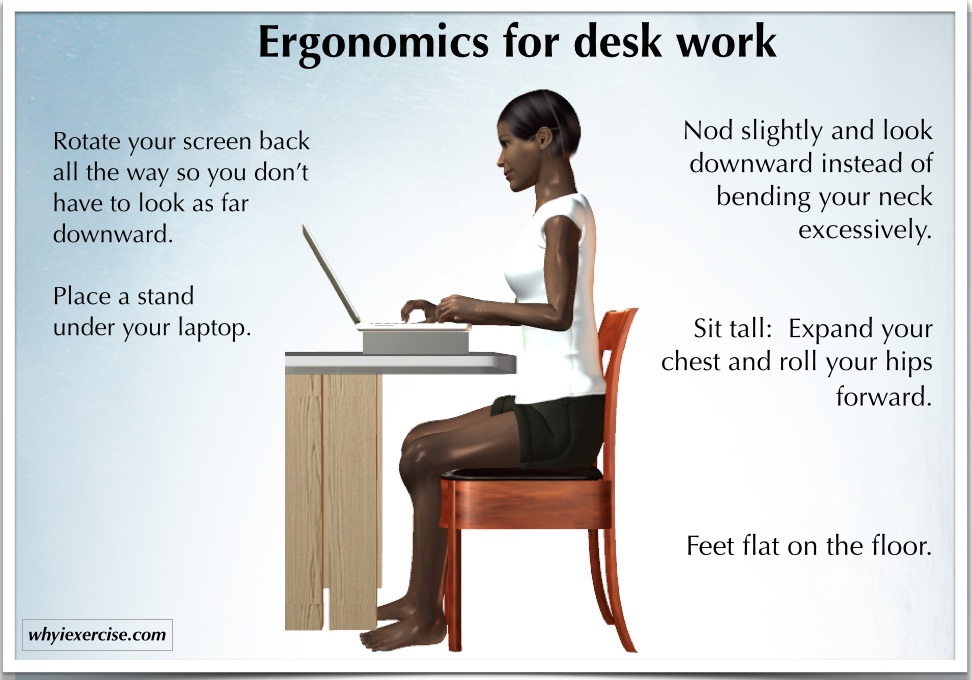
Adjust your chair height. Your feet should rest flat. Knees bend at a right angle. This aligns your legs. It reduces lower back stress. Aim for a comfortable level. Your thighs should be parallel. The floor supports your feet.
Foot Placement Power
Place feet firmly on the floor. Or use a footrest. Your feet should feel grounded. This supports your posture. Avoid dangling feet. Dangling causes strain. Stable feet mean a stable spine.
Lumbar Support’s Role
Your chair needs lumbar support. It fits your lower back curve. This support is crucial. It maintains your spine’s natural shape. Sit back fully into the chair. Feel the support. It cushions your back. Prevent slouching naturally.
Armrest Alignment
Adjust armrests correctly. Your shoulders should be relaxed. Elbows should bend at 90 degrees. Forearms rest comfortably. Armrests support your arms. They reduce neck and shoulder strain. Avoid reaching for armrests. Keep them close by.
Perfect Posture Unveiled
Perfect posture is not a myth. It’s your secret weapon. It fights back pain. It makes you feel better. Let’s find your ideal sitting position. It is simpler than you think.
Spine’s Natural Curve
Your spine has a gentle S shape. Sit so your back supports this curve. Use a lumbar support cushion. It fills the space in your lower back. Keep your back against the chair. Avoid slouching forward. Good posture protects your spine.
Shoulder And Neck Relaxation
Let your shoulders fall naturally. Do not hunch them up. Relax your neck muscles. Your head should balance over your spine. Avoid craning your neck forward. This strains your neck. It causes headaches too. Feel the tension release.
Screen Level Secrets
Position your computer screen correctly. The top of the screen is key. It should be at eye level. You should look slightly down. This protects your neck. Your eyes do not strain. Adjust your chair or monitor. Find the right height.
Keyboard And Mouse Comfort
Your arms should rest comfortably. Your elbows should be near 90 degrees. Your wrists should be straight. They should not bend up or down. Keep your keyboard close. Your mouse should be within reach. This prevents arm strain.
Beyond The Basics
You’ve learned the basics of good posture. Now let’s go further. Small changes make a big difference. Your back will thank you.
The Power Of Movement
Sitting still is the enemy. Your body needs to move. Shift your weight often. Stand up briefly. Walk around your desk. Simple movements help. They keep blood flowing. Muscles stay active. Avoid long periods of stillness. Your back feels better.
Desk Height Matters
Your desk height is crucial. It affects your arm position. Arms should rest comfortably. Elbows should be at 90 degrees. This reduces shoulder strain. Your keyboard should be close. Your mouse should be reachable. Adjust your desk if possible. A proper height prevents pain.
Breaks: Your Back’s Best Friend
Take frequent short breaks. Set a timer. Get up every 30 minutes. Walk for a minute or two. Stretch your arms and legs. Look away from your screen. These breaks reset your body. They prevent stiffness. Regular breaks are essential. Your back stays happy.
When To Seek Professional Help
Persistent back pain is serious. Do not ignore it. Talk to your doctor. A physical therapist can help. They understand back issues. They offer tailored solutions. Professional advice is valuable. Get help for lasting pain. Your health is important.

Credit: www.brisbanespineclinic.com.au
Common Mistakes To Dodge
Many office workers develop back pain. This often happens from simple mistakes. You can avoid pain. Learn these common errors. Steer clear of them daily. Your back will thank you.
Slouching’s Silent Damage
Slouching is a bad habit. It hurts your spine. Your back curves unnaturally. Muscles get strained easily. This causes daily discomfort. It weakens your core strength. Stand up straight often. Your posture matters a lot.
The Perils Of Crossing Legs
Crossing your legs seems harmless. It actually causes problems. It can misalign your hips. This affects your spine. Blood flow might also slow. Try keeping feet flat. Both feet on the floor. This supports your body better.
Leaning Forward Habits
Leaning forward strains your neck. It puts pressure on your shoulders. Your back muscles work too hard. This posture is very common. You might do it unconsciously. Adjust your chair height. Bring your monitor closer. This prevents forward leaning.
Ignoring Discomfort Signals
Your body sends signals. Pain is an important one. Do not ignore backaches. They mean something is wrong. Take short breaks often. Stretch your body regularly. Listen to your body’s needs. Adjust your seating position. Prevent small issues growing.

Credit: ihbv.at
Frequently Asked Questions
How To Sit To Avoid Back Pain?
Proper sitting posture is key. Keep your feet flat on the floor. Your back should be straight and supported.
What Is The Best Office Chair Posture?
Sit upright with your back against the chair. Keep your knees at a 90-degree angle. Your elbows should also be at 90 degrees.
How Can I Adjust My Chair For Comfort?
Adjust your chair height so feet are flat. Ensure your back is fully supported. Armrests should help relax your shoulders.
Does Chair Height Matter For Back Pain?
Yes, it matters a lot. Your feet should rest easily. This helps keep your spine aligned.
What Is The Correct Armrest Position?
Armrests should support your arms. They help your shoulders relax. Avoid hunching over your desk.
How Often Should I Change My Sitting Position?
Move around every 30 minutes. Stand up or walk briefly. This prevents stiffness and pain.
Can Sitting Position Cause Leg Pain?
Yes, it can affect your legs. Ensure your knees aren’t too high. Your feet should be flat on the floor.
Conclusion
Proper office chair posture helps your back. Sit tall in your chair. Support your lower back well. Adjust your chair height. Keep feet flat on the floor. Take short movement breaks. Your back will thank you. Feel better at work.